Tackling the huge sea-run brown trout of Tierra del Fuego’s Río Grande
My love affair with sea trout started on the River Towy in Wales, fully 30 years ago. I was fishing the celebrated Abercothi beat with the legendary ghillie, Cyril Fox. We were casting into the pitch darkness of a bible-black, new moon night. The water was low, and Cyril was very pessimistic about our chances when suddenly I experienced what felt like a violent bolt of electricity – as savage a take as any I can remember.
After a nail-biting tussle, a chrome-fresh 4-pound fish lay in Cyril’s net. It sparkled like silver treasure in the light of my headtorch, and the tiny Teal, Blue & Silver was gleaming in its jaws. I was utterly smitten.
Four years later, I stepped into the hallowed waters of Tierra del Fuego’s Río Grande for the first time, to try for one of the river’s legendary behemoths. It was the first time that I had left my own shores with a fly rod in my hand, and I was hopelessly and in hindsight, embarrassingly unprepared.
My First Morning on the Río Grande
On my first morning, the trip I had long dreamed of making was turning into an awful nightmare. I was flailing away with a desperately inadequate single-hander that felt wretchedly incapable of throwing the brutal 400 Grain shooting head that I had been advised to use. In truth, it wasn’t the rod… it was me.
My guide, Francisco, took pity on me and showed me how to slow my cast down and employ a big double haul to send the line ripping across the wide waters of the lower river, to deliver my fly under the cut bank, where the fish are almost always holding. Finally, after any amount of cursing and swearing, and a fair few flies cracked off on the bank behind me, I had it mastered.
My monstrous rubber-legged yuk-bug fly arced across the wide waters of the pool, hit the sheer wall of the cut-bank opposite, and dropped gently into the water “Muy bien! Now you have a chance” Francisco whispered softly, and a few moments later, the line was dragged out of my hands and started to fizz off of the reel. My heart thumped hard in my chest as I watched the fluorescent backing go whistling out through the guides to disappear downstream.
Suddenly, something flashed in the corner of my eye. I turned to look and let out a gasp as a huge silver sea trout vaulted out of the water, way upstream. Moments later, the same magnificent fish came barrelling up into the vast southern sky for a second time. “Wow!!! I wish I’d hooked that one!” I hollered idiotically to Francisco above the wind, and he smiled back and said simply, “You have.”
Welcome to the Río Grande
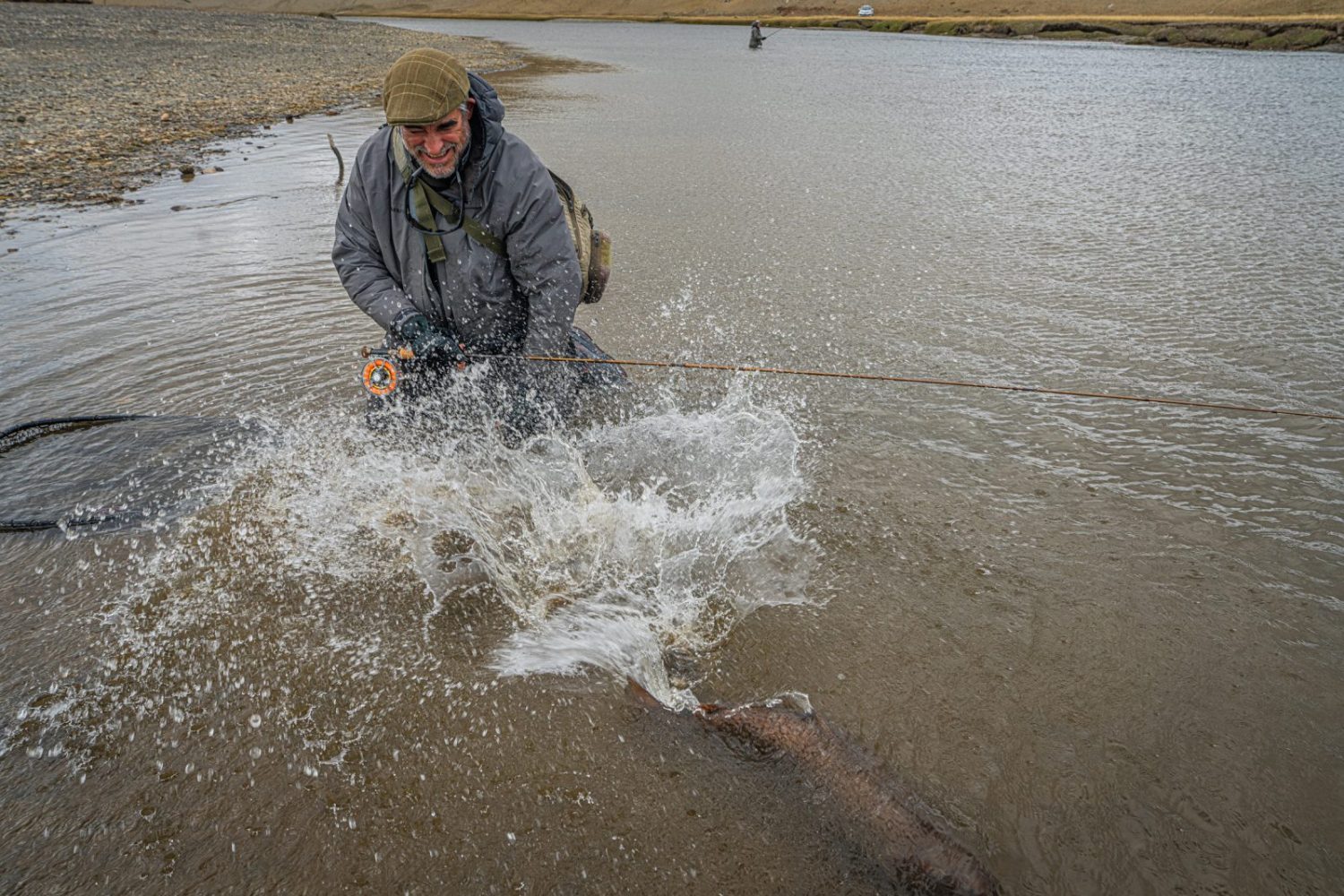
As the line started to tear up through the surface, it changed direction in order to follow the fish upstream, and in a magical moment, I recognised with an elated rush that Francisco was right. One of the thrills of my life. After a spectacular battle that was unlike anything I’d ever experienced, I finally held my breath and drew the huge fish into Francisco’s waiting net. I could barely believe my eyes.
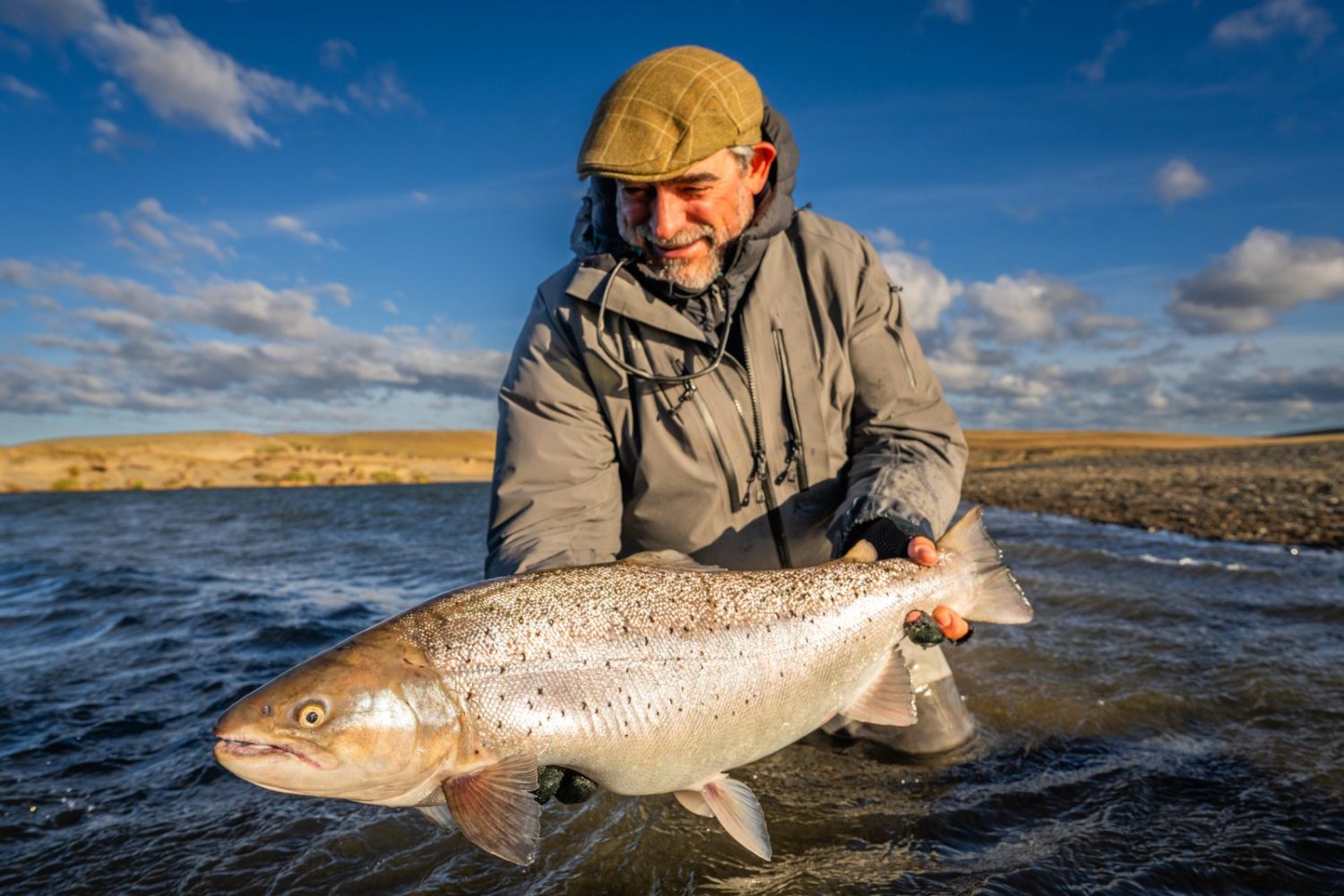
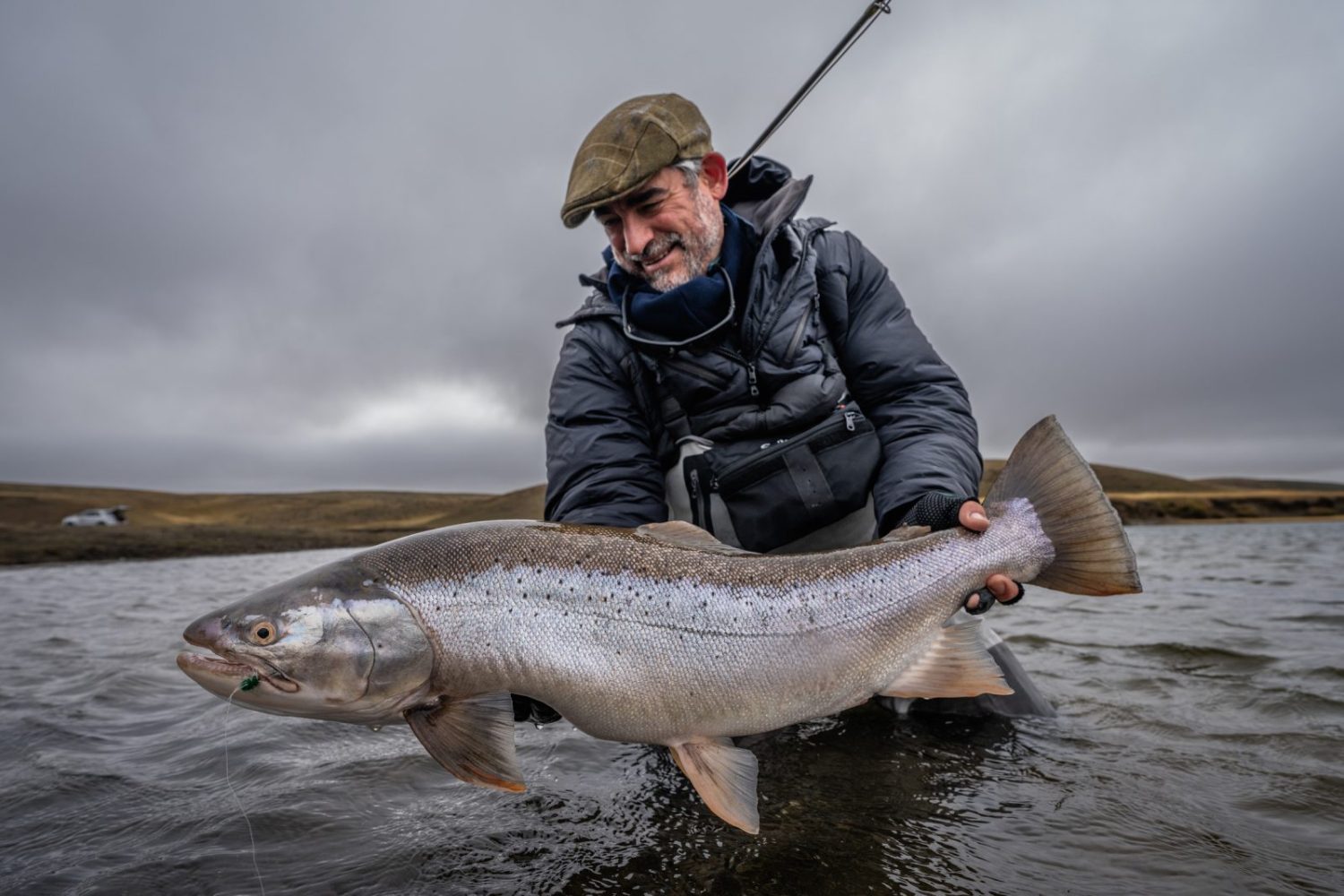
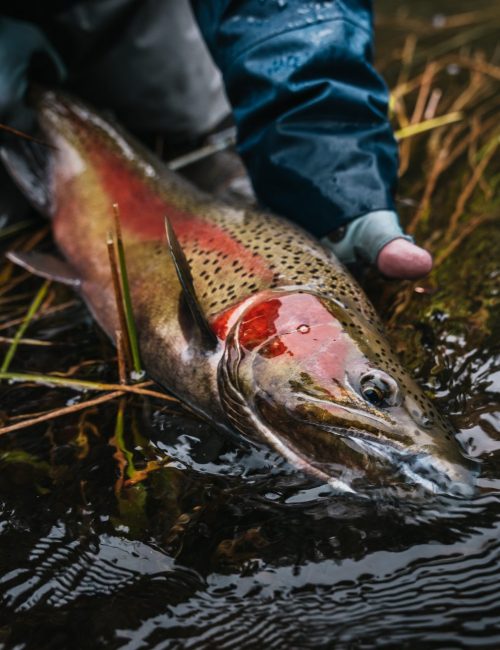
22lbs – a mint-silver hen fish – stupendously large, and as beautiful as any fish I have ever caught. Before or since.
My arms were shaking as I held it up for the camera “Welcome to the Río Grande” smiled Francisco. In the intervening 26 years, I have come to love this special river. Let me tell you about it.
Tierra del Fuego’s Río Grande
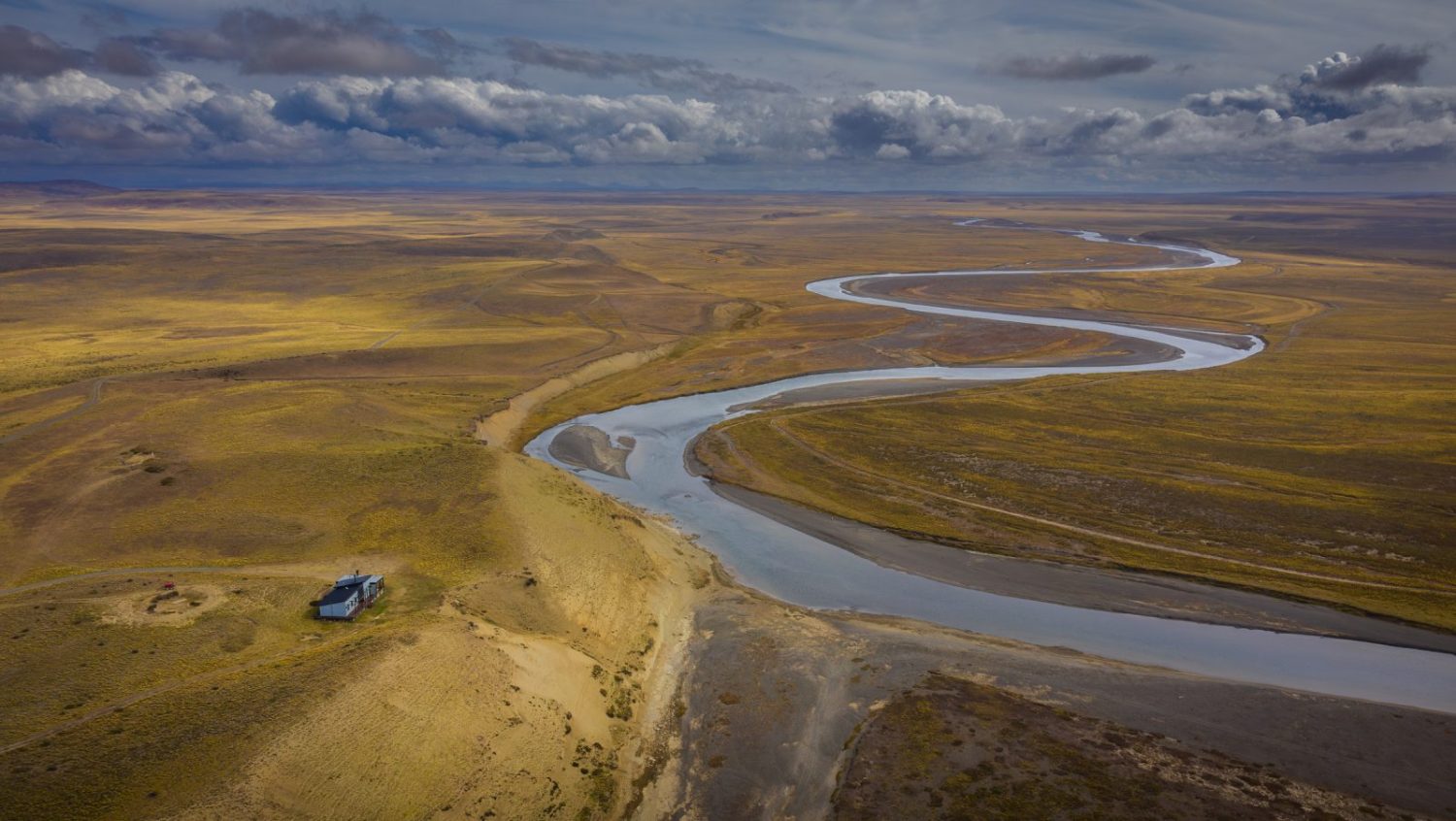
At the far end of the world lies the ragged little island of Tierra del Fuego. This wild, windswept little nugget of an island is continually buffeted by the raging storms thrown at it by the constant quarrelling of the Pacific and Atlantic Oceans, and yet it somehow clings to the southern tip of the vast Patagonian wilderness at the foot of South America. Despite its bleak and sometimes inhospitable aspect, Tierra del Fuego is a haunting and beautiful place, a land of wild winds and vast, constantly changing skies that is as bewitching as anywhere I have ever been lucky enough to set foot.
Far to the west, the Río Grande comes splashing down out of the Chilean Andes to begin its long, meandering descent across the wide pampas of central Tierra del Fuego before spilling into the Atlantic. It is, to the untrained eye, not an especially enticing river – the savage and often unrelenting winds that whistle across the wide, flat plains prevent anything much from growing to any great height, and the river banks are bleak and almost entirely devoid of trees. And yet, if you stand on its banks for long enough, the river’s unseen treasure will betray itself.
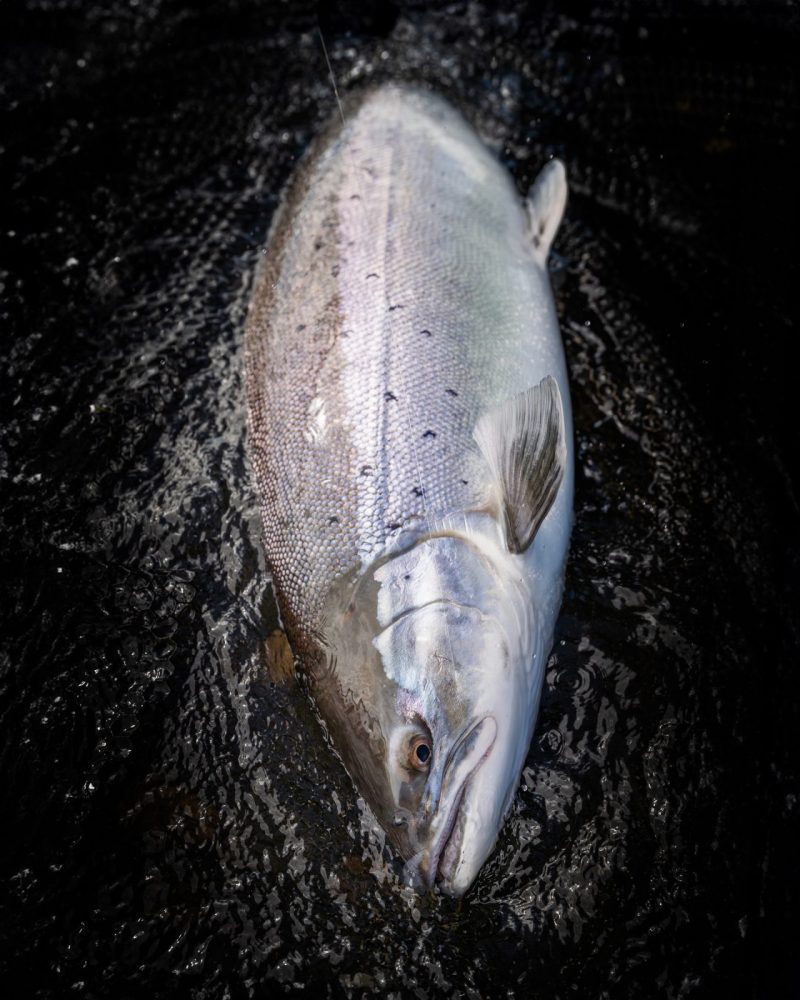
One of the freakishly large, silver-bright sea trout that run the river will sooner or later catapult into the air as it ploughs on upstream. Thanks to the enterprise of a sheep-ranch manager named John Goodall, who first seeded trout eggs in the tributaries of the river back in 1935, the Río Grande is one of the most magical trout fisheries on earth.
Seeding Sea Trout
John Goodall’s first seedlings, perhaps looking for more food than the river could offer, descended to the ocean, where the wide, shallow estuary afforded them rich pickings. After packing on the pounds, they returned to the river to spawn, and so started the legendary sea-run brown trout migration that has given us one of the world’s great fly-fisheries. Be warned. The river can be fickle, and if you want to get the very best from it, you need to be adaptable. One of the great charms of the river is the myriad approaches that the successful angler needs to have in their lexicon.
Proven Río Grande Sea Trout Flies
First thing in the morning, the fish can often prove aggressive, after a long and restful night under the sparkling stars of the Southern Cross. The morning sessions can be fast and furious, with the pools often full of fresh-run fish that have made their way upstream during the night.
A small – or not-so-small – Hitch Sunray Shadow skated across the pool, using a floating line and a single-handed rod ( or an 11’ 7 weight switch rod in the larger, downstream pools ) can often bring thrilling surface takes. If the fish refuse to commit, replace the Sunray with an RG Green Machine in sizes 6 or 8, and the change will often convert half-hearted misses into heart-stopping hits.
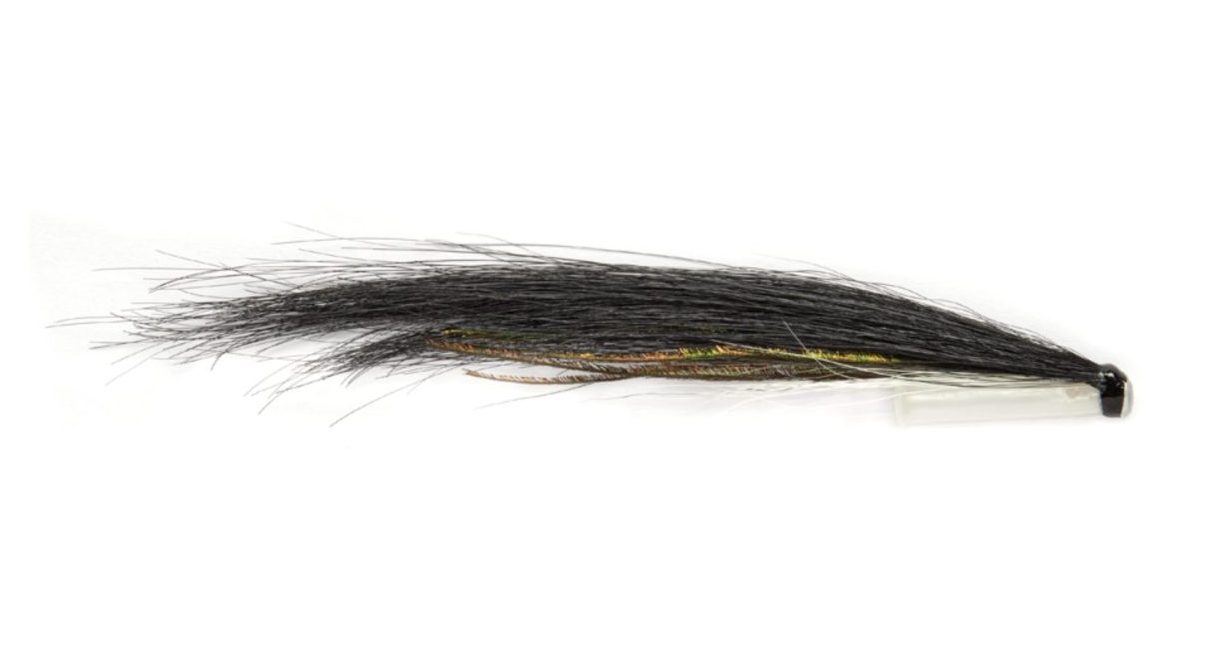
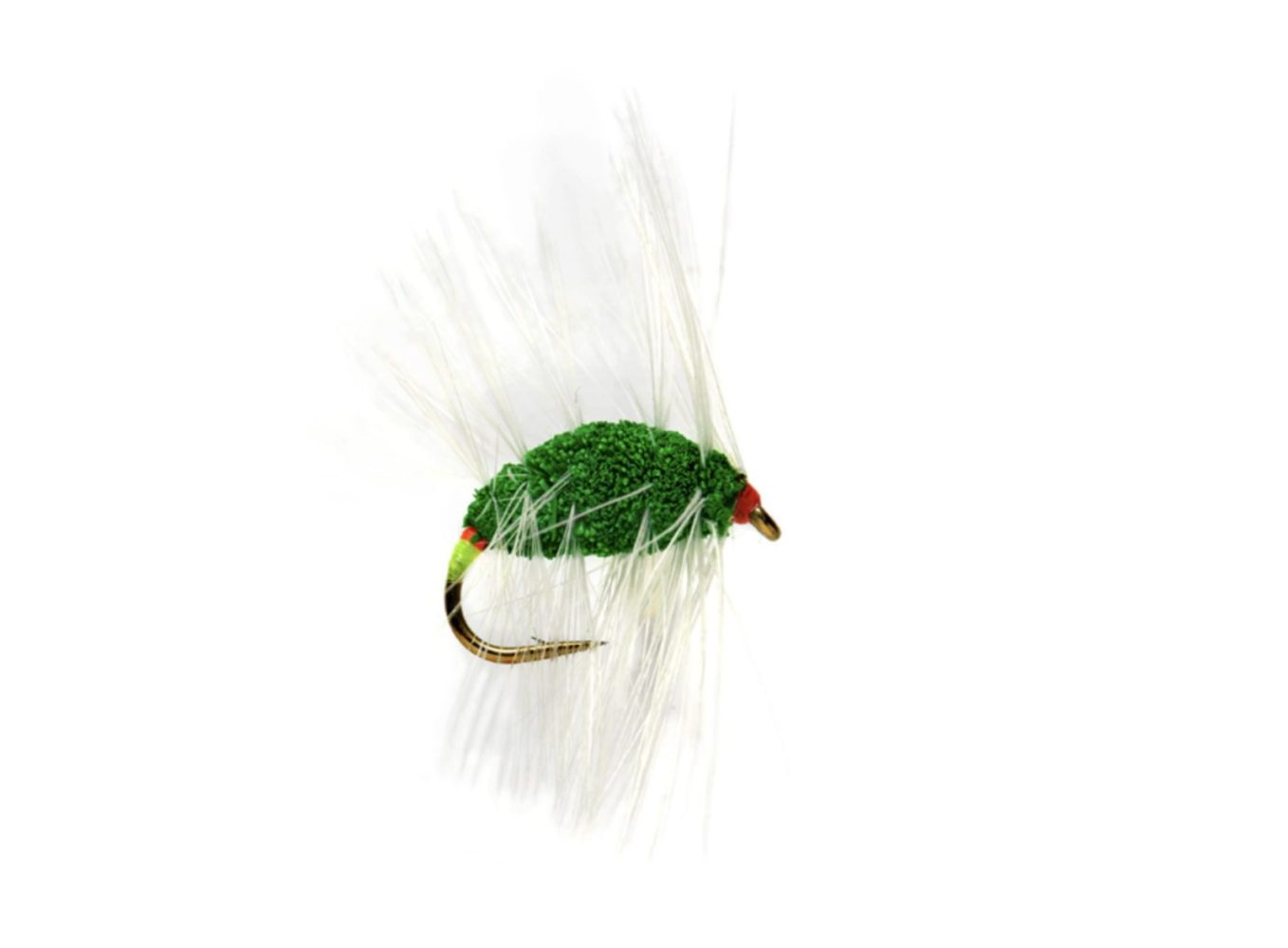
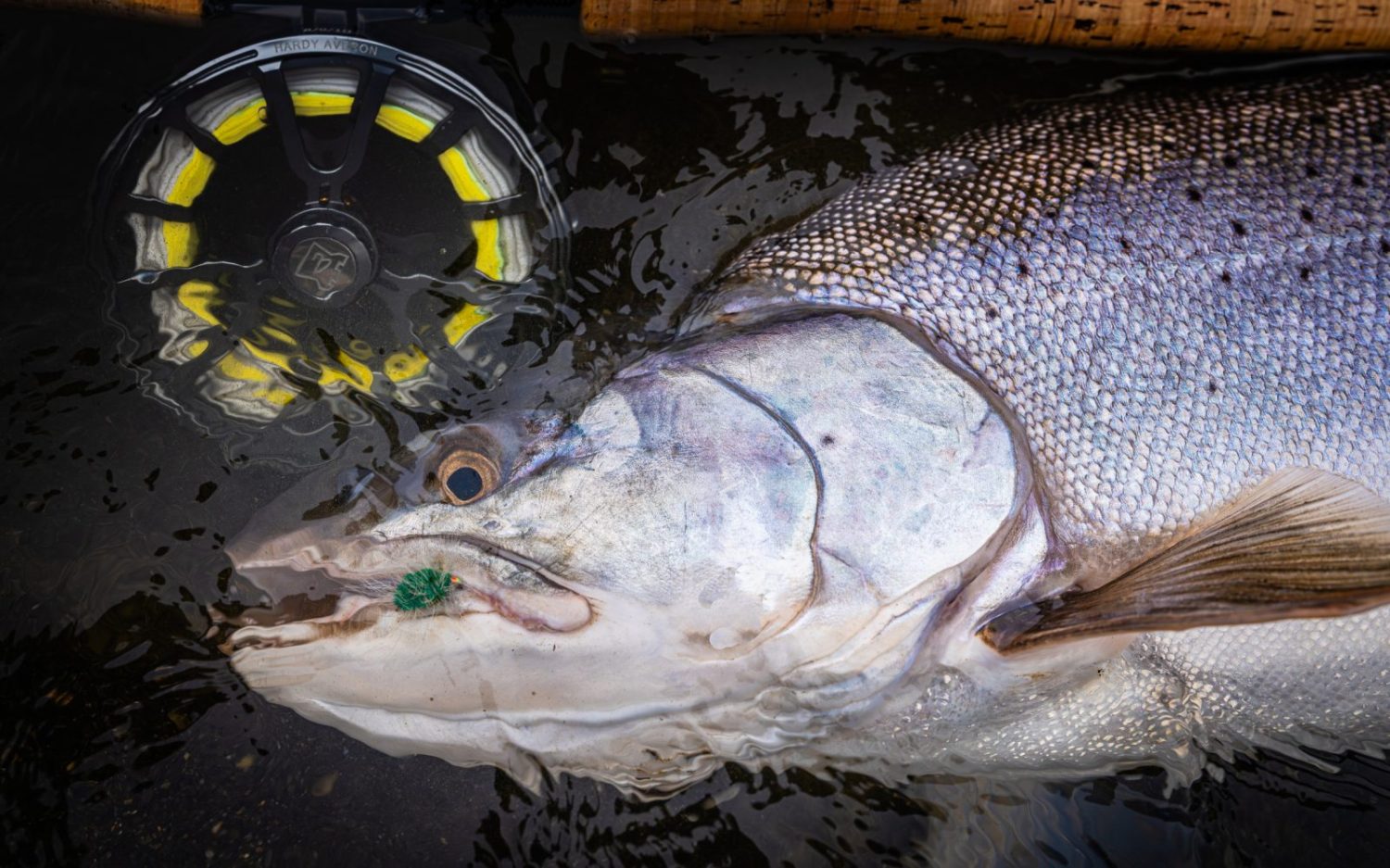
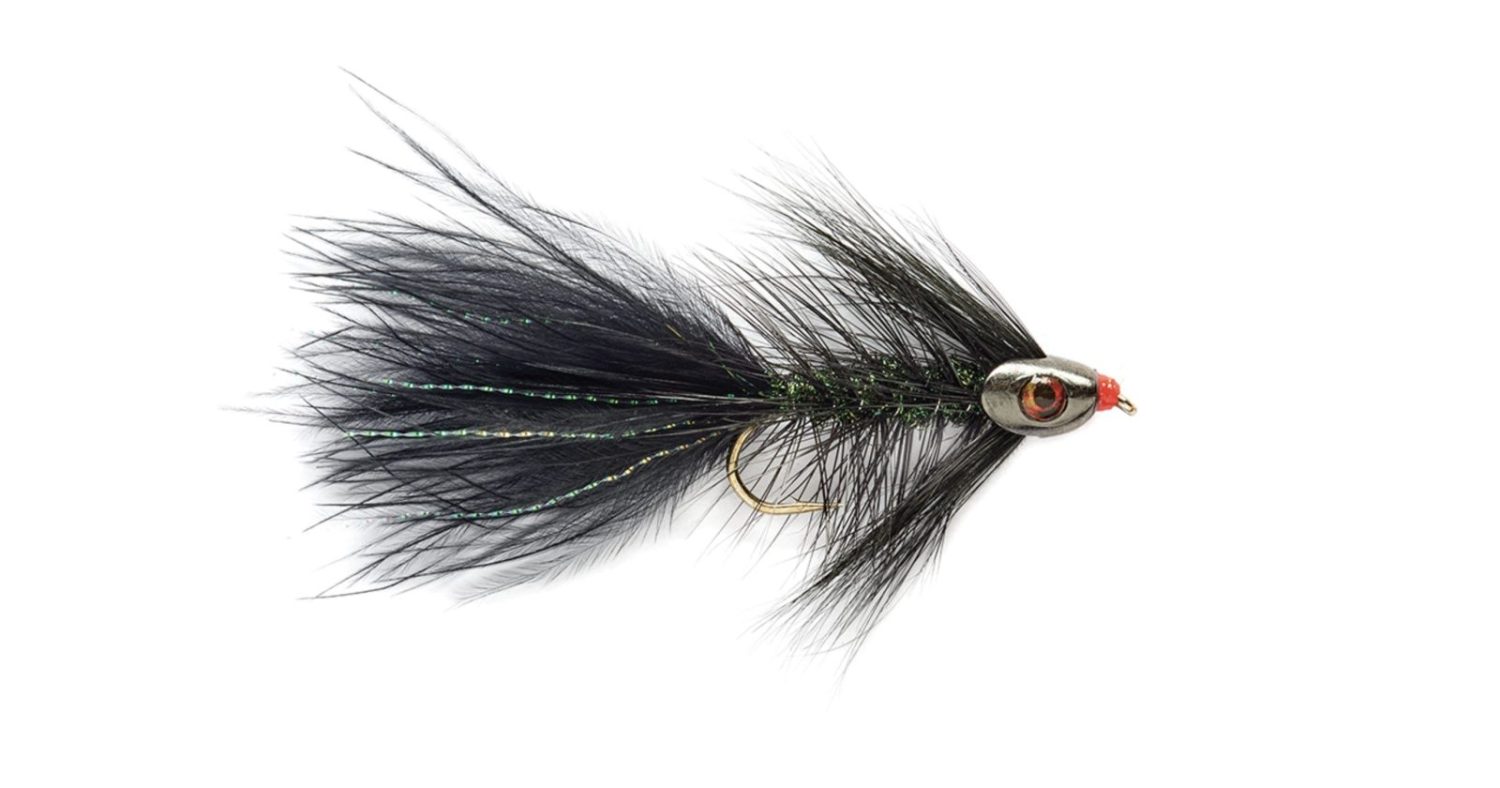
A large weighted woolly bugger, like a black Skullhead Woolly Bugger can also work well, particularly in higher water. As the air warms and the huge condors start to circle on the thermal currents, the fish start to roll in the pools, betraying their presence. If the swung flies cannot tempt them in the brighter conditions of late morning, a switch to dead-drifted small heavy nymphs like the RG Copper Prince can often bring results.
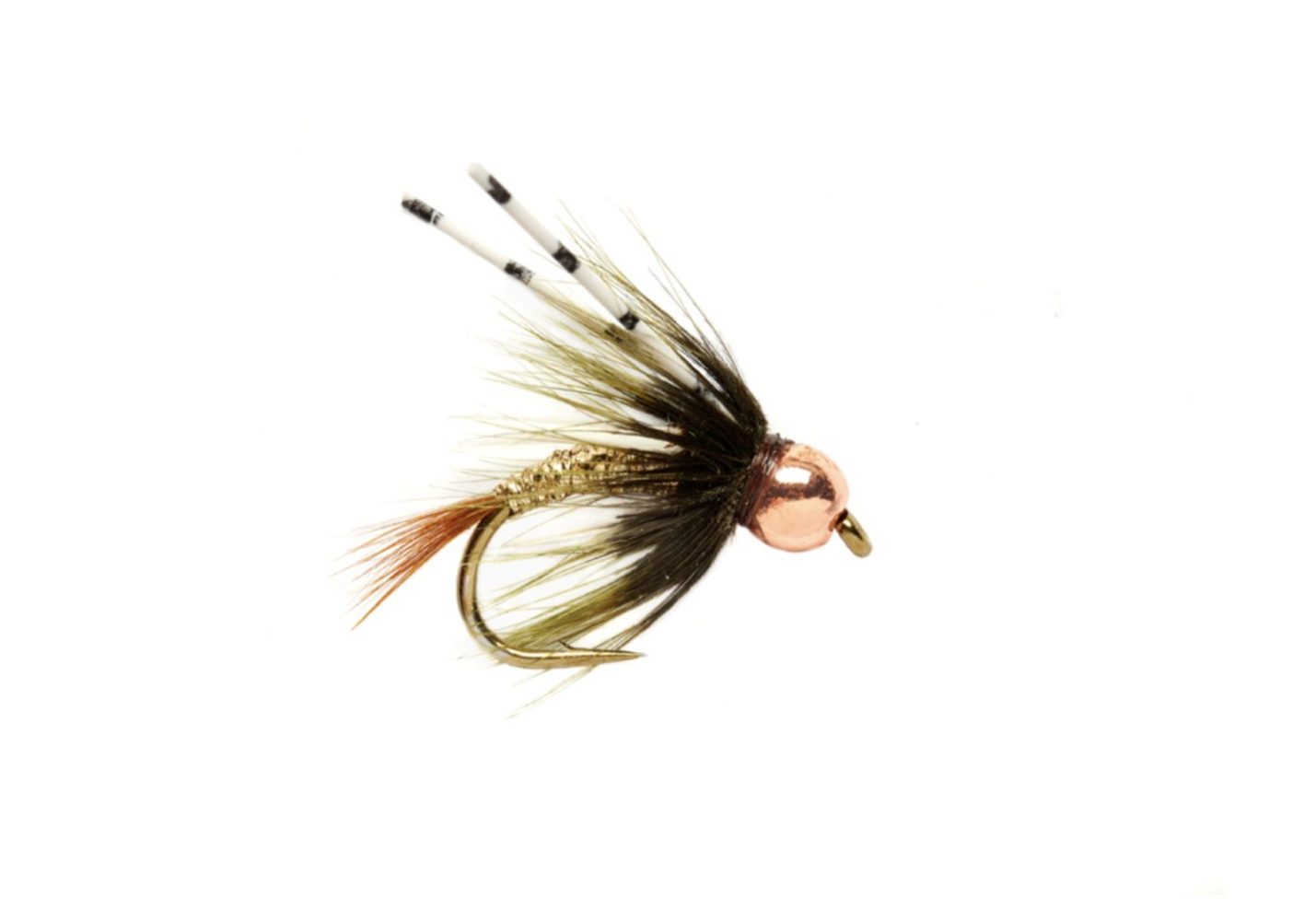
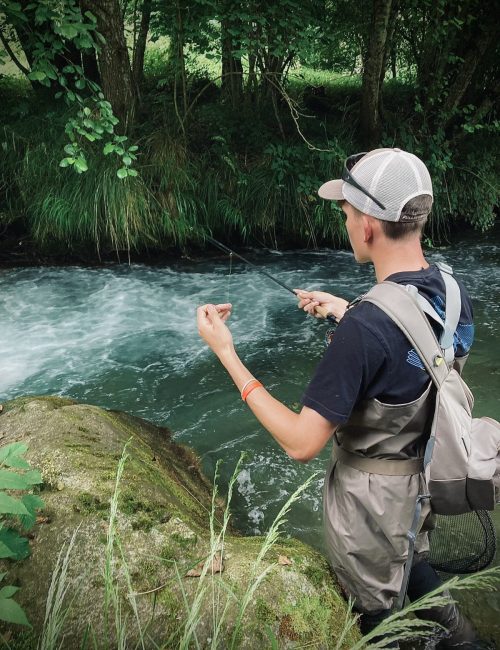
In the very deepest pools like Monetta on the lower river, French nymphing with a Hardy 11’2 0-2 weight rod, a long tapered leader and an ultra-heavy nymph like the Fire EMB can be devastating. The rod’s ultra-soft action allows the angler to cast the nymphs a surprisingly long way, and its forgiving action makes it almost impossible to break the tippet on even fish weighing up to and over 20 pounds.
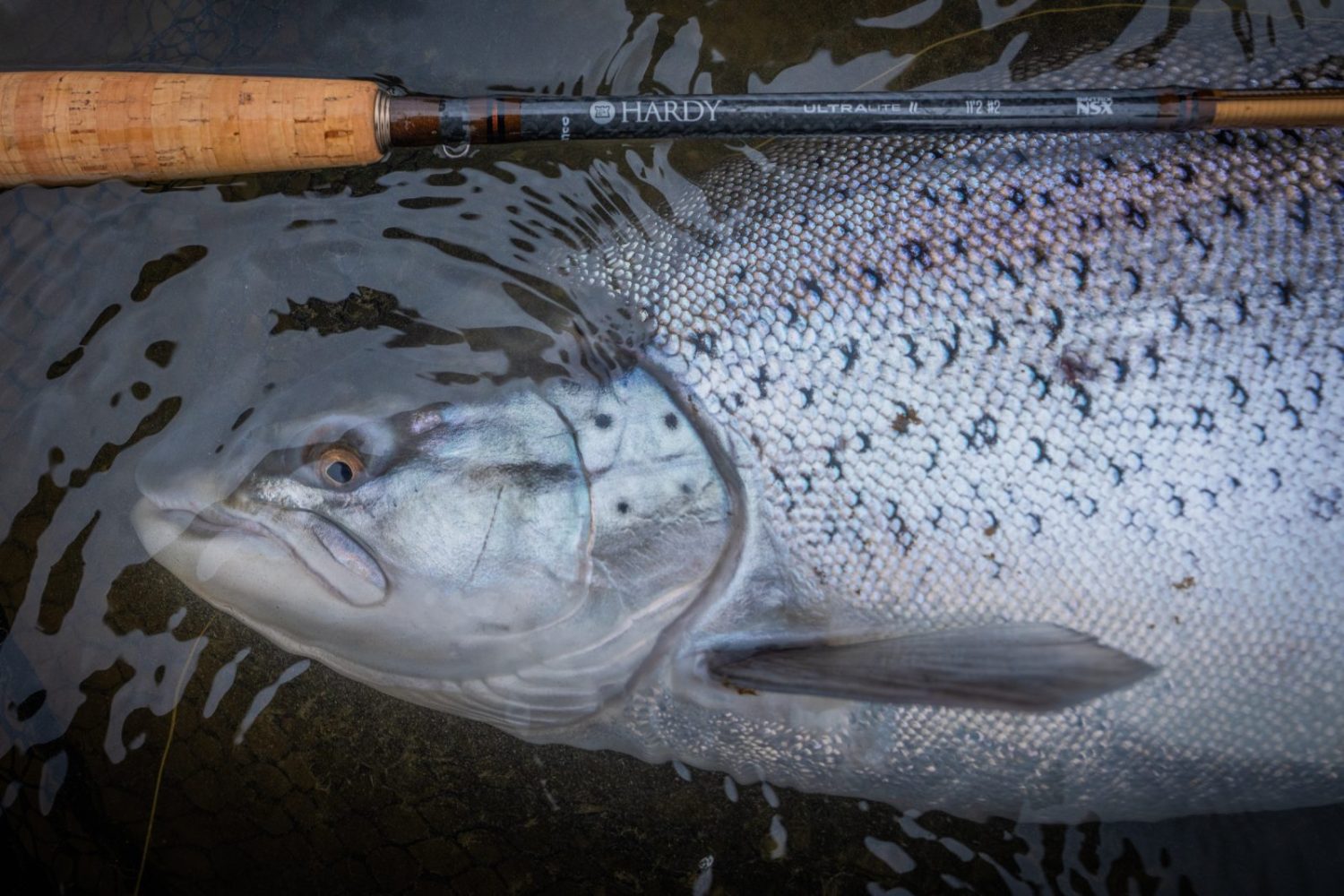
A word of caution – Use this fly sparingly, as they can sometimes be simply too devastating.
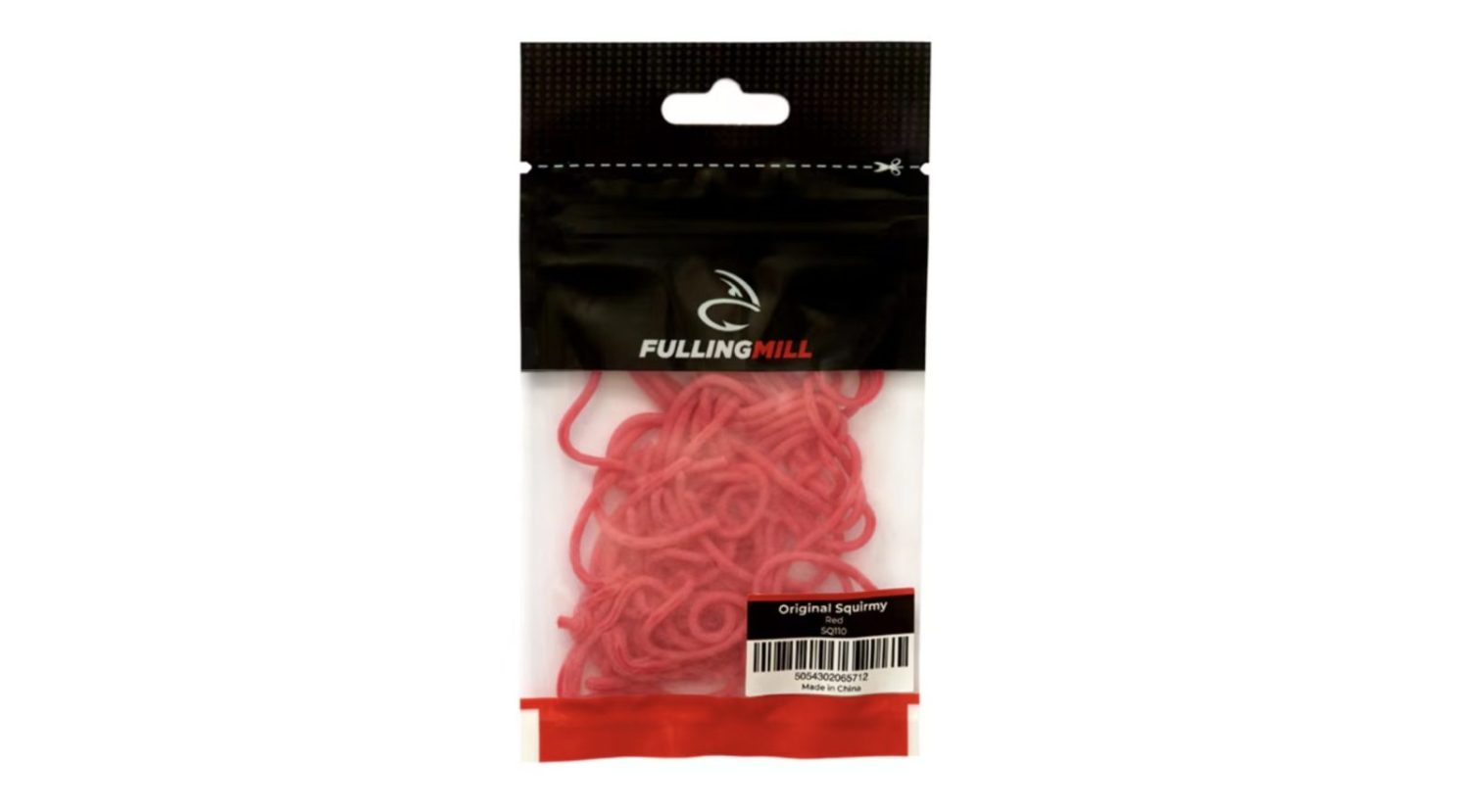
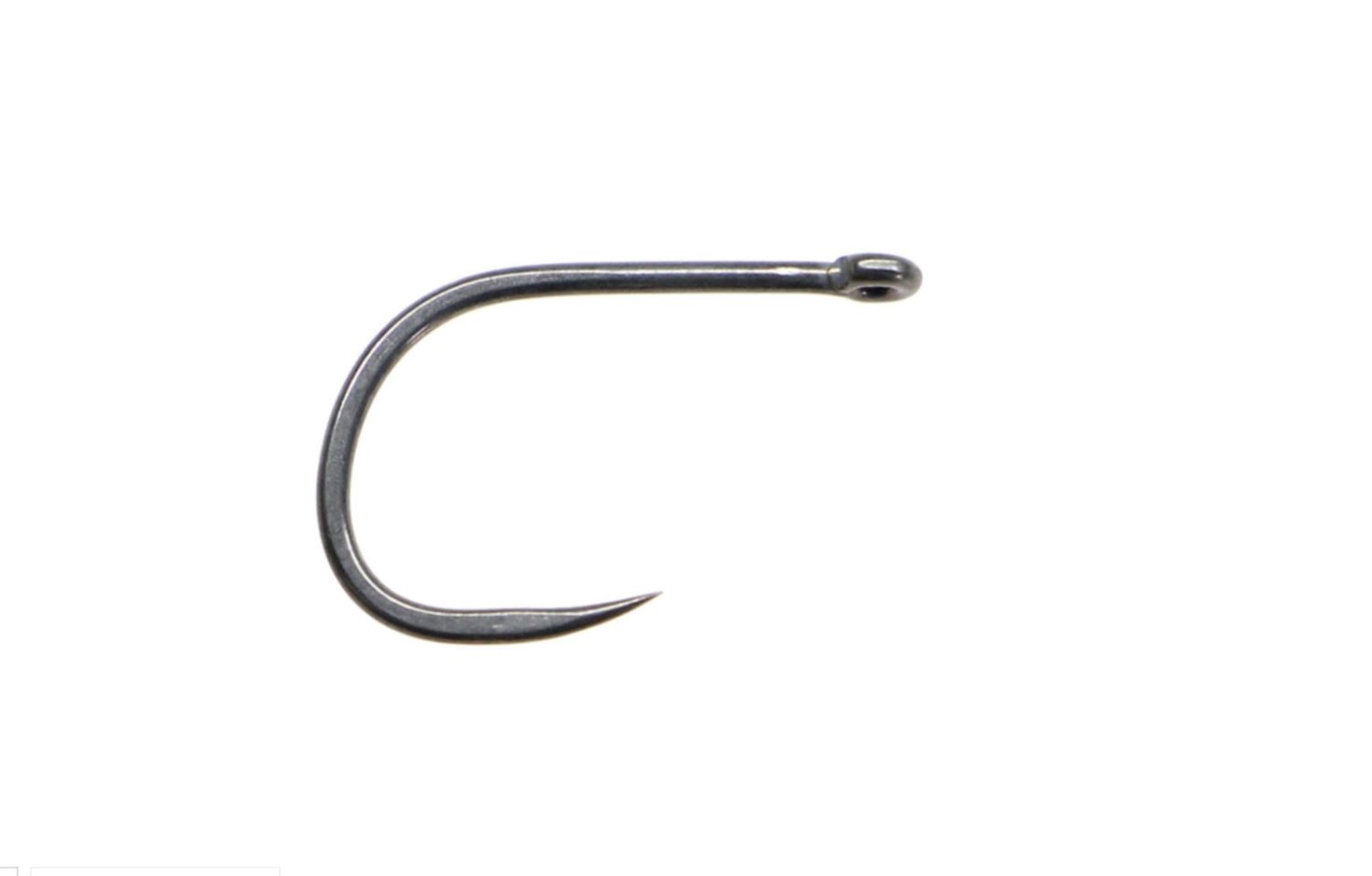
If the fish are proving difficult, a tungsten-headed squirmy wormy tied on a super-strong FM Carp hook will seduce and subsequently tame even the most stubborn fish in the pool.
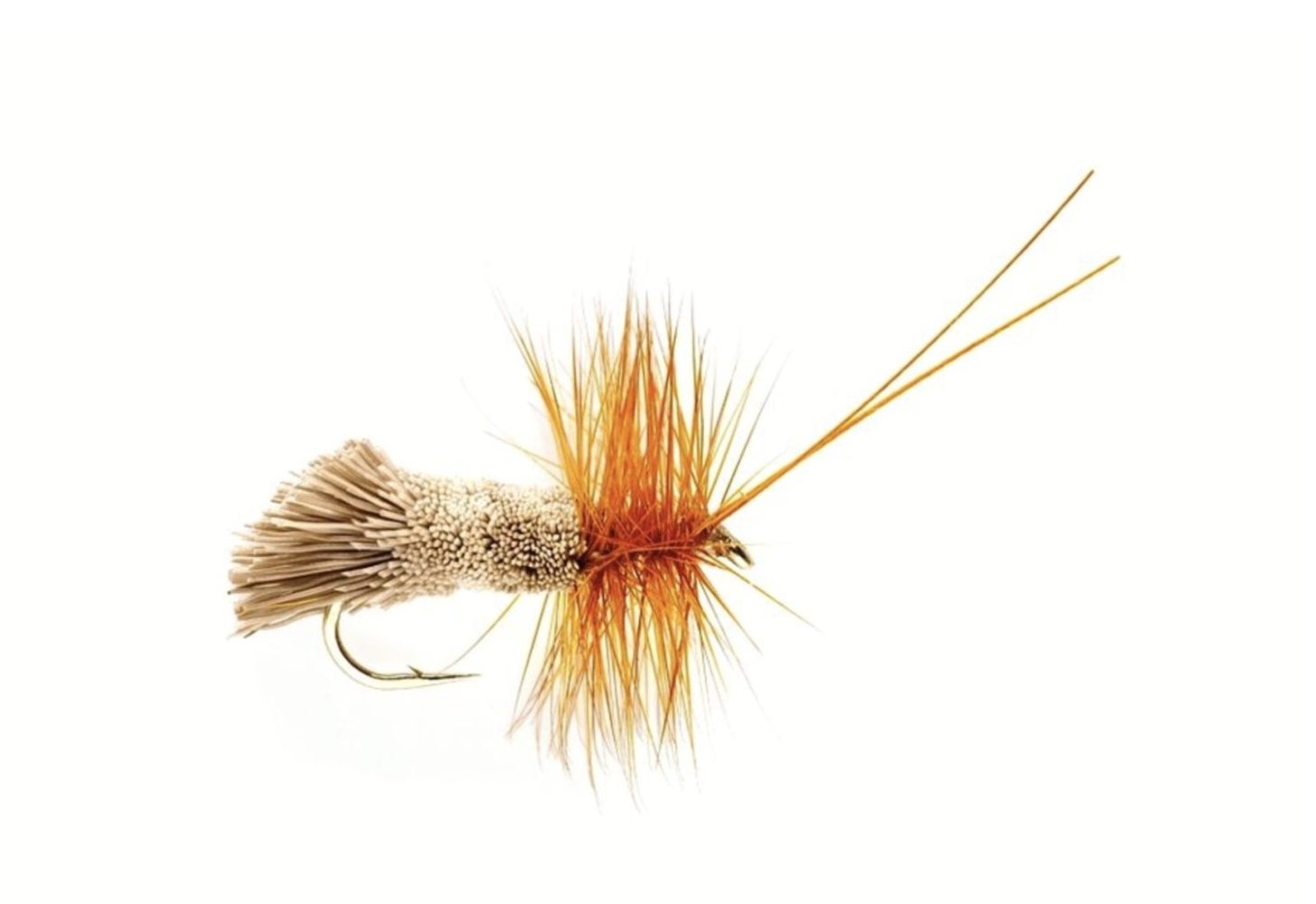
After a delicious asado, a big glass of delicious plum-coloured Malbec, and a well-earned siesta, it’s time to head back to the river. The long afternoons, when the wind drops, can provide some of the most challenging fishing. The fish often require some cunning, artfully presented flies to keep them interested. If you’re feeling adventurous, the big moths are flittering on the water, and the light is soft and forgiving on the eye, try a big dry fly.
I like a Goddard’s Sedge, and tie them on big single hooks up to size 4. The surface takes can be utterly astonishing and – to me at least – are worth a dozen fish caught on a sub-surface fly.
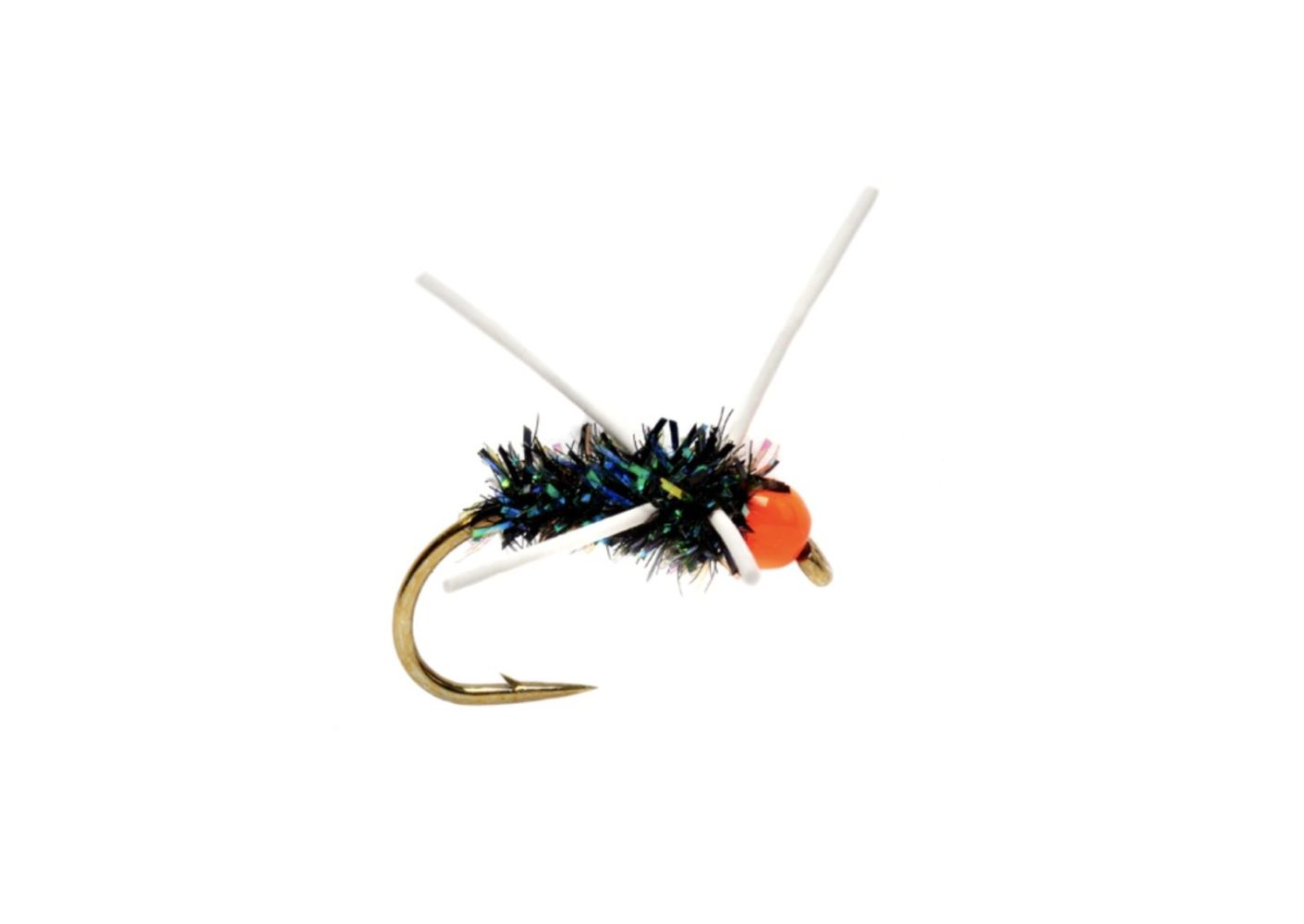
However, if numbers are your thing, and you want to keep the odds firmly in your favour, play it safe and go with tiny, rubber-legged nymphs like the Fire EMB, fished with long, oblique casts designed to land the heavy tungsten tip as gently as possible under the far bank. Walk the fly three steps downstream on a dead-drift to sink it into the slot before your sudden halt swings them tantalisingly away from the fish. It can be an absolutely killing technique.
The Final Hour
The whole Río Grande experience is utterly addictive, but most of all, I cherish the last hour. No matter what kind of a day you’ve had – and this feted river can throw up the odd hard day, like any other – the last hour almost always gives you a chance.
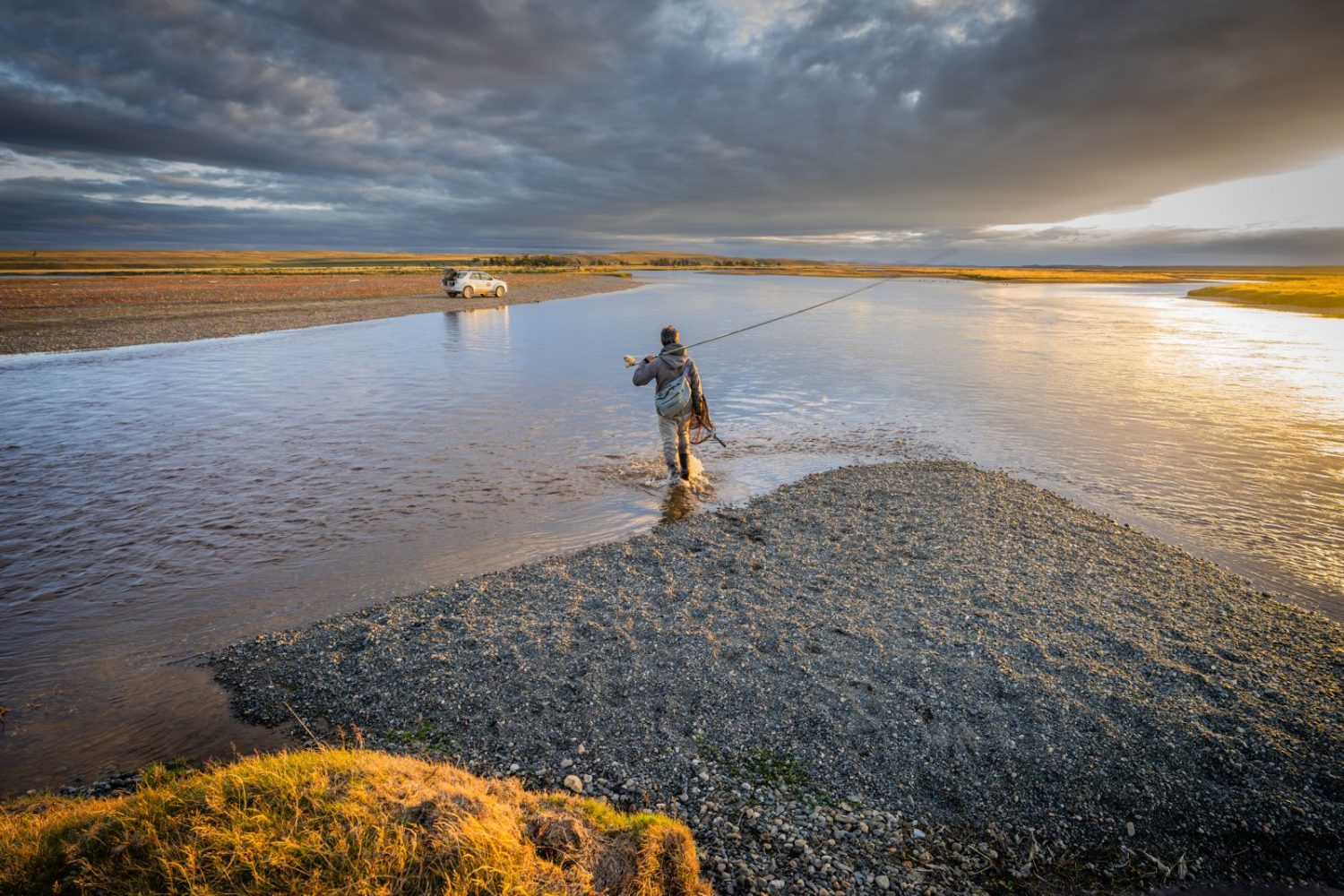
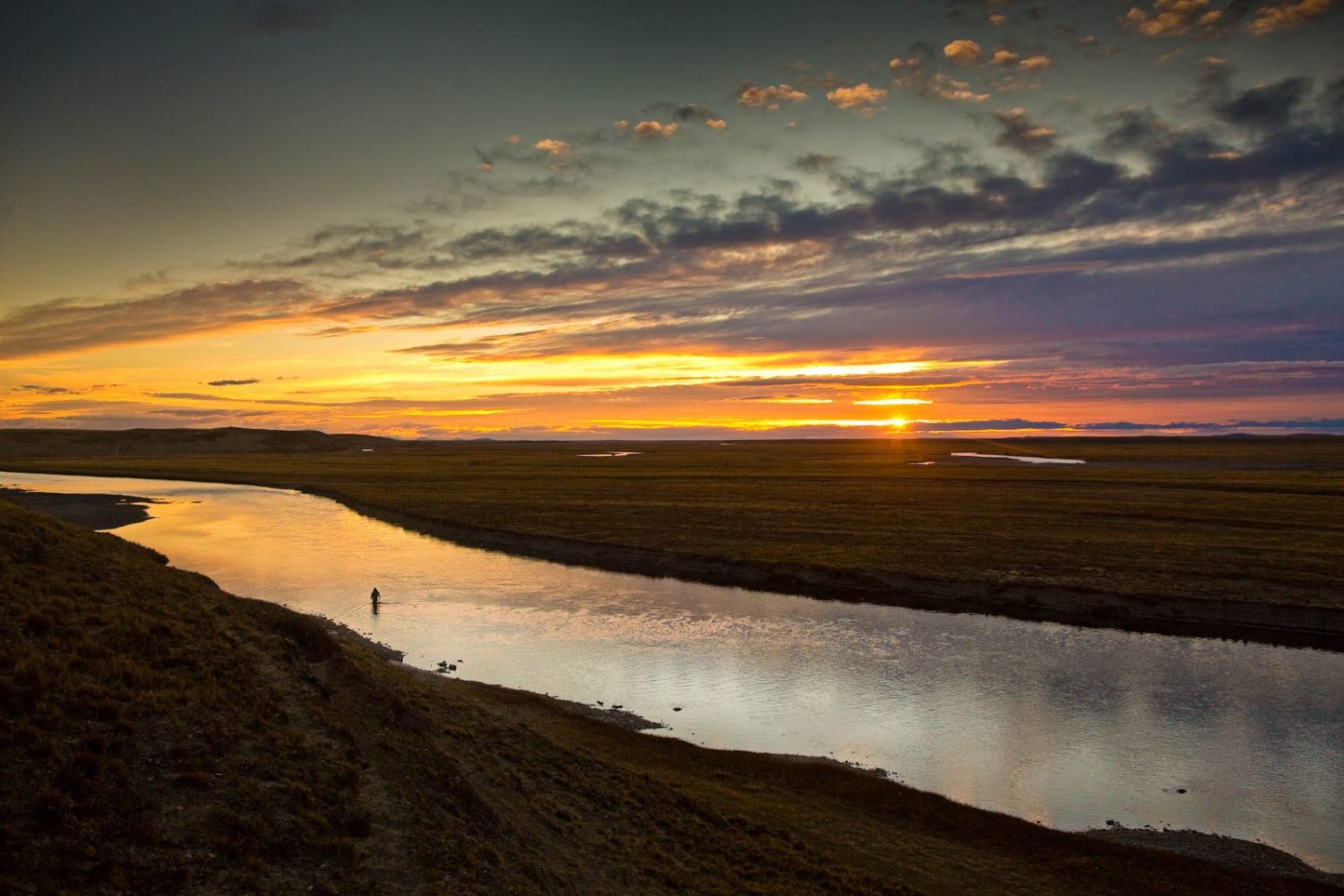
As the sun starts to sink behind the jagged teeth of the Andes, way off to the West, and the wide evening sky fires up into a sunset that would make JMW Turner blush, its time to put that light, nymphing set-up back on the truck and reach for the big guns. Loop on a heavy tip, tie on a stout tippet, and fish out something BIG and BLACK. My favourites are the Fire Leech and the Gato Negro.
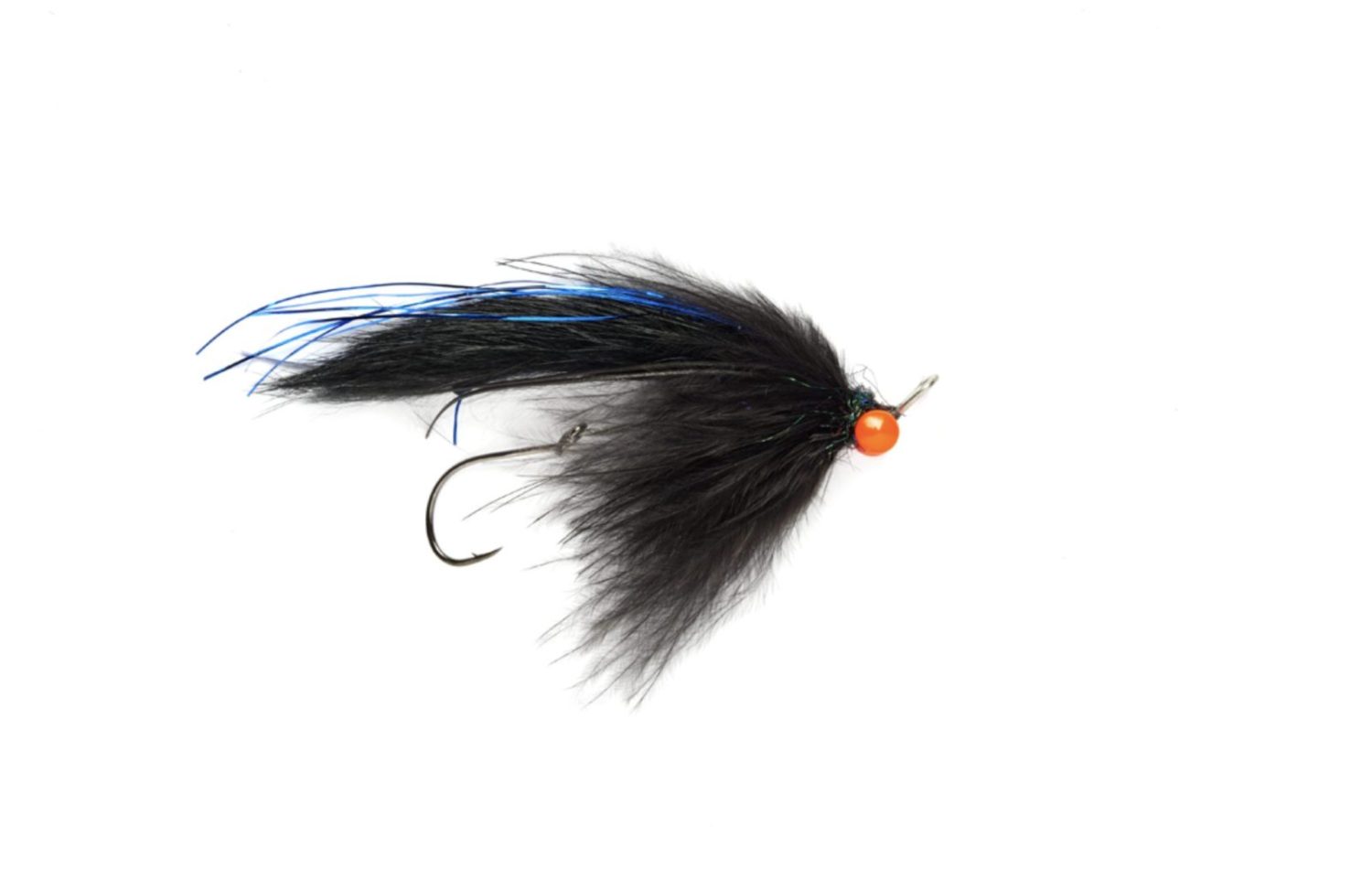
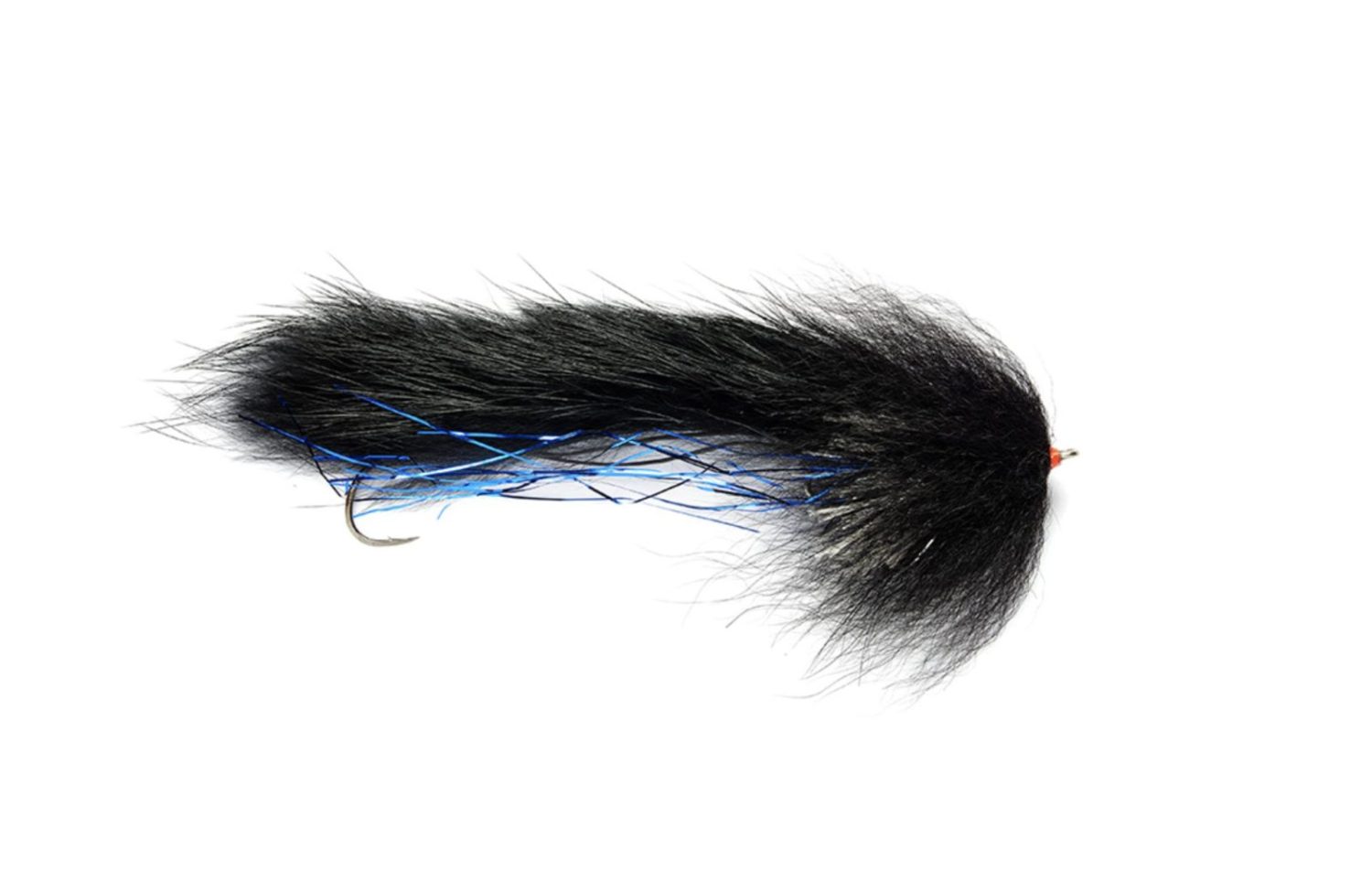
If the evening is cold and fish are quiet, fish the weighted Fire Leech, which gets down quickly and will often provoke a savage reaction. However, if it’s one of those special warm nights when the seatrout of your dreams are splashing around in the gathering gloom, tie on the unweighted Gato Negro on a full floating line. Those warm nights are the best.
Evening Turns to Night
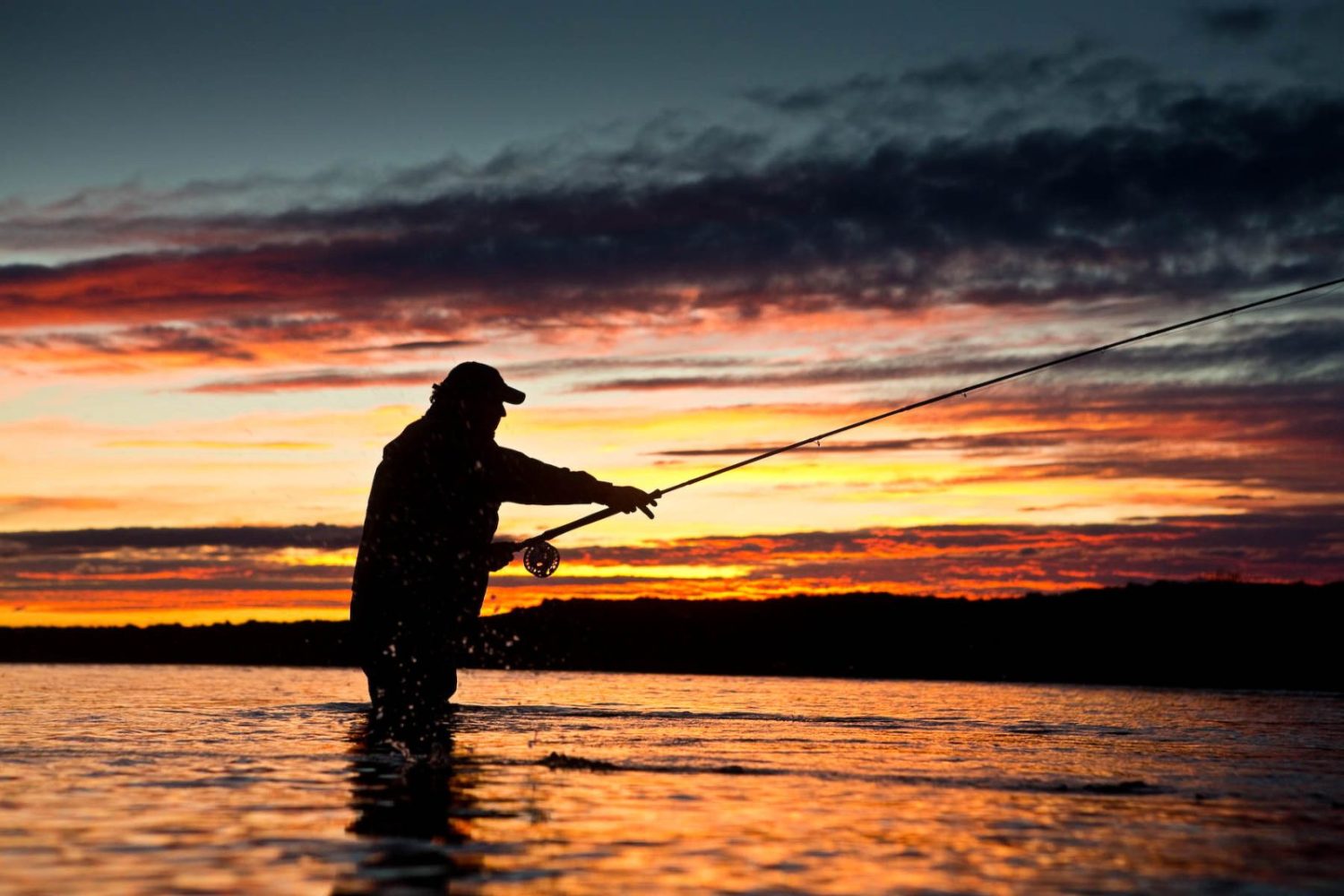
As the light ebbs from the sky, and the stars of the Southern Cross start to twinkle overhead, the big fish will start to roll in the inky shadows beneath the cut-bank. Keep your wading to a minimum and aim to put your cast as close to the far bank as you dare – no easy feat in the gathering gloom. Make a mend upstream and then simply wait for that savage freight train of a take that is surely coming your way.
As the line is suddenly wrenched from between your fingers, and the backing goes hissing up through the guides, your heart will leap up into your chest. Everything stops and then the huge fish leaps up into the last dying embers of the Western sky. It’s twenty pounds and more, chrome bright and as wild as the Patagonian wind. Hold on tight, say your prayers – and know that you are in sea-trout heaven.
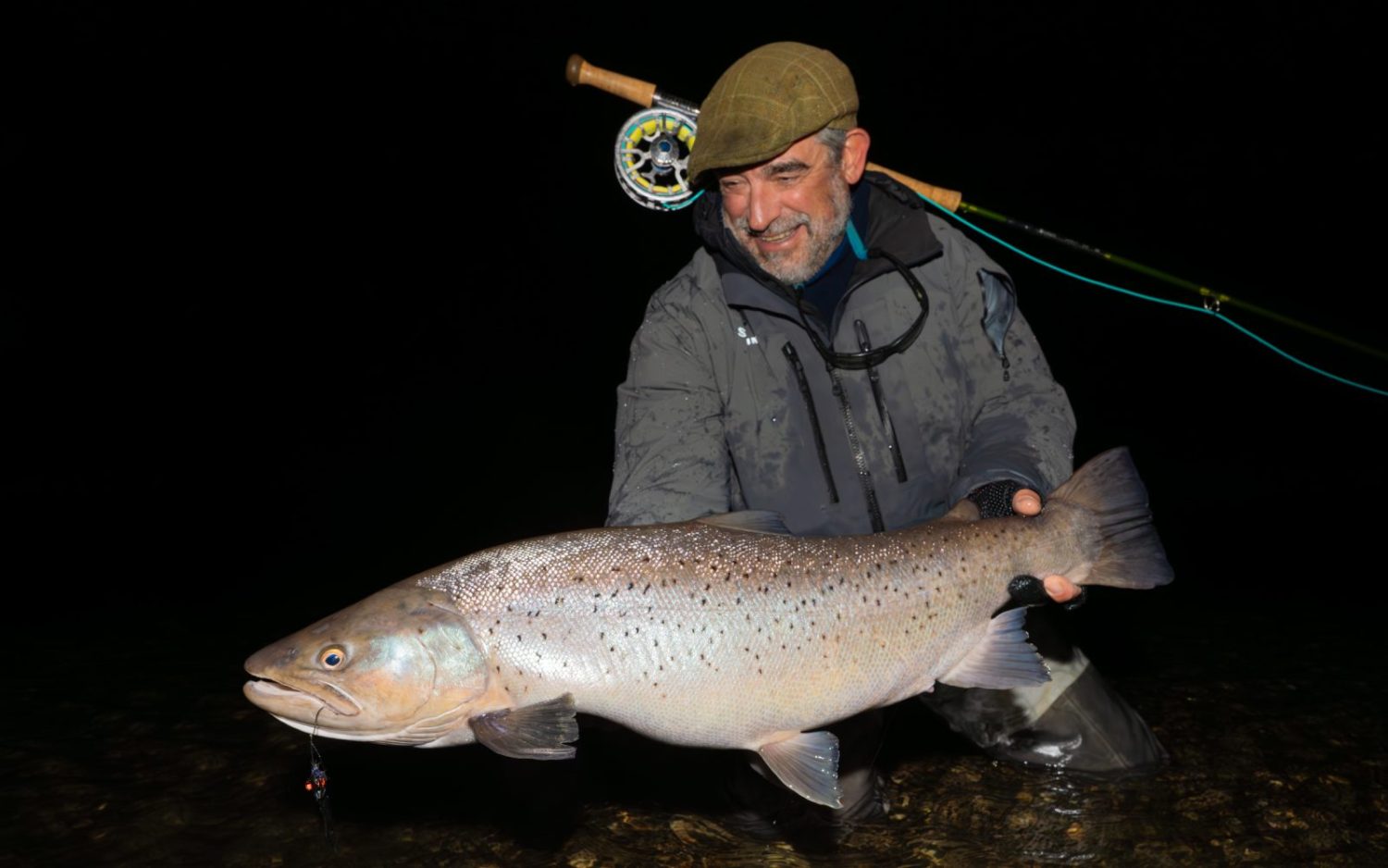
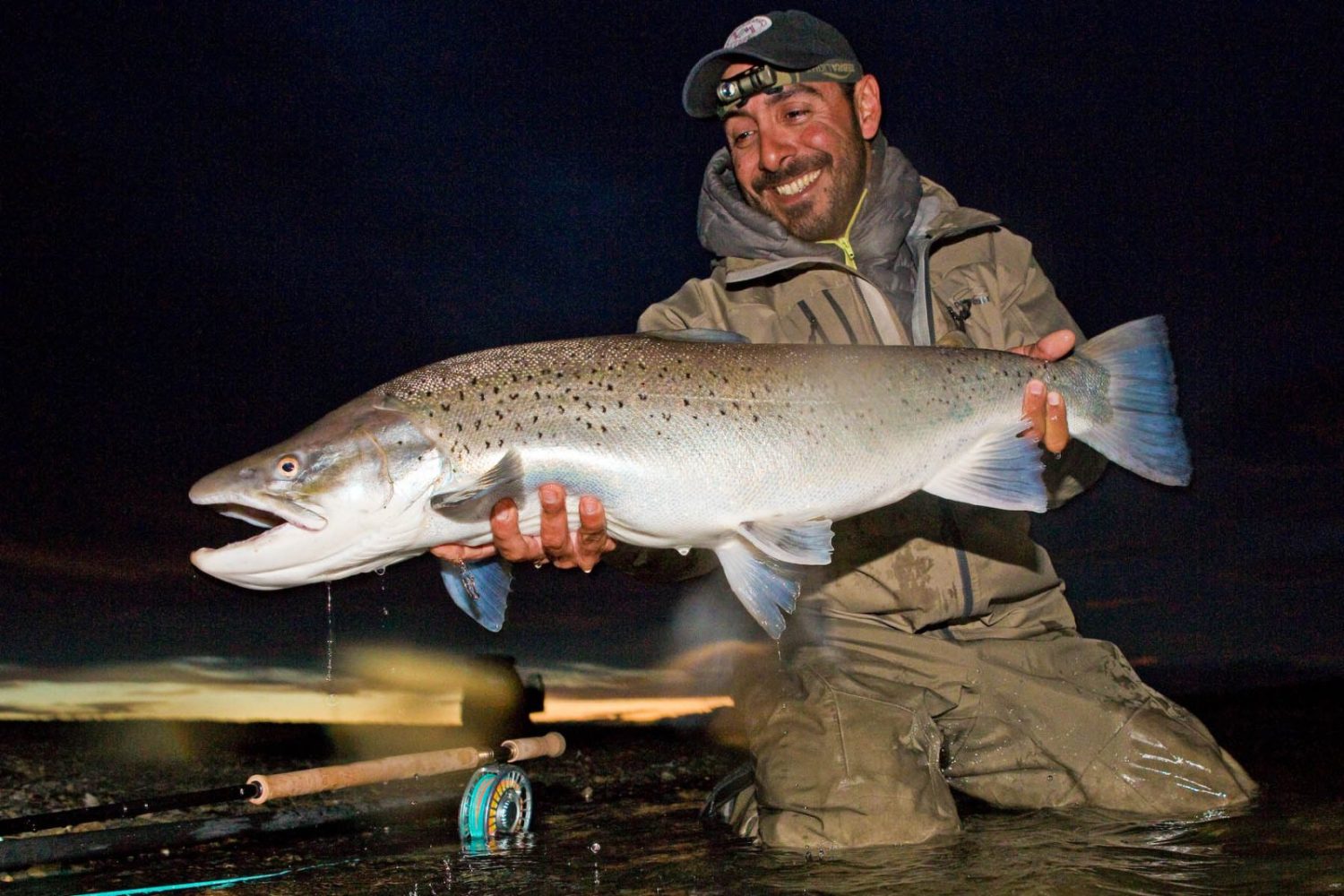
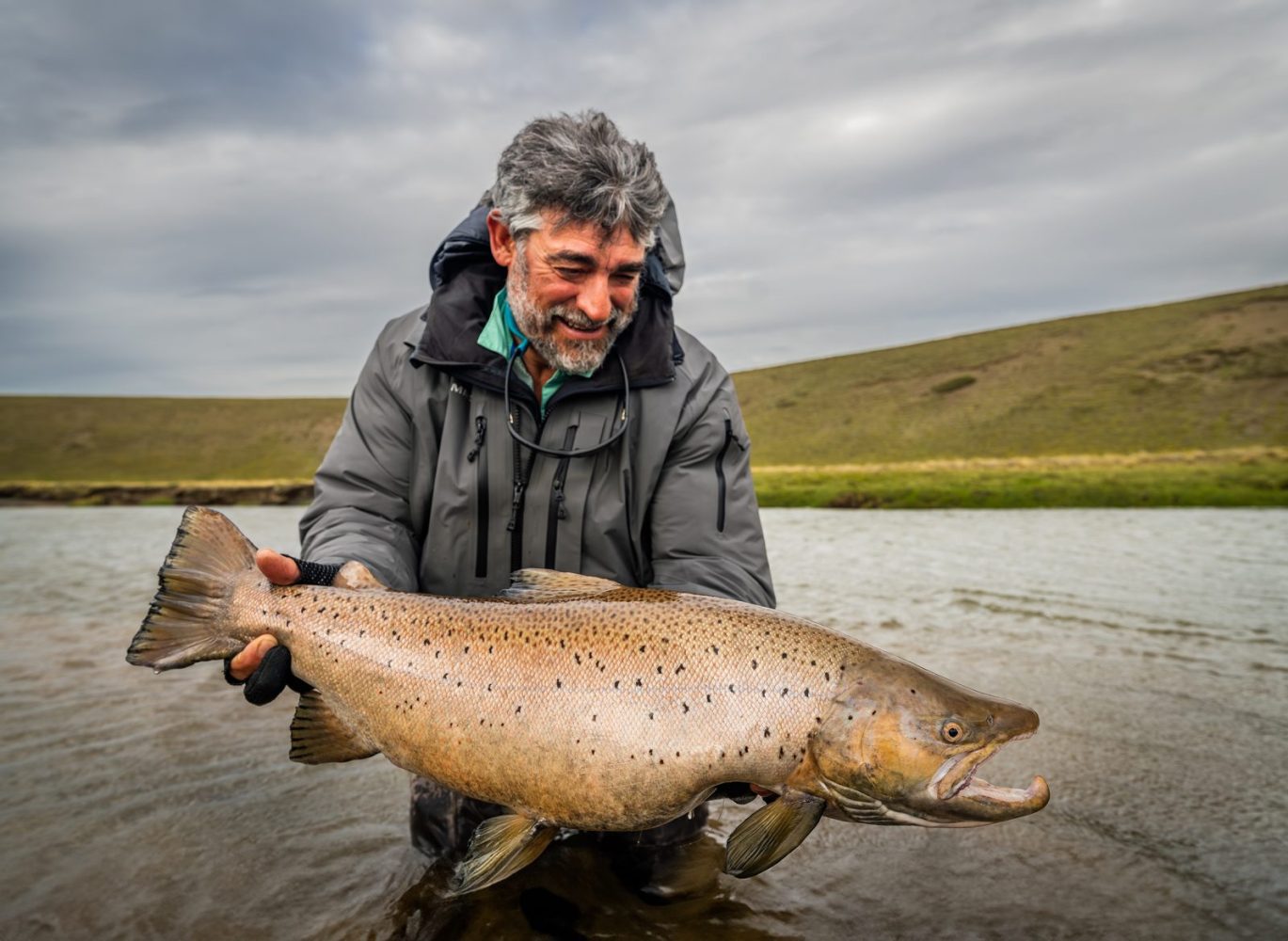
Matt Harris and Francisco hold up their sea trout for a quick photo.
I often smile when I think back to memories of that innocent, wide-eyed young man, trembling with disbelief as he realises with barely containable excitement that he is attached to that huge silver sea trout cavorting upstream. For over a quarter of a century, I have fished the Río Grande, and I still love it every bit as much as I did on that first special day with Francisco. I hope that I am lucky enough to step into this special river again for many years to come…




)