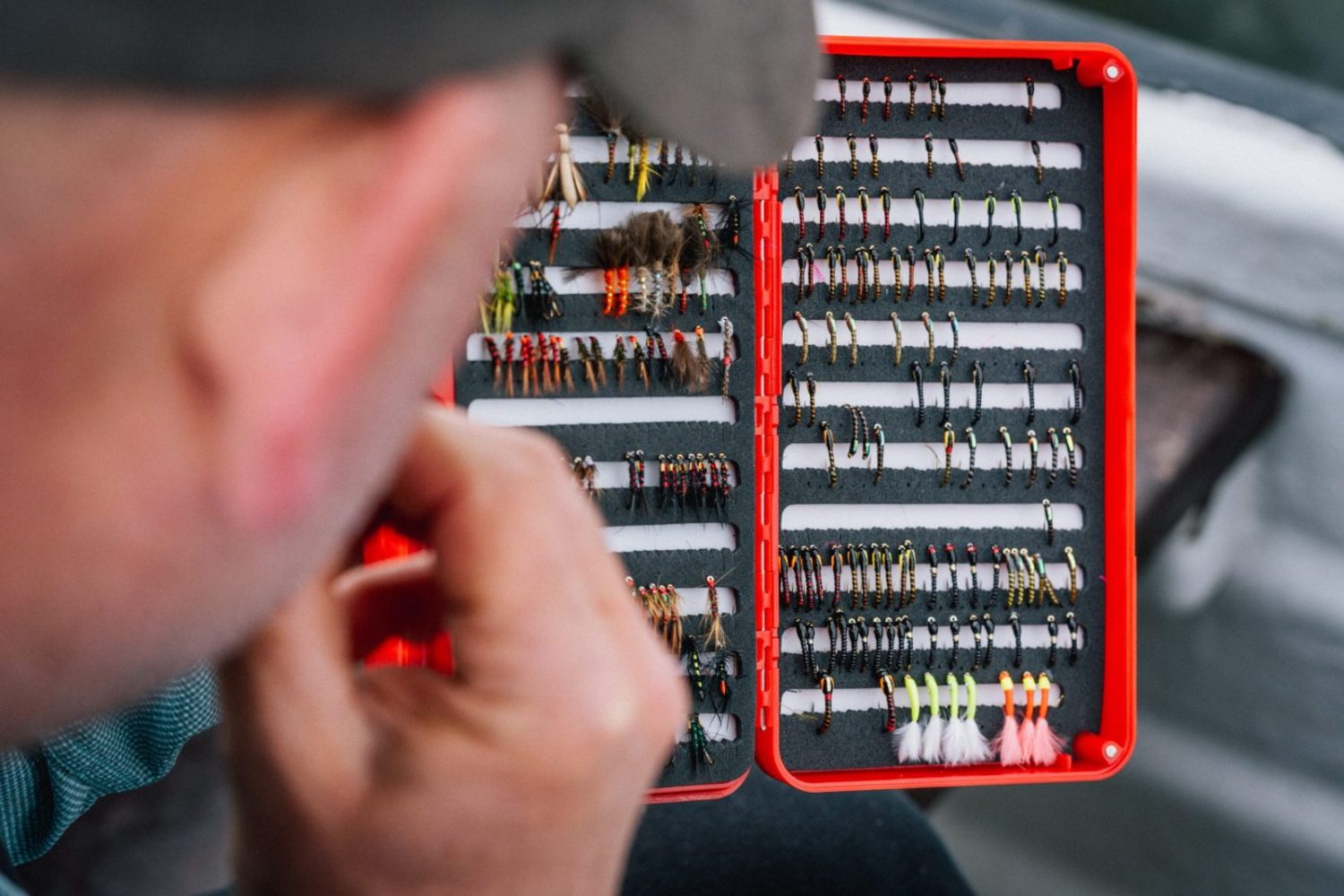
The warmer months of April and May present anglers with the best and most consistent nymph fishing of the season. Spring has arrived, and with it come hatches of buzzer on our stillwaters and reservoirs. Trout are always quick to feed on any plentiful food source. This presents us anglers with an ideal opportunity to catch grown-on resident fish.
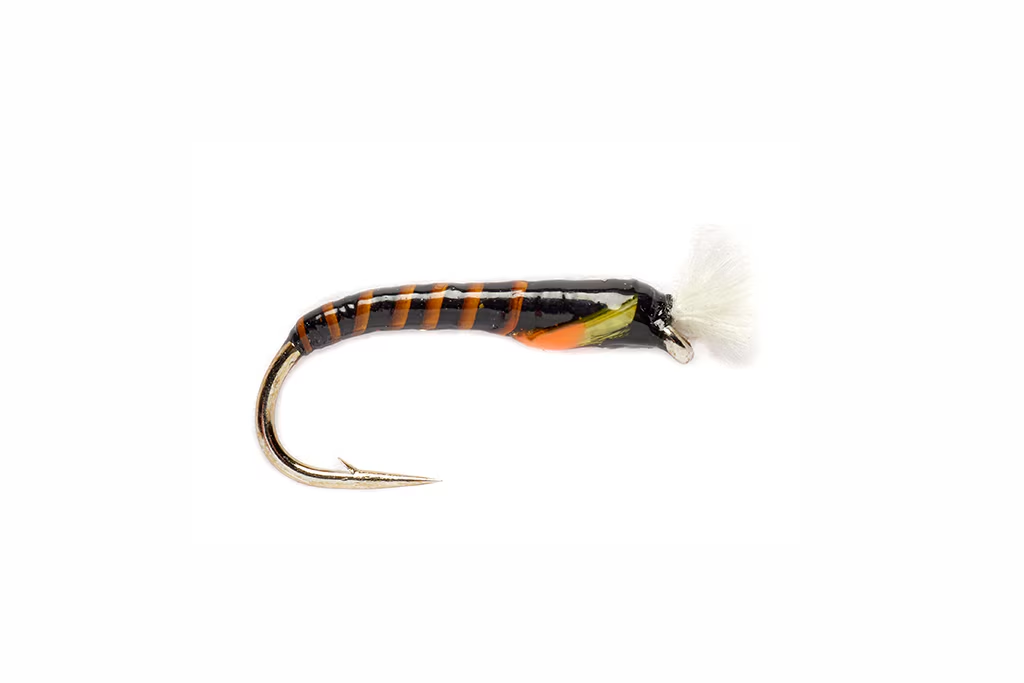
A good buzzer fishing pattern should be lifelike and realistic, while still having a subtle target point to attract fish to your fly. Make it stand out from the thousands of natural nymphs in the water, yet remain lifelike. Key features include a segmented body and wing cases. I add subtle target points to the wing buds or thorax covers, i.e. my “Two Tone Quill Buzzer“.
Stillwater Methods for April and May on Small Stillwaters and Reservoirs
There are essentially two methods you should consider: “straight line nymphing” or “fishing under an indicator.” Remember to keep things simple and aim for good presentation. When fishing slowly or statically, as the fish have more time to inspect your flies and leader. When straight line buzzer fishing, I fish three flies on a 12-15 ft leader of 7.12 Ib Masterclass Fluorocarbon. Space your flies equally apart (4 or 5 ft). This will allow your flies to be suspended over a variety of depths and increase your chances.
Fishing Under the Indicator
When fishing buzzers under an indicator, two flies fished at 4 ft and 8 ft is usually a great starting point. I always place my brightest nymph pattern on the top dropper. This will attract and pull fish to your flies, as the target point often catches the sunlight. Any fish investigating your pattern from the depths must swim past your more natural flies on your cast twice (on the way up and on the way back down).
Straight Line Buzzer Fishing
When straight line buzzer fishing, I simply make a medium-length cast and leave everything static for 15-20 seconds. This will allow the flies to sink to optimal depth. I watch the forward third of my fly line in case it suddenly straightens. If this happens, it indicates that a fish has taken the flies “on the drop” — if so, strike.
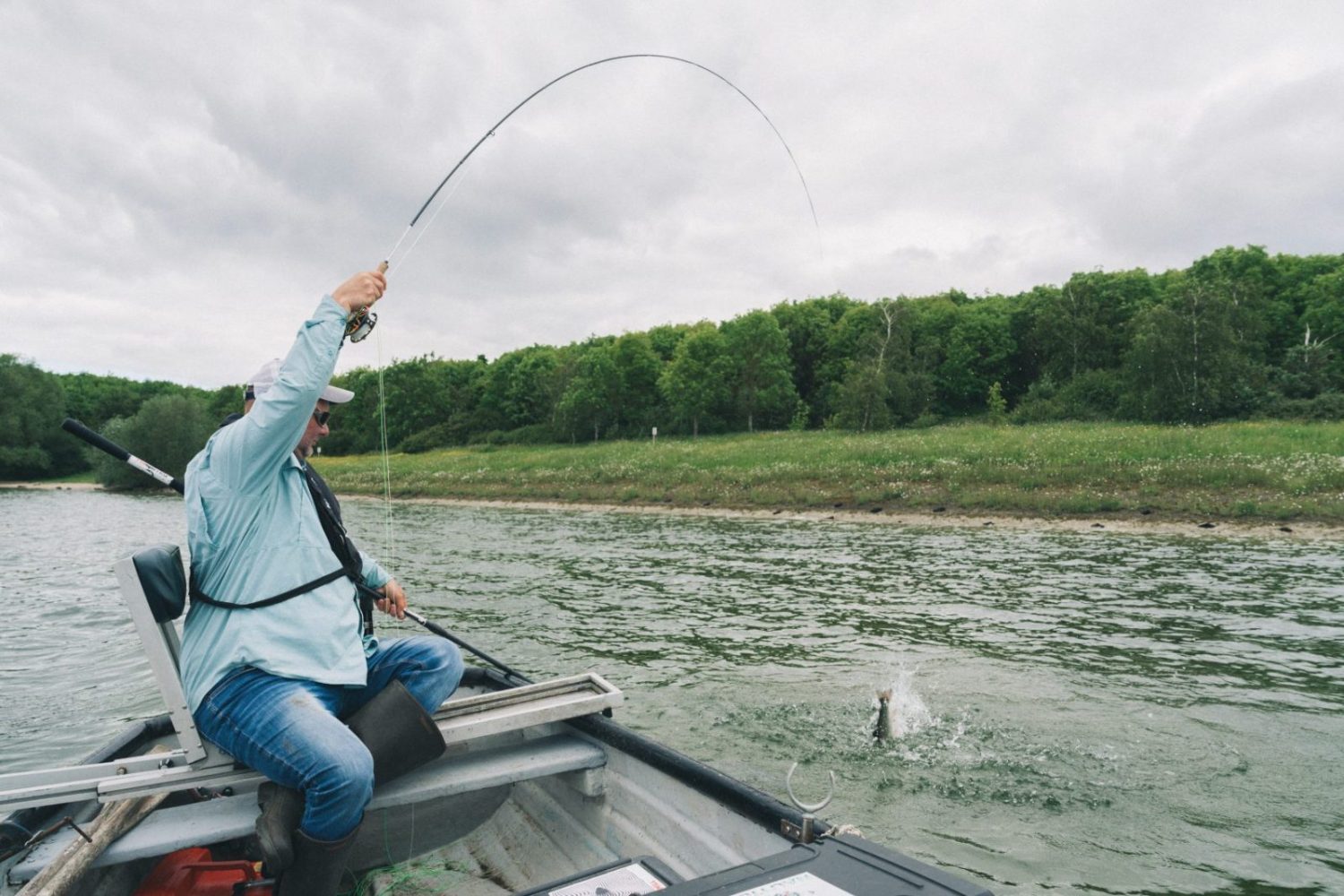
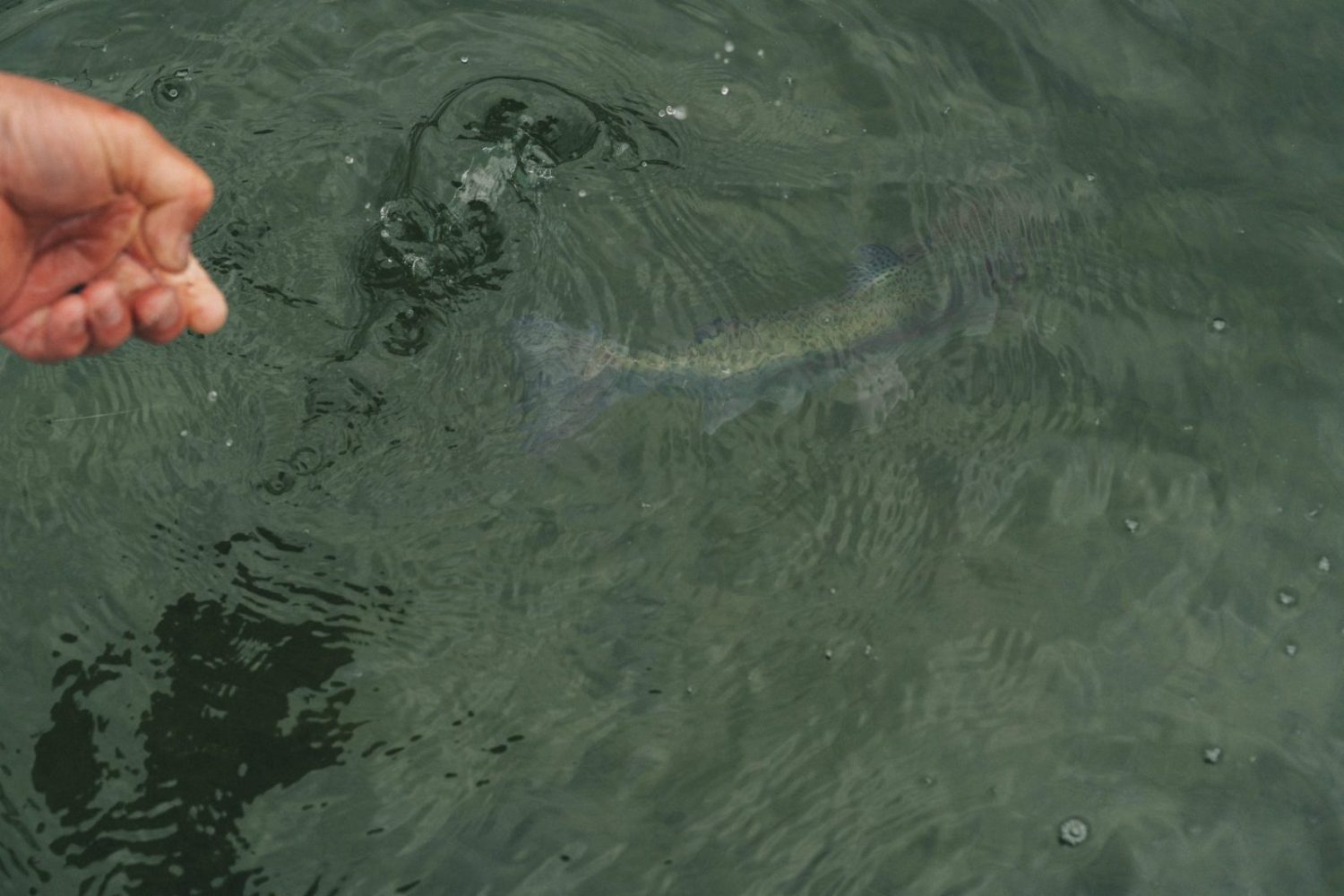
Once the flies have all sunk and are vertical, slowly figure-of-eight 2 ft of fly line, then pause for 10-20 seconds, keeping in contact with your flies. This does two things. First, it raises all of the flies in the water as you retrieve, then lets them fall again on the pause – just as the natural nymph rises and falls in the water depending on surface tension, underwater currents, etc.
The best area of water to fish is usually 8-40 m off the bank, at a depth of approximately 8-16 ft, depending on the temperature of the water, underwater currents, etc. The nymphs will be at a range of depths throughout the day, which is why trout feed at a variety of depths. During April and May, it’s usually best to fish a range of depths rather than concentrating all your flies in one zone, i.e., when fishing the “Washing Line” method.
Rob’s Preferred Patterns
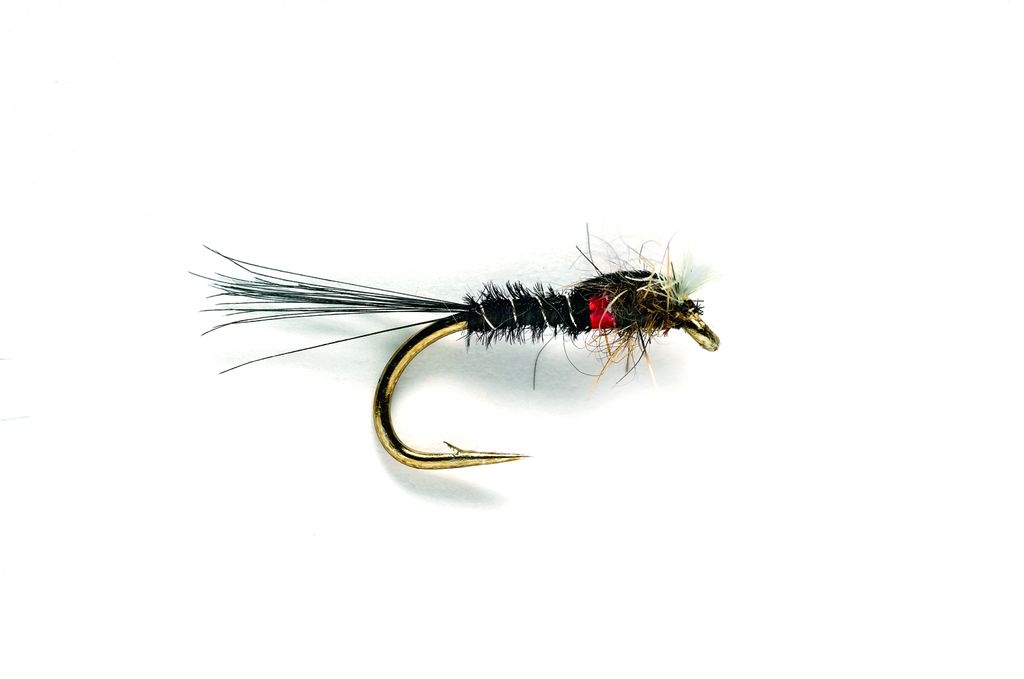
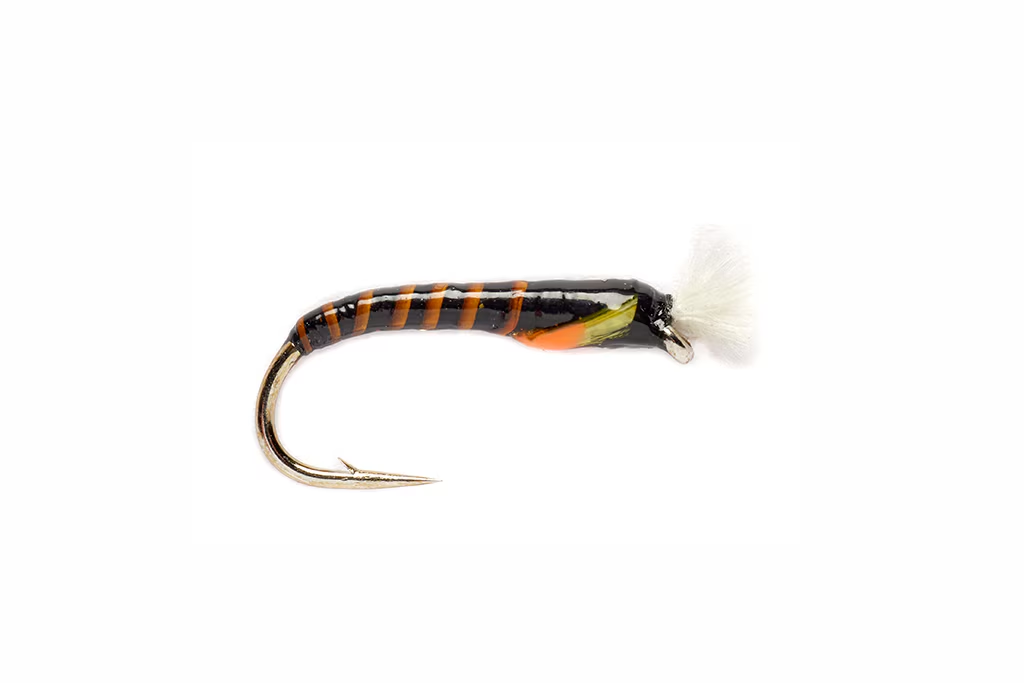
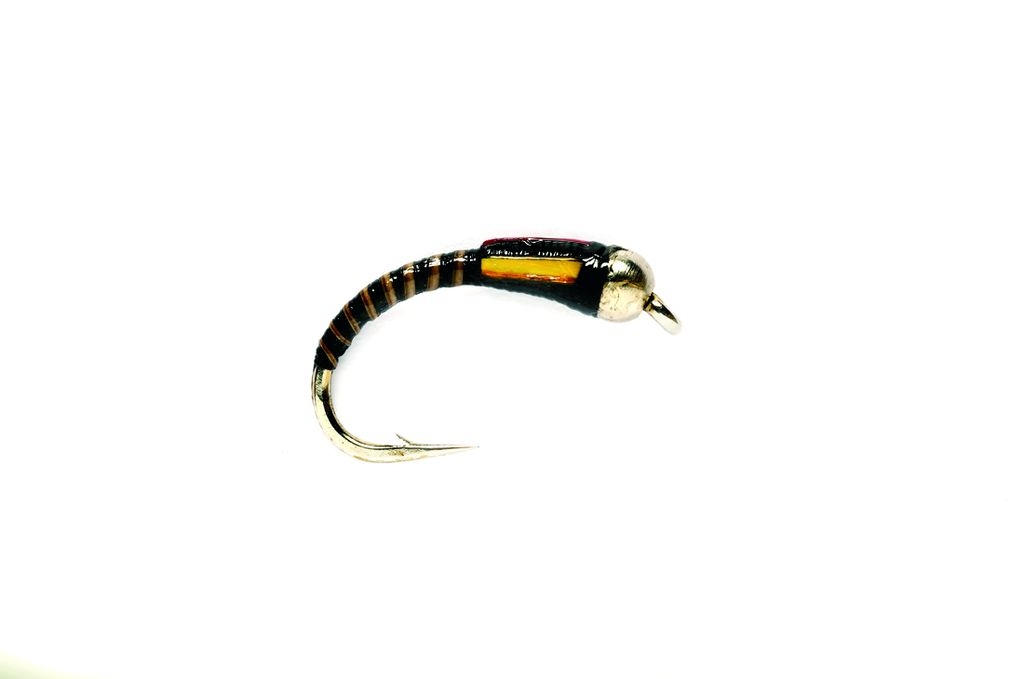
Traffic Light Black
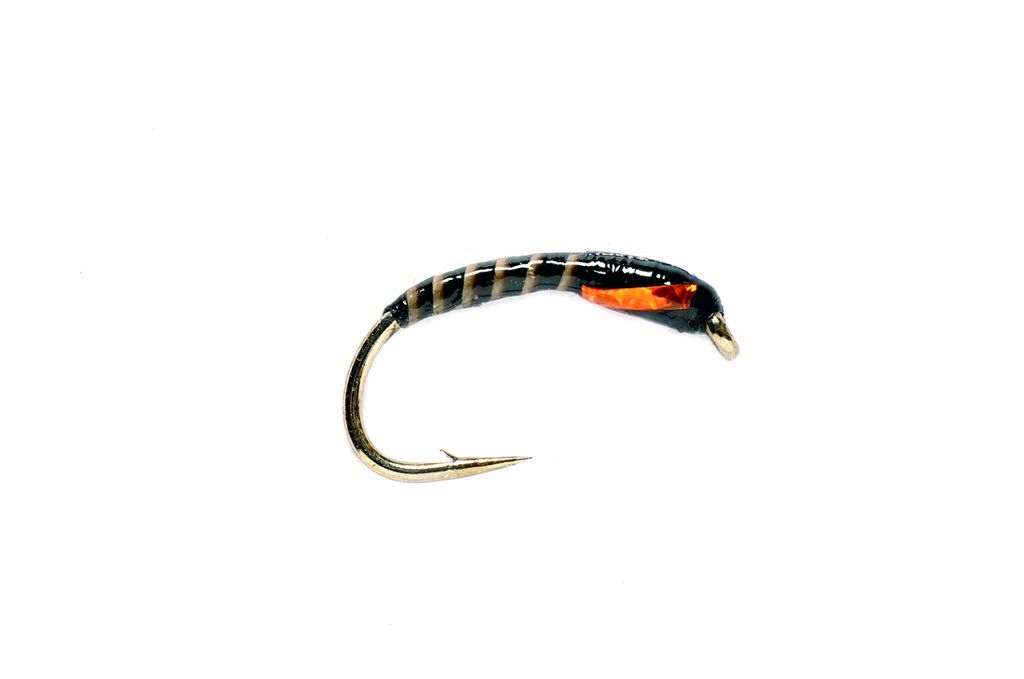
Buzzer Crank Shank Black
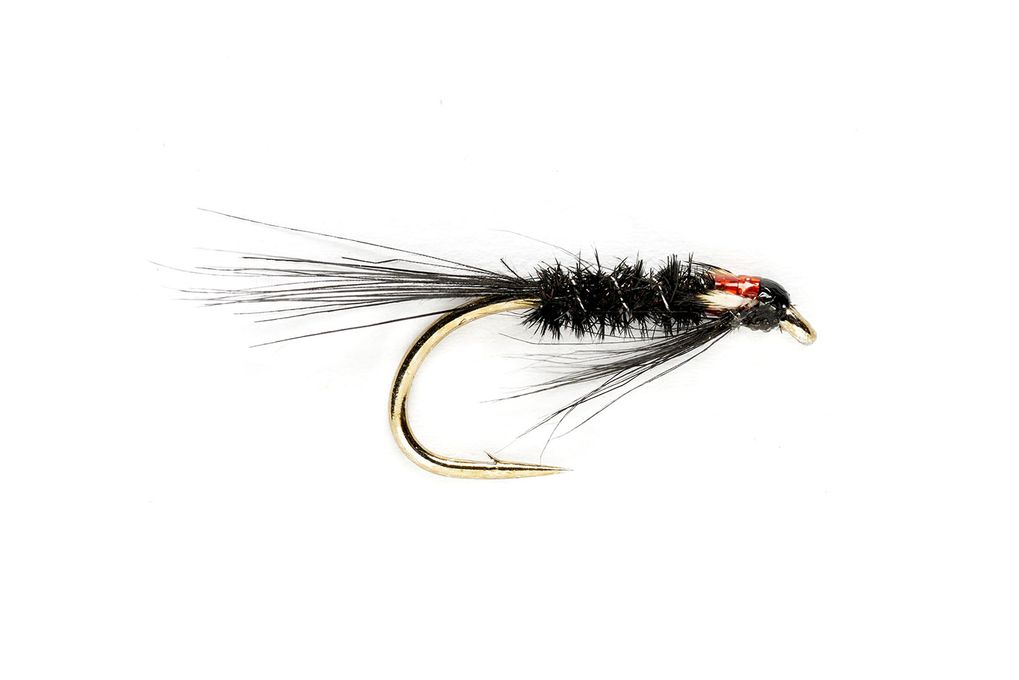
Jenkins’ Black ‘n Red Diawl Bach
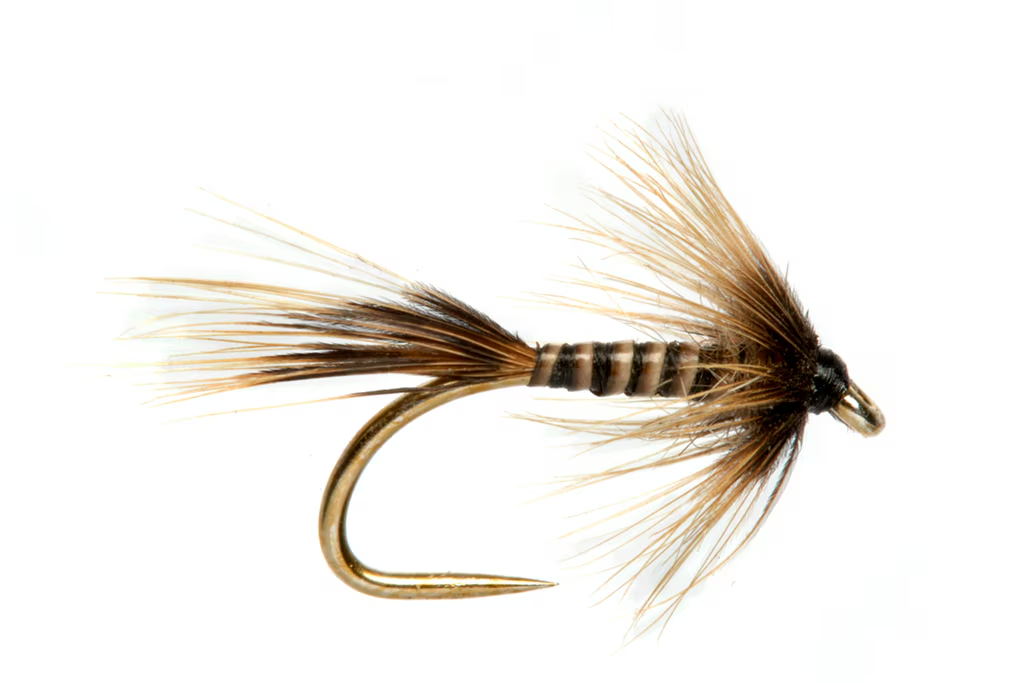
Rob’s Quill Cruncher Natural
Watch some of the videos below to better understand the stillwater tactics mentioned above and see some of Rob’s Signature patterns in action!
Check out all of Signature Tyer Rob Edmunds’ highly regarded stillwater flies on our website or ask about them at your nearest Fulling Mill Dealer!



)