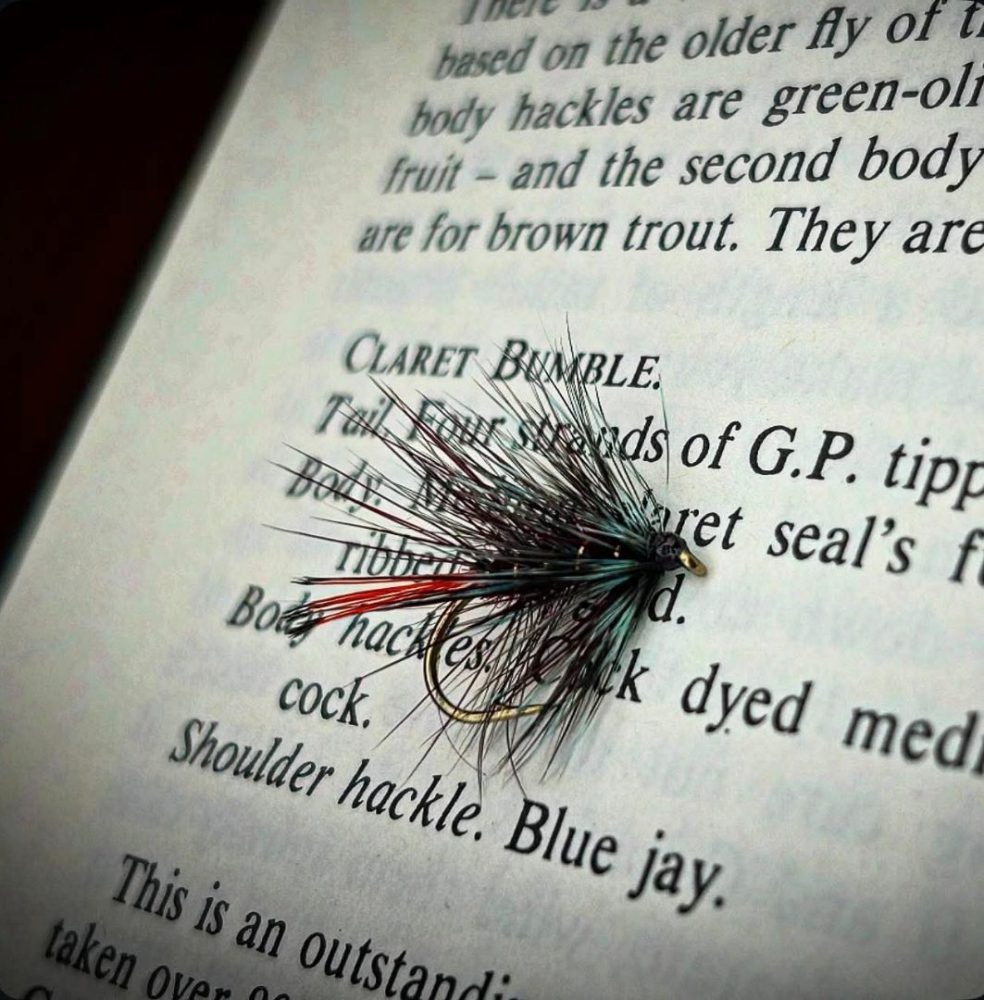
What Makes an Irish Lough Fly?
Irish lough flies have a distinct look of their own, and I think that comes from several things working together. They are often colourful, lively patterns, with multiple hackles and materials creating movement. The beauty is that they do not always imitate one particular insect. Instead, they create the impression of life.
Colour, Hackle and Movement
Colour is a huge part of traditional Irish lough flies. Reds, oranges, yellows, claret, blue, green and black, to list a few, all feature in many Irish patterns. Multiple hackles are also common, with different colours working together.
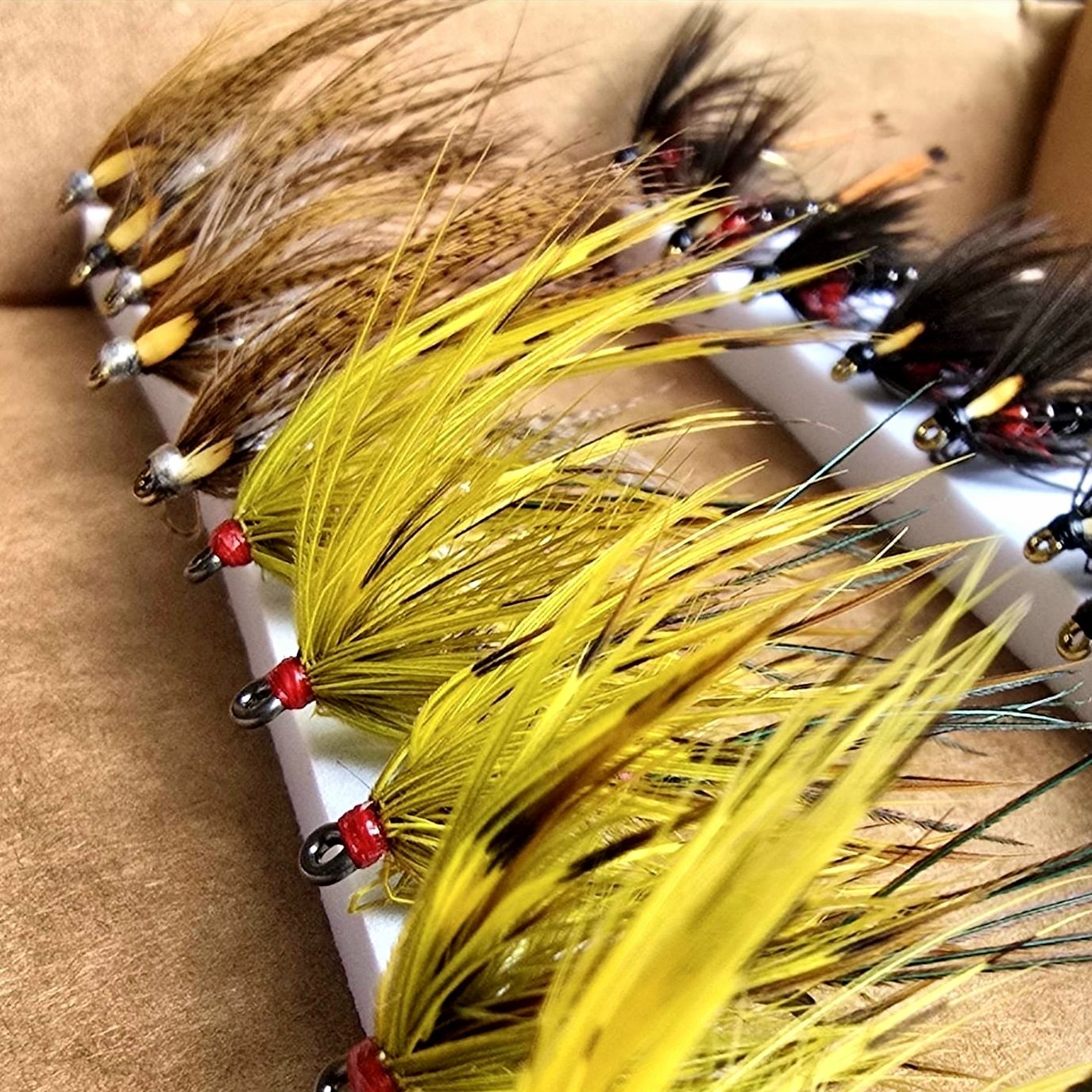
The flies can look quite overdressed in the vise, but that is not always a bad thing. Once it is moving through the water, the materials soften and move, giving the fly a completely different appearance. Jackie Mahon is a tyer whose patterns I particularly enjoy tying for my own boxes. He pays huge attention to colour, and his combinations show how important colour can be in an Irish lough fly; a term he uses often is “rich” and that perfectly describes Irish colours. For me, it is a reminder that colour is not about making a fly attractive to the angler. It can completely change the look a fly gives when it is moving through the water.
The Beauty of a Scruffy Body
Another thing I love about a lot of Irish flies is the body. The dubbing is usually quite scruffy instead of being tied into a smooth, tight finish. The loose fibres allow light to pass through the body, creating a translucent appearance in the water. This allows light to penetrate the fly instead of becoming a silhouette in the water.
Flies Worth Having in the Box
There are many Irish Lough fly patterns worth learning to tie, but in my opinion, these are the bread and butter of your box.
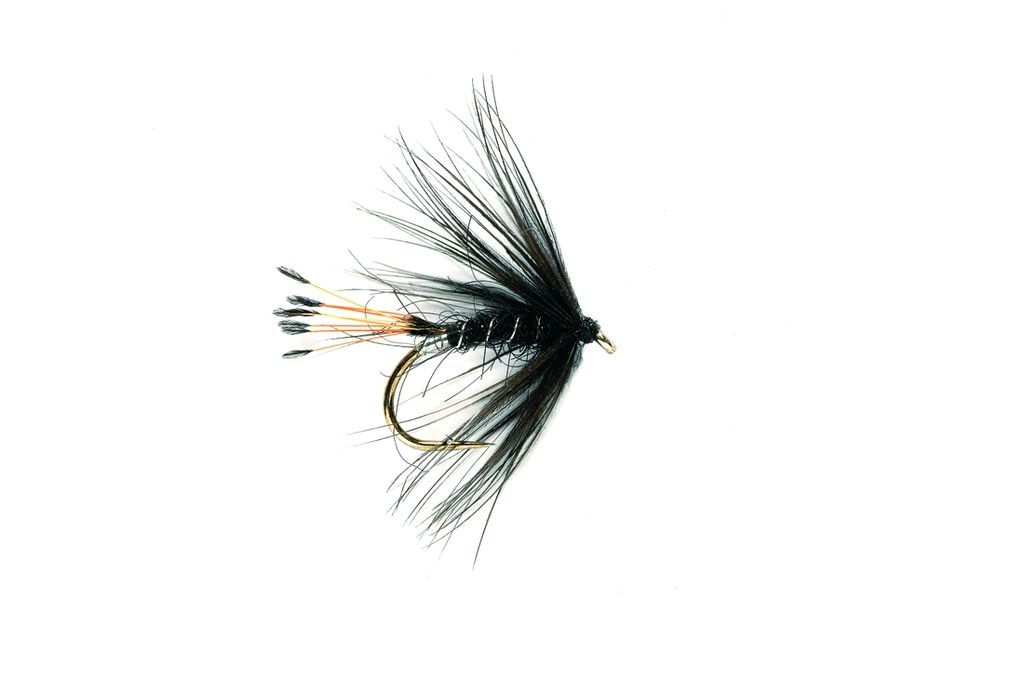
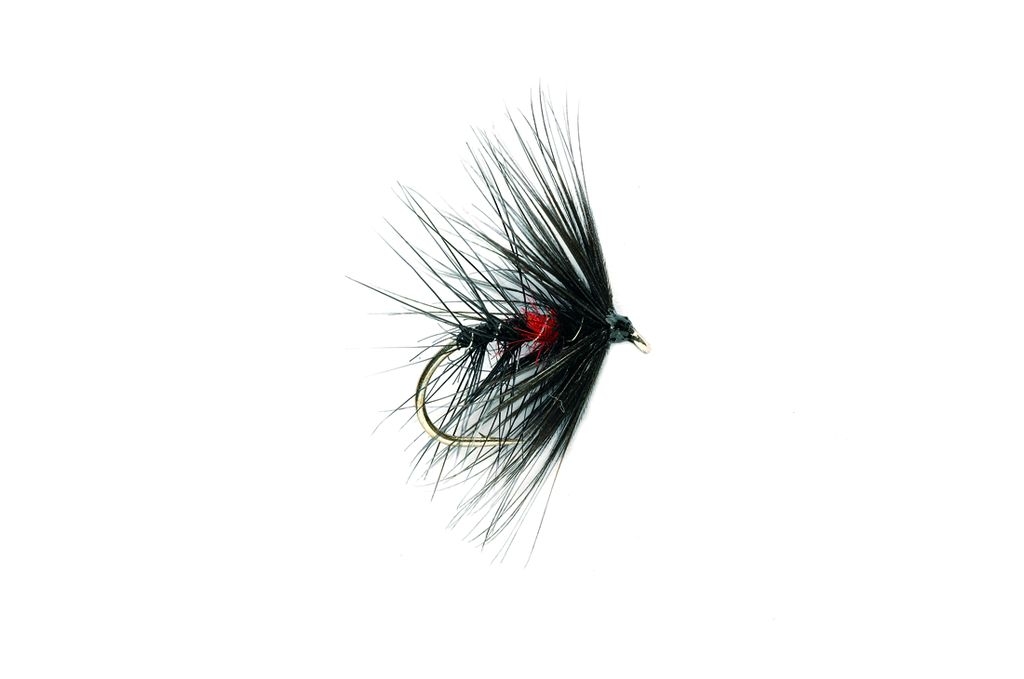
The Black Pennell is simple, versatile and needs only a small selection of materials. For many tyers, it is one of the first trout flies they learn at the vise. It can suggest a buzzer or midge, and it can even give the impression of a small fry. The Black Pennell does not perfectly imitate any of those food sources, although it is a renowned buzzer pattern; it has something that matters. It simply has an impression of life in the water. Such a simple fly can still be one of the most effective flies in anyone’s box.
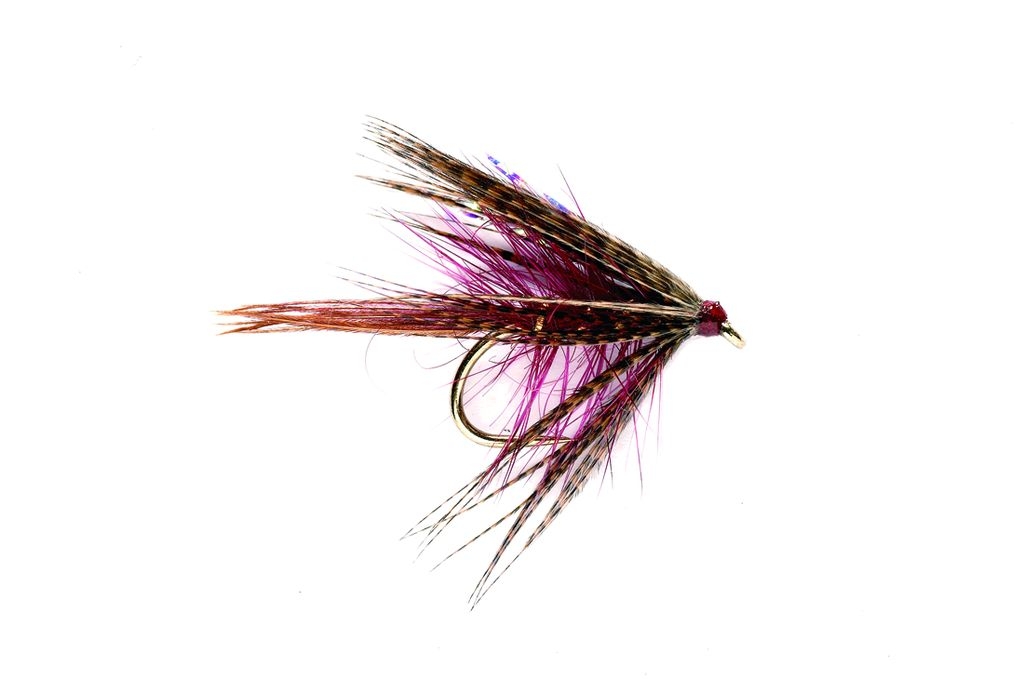
The Bibio is another useful pattern, especially when trout are looking for food close to the surface or larger dark flies. The Claret Dabbler, this fly has accounted for most of my fish on recent trips; it’s got a deep claret colour and the lovely marked Bronze mallard wing.
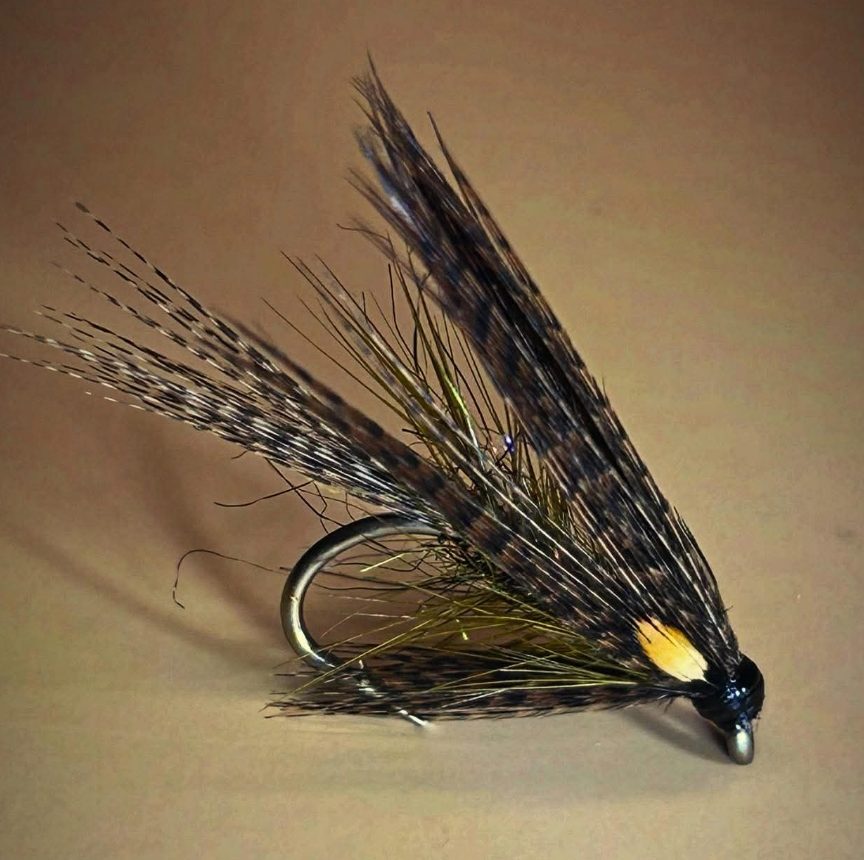
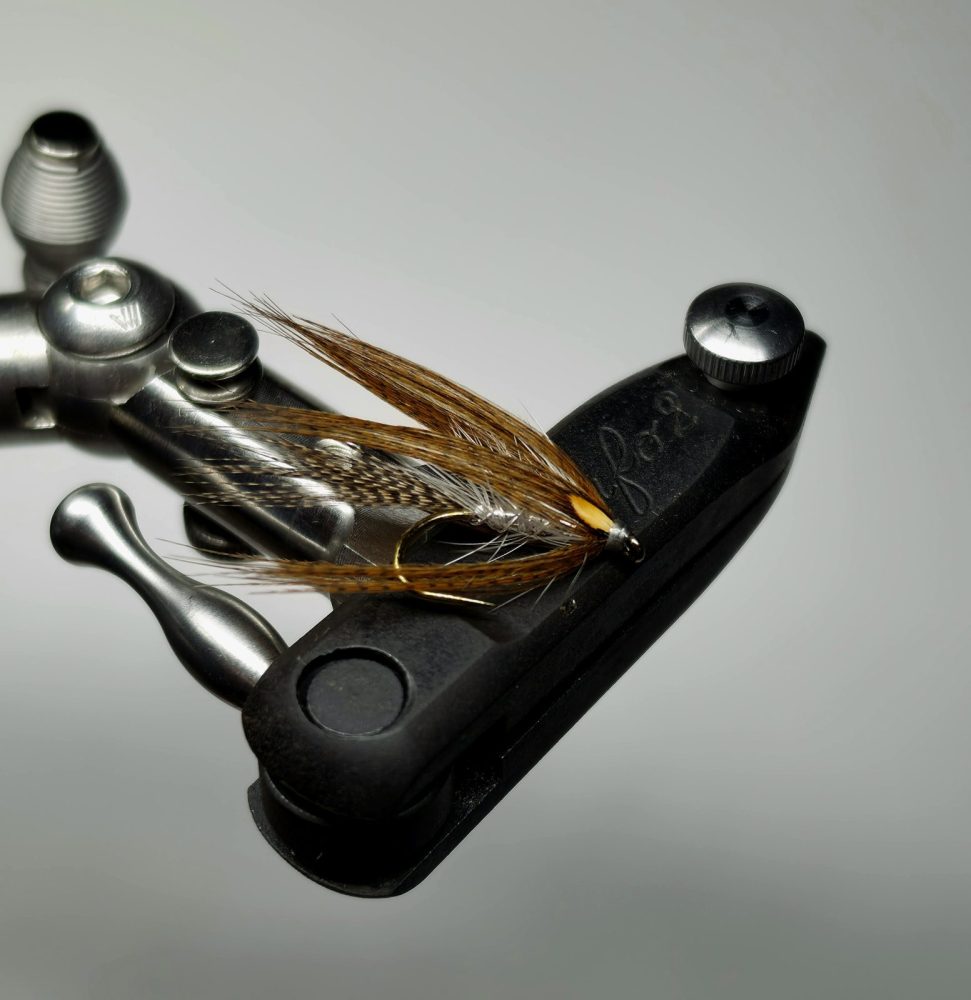
The Silver Gosling is a pattern of my own. I tied this fly as a pin fry representation, but it will take fish feeding on larger nymphs like mayfly, damselflies. A good fry imitation is needed in any Lough-style fly box, as trout can gorge themselves on fry and look at nothing else!. I tied this fly taking inspiration from many traditional irish patterns
Learn how to tie the Silver Gosling in Matthew Cooper’s video here!
Fishing Irish Lough Flies
Where possible, I like using Fulling Mill Hooks and feathers dyed by Kindale fly fishing. Different colours of feathers, dubbing, and even hook shape make a huge difference to Irish patterns. Having the flies in the box is one thing, but knowing how to fish them is another. I’m no expert angler, but I get out when I can, and fishing wet flies is something I really enjoy.
Wet flies have also put plenty of trout in the net for me. Typically, I would fish a team of three flies. Different days call for different flies; what works today might not work tomorrow. A Claret Dabbler tied with Claret Streamer Straggle is one of my favourites, especially when trout are interested in darker colours with that extra flash. Signature Tyers Jackie Mahon and Tom Doc show this fly in a recent video. This can be fished anywhere on the cast depending on the day; typically I’ll pull the claret dabbler, but sometimes a slow retrieve can just be what the trout want.
A Bibio can also be useful when there is plenty of activity near the surface or on a windy day when terrestrials are getting blown onto the water. On days like this, a slower retrieve is usually my approach. This fly is often kept on the top dropper so it fishes higher.
There are countless combinations, and every angler will have their own favourites. For me, the important thing is not to overcomplicate things. Pick 3 flies you have confidence in and start pulling.
Never Skip the Hang
One part of wet fly fishing that I think deserves special attention is the hang. After pulling the flies in, I don’t immediately lift off and cast again. Instead, I let the flies sit for a few seconds, sometimes skating (dibbling) the top dropper on the surface
I have watched trout follow flies right to the boat, leaping at the fly in those final few seconds. Sometimes, that final pause can make the difference between seeing a fish and hooking one. If I’m getting lots of attention on the hang, I’ll actually apply floatant to the top dropper fly. This allows me to skate the top dropper across the surface better.
Another benefit to having the top dropper treated with floatant is that, if a fish rises beside me, I can quickly throw my flies out and fish that top dropper as a dry for a few seconds before the line pulls it under. It doesn’t sound like much, but this has accounted for a few fish. There is no perfect team of flies for every day on the loughs. Sometimes it can be a lot of trial and error. Conditions change, trout change, and sometimes the flies you expected to work simply don’t.
For me, the best approach is to keep experimenting and pay attention to what’s happening around you. The best flies you can pick are the ones that are in the water!
Keeping the Tradition Alive
Tyers like Jackie Mahon and Tom Sullivan show that these patterns are not just pieces of history. They are still being tied, changed, and fished, while continuing to inspire the next generation of tyers. Modern river and stillwater tactics have become extremely popular, but to me and many others, traditional lough flies still have their place. I think younger tyers should understand where these patterns came from and why they were tied in the first place. There is a huge amount to learn from the generations of anglers and tyers who fished these loughs long before us. Flies don’t stop catching fish; they fall out of fashion with the anglers. I’m no expert, but I really enjoy learning, tying, and sharing what works for me. Irish lough fly tying is about keeping those traditions alive while putting your own little bit into them.
Follow Matthew Cooper on Instagram and consider subscribing to his YouTube for more tying tutorials!
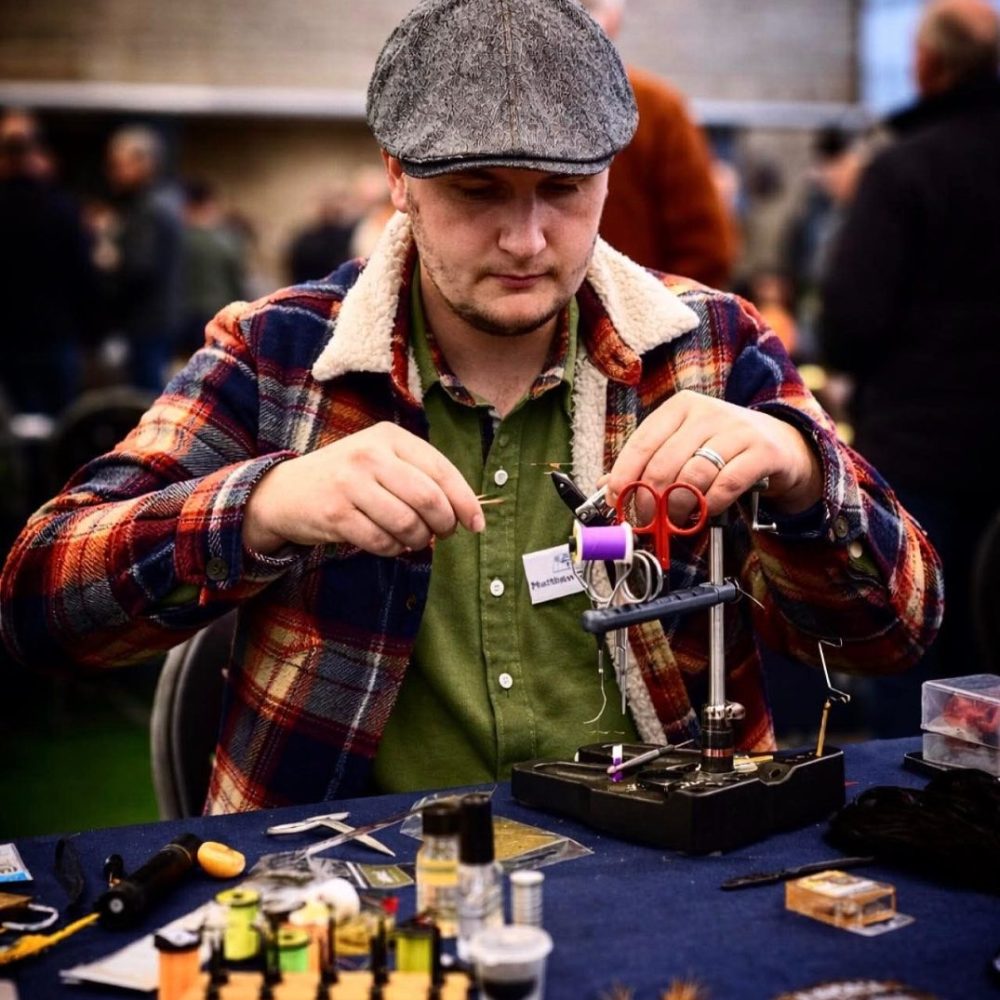
Interested in Lough Fishing? Check out these videos featuring Signature Tyers Jackie Mahon and Tom Doc Sullivan



)