
Match the Hatch: Hendricksons
The Hendrickson mayfly (Ephemerella subvaria) is one of the most celebrated and anticipated spring hatches in the Eastern US. After a long winter with relatively little bug activity for trout to capitalize on, the movement of Hendricksons in the drift pre-hatch, and of course, the hatch events that occur when conditions provide, can make for some amazing fishing. No matter if you like to nymph fish or dry fly fish, Hendricksons make the trout go nuts! Learn how to time this hatch and where to find trout feeding on them, and you just might experience the best fishing of the year. Read on to learn about these cherished mayflies and how to best match the hatch of Hendricksons, no matter the life stage.
Hendricksons & Red Quill
If you’ve ever researched Hendricksons or Red Quill, you might already know that they are the same at an entomological level. Red Quills are male Hendricksons, and as the name suggests, they appear darker in color than the females. Males and females prefer different water types, and fish will key in on the two differently depending on when and where you are fishing. Because of this, fly tyers and anglers refer to Hendrickson patterns in terms of light and dark. Light Hendricksons are the larger golden tan females, and Dark Hendricksons are the smaller, reddish-brown males.
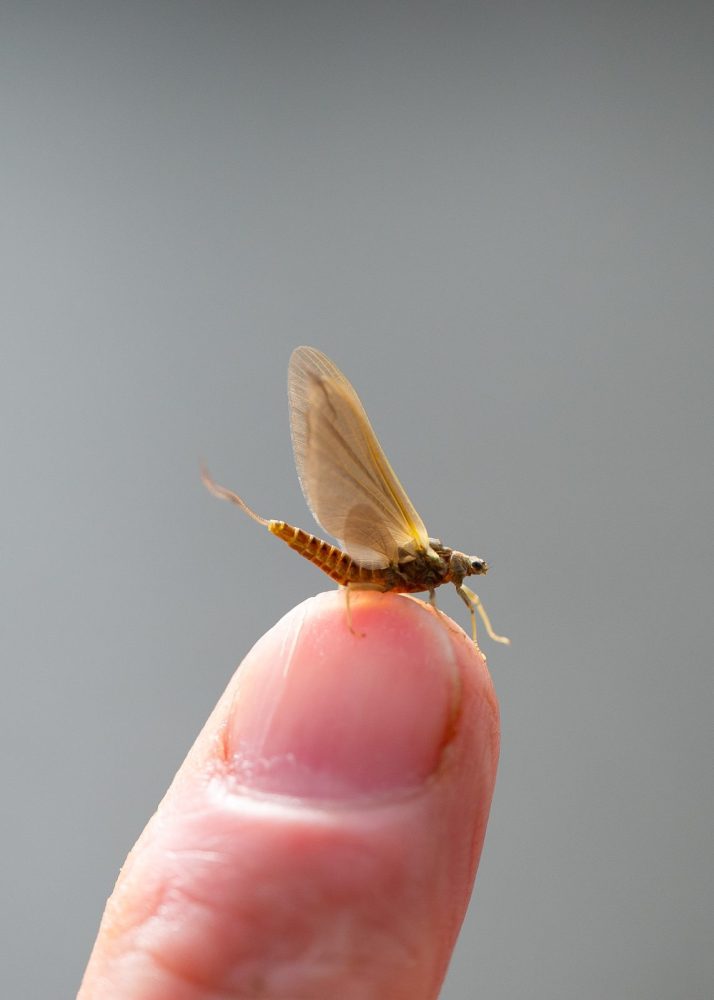
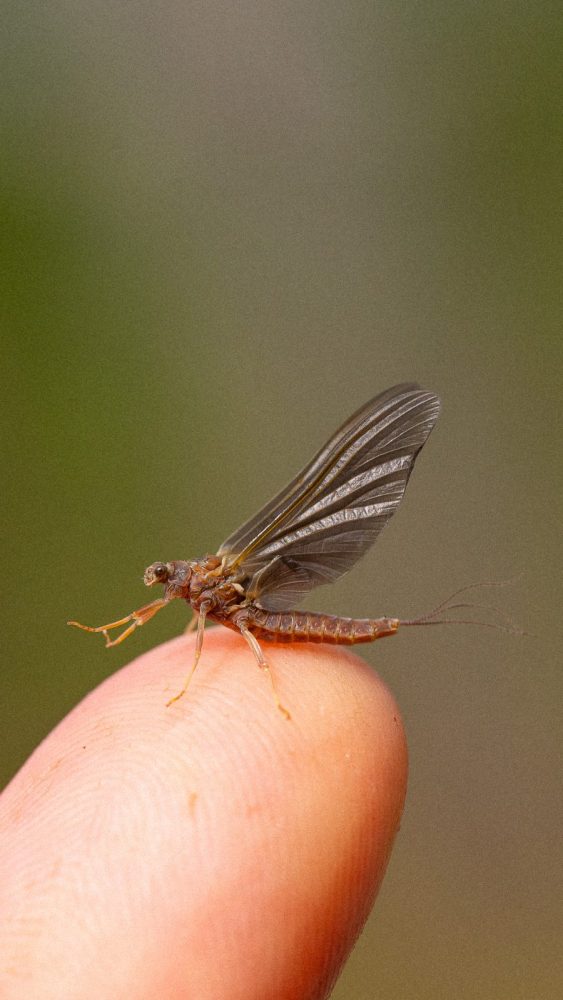
When and Where
From late April into May, Hendrickson mayflies are found hatching in prolific numbers on many healthy trout streams across the Upper Midwest and Eastern US. From famous destination fisheries in Pennsylvania, the Catskills, and New England to lesser-known or softly spoken about streams. Hendricksons hatch in the afternoon, often around 3PM. Don’t show up to the river early and expect to catch a hatch before noon. No matter the trout stream, where Hendricksons are found, you’re sure to find some happy and well-fed trout.

Pre-Hatch Fishing: Hendrickson Nymphs
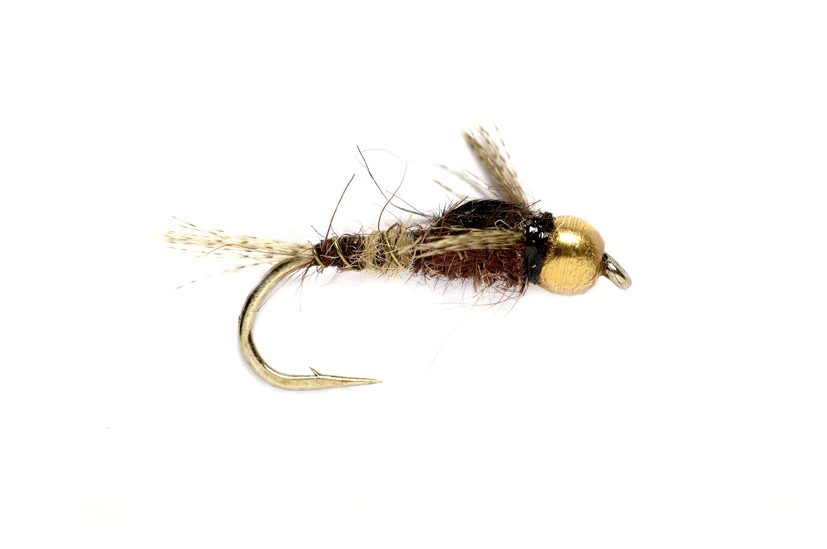
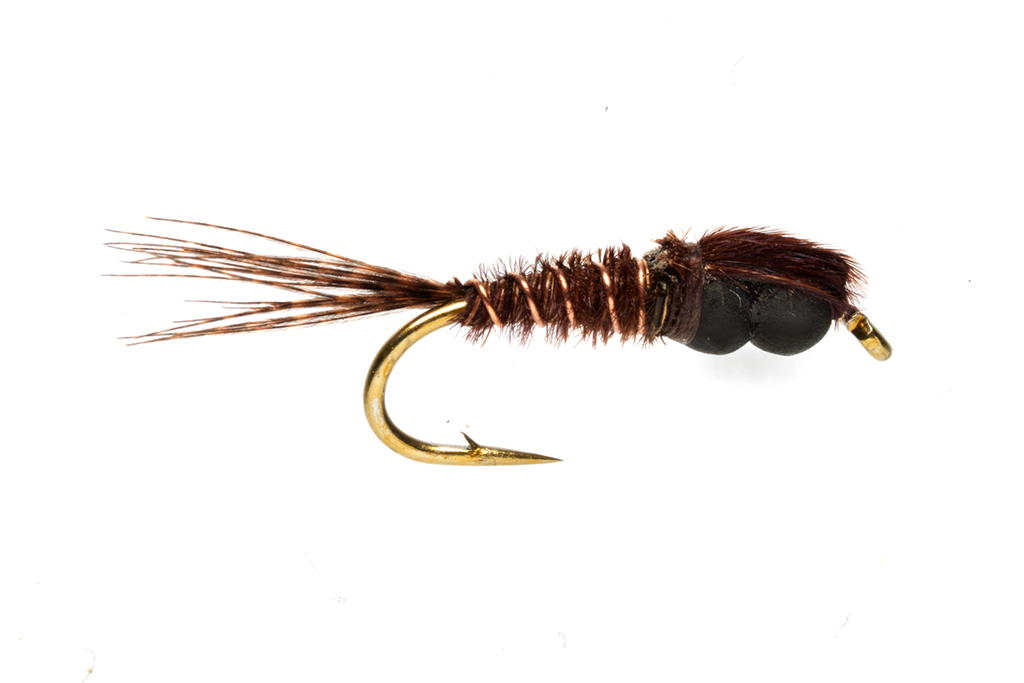
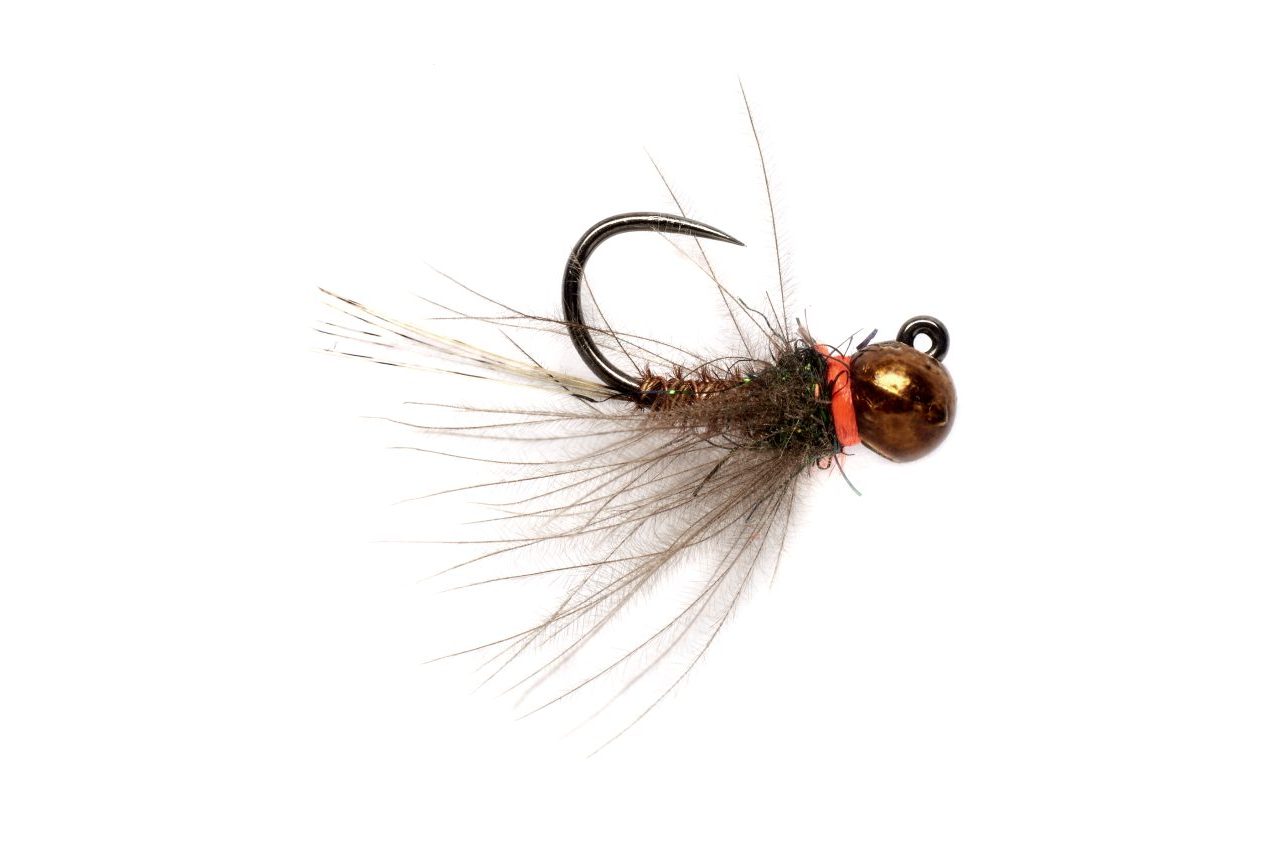
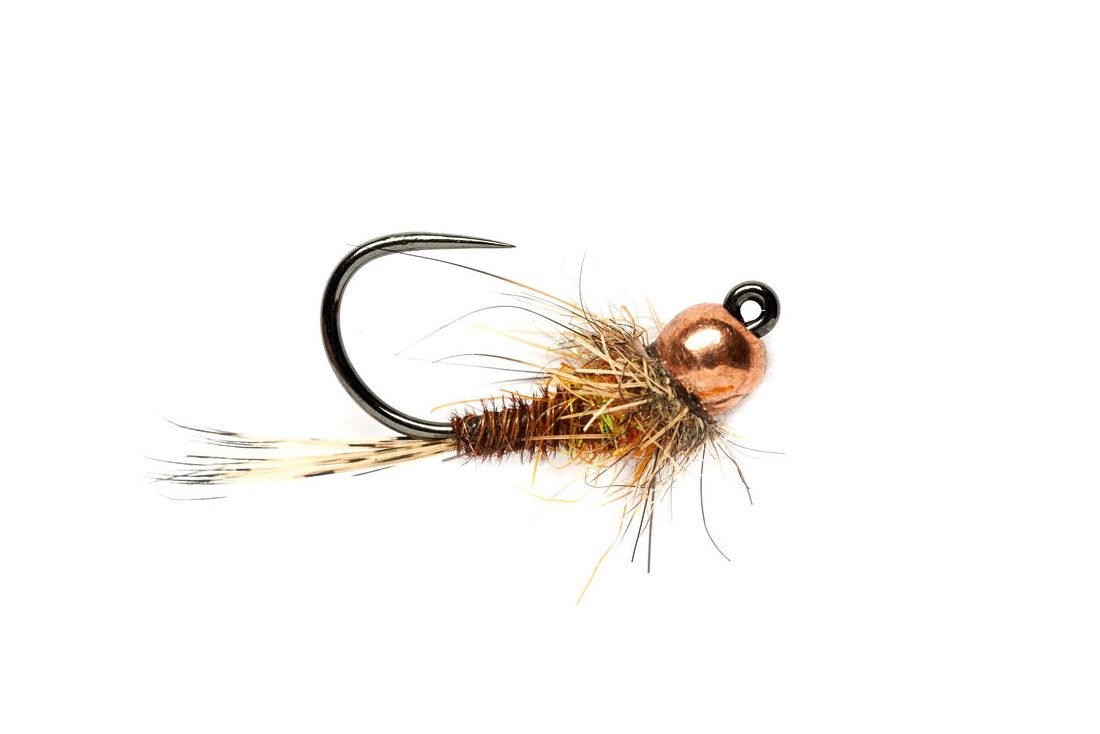
Nymphing before and even during a Hendrickson hatch can put some quality fish in the net. Weeks before the adults emerge, Hendrickson nymphs are present in the drift. These clinger mayflies are often abundant wherever they inhabit and serve as a critical food source for trout in the spring. Because of this, fishing size 12-16 brown nymphs with stout, buggy profiles can seal the deal on Hendrickson seeking trout. Check out some of the patterns below! Truthfully, you. cannot go wrong fishing any of them when Hendricksons and other mayfly nymphs are around!
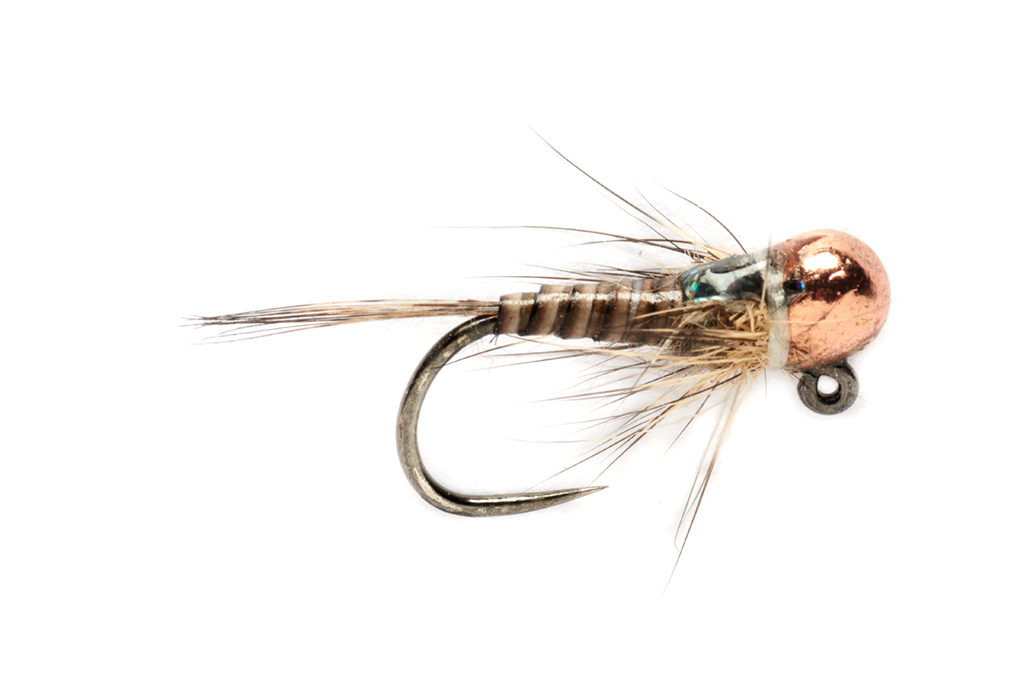
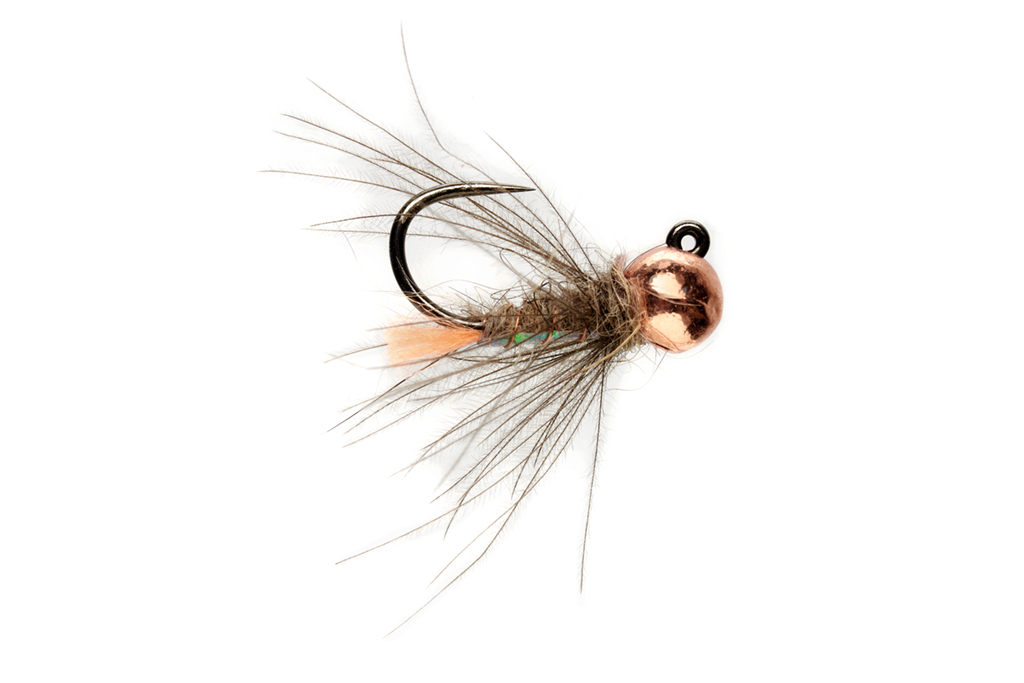
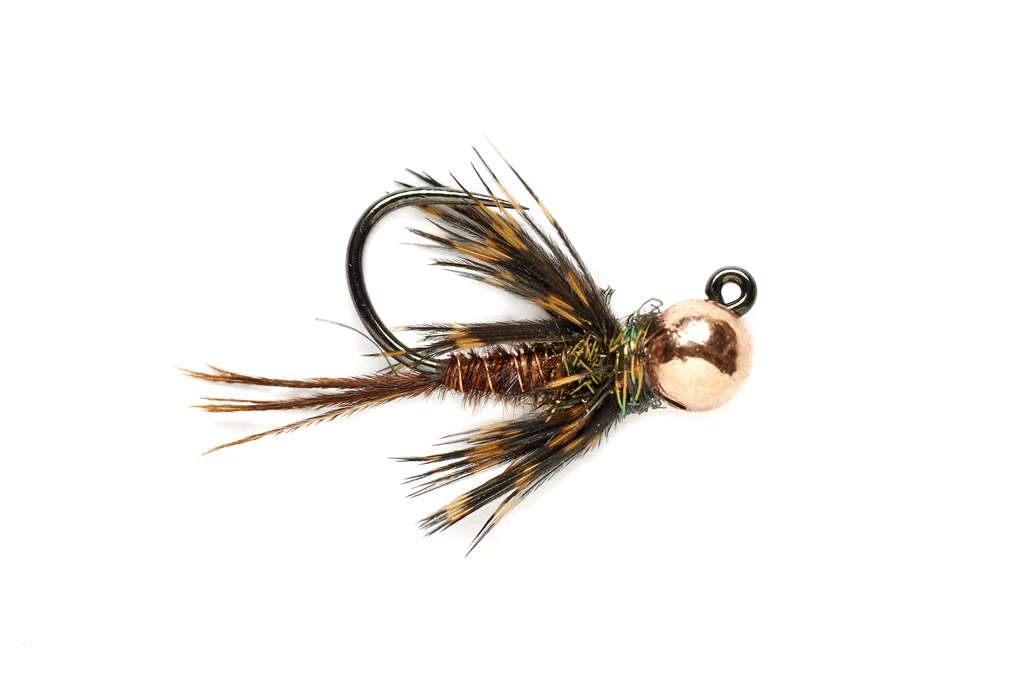
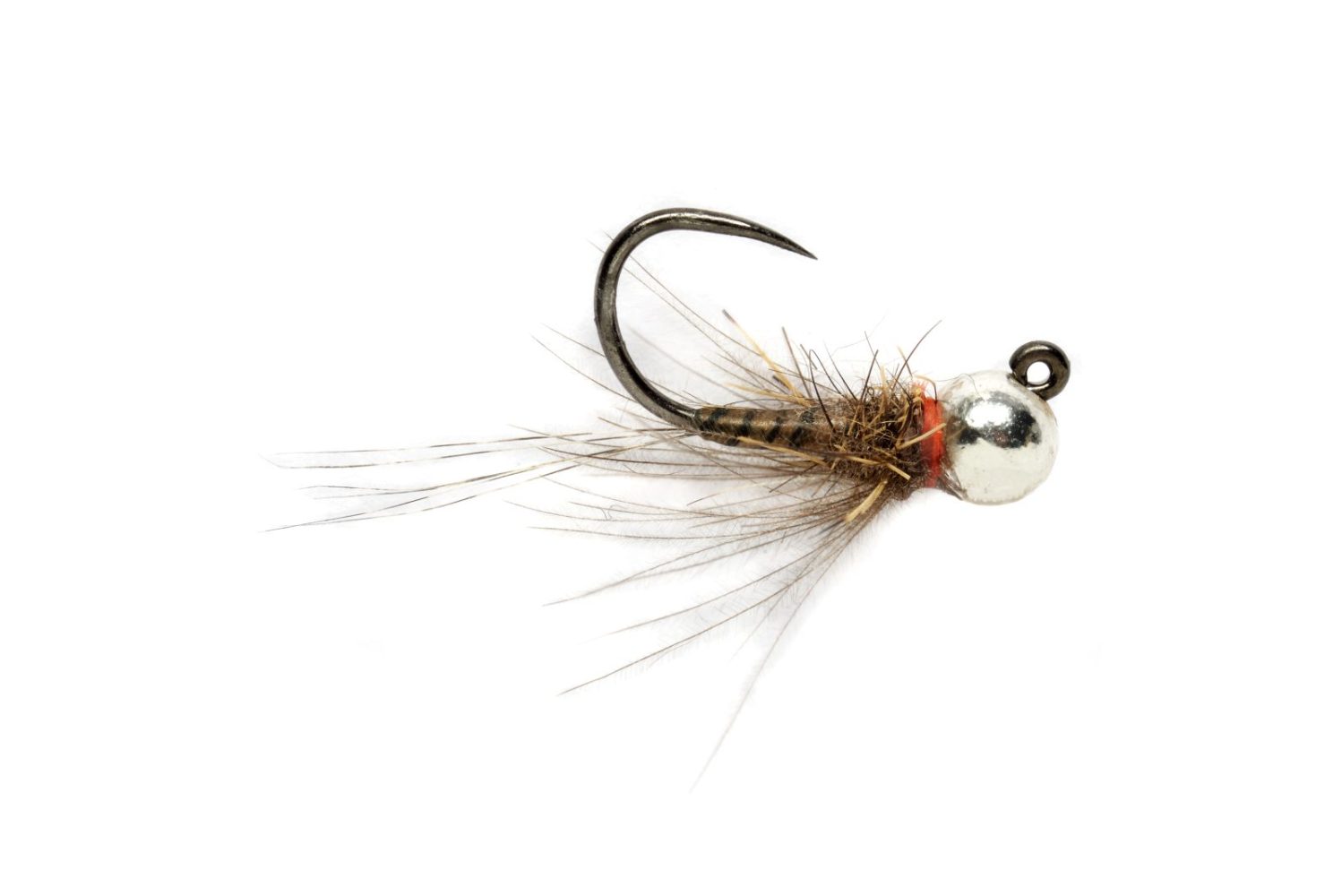
Hendrickson Mayfly Emergence
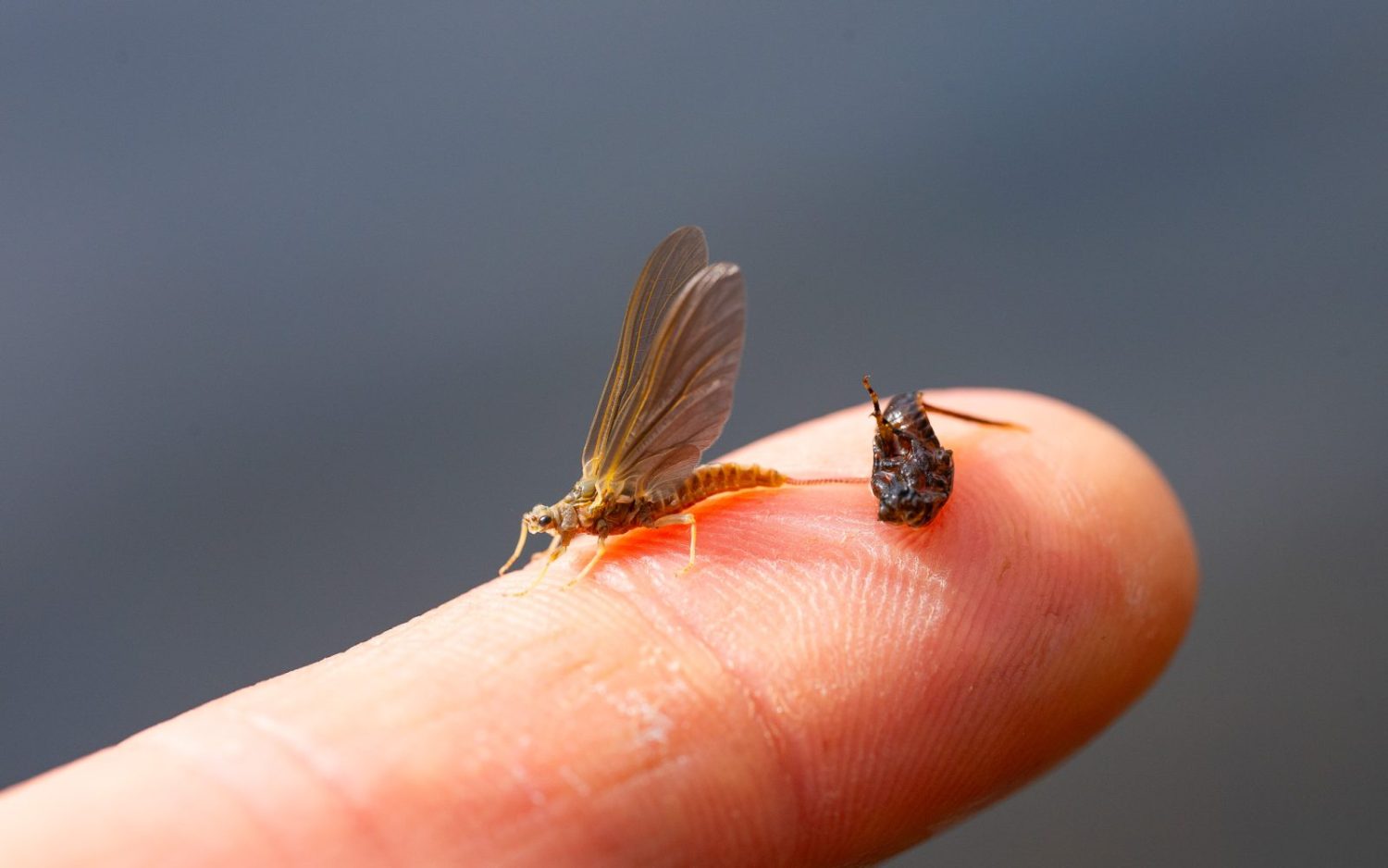
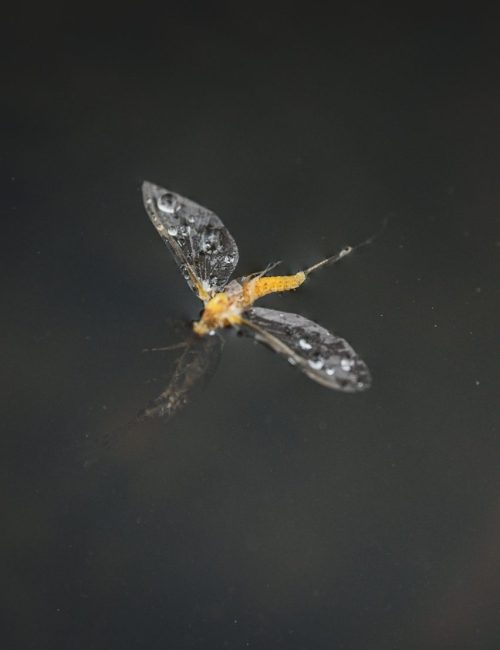
When Hendricksons emerge from their nymphal shuck, out unfold a set of greyish-blue wings. Hendricksons are known to take their time to hatch into fully fledged adults, making this hatch event perfect for hungry trout in the springtime. Fishing a dry fly emerger can be fruitful for the patient angler. Early hatches can be prolific with Hendrickson individuals, but not every fish in the river will key in on the adults. During this period, fishing Hendrickson nymphs and emergers can be the ticket to success. As the hatches go on, dry fly fishing only picks up as more and more fish in the river key in on Hendrickson duns.
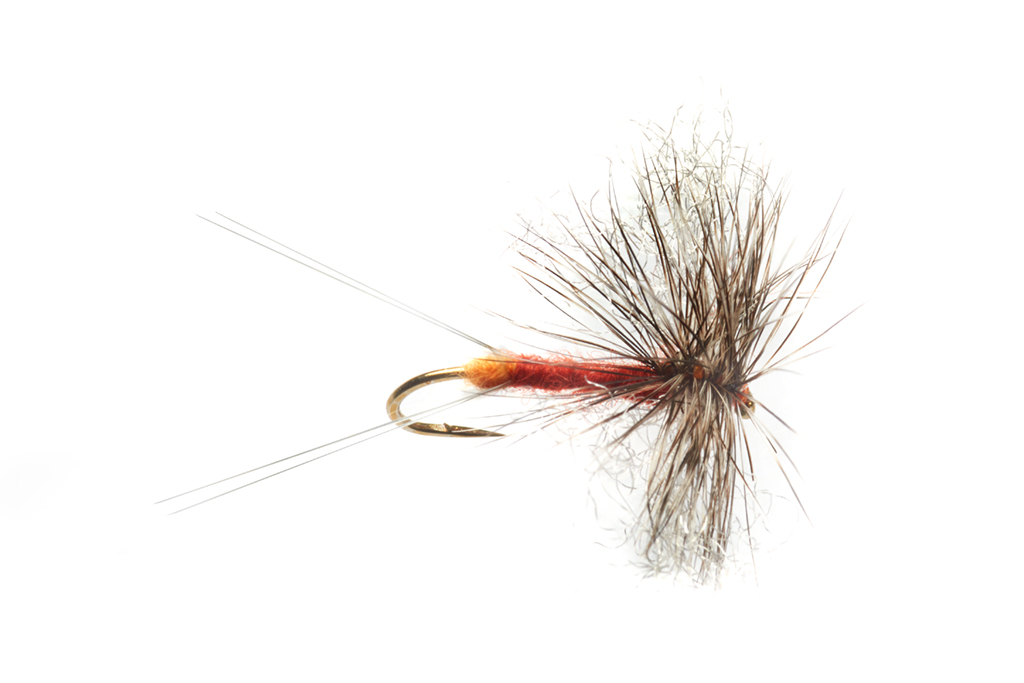
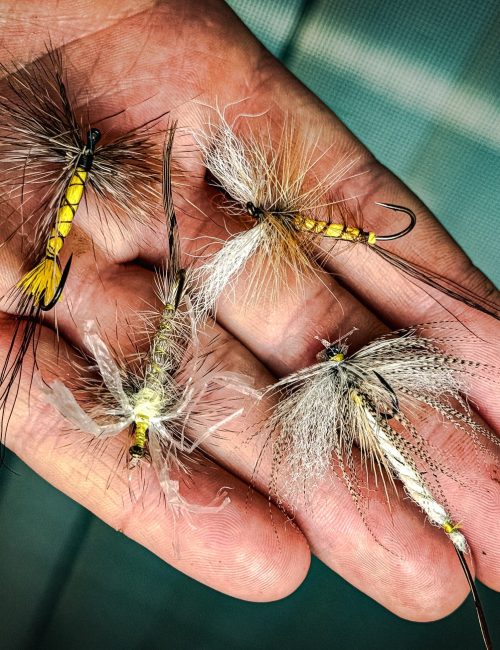
Here are some of our top Hendrickson emergers that we recommend! Whether it’s the Light Hendrickson (females) or Dark Hendrickson males (Red Quill), these emerger dry flies are proven producers.
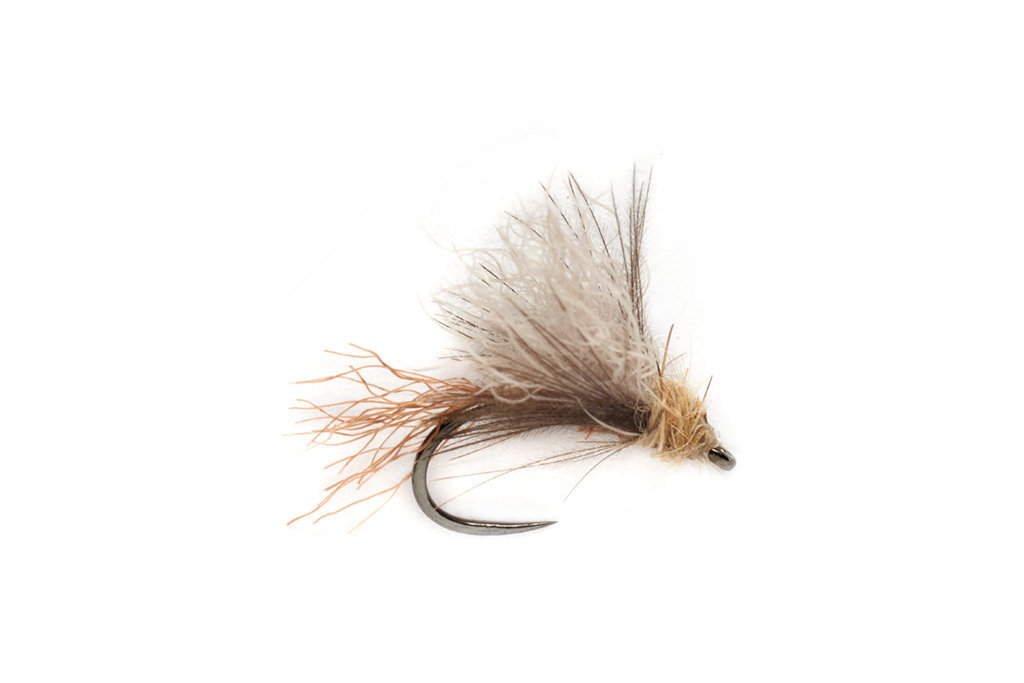
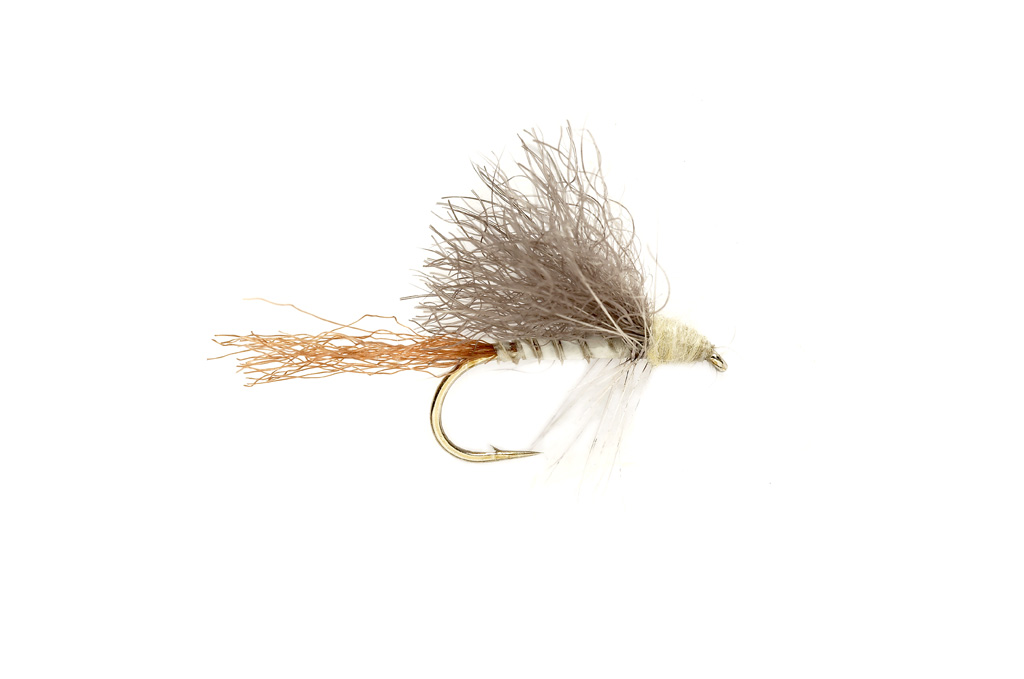
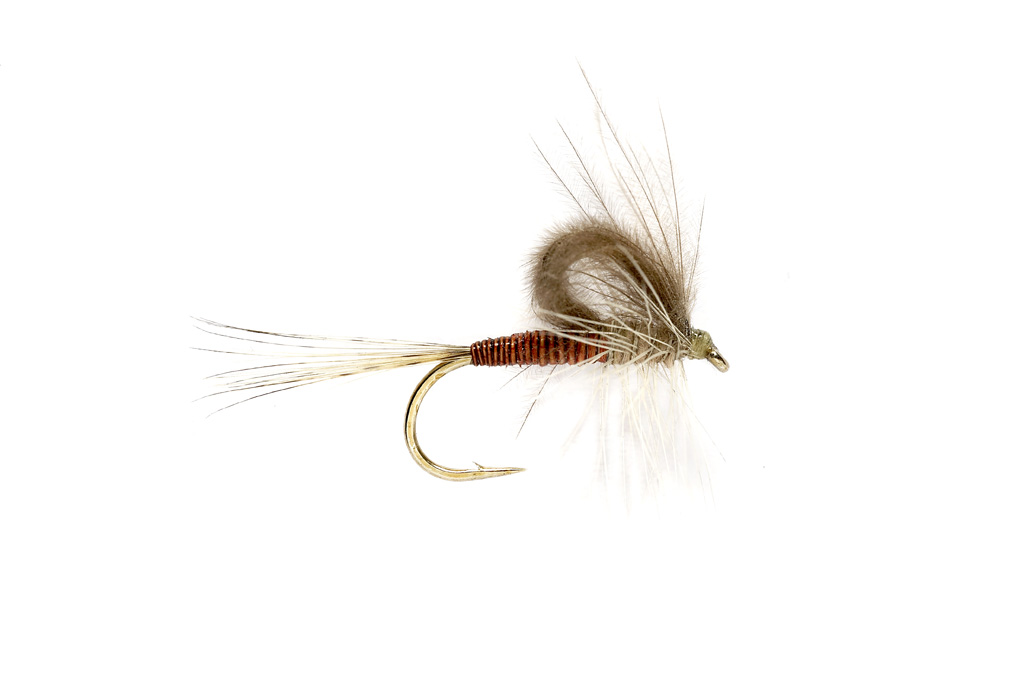
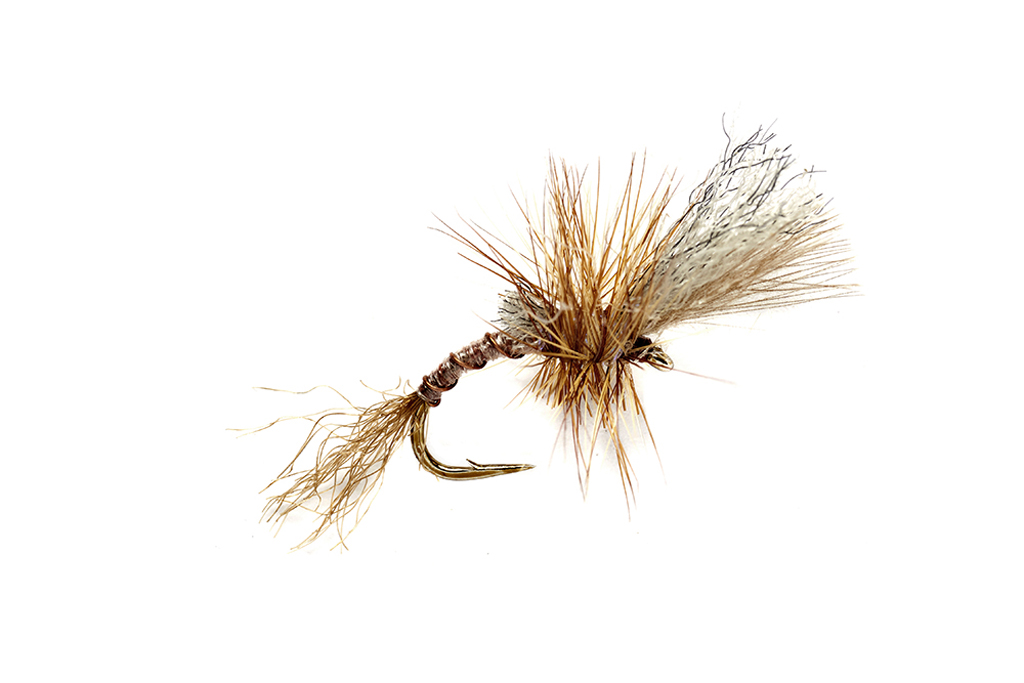
Not every Hendrickson will make it to become a fully fledged adult. These crippled emergers are extra vulnerable, and trout often seek these visibly vulnerable bugs. In these cases, fishing Ebb’s Hendrickson Cripple absolutely cleans up! This is a must-have cripple Hendrickson pattern to keep in your fly box, at the ready.
Hendrickson Adults & Upright Duns
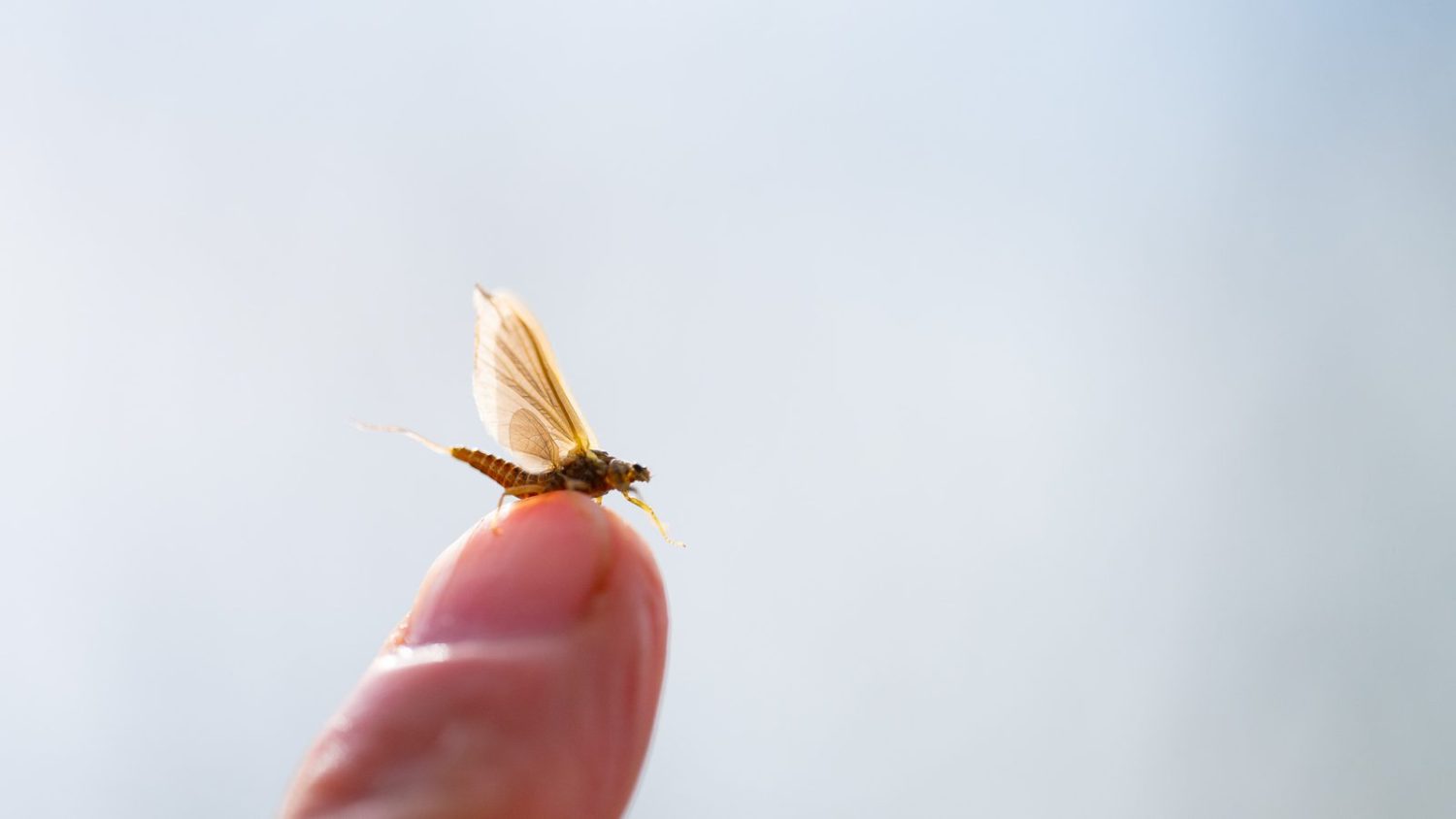
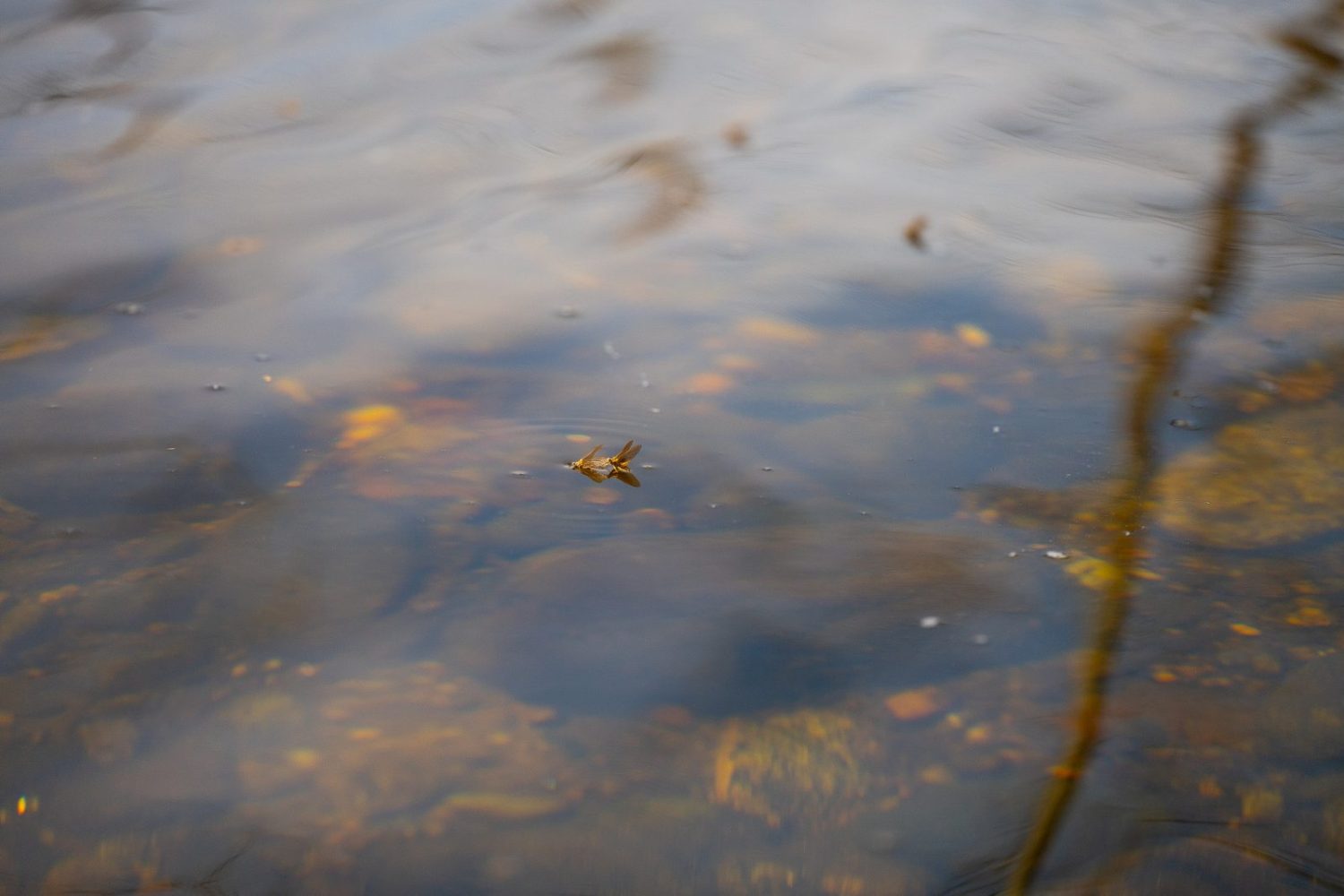
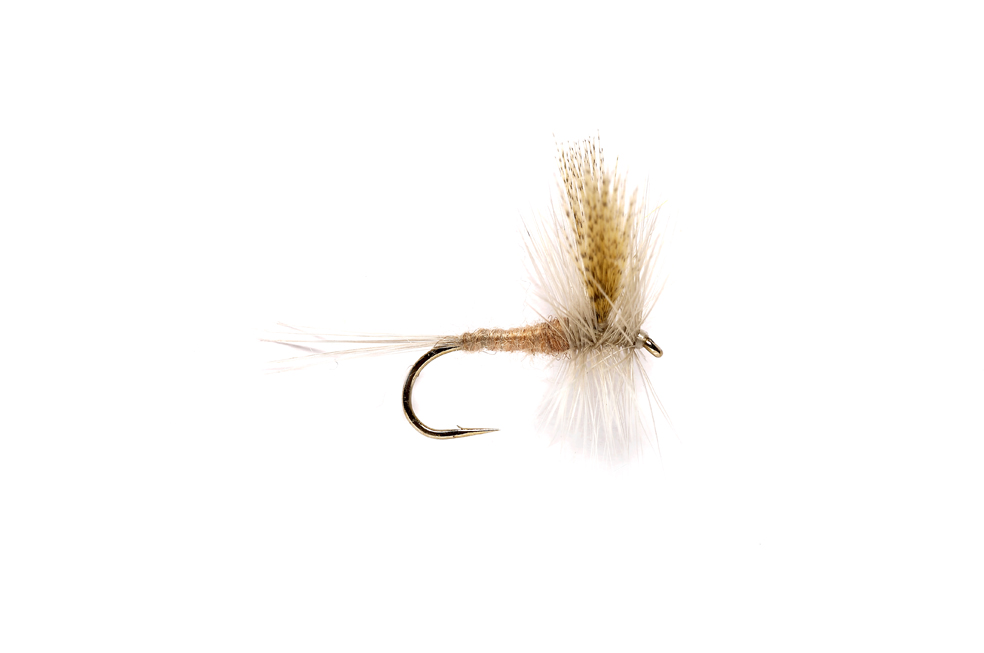
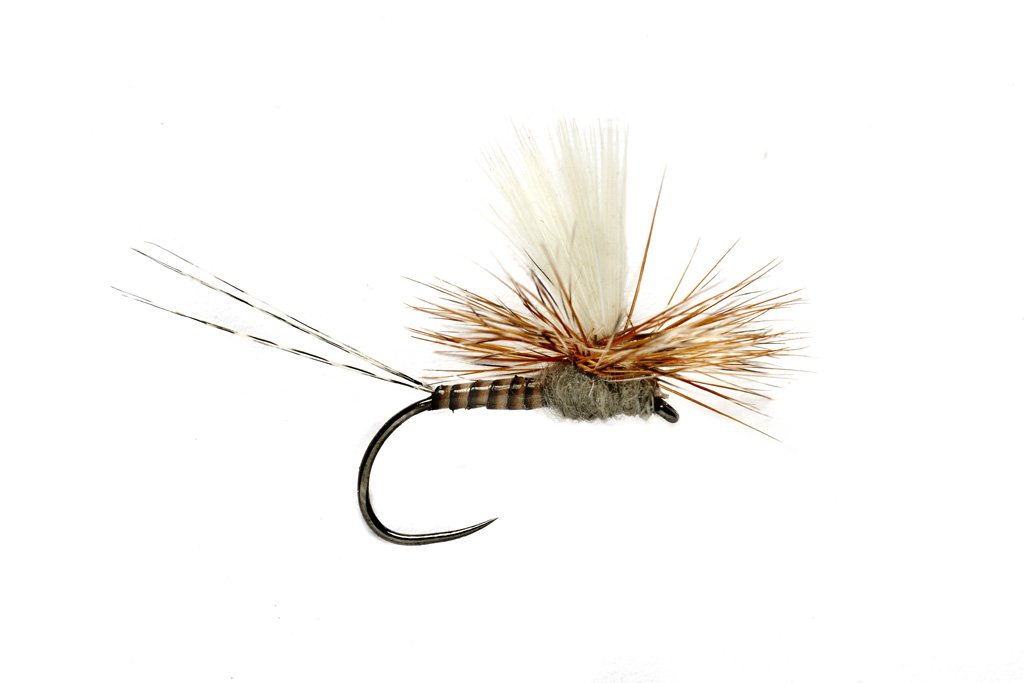
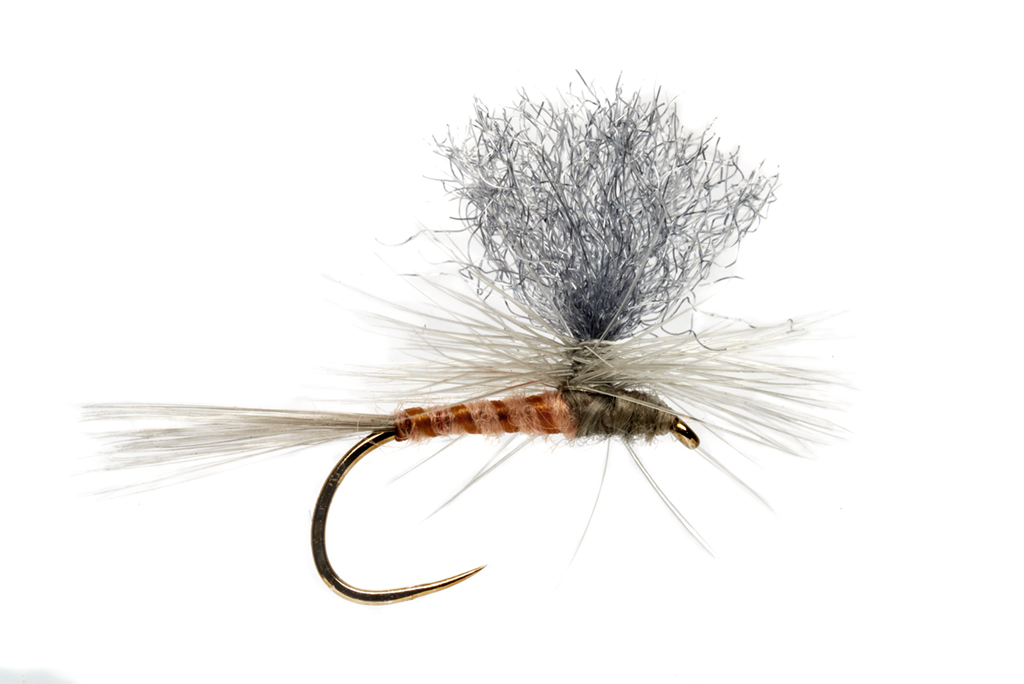
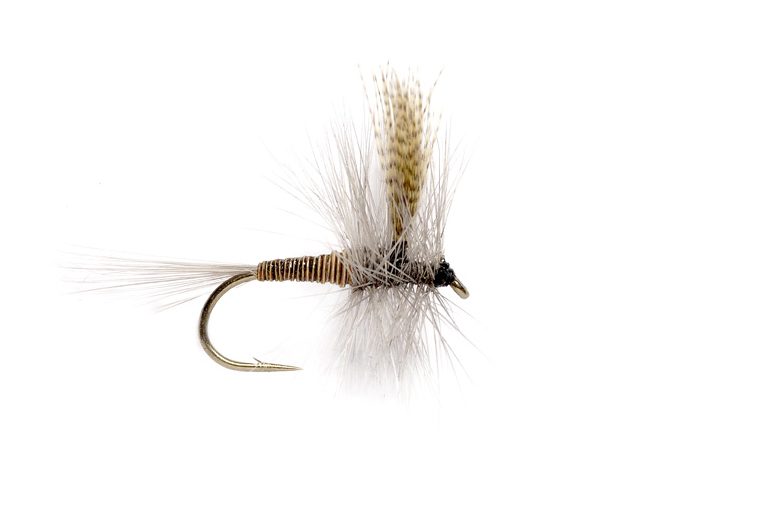
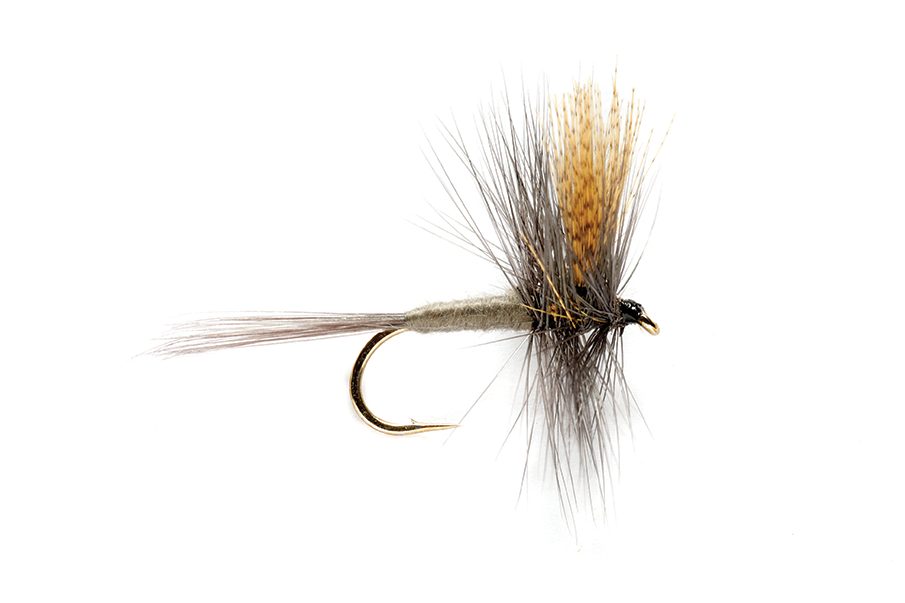
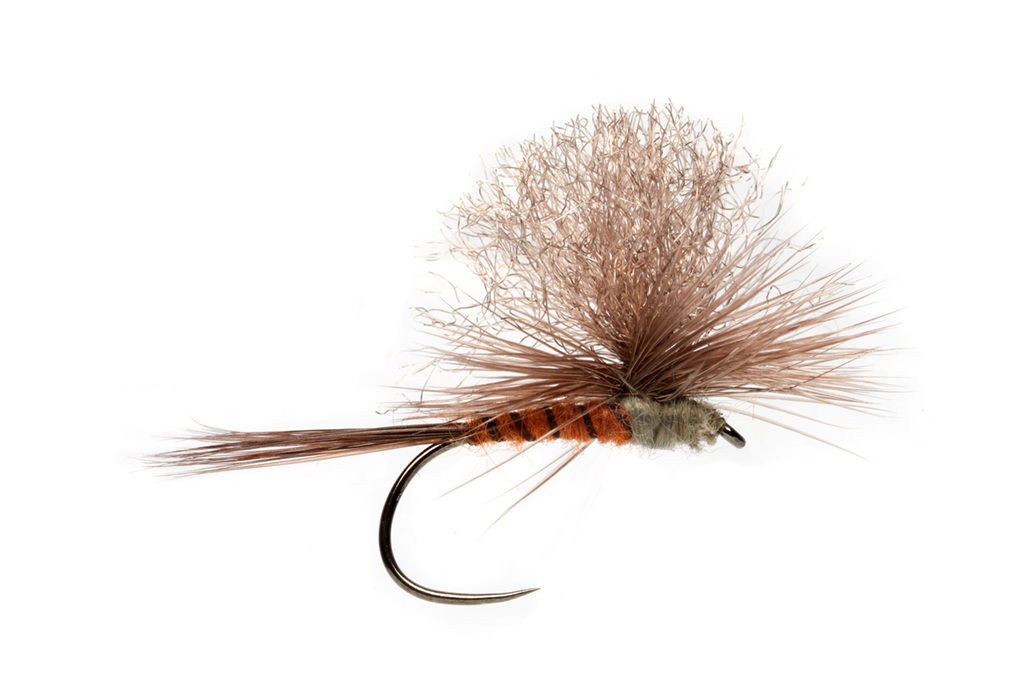
When Hendrickson adults are on the water, pay attention to whether it’s a light-bodied female Hendrickson or a darker-bodied male. They won’t always be mixed in together, depending on your location on a river, so these observations matter. The females (Light Hendricksons) are usually larger and noticeably more tan, almost golden in hue, unlike their male counterparts, which appear reddish brown. During this phase of the hatch, Catskill-style patterns and parachute dry flies can work well. Hendricksons often take longer to fly away than many other mayfly species that will hatch later in the year. It is thought that because of this, trout are extra-focused on this spring mayfly hatch and take advantage of the abundance of food on the water.
Hendrickson & Red Quill Spinners
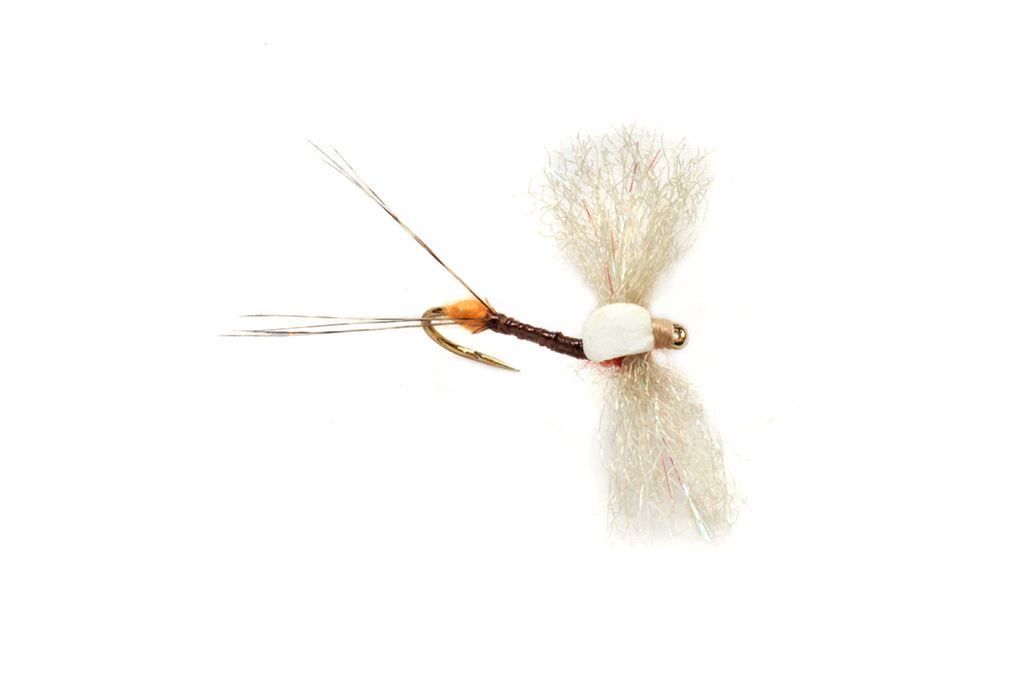
Know when to go. Calm, mild evenings are ideal for catching a spinner fall. While conditions for a successful spinner fall can vary, in general we reccomend showing up to the river before dusk and heading to the riffles upstream of the pool you intend to fish. It is in this broken water where mayfly spinners will congregate to mate, lay their eggs, and die. When you’ve arrived, simply look up into the sky, and you’re sure to see Hendrickson spinners if they’re around. When you find these dancing mayflies in the sky, you’re in for a good time. When and where Hendrickson spinners fall, and anglers are at the ready, epic dry fly fishing commences. The warmer the air temperatures, the later into dusk they will fall. Tie on a Rusty Spinner, get to fishing, and stay as late as you’re comfortable doing!


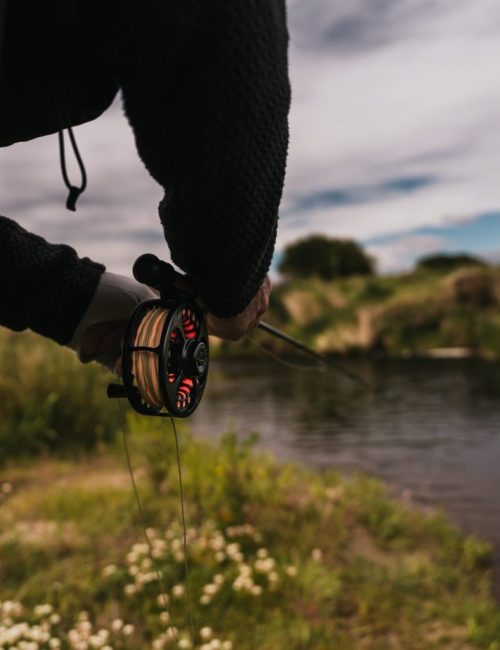
Joey Takeman (The Local Fly Co) and Torrey Collins (Upcountry Sportfishing), both new Fulling Mill Ambassadors for 2026, gear up to fish Hendricksons on the Farmington River.
Tie Your Own Hendricksons
If you enjoy tying flies, we have a bunch of hooks, thread, and materials that will serve you well when preparing for a Hendrickson hatch. Depending on the stage of the hatch, our fly tying materials cover the bases so long as YOU put it all together and present the fly well. Take a look at some of our top recommended hooks and materials for tying productive Hendrickson dry flies. Whether you’re tying Hendrickson nymphs, emergers, cripples, duns, or spinners, we have you covered.
Dry Fly Hooks for Tying Hendrickson Patterns
Selecting the right hook for the pattern can make a huge difference when potentially hooking some of the best fish of the season on dry flies. Below are four hooks that we have confidence in on the water.
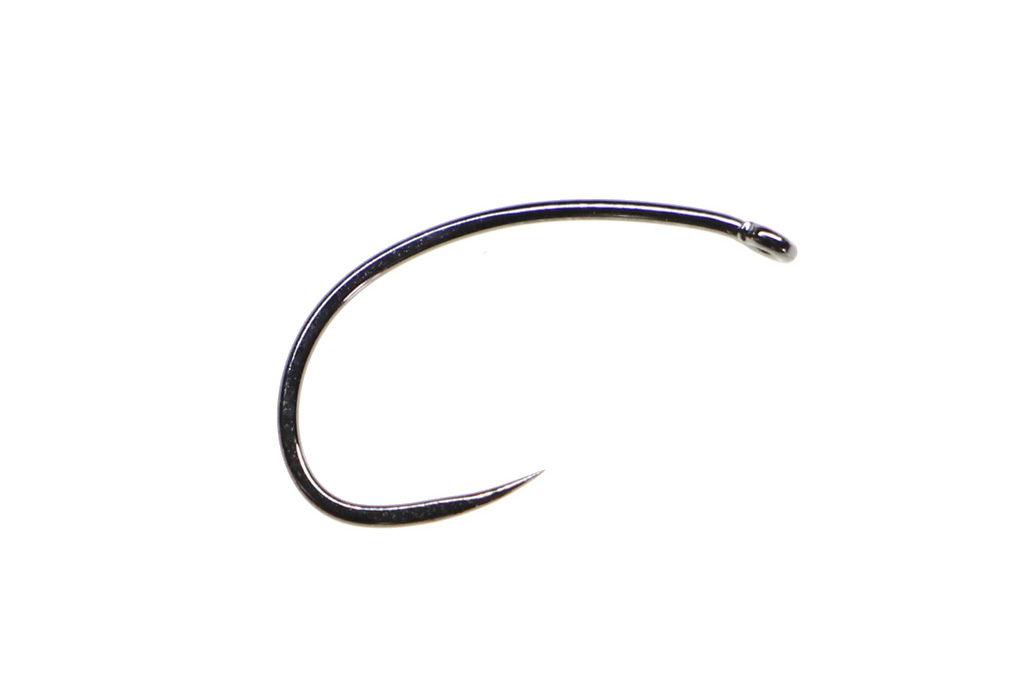
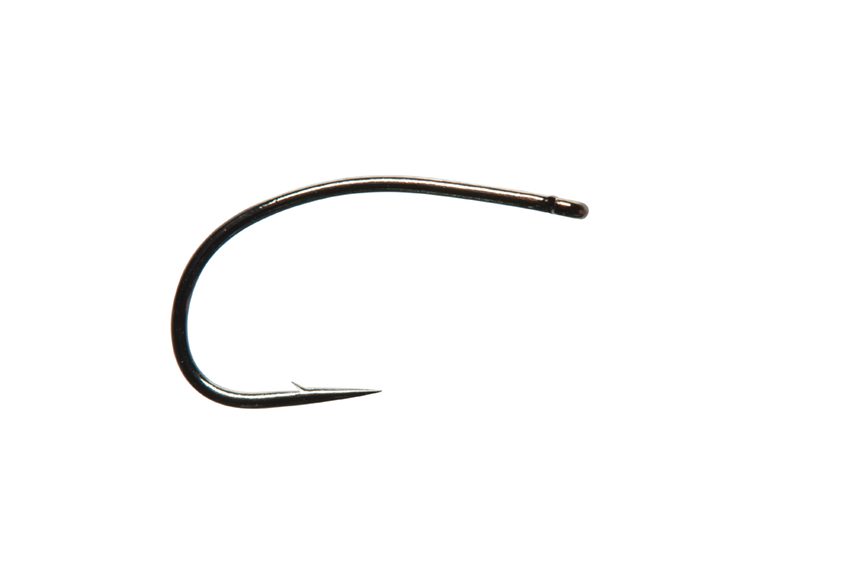
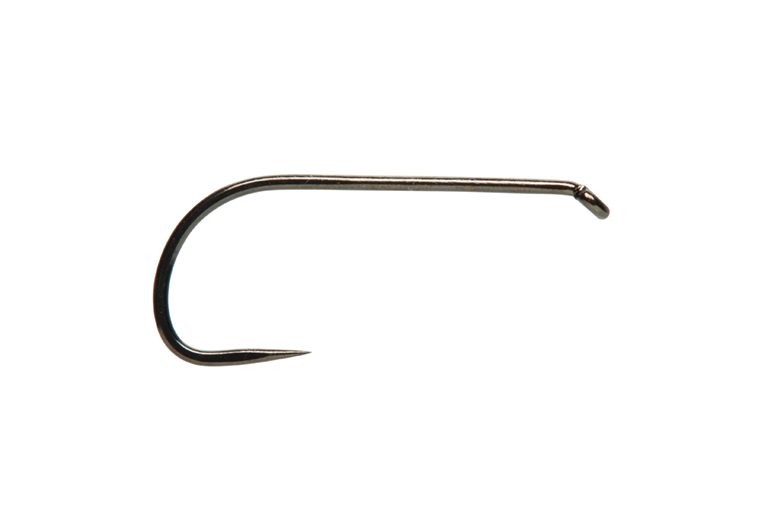
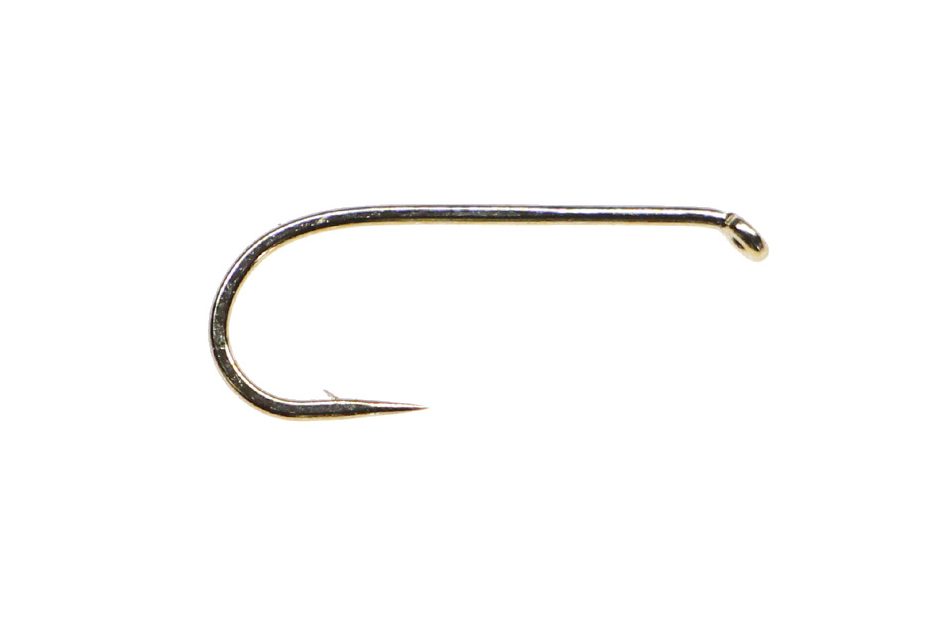
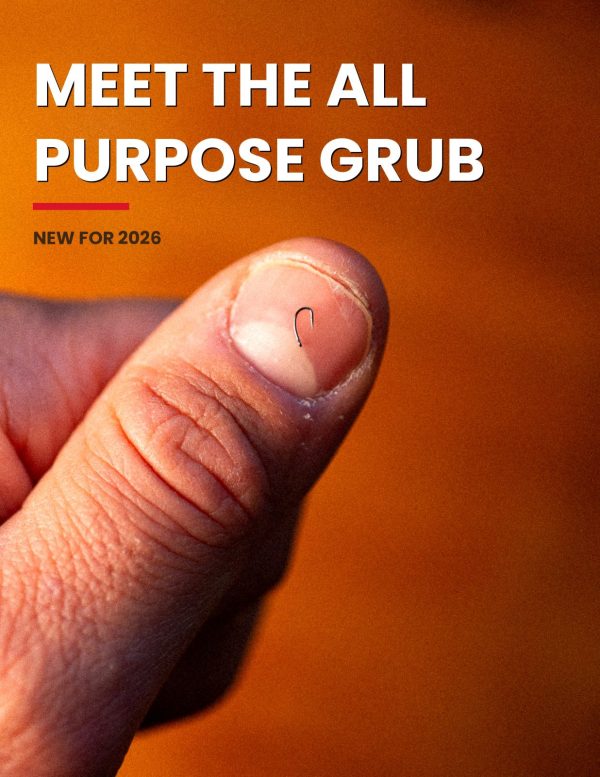
Although a nymph hook in name, the Czech Nymph Black Nickel Barbless hook is one of our favorite hooks to use for dry fly emergers. Whether it’s Klinkhammer-style emergers, deer hair emergers, or other low-riding dries, this hook is a great platform to work off of! Prefer a barbed hook for your emergers and crippled patterns? We recently released the All Purpose Grub Black Nickel, which is worth checking out. Our new Complete Dry Black Nickel Barbless hook has quickly become a go-to barbless dry fly hook for a range of mayfly dun, upright patterns, and spinners. If you feel the need to fish a barbed dry fly hook, take a look at our Down Eye Dry hook. It is about as classic in design as it gets for dry fly fishing. Ask for these hooks at your local dealer or click on the images to shop online!
Hendrickson Dubbings
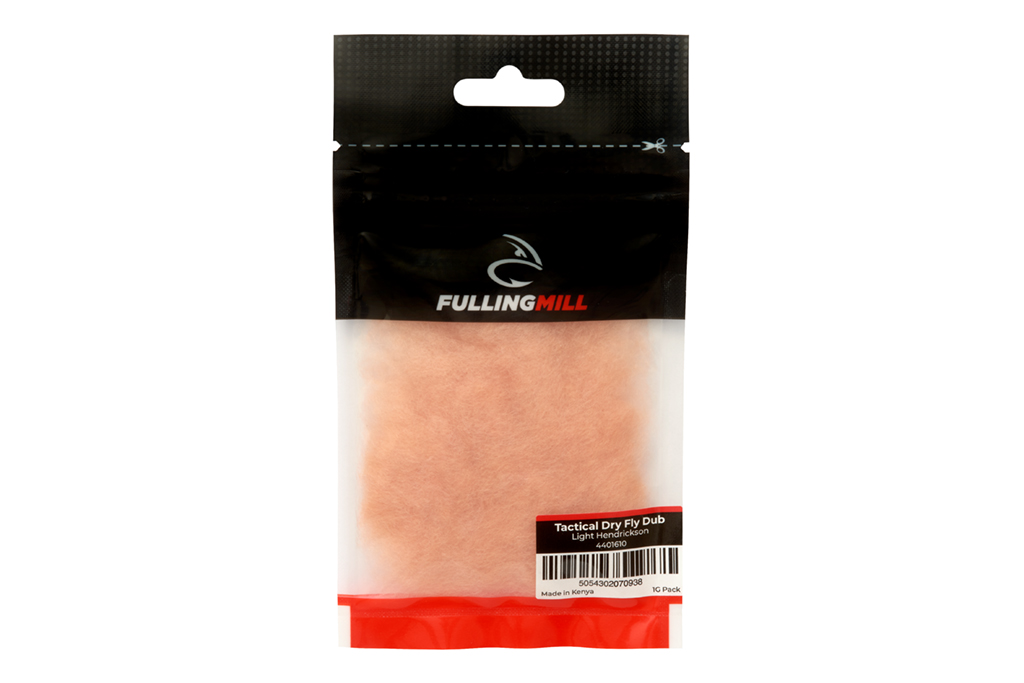
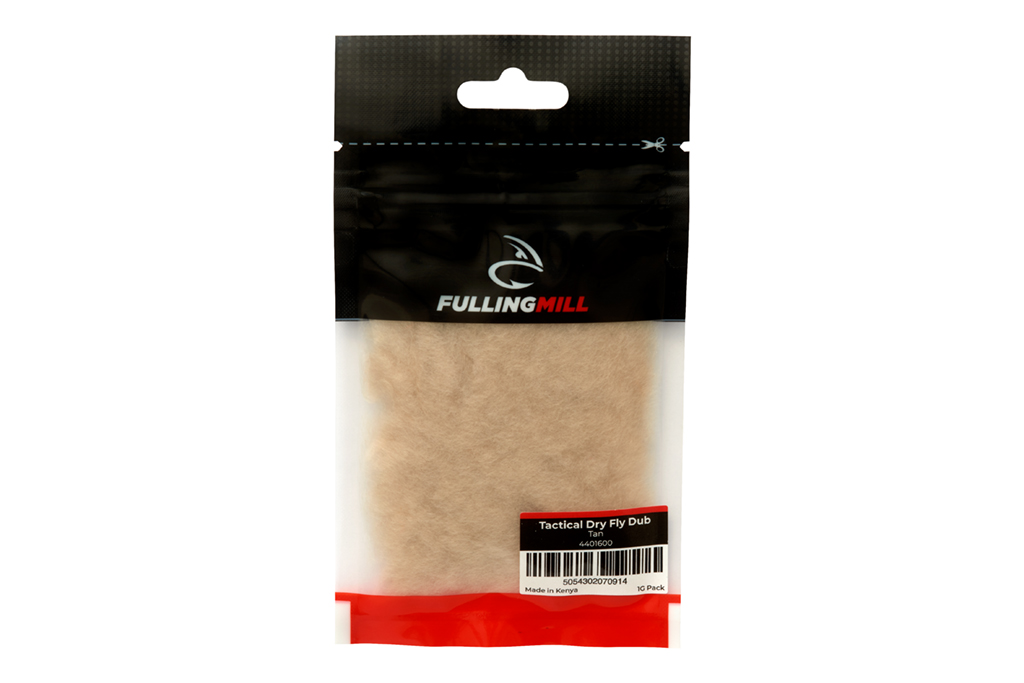
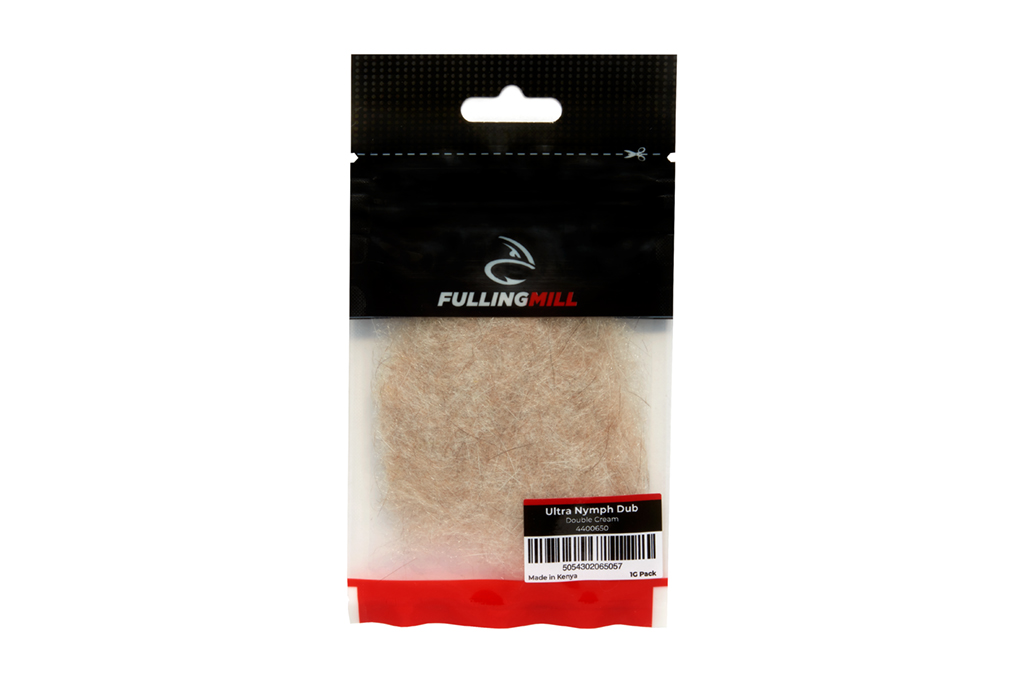
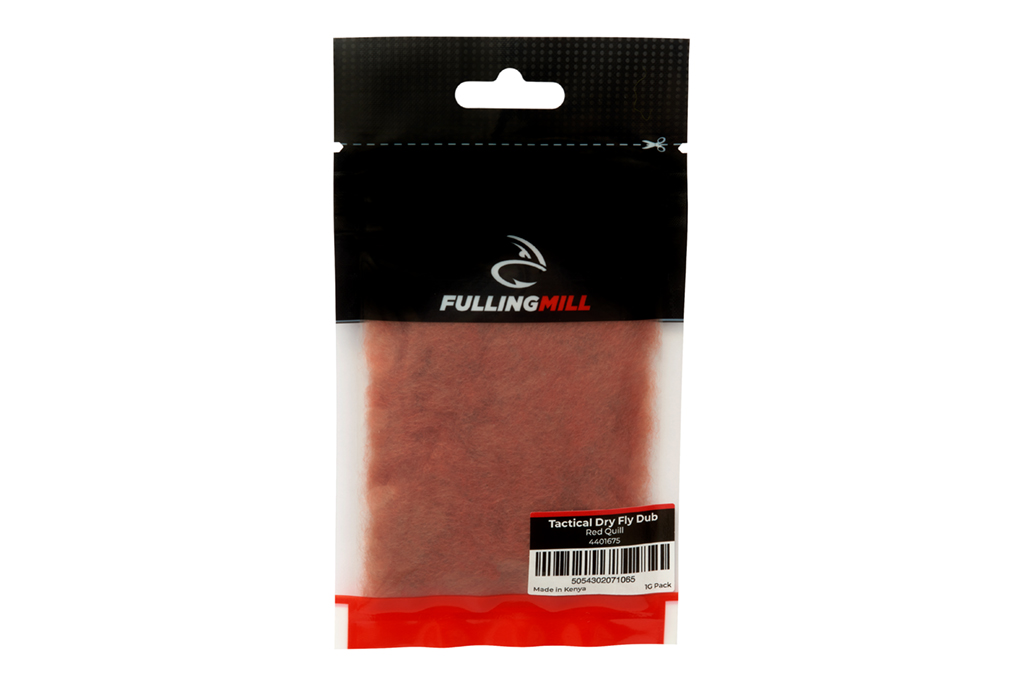
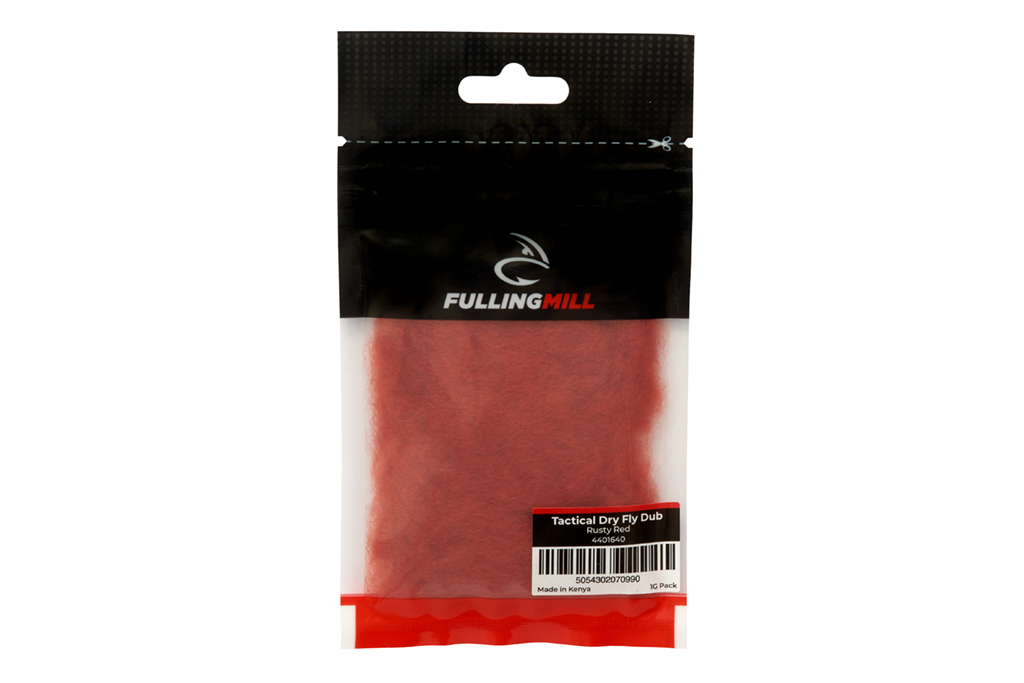
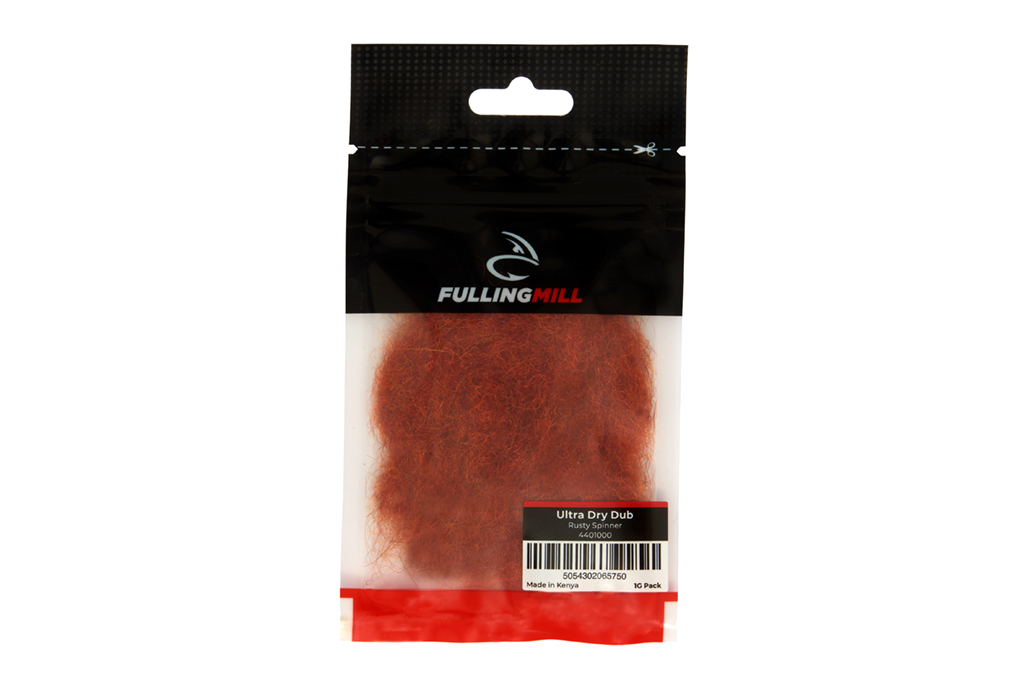
Can you ever have too many dubbings? Probably, but let’s face it. The aquatic insects that we love and try to imitate when tying flies come in a variety of colors and textures. Below are some of our top dubbings for tying Hendricksons. Our Tactical Dry Fly Dub has a ton of colors to choose from, depending on the hatch and life stage of the Hendrickson. If you’re looking for a nice dubbing for dry flies and Hendrickson nymphs, take a look at our range of Double Cream Ultra Nymph Dub. Whether it’s the lighter females or more reddish males, we have you covered for fishing a Hendrickson mayfly hatch.
Body & Rib Materials for Hendrickson Dry Flies & Nymphs
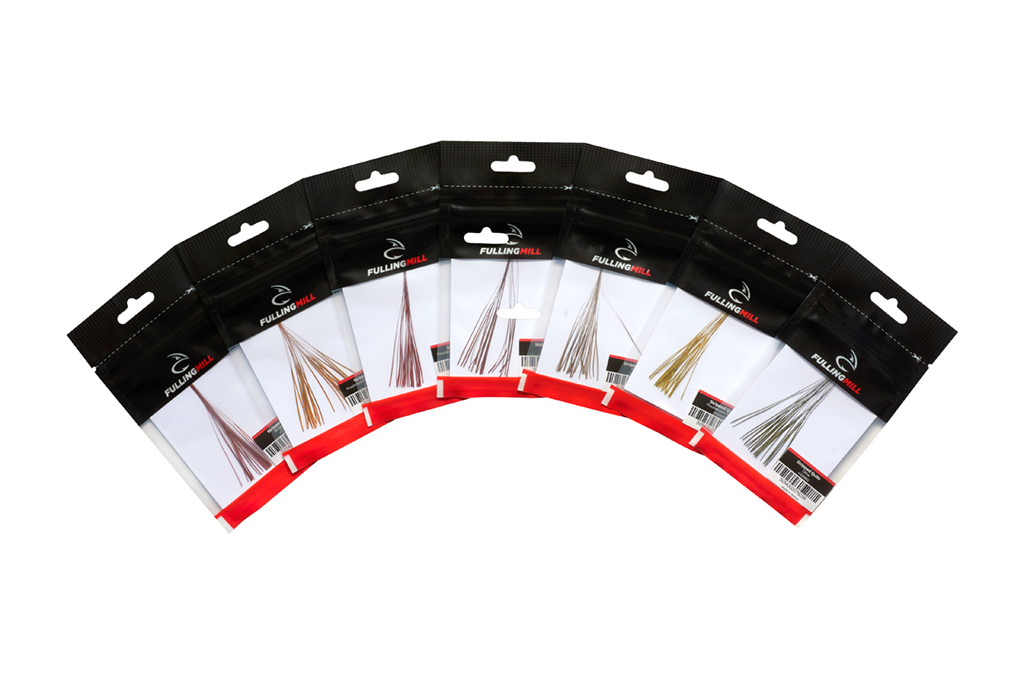
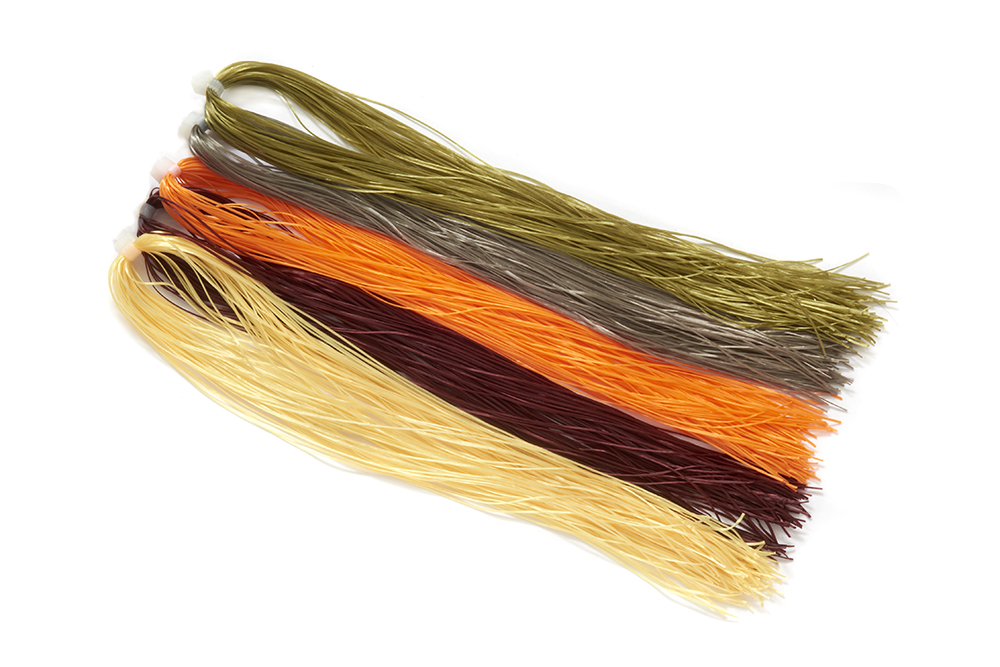
While dubbings are a great option for nymph, emerger, and dry fly bodies, Turkey Biots, Stripped Peacock Quills, and Flex-Floss Micro can be used to craft super realistic, segmented, and durable bodies on a range of patterns. We offer these items in a range of colors well-suited to match almost any hatch you’re preparing for.
Shuck, Wing, and Post Materials
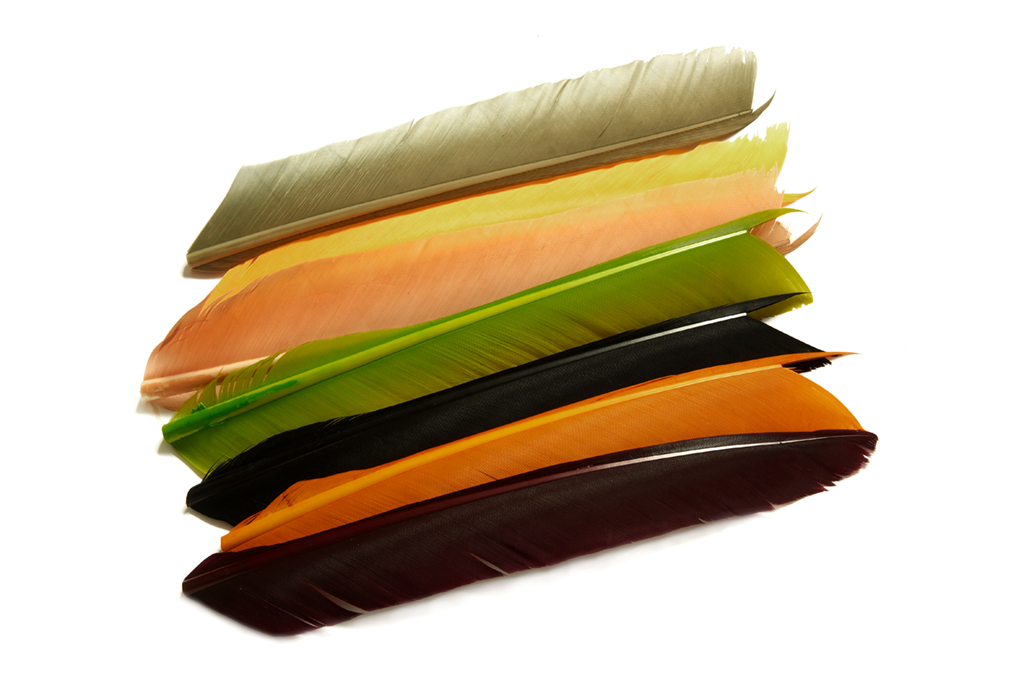
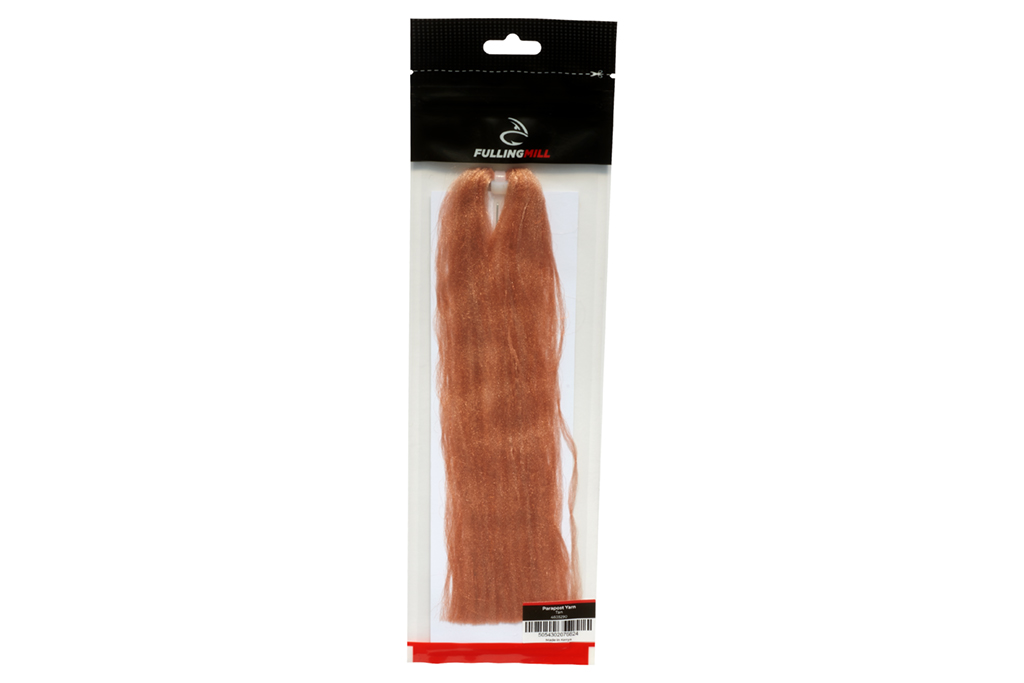
We have two synthetic yarn materials that can serve fly tyers well when tying realistic and visible dry fly patterns for fihsing a range of hatch conditions. Our Parapost Yarn not only works well as a post material in parachute-style flies, but it is also a great nymphal shuck material. Watch how Signature Tyer Tom Rosenbauer uses Parapost as a shuck and learn to tie his Rabbit Foot Emerger Tying Tutorial here!
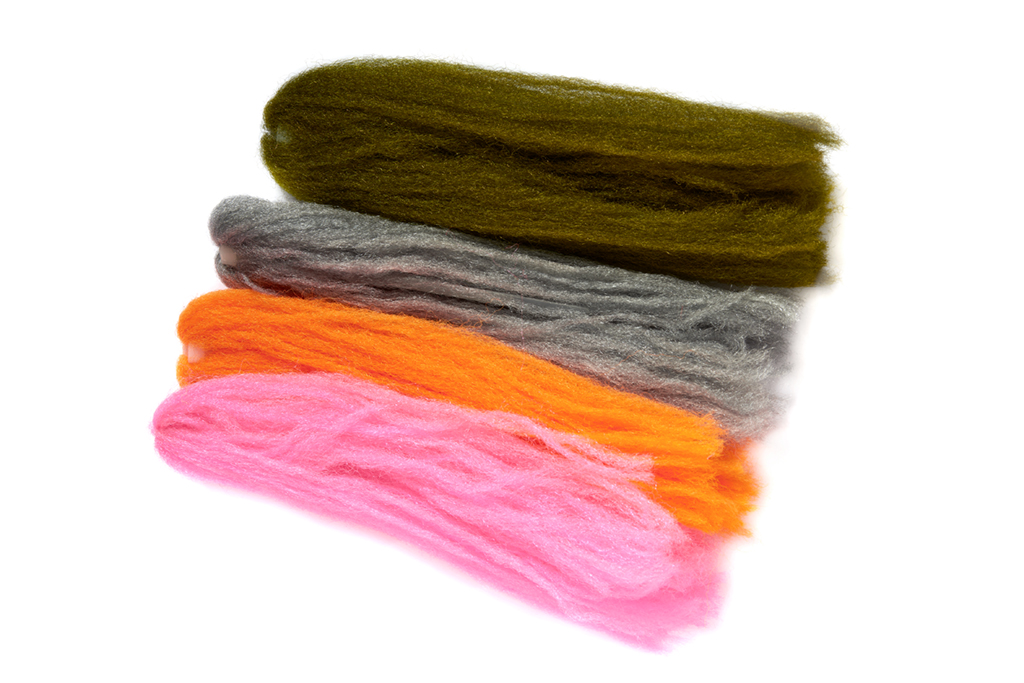
Our Ultra Dry Yarn is treated for maximum buoyancy. Choose from either muted tones or hi-vis colors, depending on the application. This stuff is an awesome wing or post material. In this video with Signature Tyer Jack Arnot, learn how to blend Ultra Dry Yarn to imitate the modeled nature of mayfly wings.
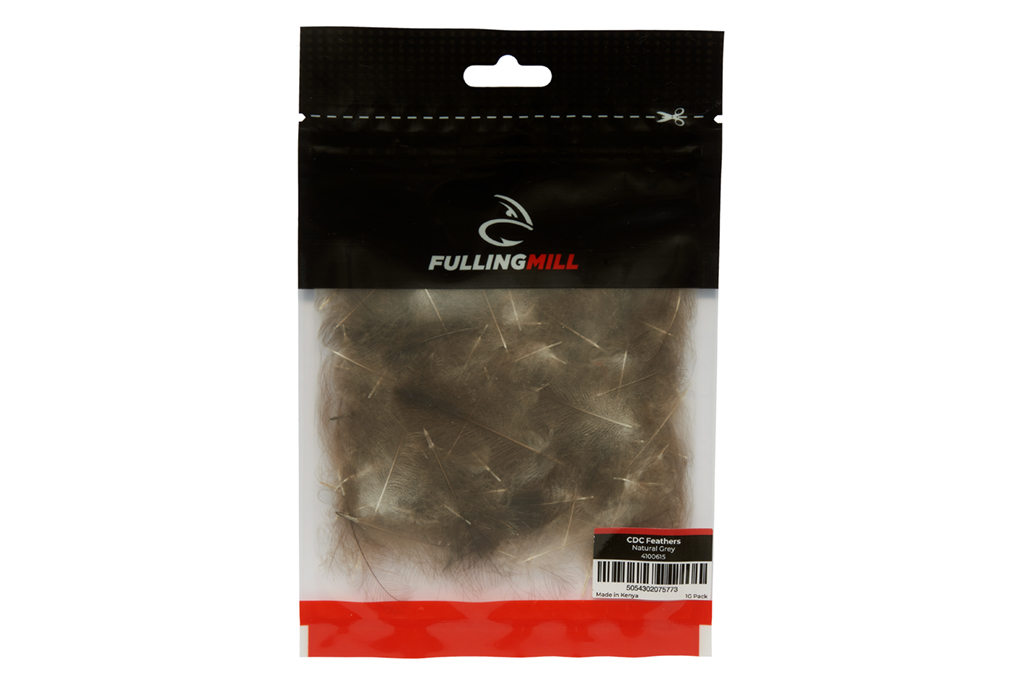
Naturally, CDC is one of the best natural materials there is for adding movement to mayfly nymphs, or wings on emergers and adults. Choose from a range of colors of CDC depending on the hatch you’re trying to match! Offered in 1g packs and 3g bags.
Gear up for Hendricksons and hit the river!
Ask for these fly tying materials and Hendrickson flies at your local fly shop or shop online for more!



)