Fly Fishing and Your Health: How One Day Fishing Can Change Everything
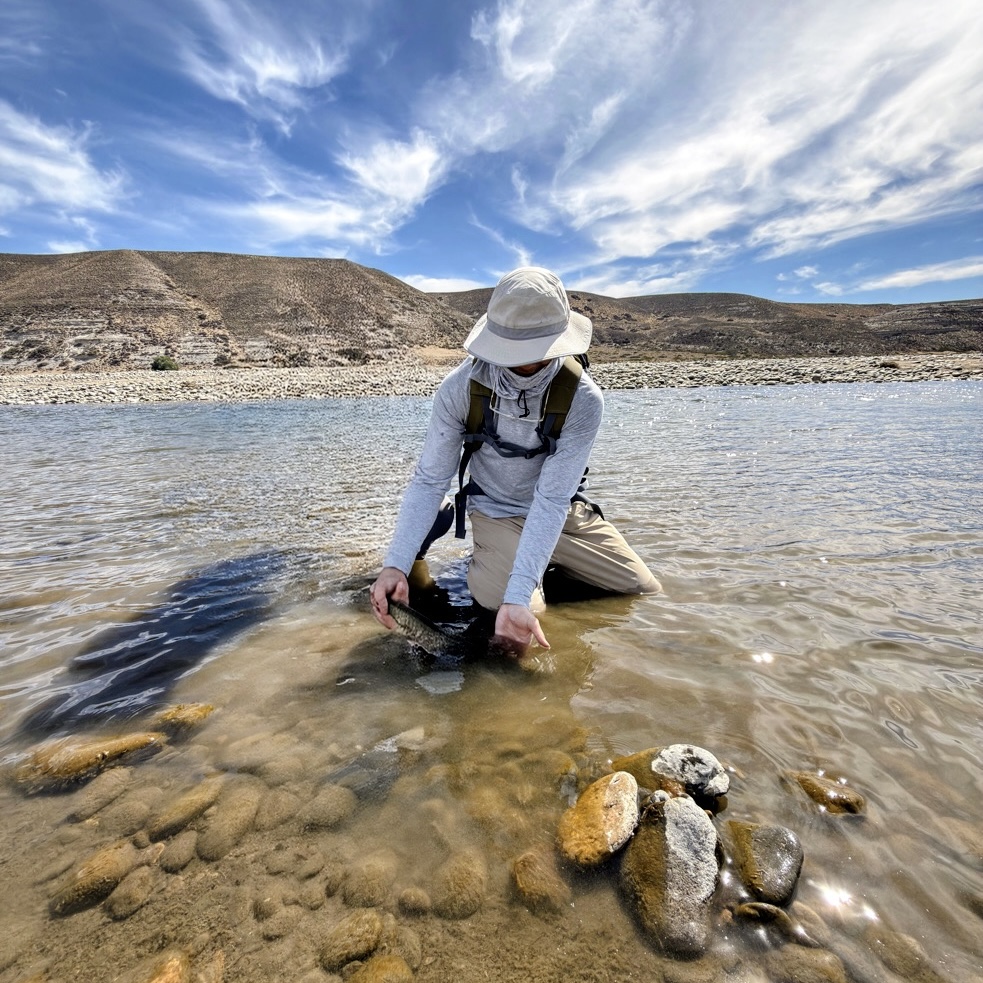
Published: 15th May 2026 | Author: Jo TangoOn a recent trip to Patagonia, my body turned into a science experiment. I packed my fly gear and also brought a sensor: an Oura Ring on my finger. The fishing was off the charts, the scenery was beautiful, and our group of anglers got along very well. If you’re interested, you can read more about it here.
When I got back home, I was surprised: my Oura charts showed that I had changed. “Cumulative stress” was down, and “resilience” (the body’s ability to recover from stress) was up.
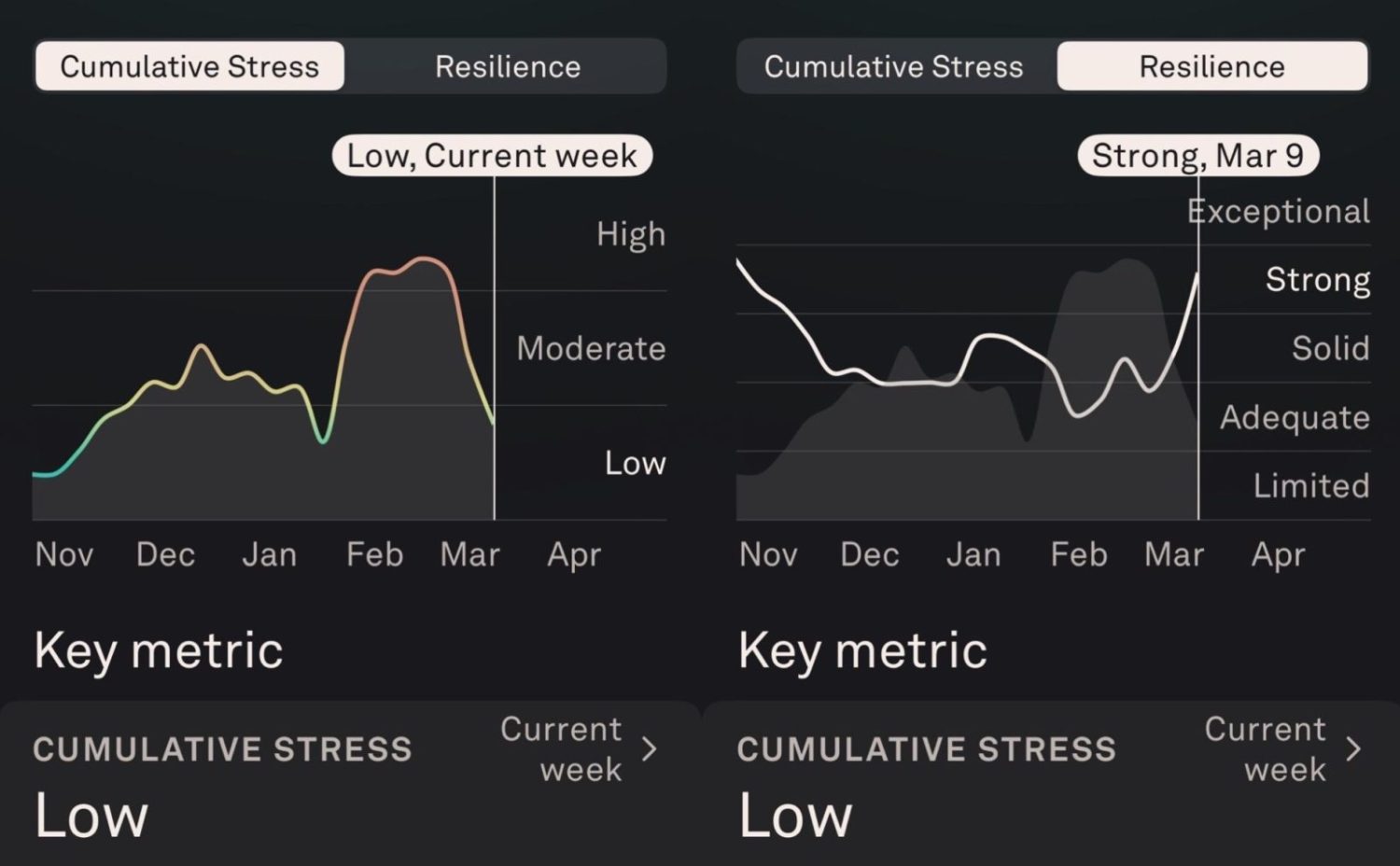
A screenshot from author Jo Tango’s Oura Ring showing the change in cumulative stress and resilience after one day of fishing.
My Oura Ring read: You’re in a great place! Cumulative stress is low and getting lower, and your resilience is strong and improving. Your system is showing signs of lasting balance.
Fly fishing is good for us, and neuroscience is the reason.
Fly Fishing and Dopamine
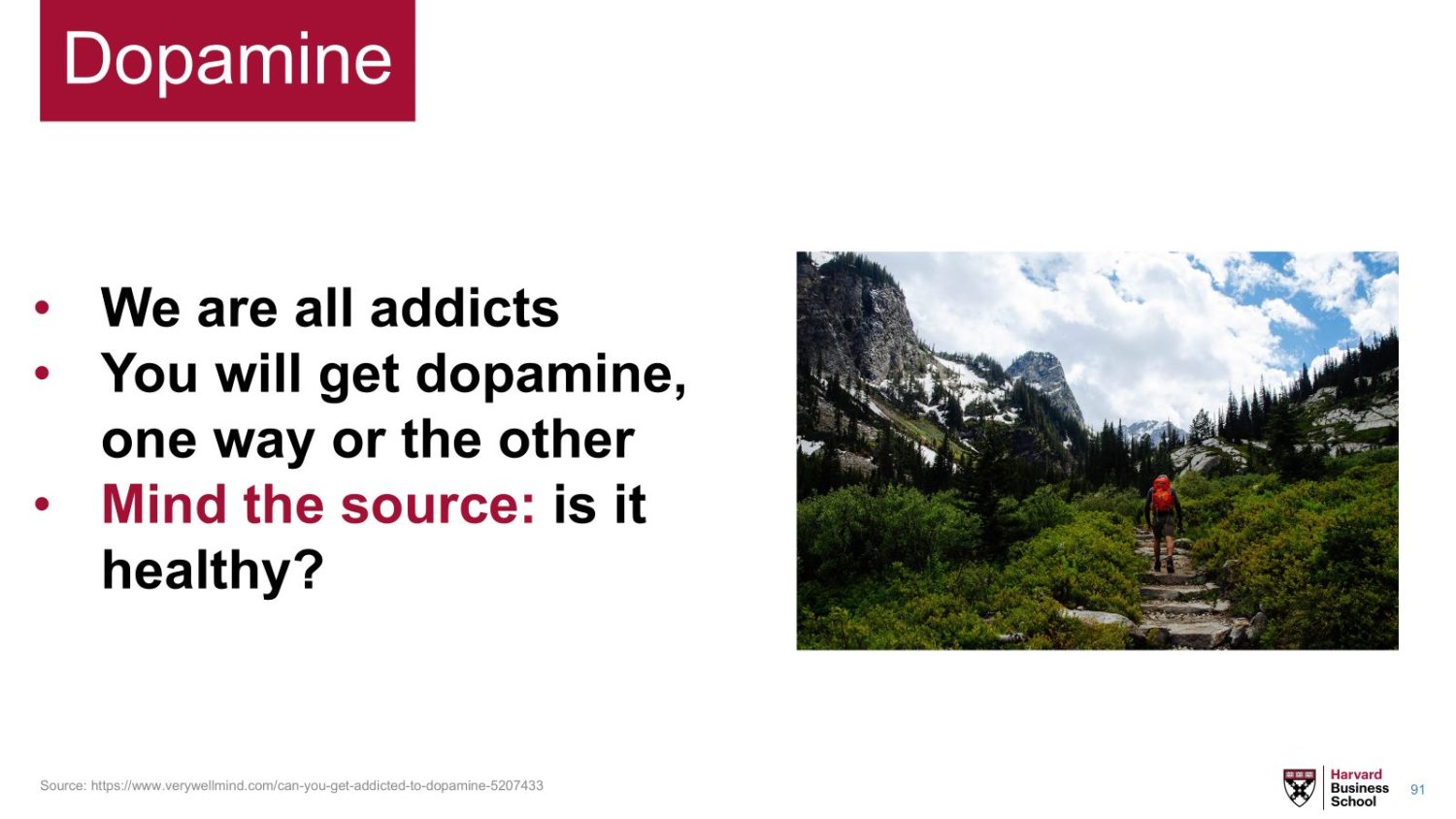
At the center of this is dopamine. It is the neurotransmitter that makes us feel accomplished, confident, and on top of the world. Our brains unleash it when we get a raise, finish a home project, or finish a long hike. And when we land a large fish.
In a sense, we are “dopamine addicts.” We are wired for it, and we crave it. And that craving will be filled one way or another. If we don’t develop the ability to generate it, we will ingest it. You know what I mean.
Worry Begets Worry
I think we’ve all been there. We have worries: bills to be paid, family and friends who disappoint us, and negative news headlines. Life is complicated.
That is also part of our brain wiring. Our species dominates the planet because we can learn from the past and plan for the future.
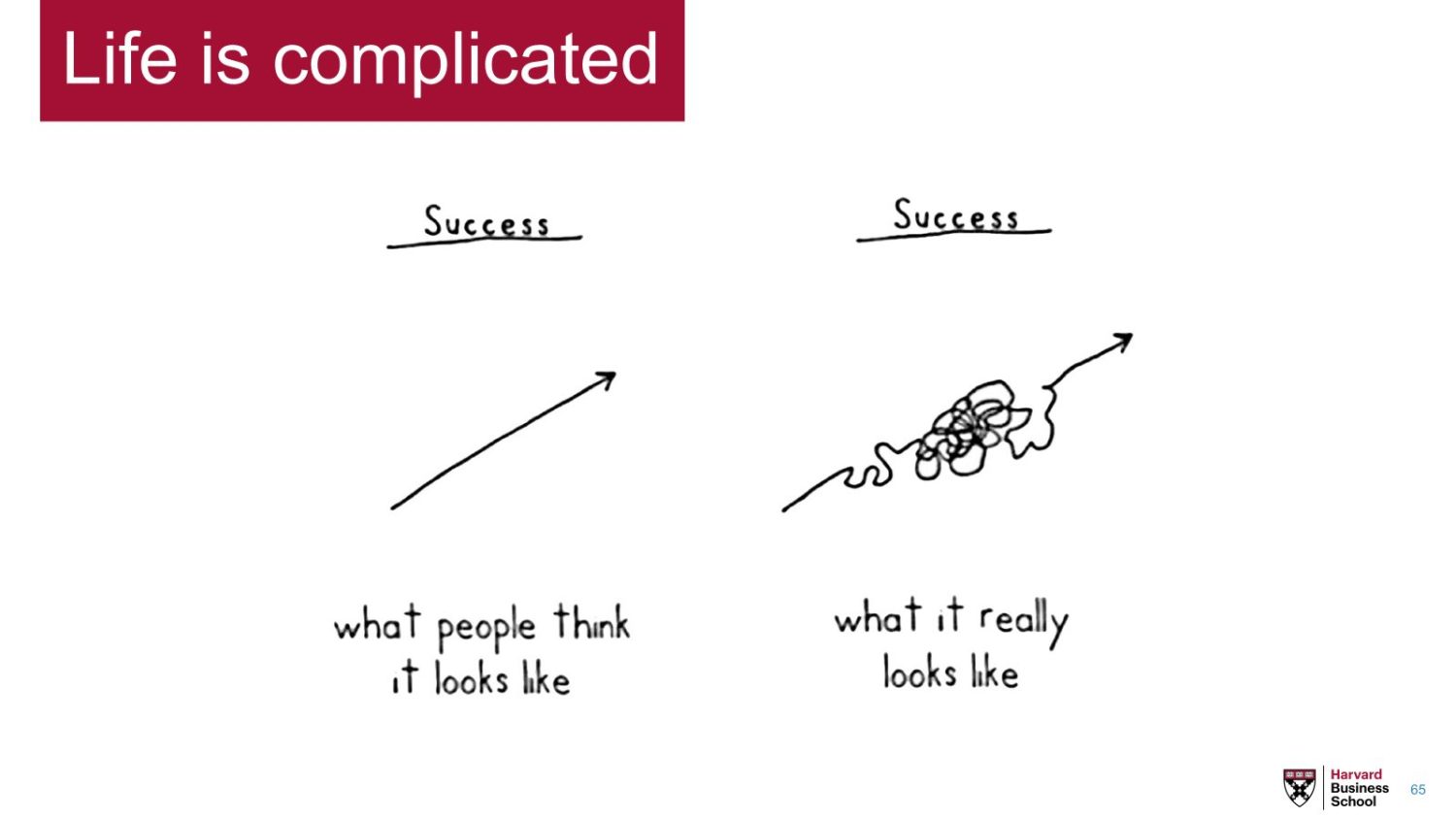
Too much of that, though, is costly. Rumination is bad for us. In fact, a Harvard study showed that “a wandering mind is an unhappy mind.” When we are not living in the moment, when we are dwelling on the past or fearing the future without a break, we become unhappy.
Unfortunately, the brain also optimizes for efficiency. When we shift into worry mode, those neural pathways get stronger and stronger. So, worry literally creates more worry. Our “worry pathways” get more pronounced. All this can lead us to spiral downwards.
How do we break this? Find “flow.”
Flow State: Total Focus, Zero Worry
Another Harvard study shows that time spent outdoors in general can boost happiness. I think it’s extra true if we couple that with “flow.” It is a mental state: we are completely in the moment, and time stands still.
You likely have felt this on the water. It’s a sunny day, the sound of water is soothing, and you see active fish. Bugs are popping, you put on your favorite dry fly, and you cast to rising trout over and over. You’re fully mesmerized. Hours go by in a flash. Worries are far from your mind. And when a good fish writhes in your net, you feel incredible pride and joy.
That’s flow.
Flow is critical because it unleashes a ton of dopamine. That’s why there is almost never a bad day on the water. Even if the fishing is tough, you likely drive home happy.
Two things are required for flow: level of difficulty and skill. If you look at the chart on the right, flow is in the middle. When something is challenging and we have low skill, we are anxious. If something is not challenging and we have high skill, we are bored.
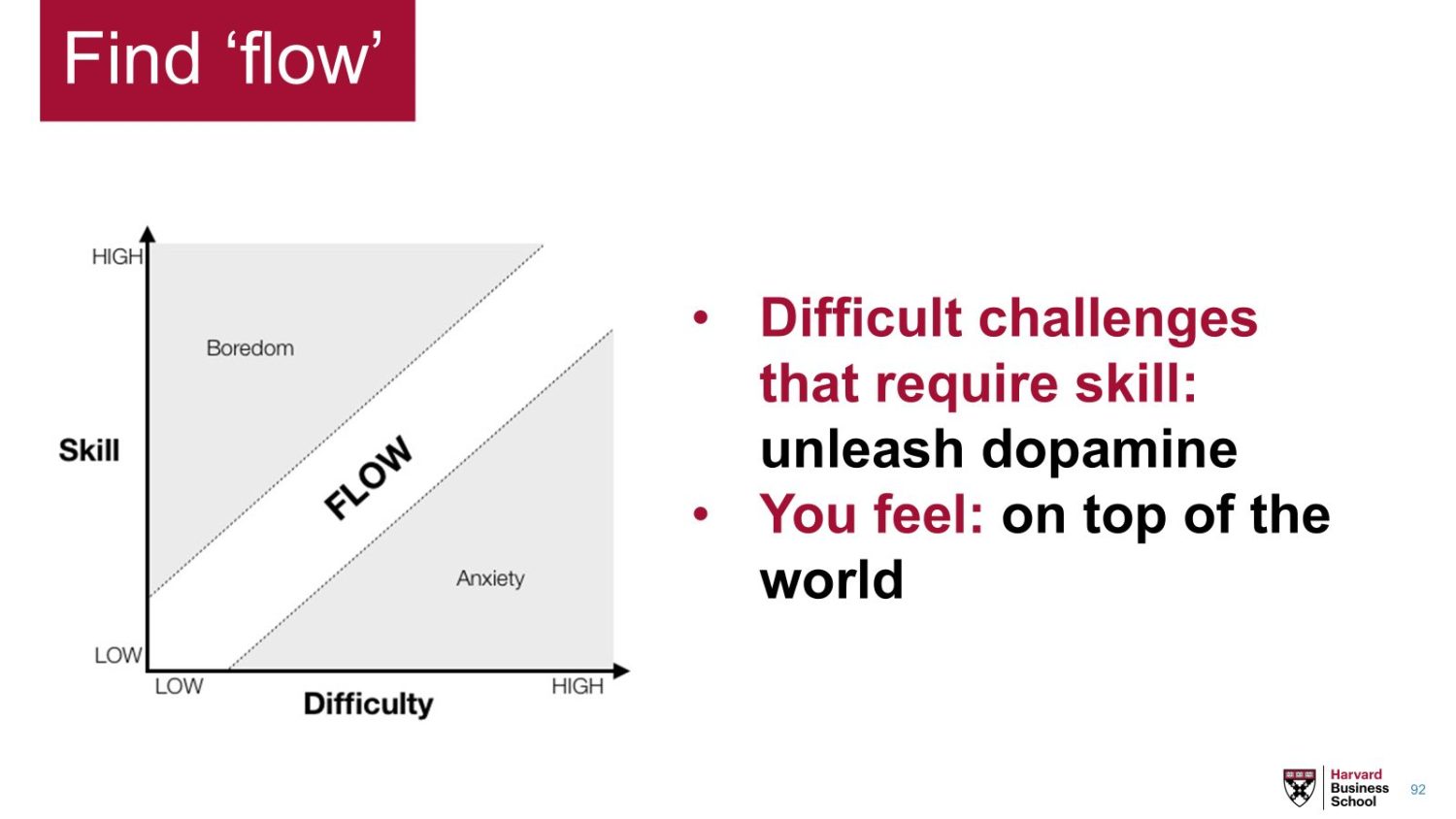
Flow is the “Goldilocks” zone.
Fly fishing demands flow. We must read water, choose flies, tie knots, and execute casts. We must fight and land fish without breaking tippet or losing tension. Each piece requires attention.
All of that pulls us from our worries.
What Now?
Three suggestions. First: fish more! It may sound self-serving, but fly fishing is good for us. Consider going out a few more times a year.
Second, consider fly tying: it definitely creates flow. I’ve found that making my own flies has been rewarding. I can give the fish a different look, and I can be absorbed in making an interesting fly.
One of my favorite flies to tie, and fish is the Sulphur Nymph, which has done very well in New England and in Montana. It uses Fulling Mill’s 5065 Czech nymph hook: it’s barbless for cleaner hook sets that are also better for the fish. I also like the black color because I am convinced that pressured fish are turned off by shiny hooks. The fly also uses their turkey biot, which I’ve found to be the best in the industry.
Third, invite a family member or friend to join you. Some of my favorite life memories have involved fishing with my children and the BlogFlyFish.com crew.
Build Your Community
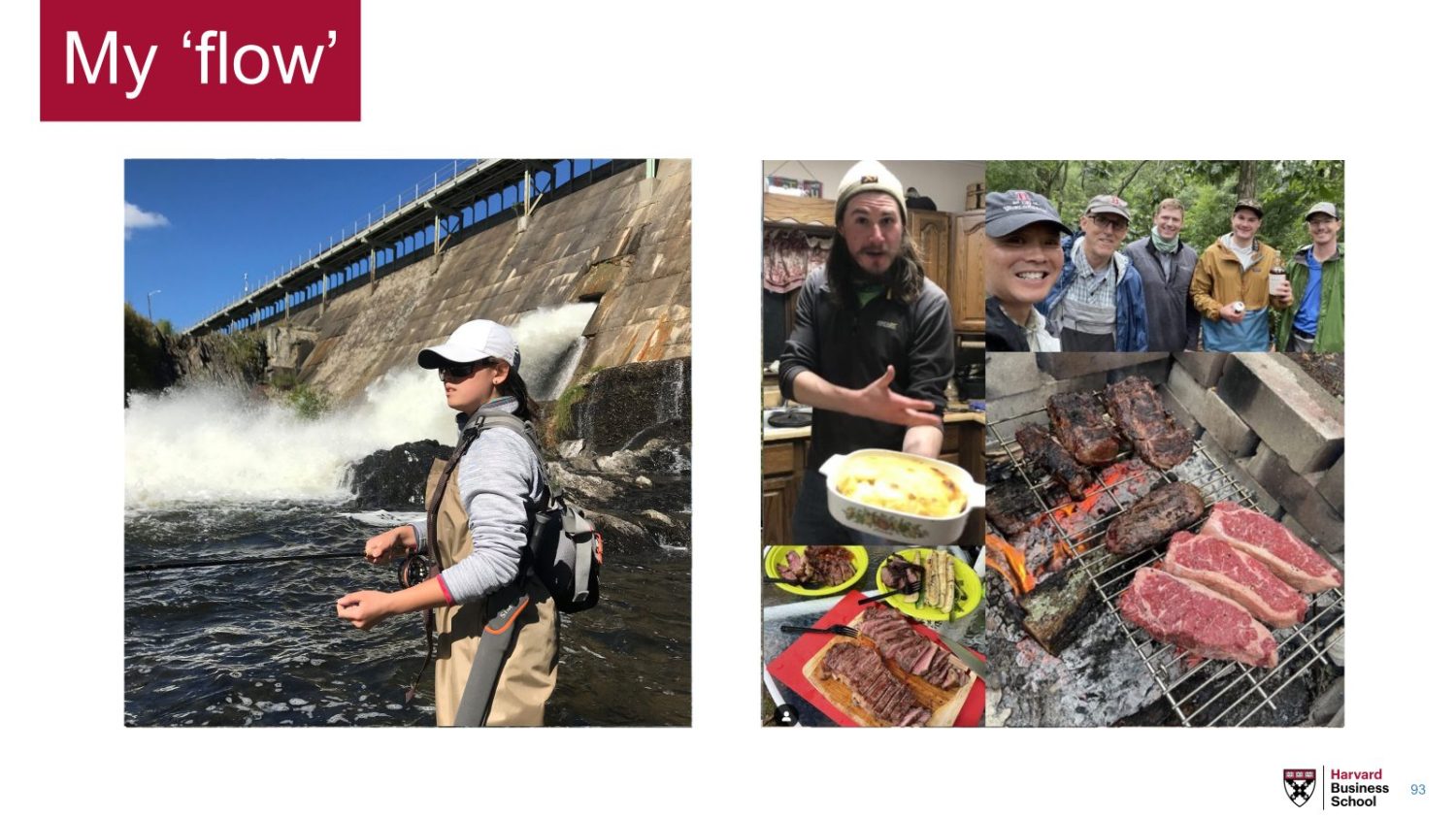
The blog has been very fulfilling. It is not a business. It has been a “flow machine” for two reasons. First, our goal is to help the community: we donate all profits to Project Healing Waters and Casting for Recovery. We find it meaningful to support veterans with PTSD and those recovering from breast cancer.
Secondly, the blog accidentally created for us our own community: over the years, we writers have become friends. Jamie Carr, Joe Drake, Dave Hyde, and Ashu Rao are a fun group. We fish together and soon will be going for another long weekend in Maine. While there, we will cast and hopefully catch, feast, and tell tall tales. We will laugh a lot.
Having warm human relationships is key. There is (yet) another Harvard study called “The Grant Study.” Its goal: what makes for a happy and meaningful life? The study has tracked subjects since 1938 and is now monitoring their children. In fact, it is the longest, most robust analysis ever done on human beings. The TED Talk about it is one of the most-watched ever.
The #1 finding: “Happiness is love. Full stop.”
The study found that human relationships serve as an immunity system to prevent the body and mind from decline. People with warm connections with others lived longer, were physically and mentally healthier, and made more money. For many of us, family relationships can be complex. But while we cannot choose our family, we can choose our friends. And, we can choose to fish with friends.
So, the next time you are debating whether to go on the water, remember this: the health benefits of fly fishing are real. You will come home with a calmer mind, a stronger body, and more resilience for whatever comes next. You will be happier.
Thank you for reading. I wish you good health and peace. Tight lines!
)