Match the Hatch Series: Baetis & Blue Winged Olives
Published: 10th April 2026 | Author: Fulling Mill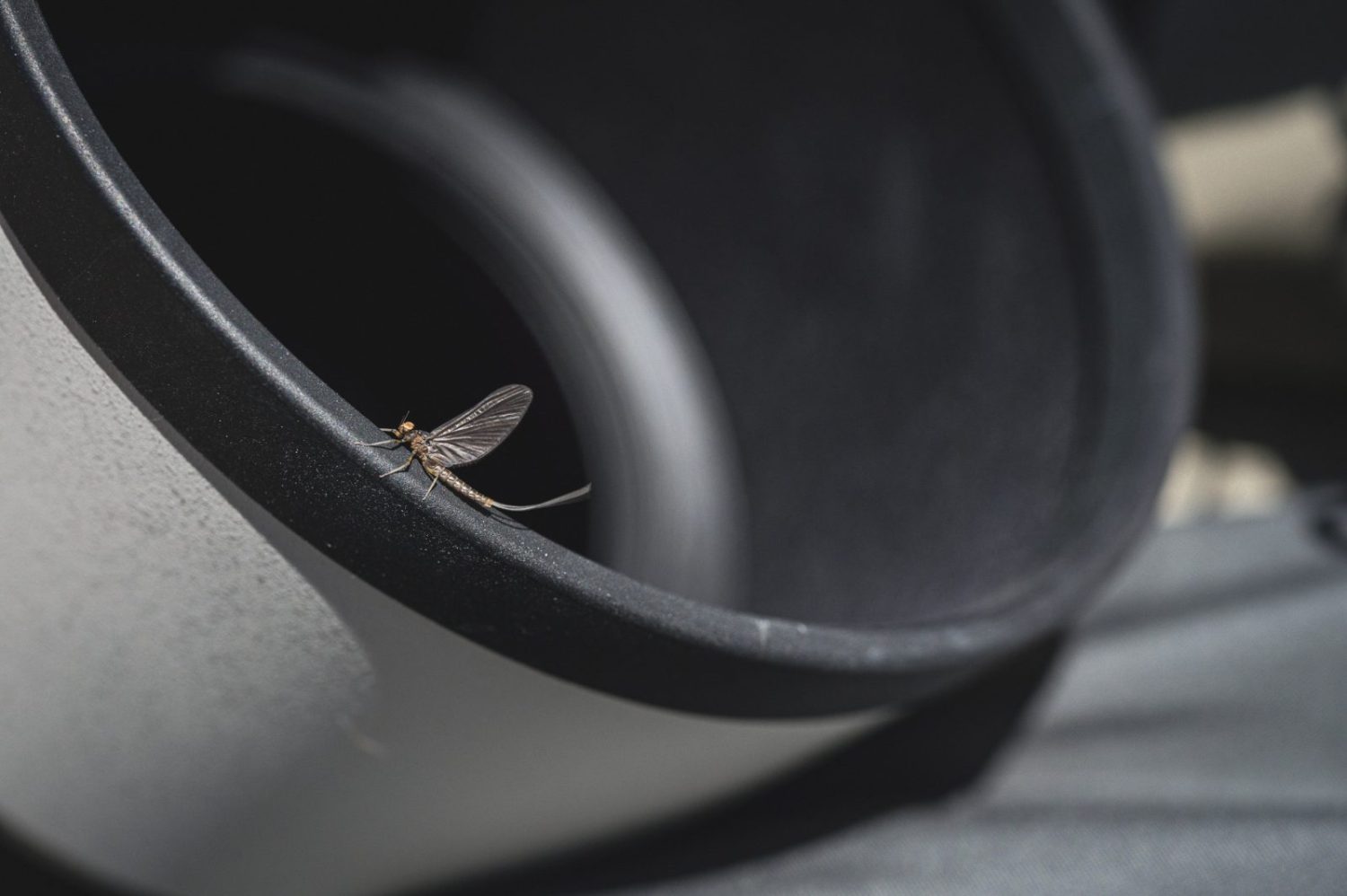
Match the Hatch: Introduction to Baetis and Blue Winged Olive Mayflies
Understanding mayflies, their behavior, and how to match the hatch is one of the key pieces of becoming a better angler. While there are a variety of important mayfly species in a trout’s diet, blue winged olives (BWOs) are an essential bug to fish in the spring and fall. This article focuses mostly on hatches in the UK and North America, but this information is still quite useful if you’re fishing Baetis and BWO hatches elsewhere. Before we present a guide to matching the hatch of Baetis and blue winged olives, first, let’s all get on the same page.
Baetis and blue winged olives are abundant mayflies found in flowing rivers and streams, especially where there’s aquatic vegetation and clean gravel or stone. Because of their habitat needs, Baetis and BWO’s are found in many different regions across the world. They are found throughout the British Isles and across North America in rivers of all kinds, and some stillwaters too. Throughout the UK and across the pond in America, BWOs are one of the most widespread and sought-after hatches for dry fly fishing. Read on to learn more about fishing these hatches and better understand these bugs that are largely celebrated by nymph and dry fly anglers alike.
If you’re new to fly fishing or just aren’t very experienced with fishing hatches, this article serves as a helpful guide. While there is no better place to learn than on the water, do yourself a favor and do your homework off the water. Whether that’s reading articles like this, practicing knots at home, stopping by your local fly shop, or hiring a fly fishing guide, preparation for your time on the water will go a long way and save some frustration.
Orvis Learn to Fly Fish Classes: 101, 201 & Specialty Clinics
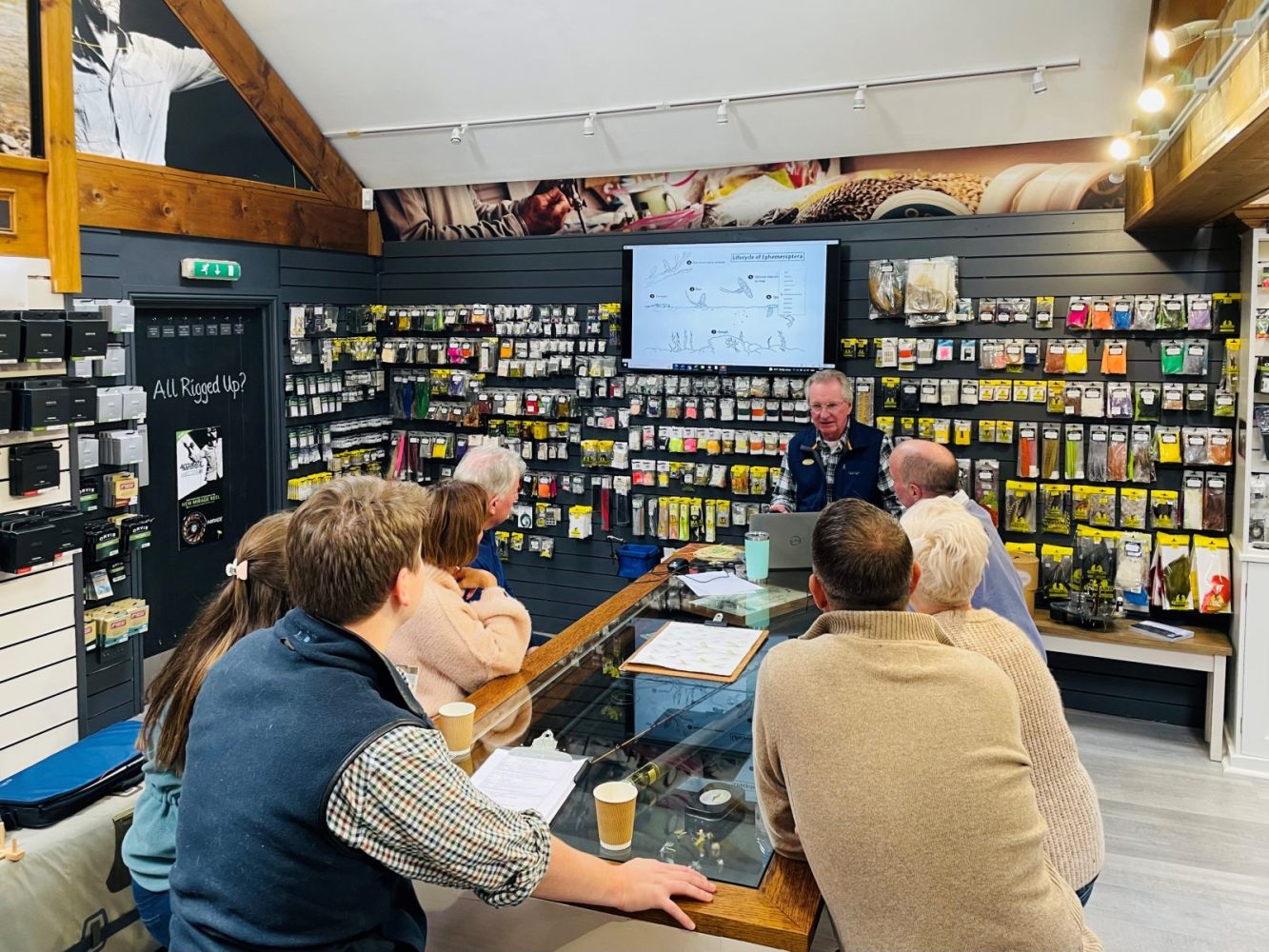
Learning about bugs and how trout feed on them is the key to becoming a more well-rounded fly fisher. But let’s face it, the learning curve to fly fishing can feel steep. That said, it doesn’t have to be! There is no better free resource for fly fishing instruction than through Orvis. Whether it’s outfitting you with the right gear, learning about the lifecycle of important insects for trout fishing, casting a fly rod for the first time, or advanced clinics for evolving anglers, Orvis has you covered. Orvis offers opportunities for all anglers via their Schools, Dealers, and network of Endorsed Guides throughout the UK and the US. Perfect for brushing up on the basics or diving deeper into the technical aspects of fly fishing.
Orvis set the industry standard for fly rods and fishing gear, and their commitment to bringing in new anglers to the sport and offering educational opportunities is bar none. Orvis 101 & 201 fly fishing classes teach lessons in entomology and fish behavior, fly casting, knot tying, and on-the-water experiences. If you’re interested in learning to fly fish or have already begun the journey, we highly reccomend taking an Orvis Learn to Fly Fish Session. Whether you’re treating yourself, or gifting it to a friend or family member, Orvis fly fishing classes will set an angler up for success. Support the acknowledgement of 60 years of Orvis Fly Fishing Schools!
Baetis or Blue Winged Olives: The Truth Behind These Mayflies
For the purpose of this article, we will use Baetis and blue winged olives interchangeably, but the fact of the matter is, they are not all the same. At an entomological level, there are numerous mayfly species that we group under the term blue winged olives, or BWOs. To better understand the species that make up what we call BWOs, we must consider scientific order. Generally, blue winged olives fall into two Genera, Baetis and Drunella.
While these bugs may vary in distribution, size, and color, they share enough commonalities that anglers categorize many of them as blue winged olives. Due to the many Baetis and Drunella species found in trout streams around the world that appear olive in color with blue-ish wings, it’s quite common for anglers to refer to them all as blue winged olives. To put it simply, there are distinct differences at the entomological level, but you can approach fishing these hatches nearly the same.
Stages of the Hatch
To better understand what patterns you need to be fishing ahead of and during a blue winged olive hatch, it’s important to have a general understanding of each life stage of a mayfly. Like all mayflies, BWOs start as nymphs living amongst the rocks and organic matter on the bottom. They spend most of their life as nymphs, and when the time is right, they emerge as winged adults. After reaching sexual maturity (spinners), they reproduce, lay eggs, and die. The following sections contain general information about how you should approach fishing each life stage, along with effective BWO patterns for each stage of the hatch.
Pre-Hatch
Baetis and other BWOs are on the menu for trout long before they emerge into winged adults. These are some of the first mayflies anglers see on the water in early spring, and some of the last mayflies in the fall. As winter transitions into spring, it’s worth having some BWO nymphs in your box. Not only that, but you should be fishing them!
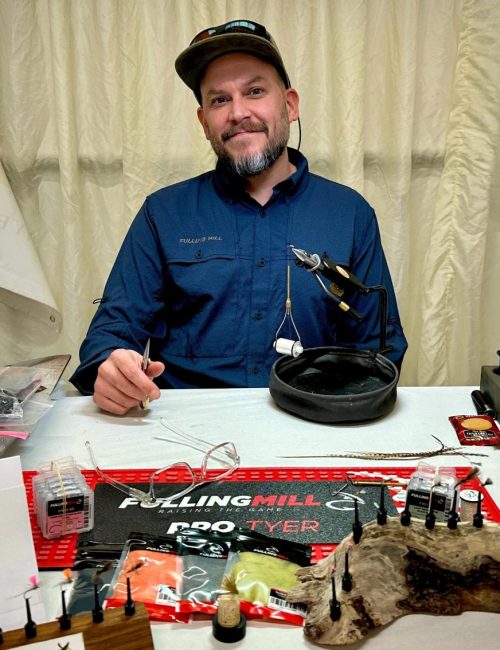
In the morning, fishing BWO nymphs in likely water can put some great fish in the net. Typically, as the day goes on, the fishing will only get better! In this video, Signature Tyer Devin Olsen talks about finding the perfect Baetis/BWO water. With Baetis and other BWO nymphs hatching out of the riffles, trout will often slide out of the slower water and push into the moving water to pick off nymphs in the drift. Check out the video Understanding Trout Behavior with Signature Tyer Devin Olsen and watch how Devin finds trout feeding on Baetis in the head of the run. It’s fast water situations like this where a nymph angler can have some of the most fun.
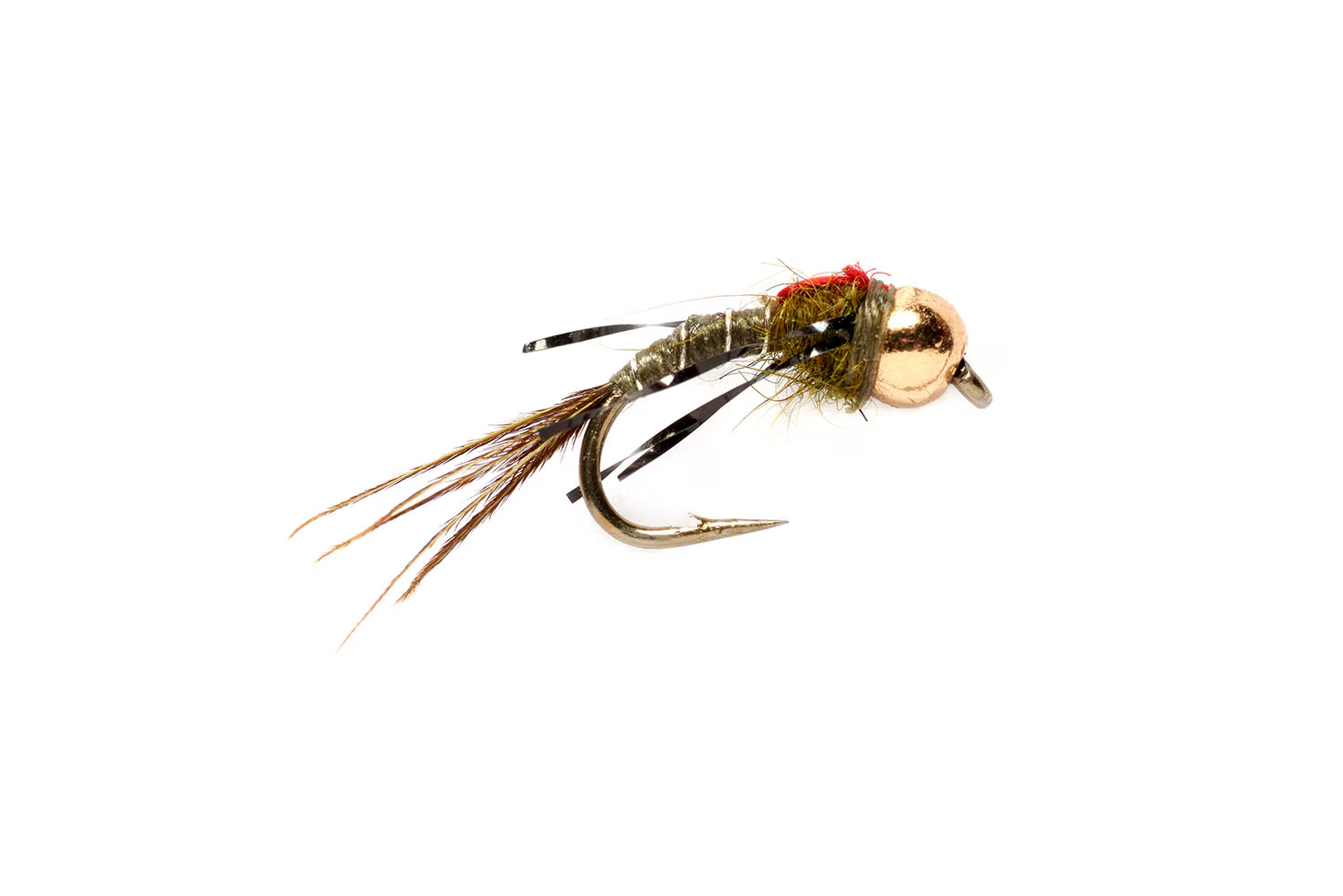
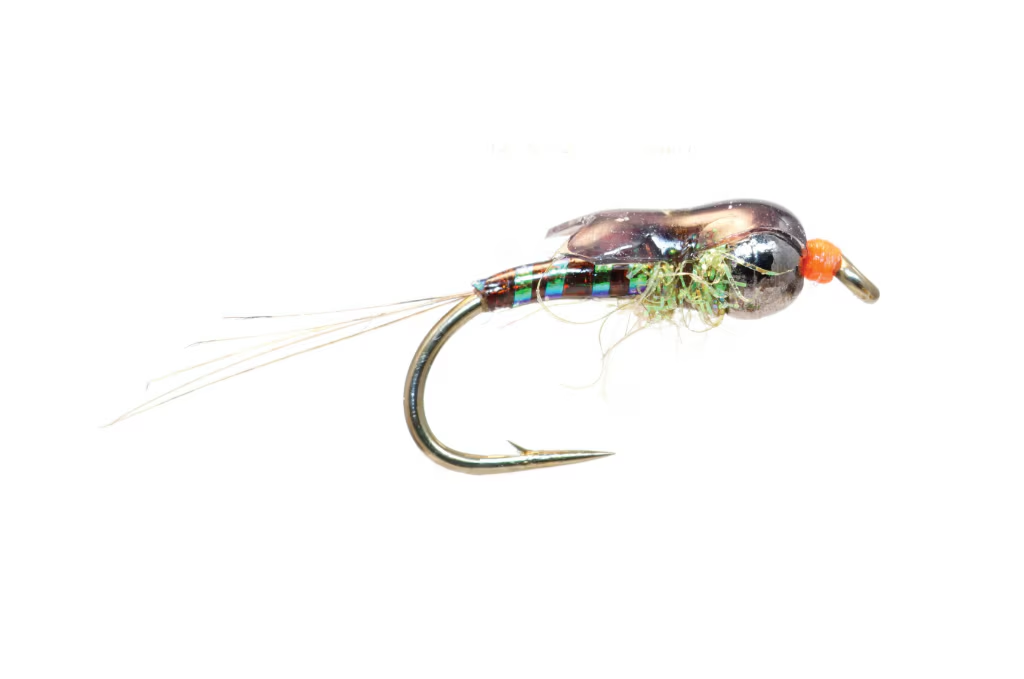
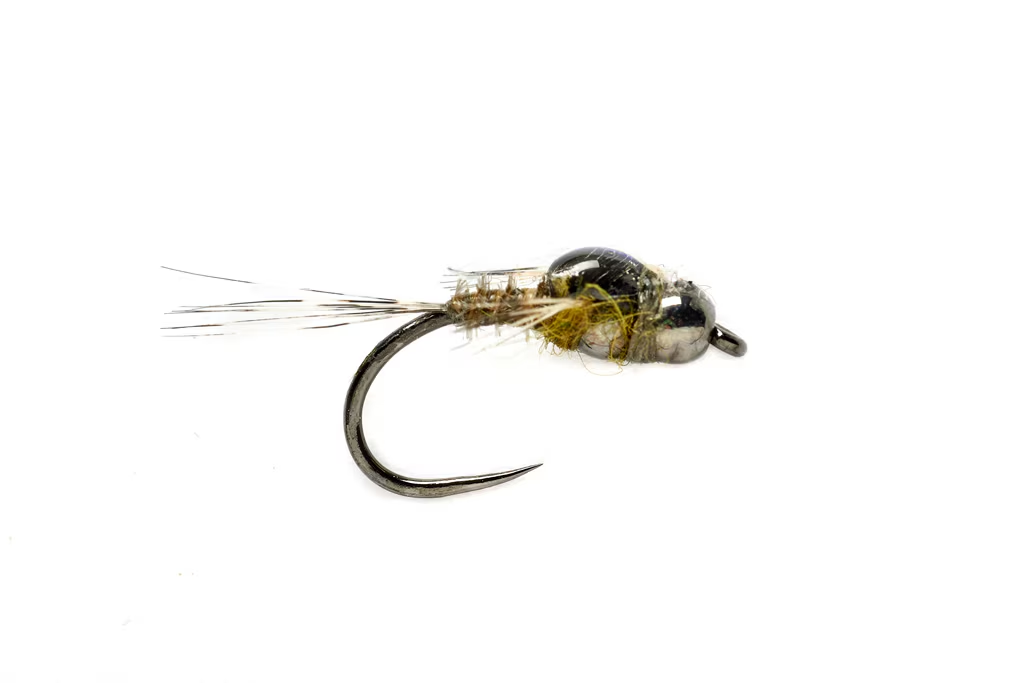
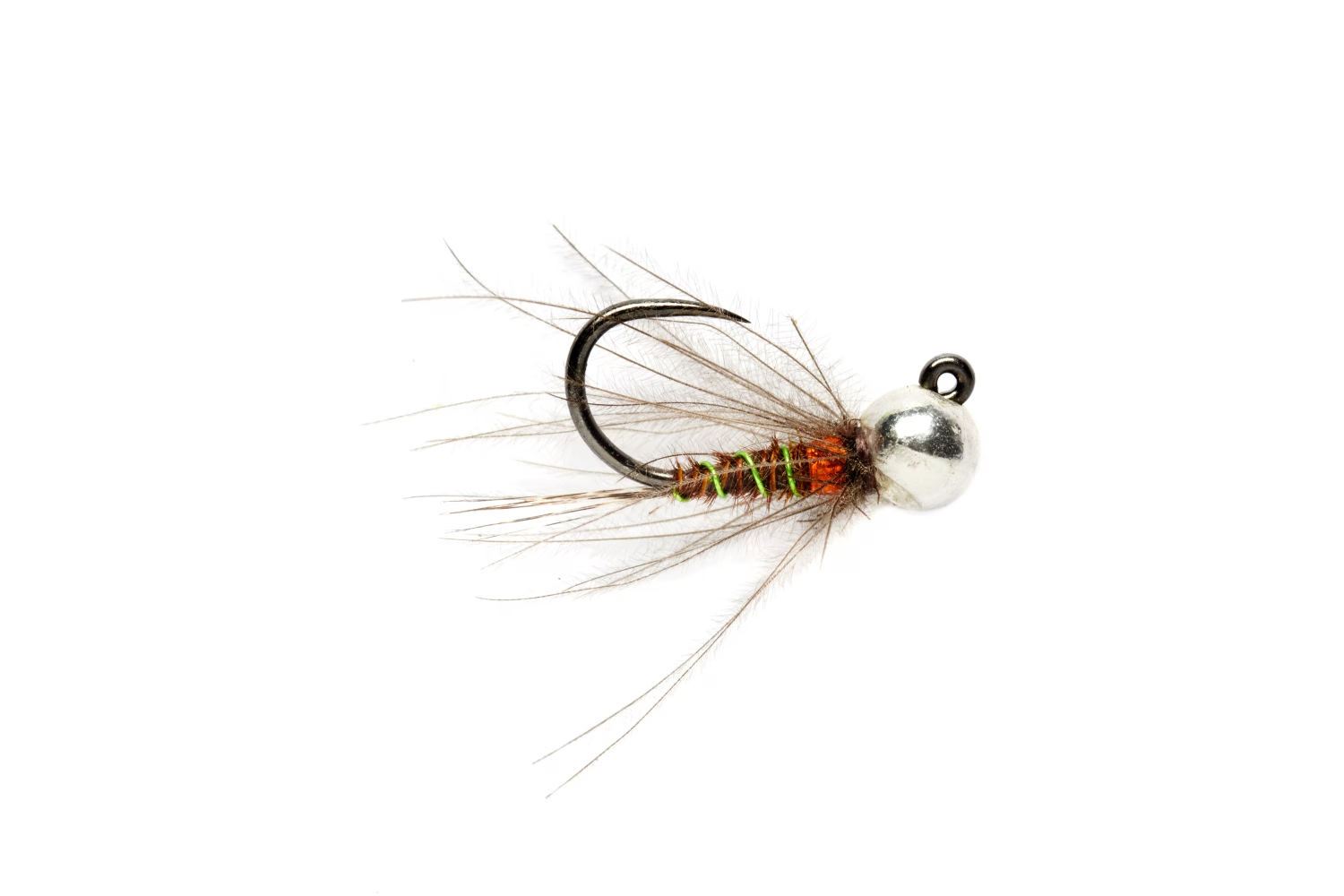
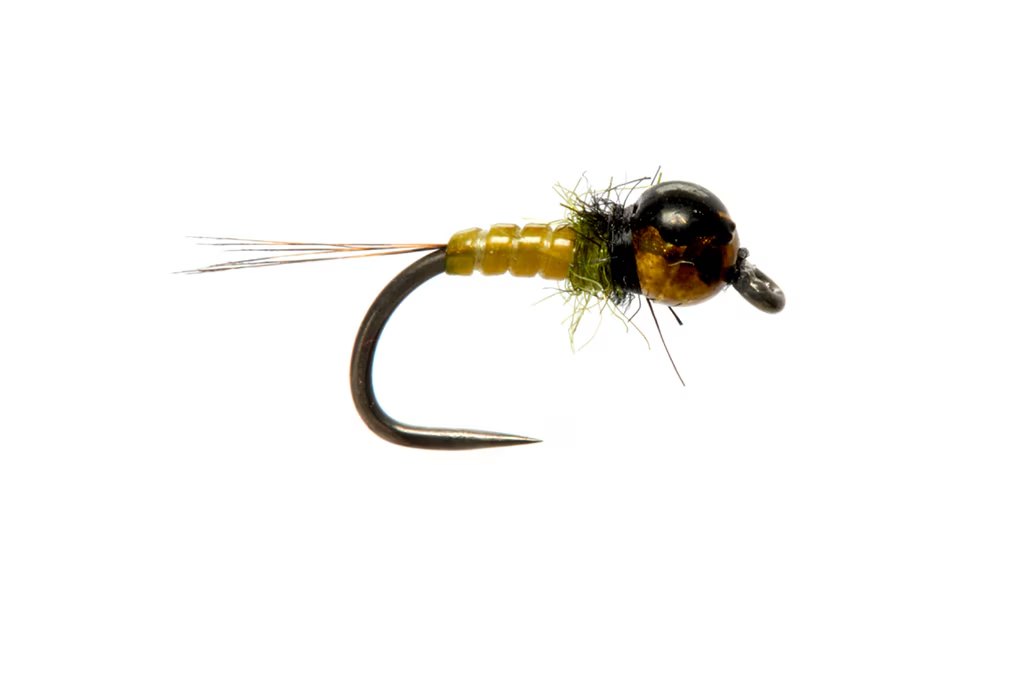
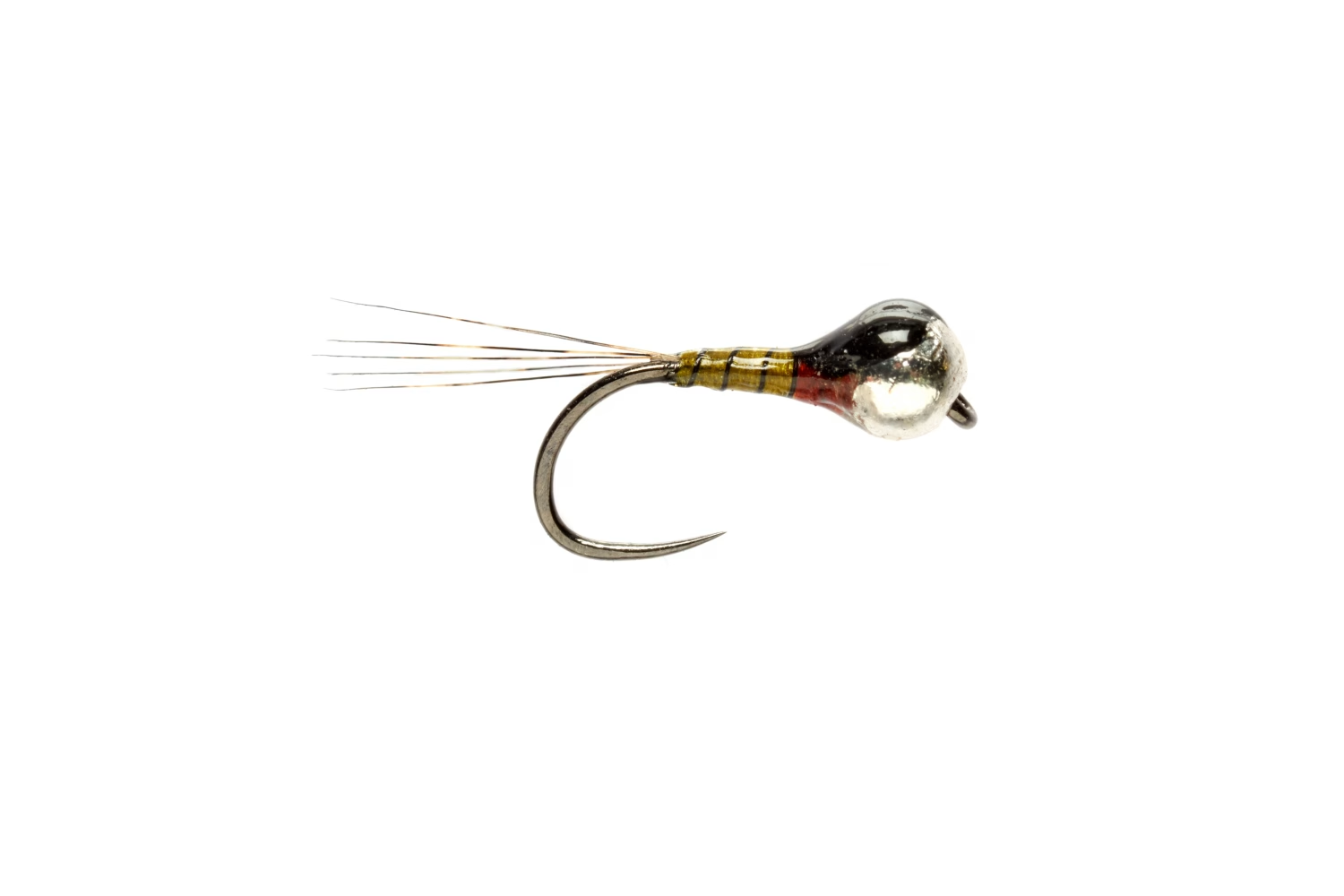
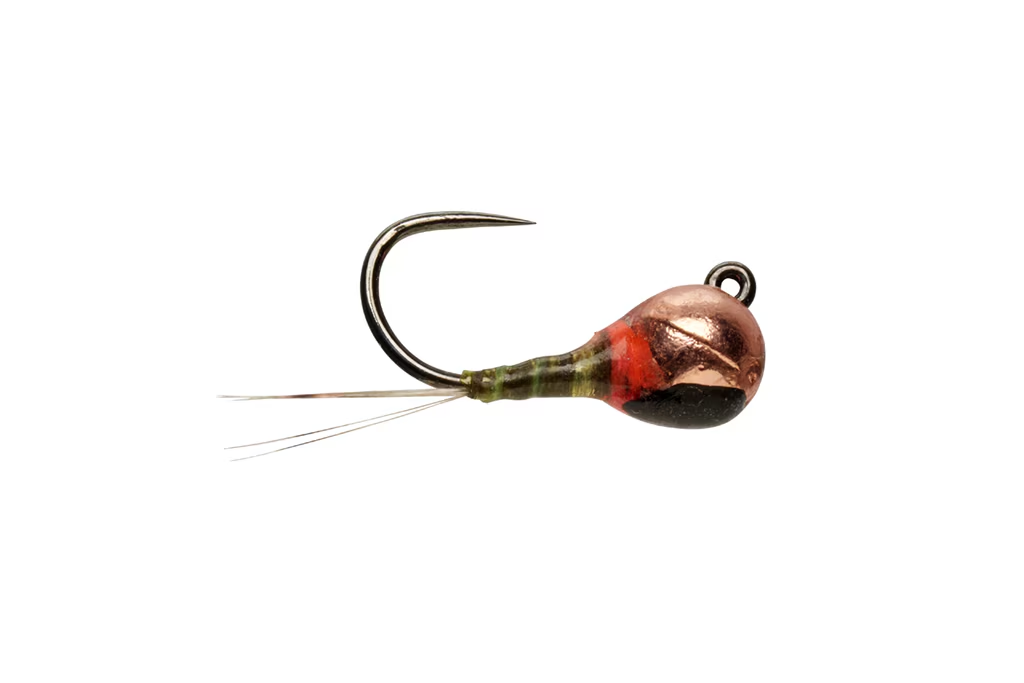
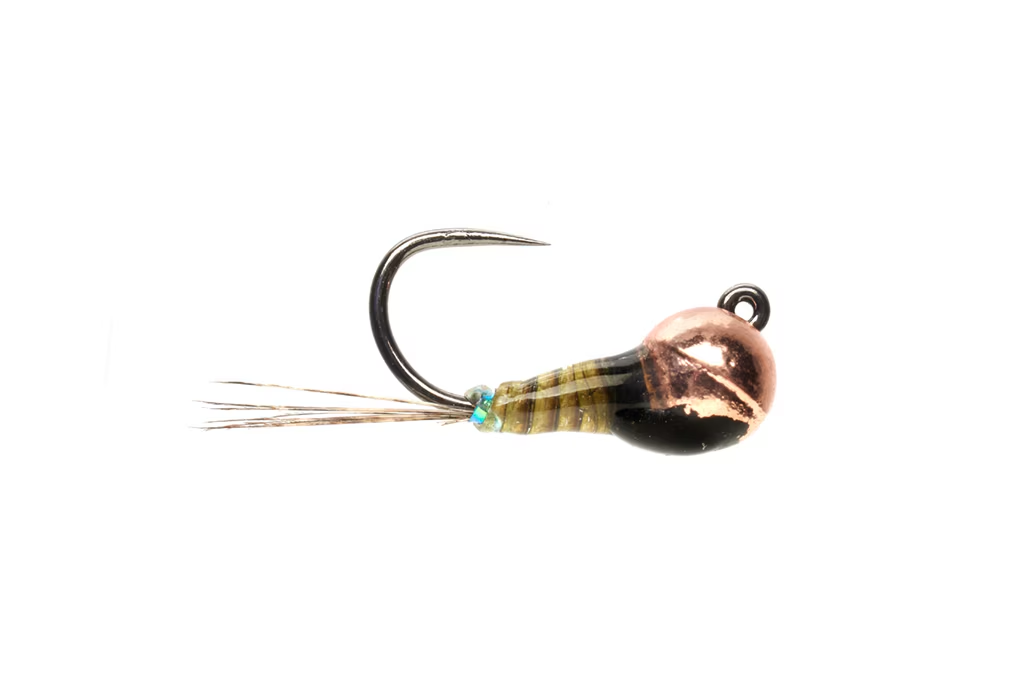
BWO Nymphs
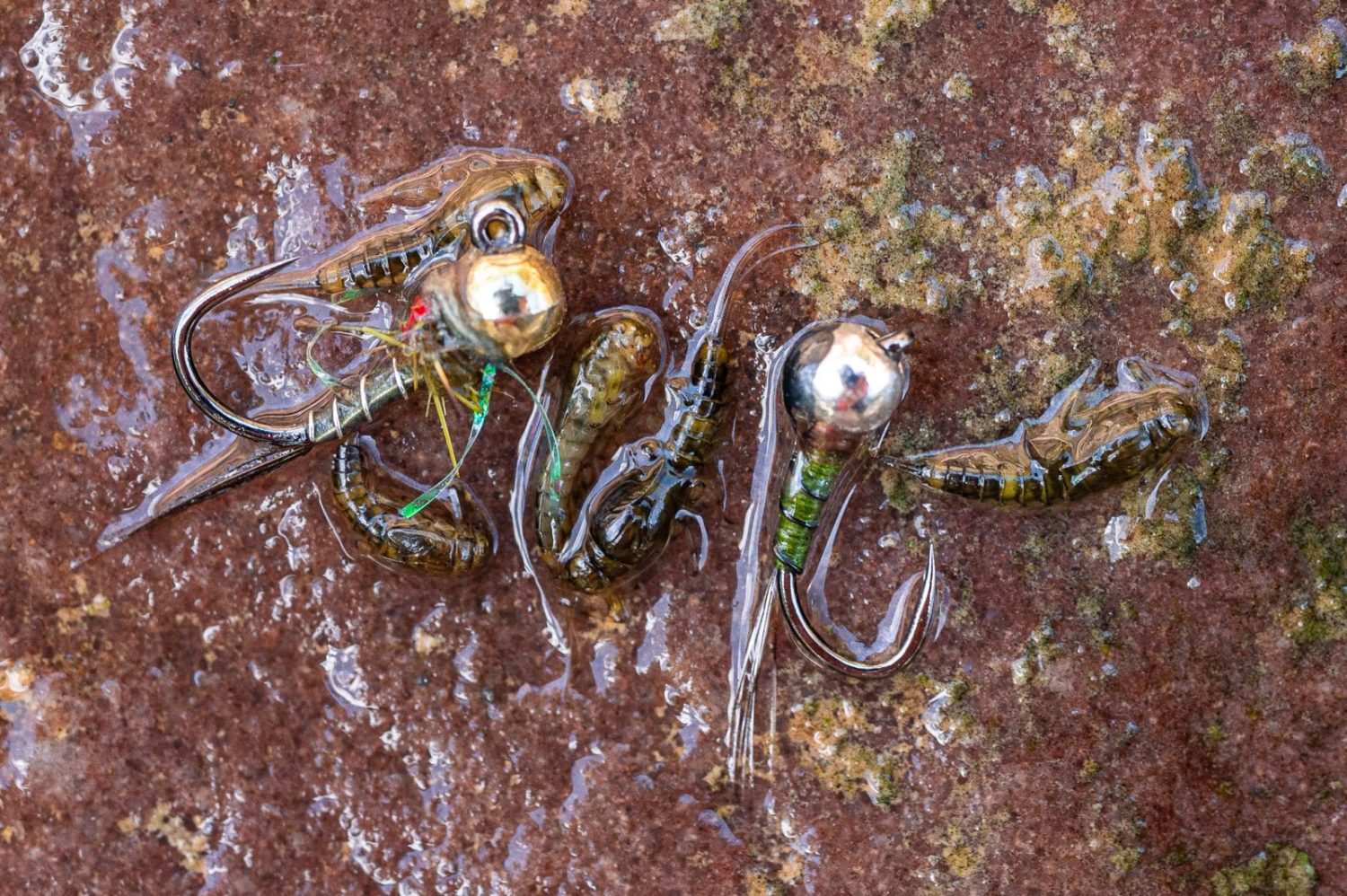
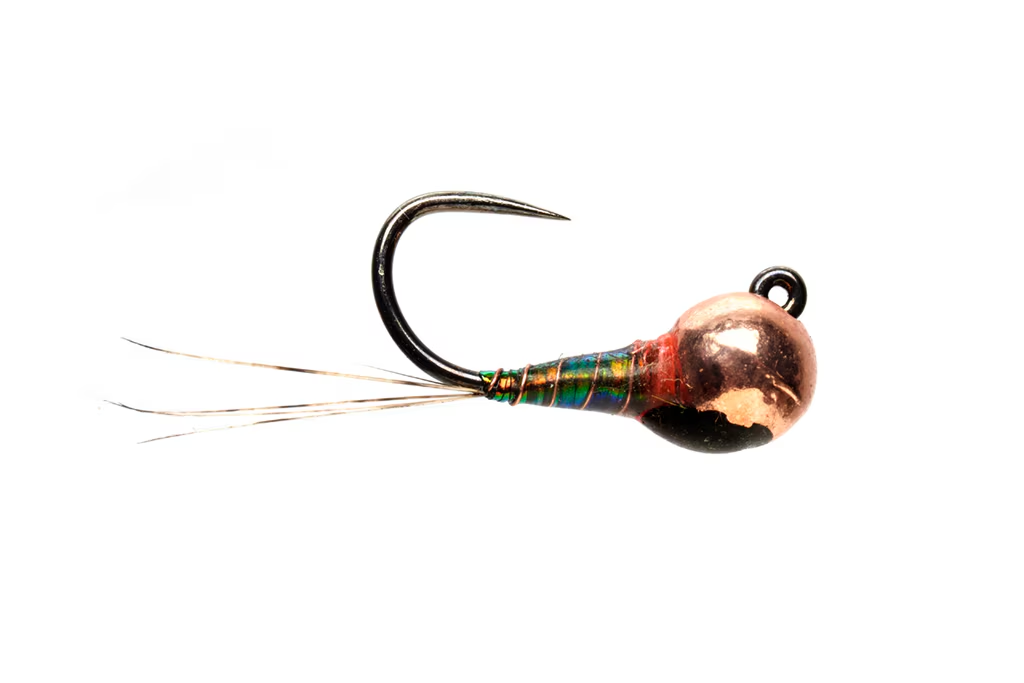
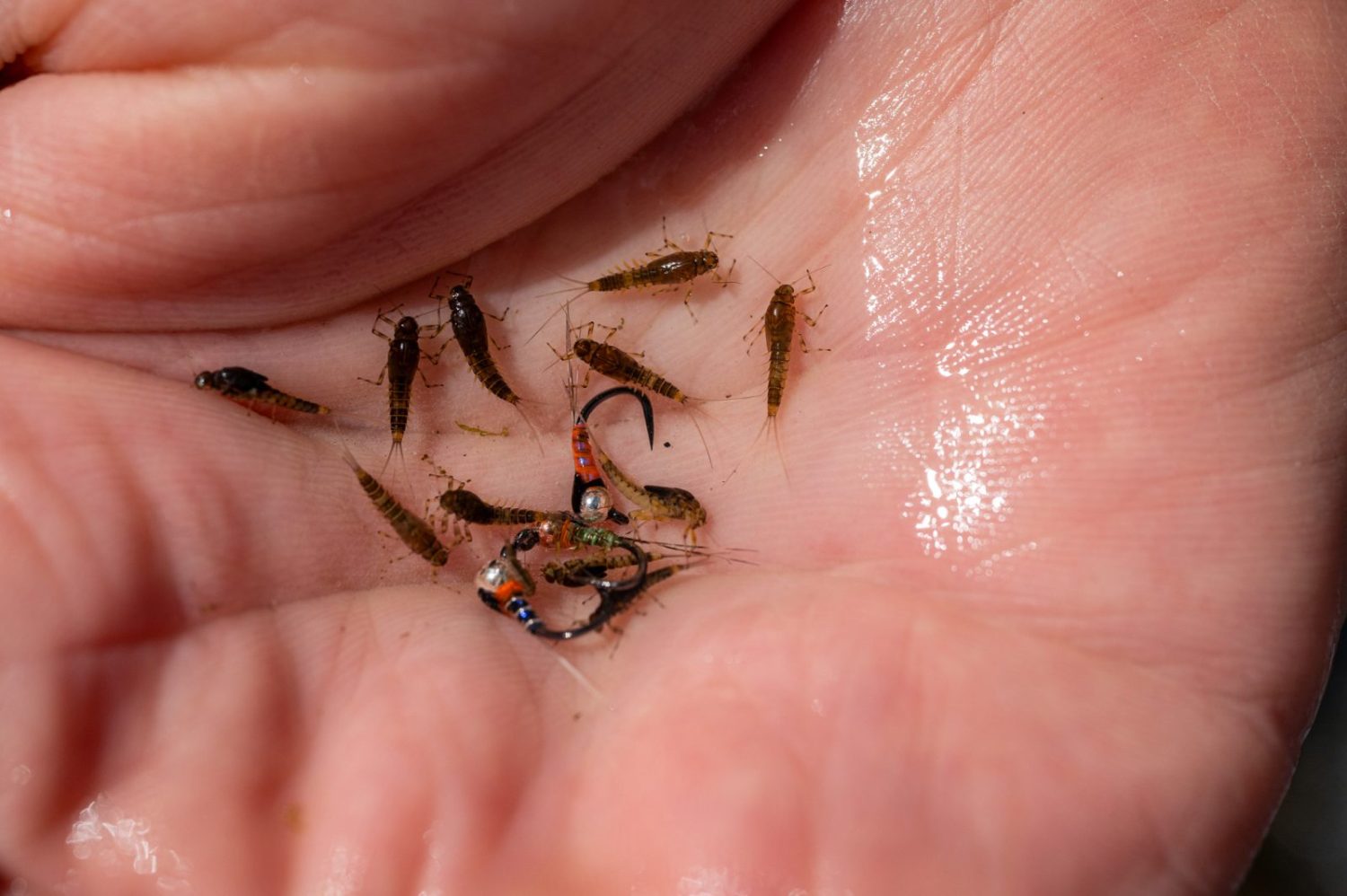
Blue winged olives differ in behavior and size, but generally share a color scheme made up of various shades of brownish olive. When choosing a pattern to fish when imitating blue winged olives, size 16 and 18 is a safe bet wherever you go. That said, having some patterns as small as size 22 can pay off when tiny BWOs are in the drift.
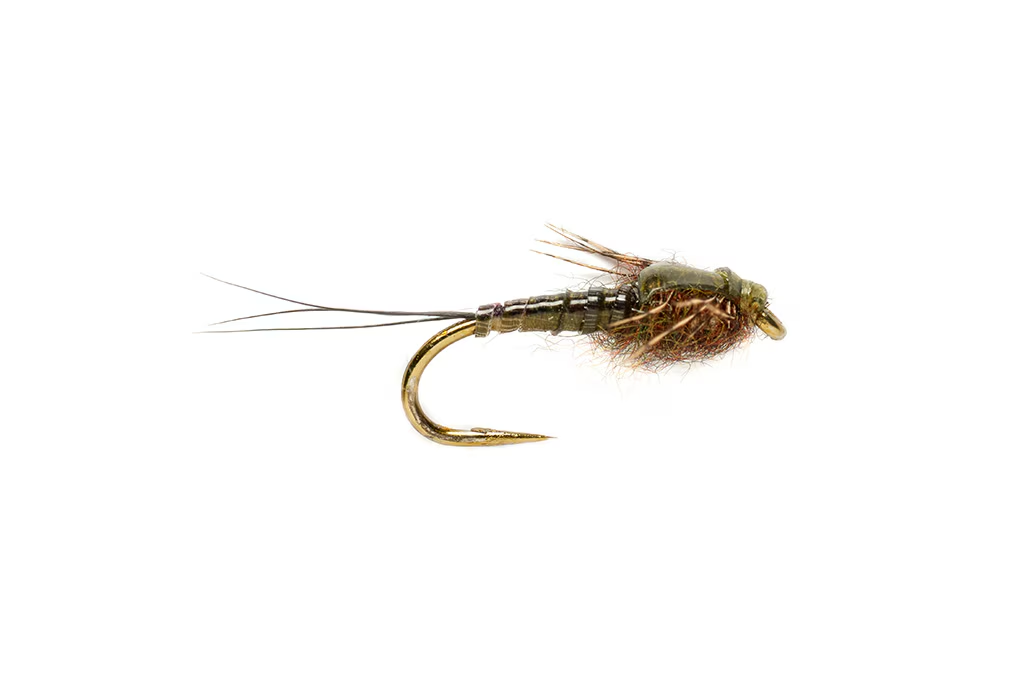
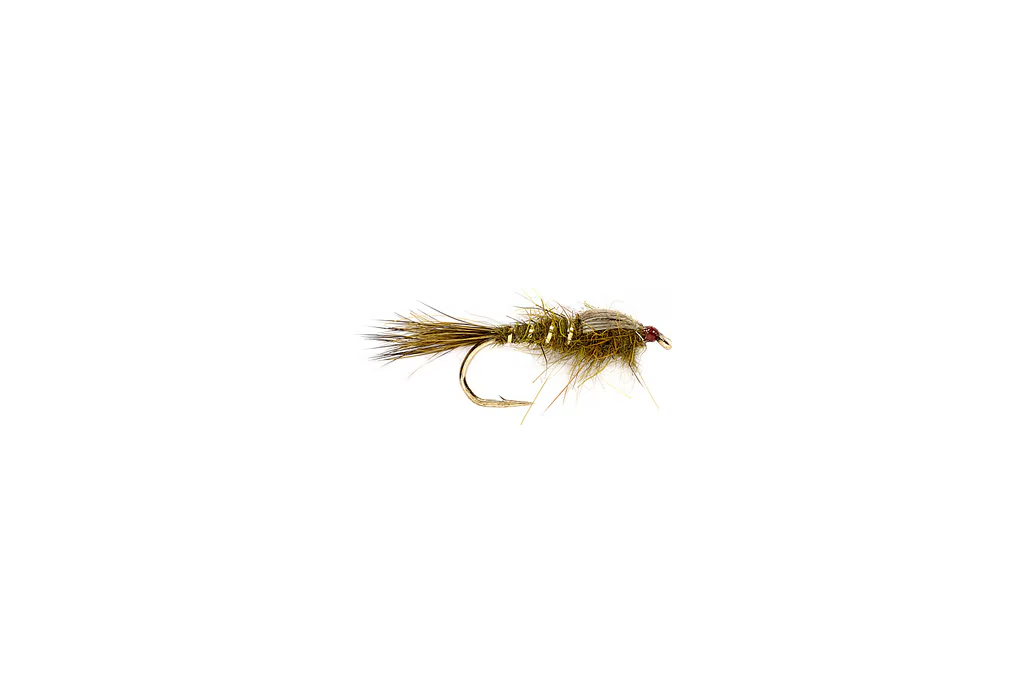
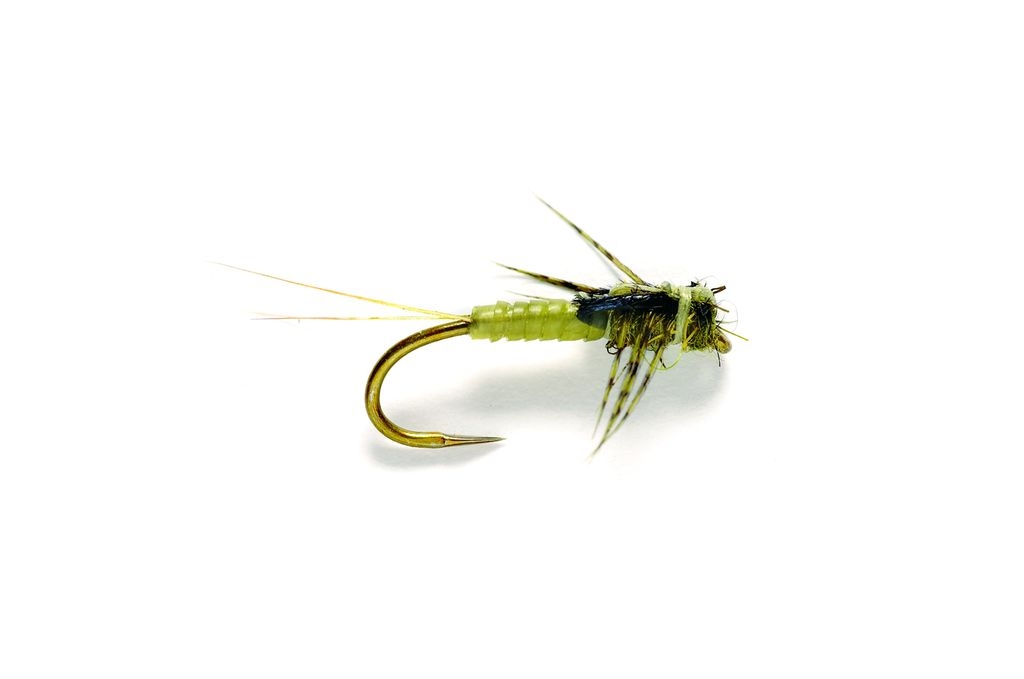
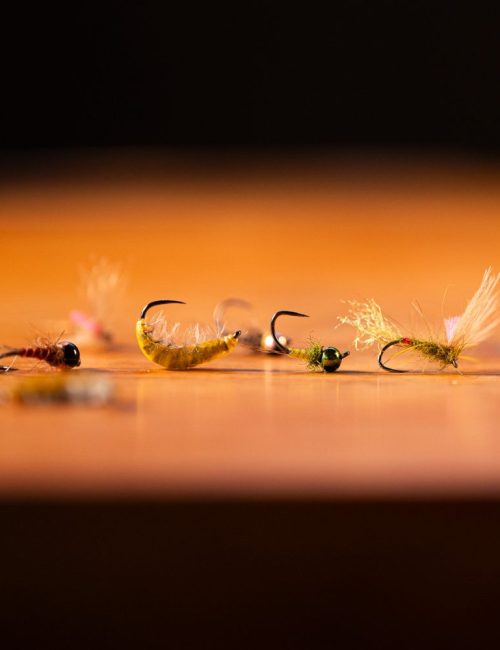
Try fishing olive/brown patterns with a tapered body, tail fibers, segmented abdomens, and perhaps some movement in the fly, like CDC. Some nymphs look almost black, others are pretty light in color. It never hurts to have a range of shades and sizes in the nymph box. Below are some of our top Baetis and other BWO nymphs that we highly recommend.
BWO Emergers
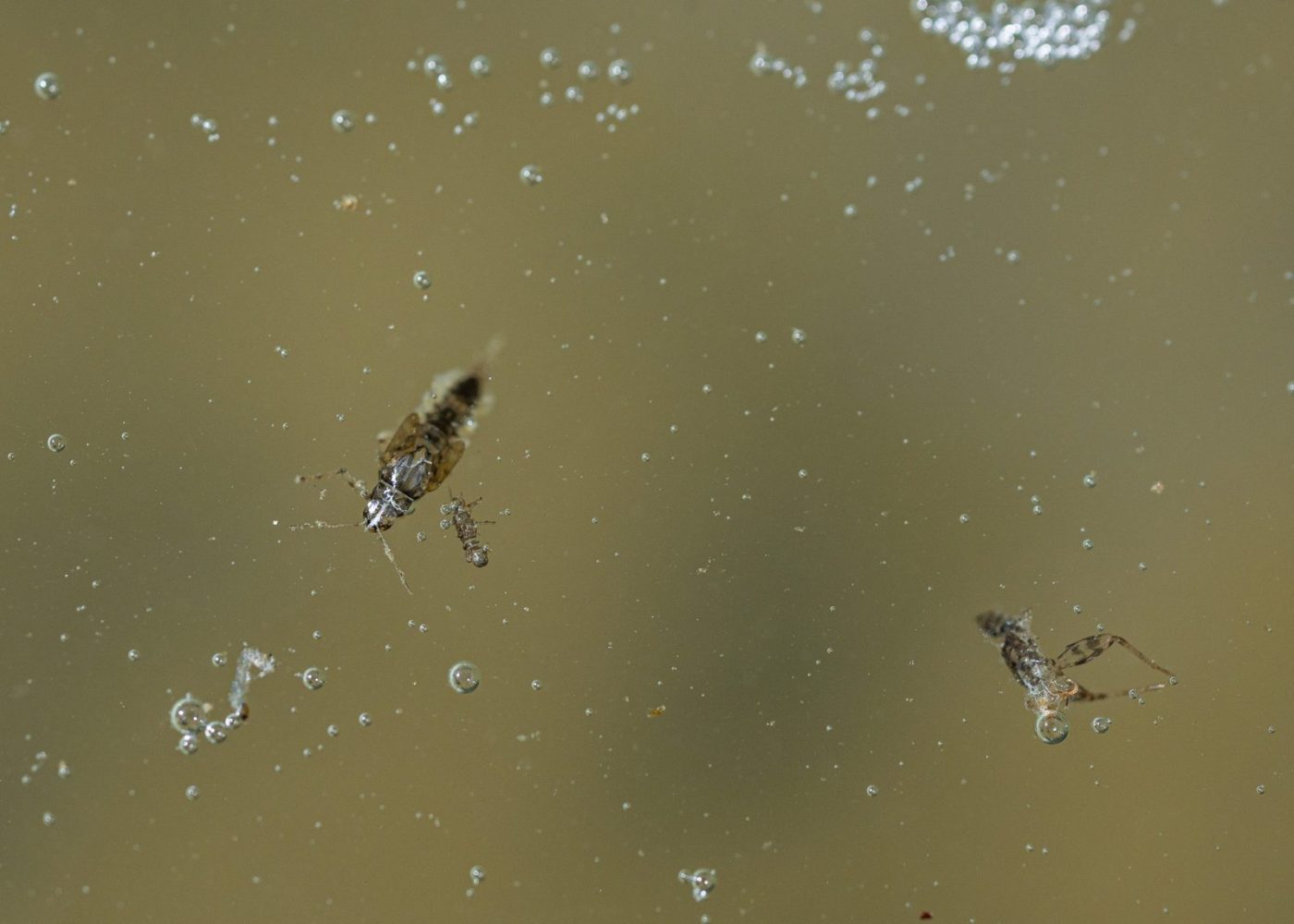
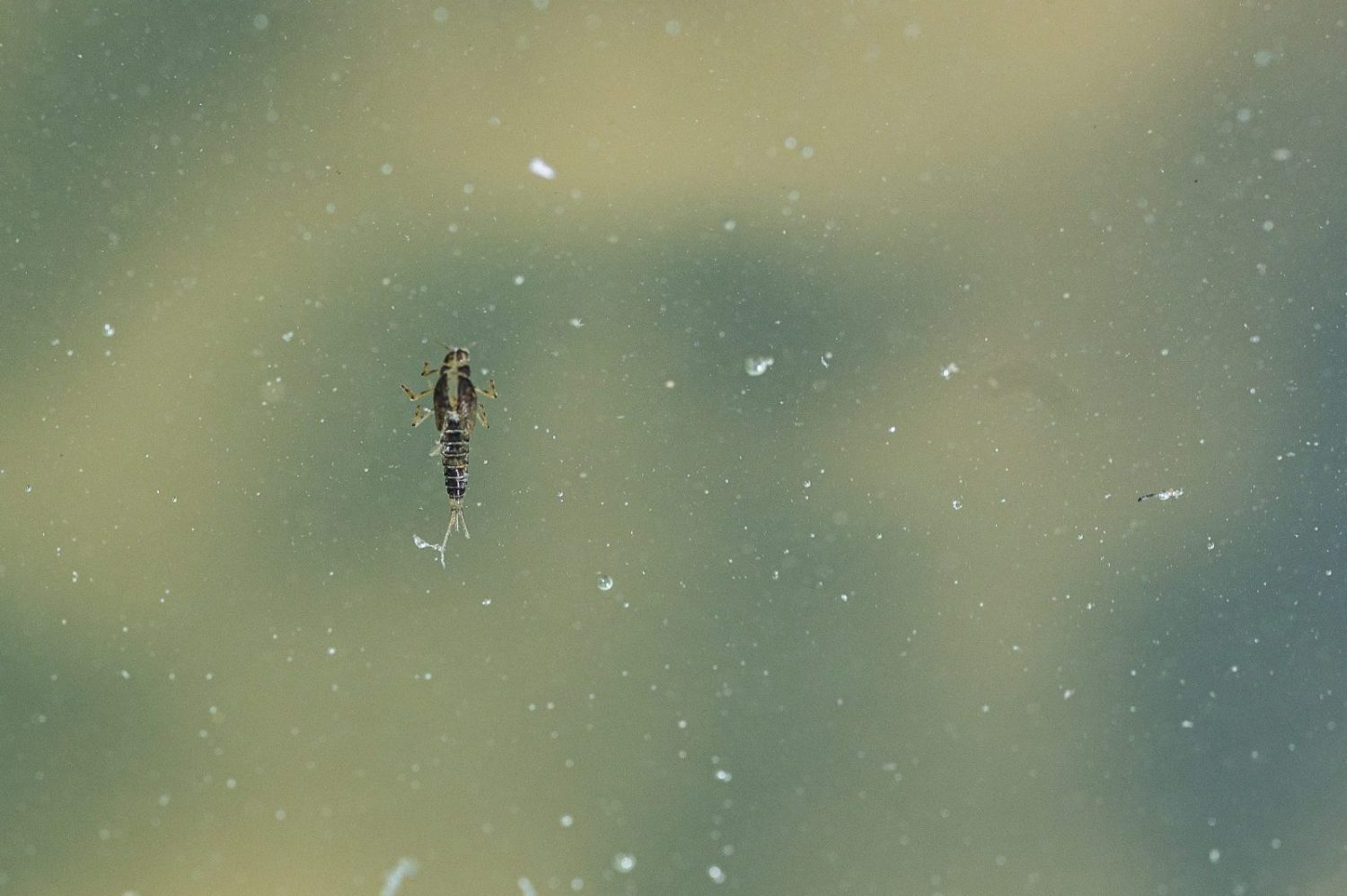
When water temperatures climb into the mid 40s fahrenheit, Baetis and other BWO nymphs start their hatch process by drifting or swimming towards the water’s surface. BWOs prefer low-light conditions, often accompanied by light rain. For this reason, anglers gladly brave a little wetness in order to catch a good hatch. Spring hatches of BWOs have some of the largest individuals. In some cases, as large as 14s and 16s, like the Large Dark Olives (Baetis rhodani) found in the UK. Typically, the further into the season you get, the smaller the BWOs tend to be.
Fishing Baetis and other BWO Emergers
Usually, fishing emergers midday into the afternoon is most productive. During emergence, BWOs are awfully attractive to trout and other fish species. Fish can be found feeding on BWOs throughout the water column, so make sure to have a few differently weighted patterns in your fly box. Emerging BWOS sometimes take on a lighter body color as they reach the water’s surface, so flies with lighter and brighter olive can be super productive.
Tactics to be successful during this period: fish a nymph mid-column, or even fish an unweighted dropper nymph or wet fly under a dry. When fishing dry fly emergers, patterns that sit on top but ride low in the water’s meniscus are effective. Partially treat your fly with floatant or forgo it altogether for a lower float! Try fishing a dry fly emerger with a trailing shuck to communicate extra vulnerability to the feeding trout below.
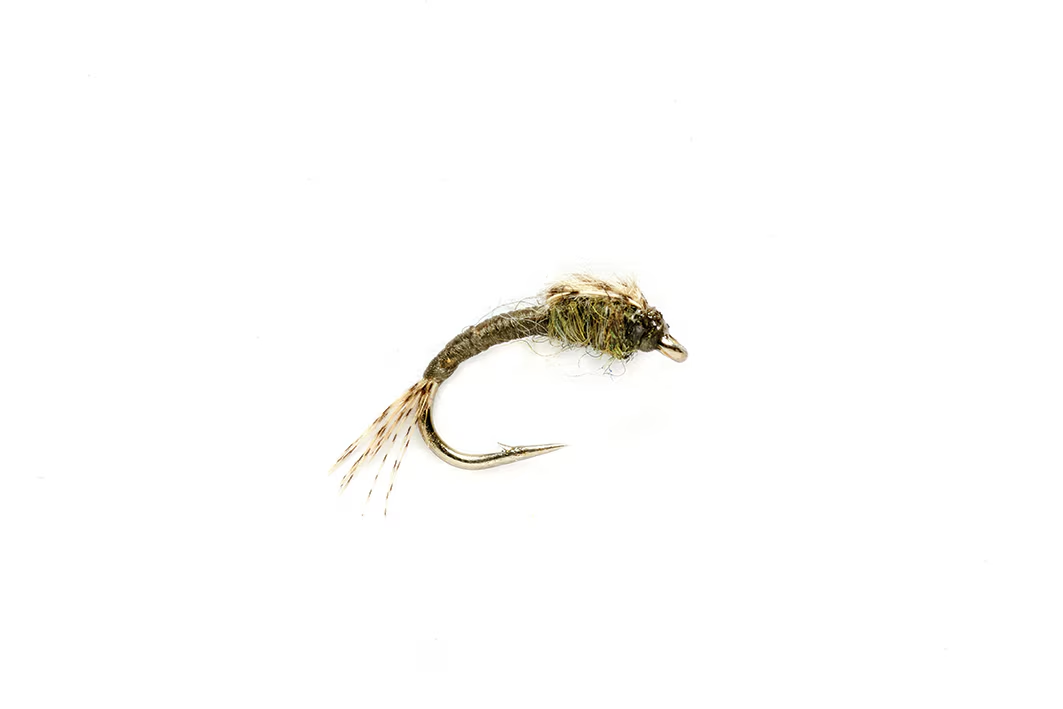
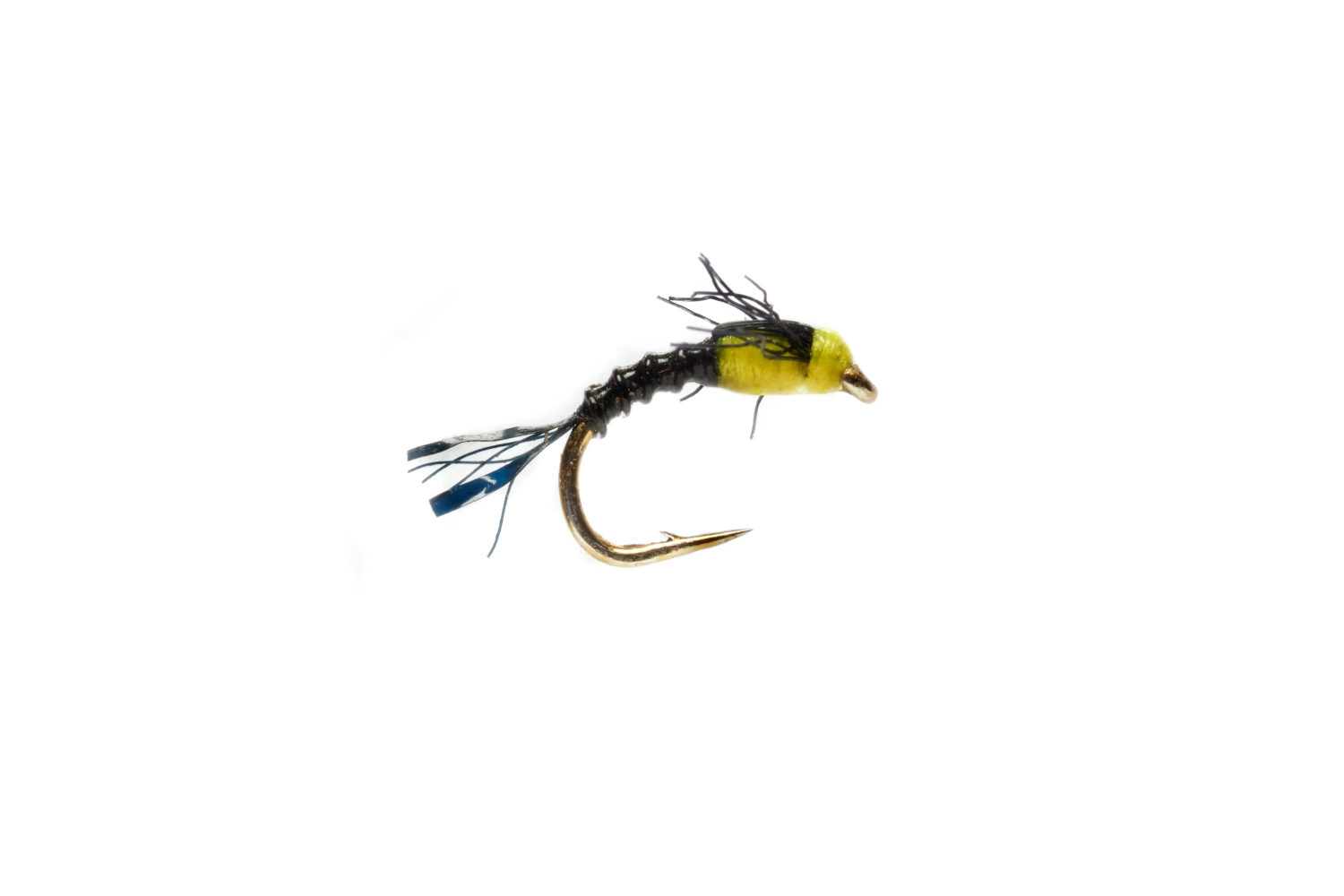
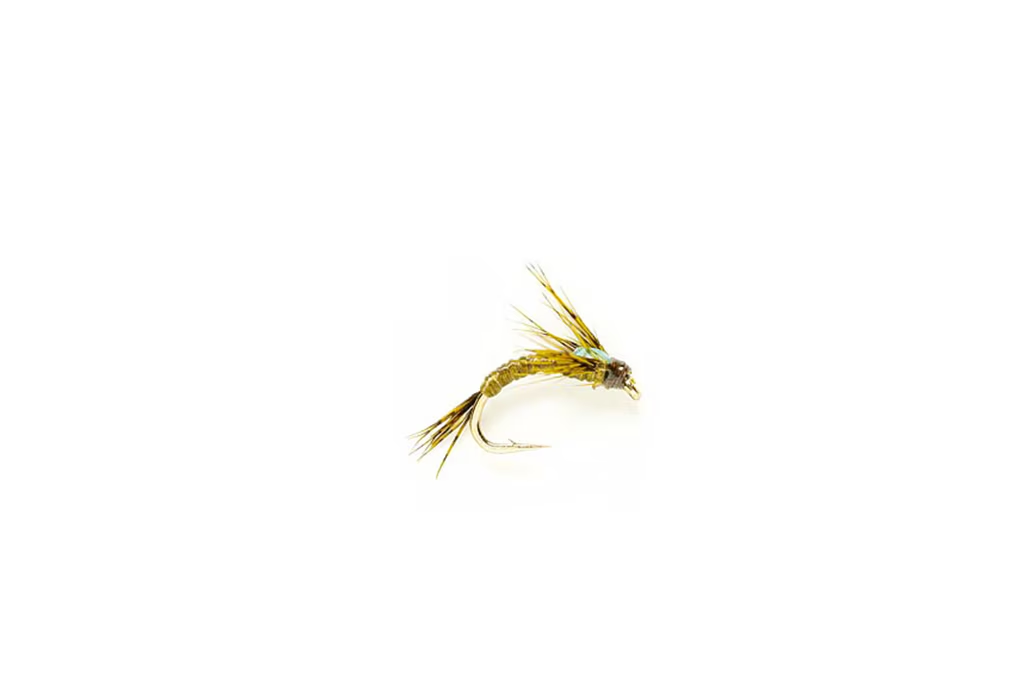
Baetis nymphs are categorized as swimmers, as opposed to other BWO species that are crawler nymphs. Fishing some wetflies like the pattern and animating them in the drift will bring about aggressive grabs if the fish are actively feeding on emerging baetis.
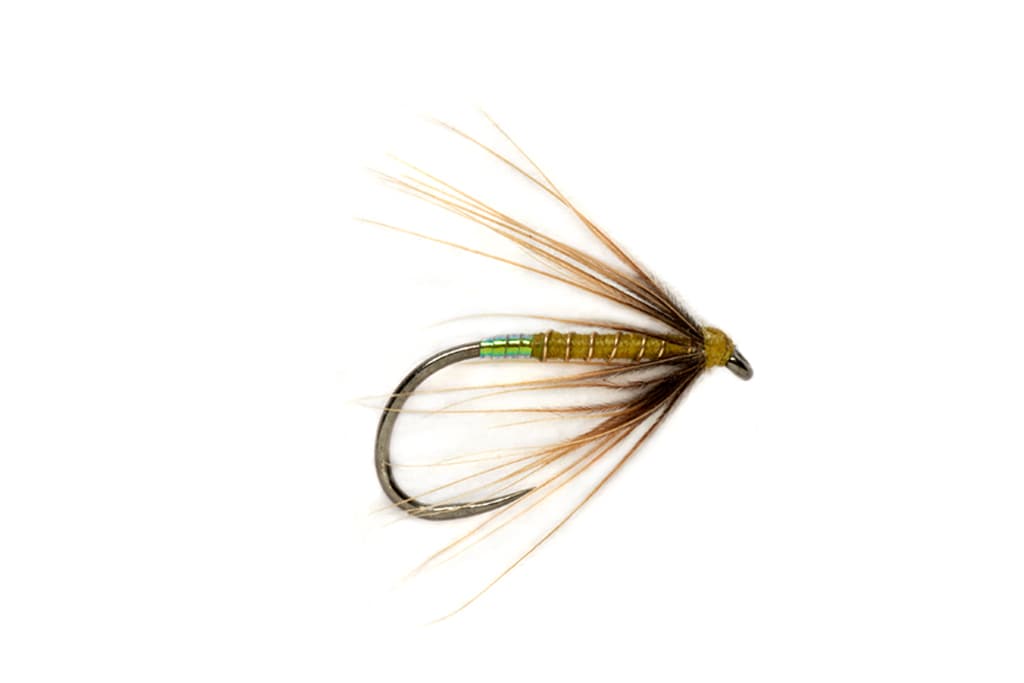

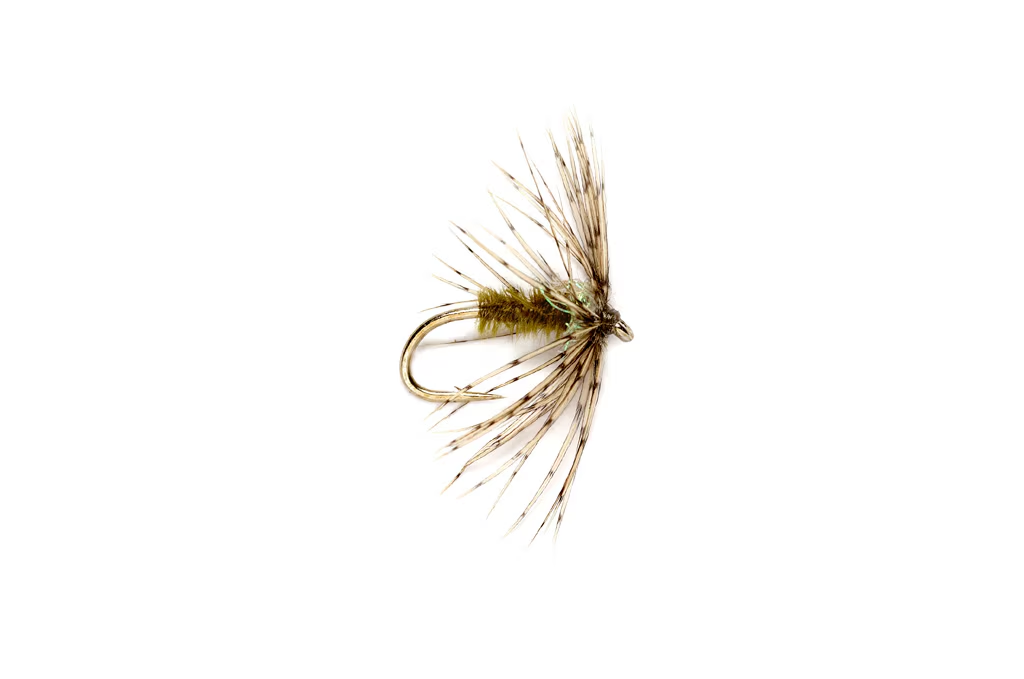
Later in the emergence, BWOs will be riding within the water’s surface film, struggling to shed their nymphal shuck. Fishing dry fly emergers like the patterns below is often the ticket to success.
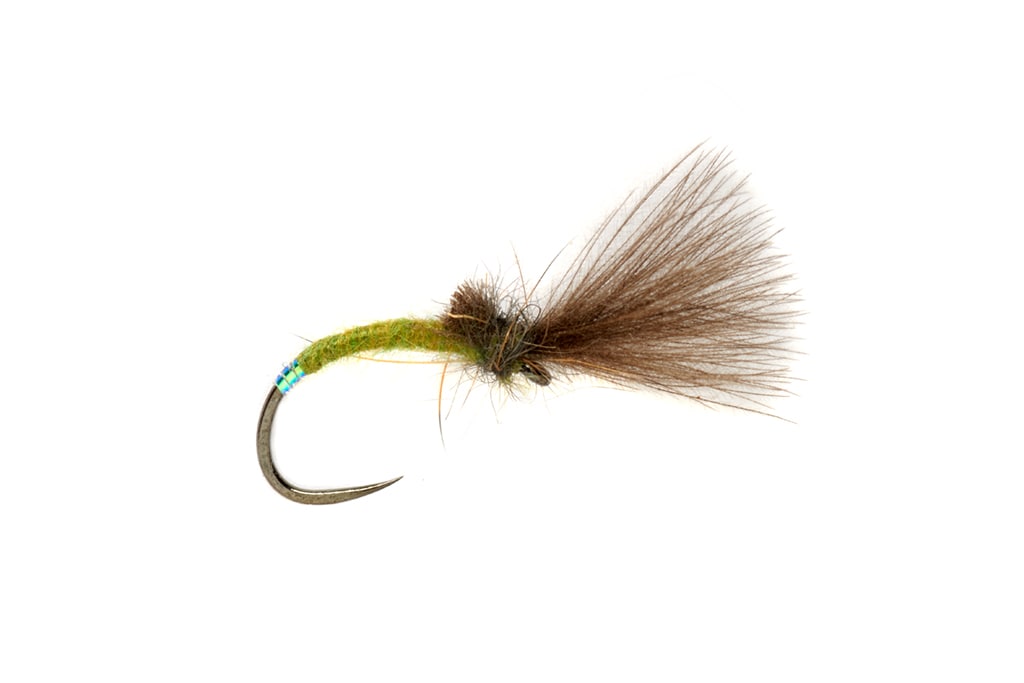
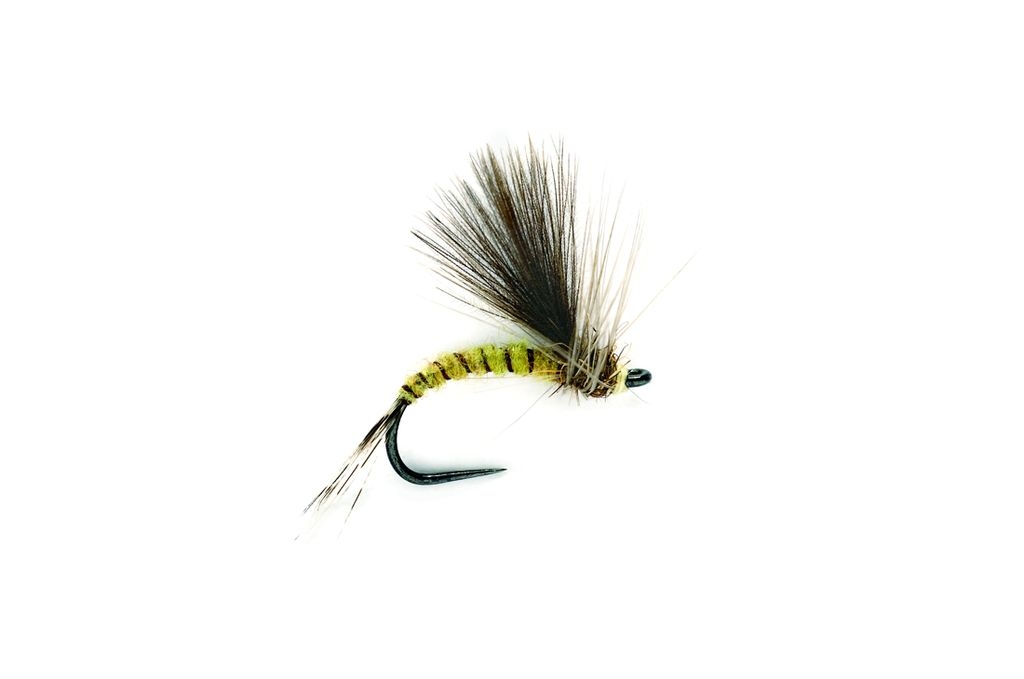

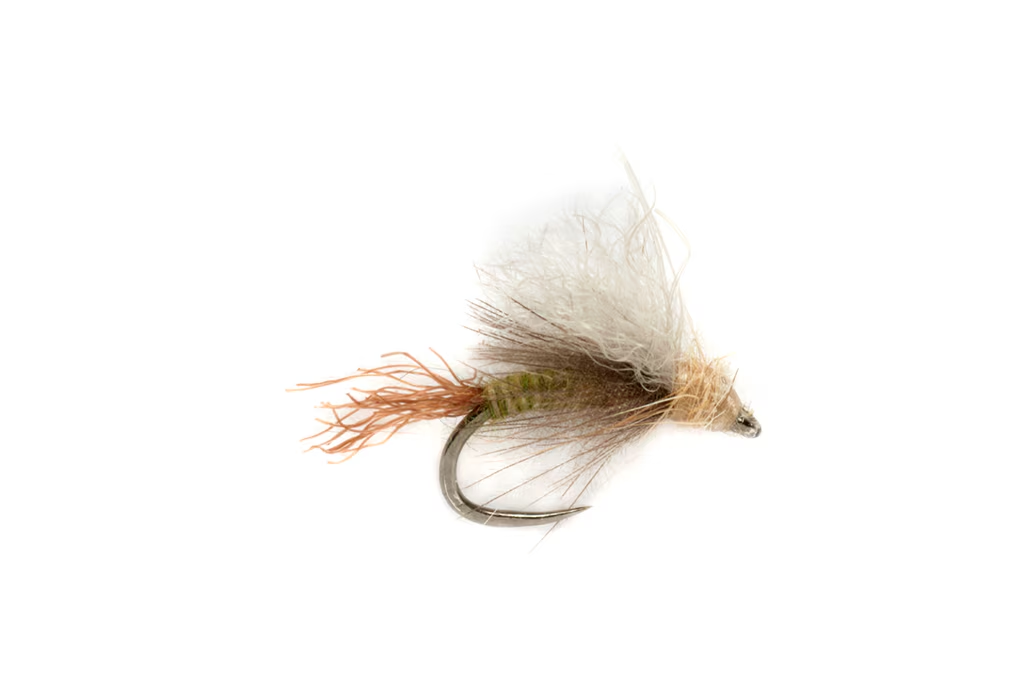
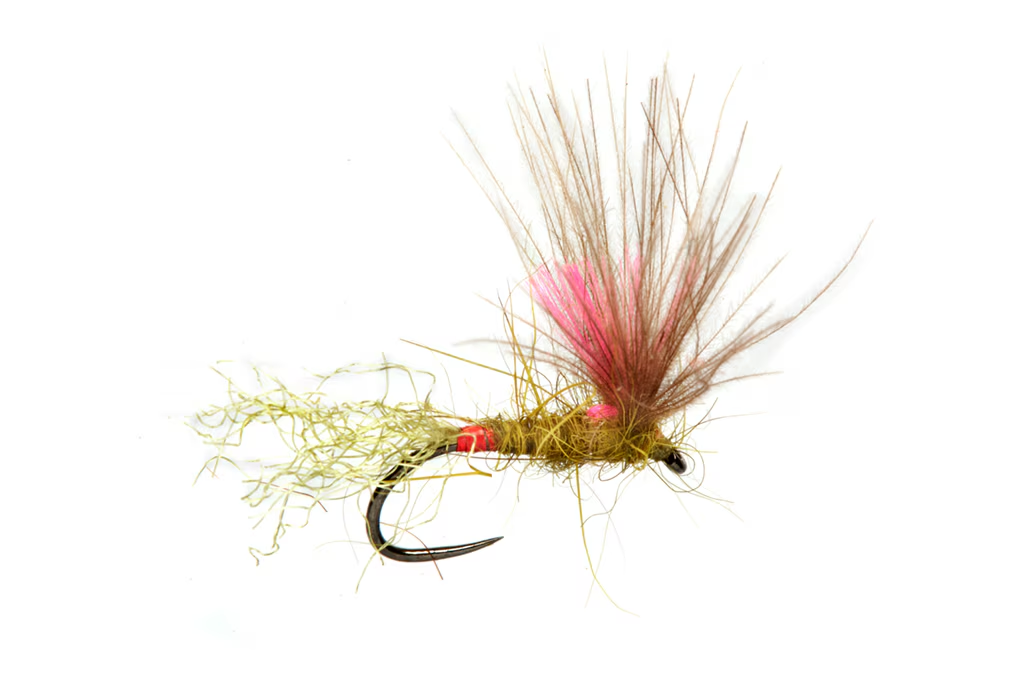

Watch Signature Tyer Paul Procter fish his Pearly Butt Emerger amidst a dry fire hatch of Large Dark Olives during a day of spring dry fly fishing. Although most fish were eating midges, the presence of LDOs on the water allowed for Paul to pick off a few fish using the Peary Butt Emerger. This video is packed with early-season dry fly fishing tips!
Finishing Up Emergence: Duns & Cripples
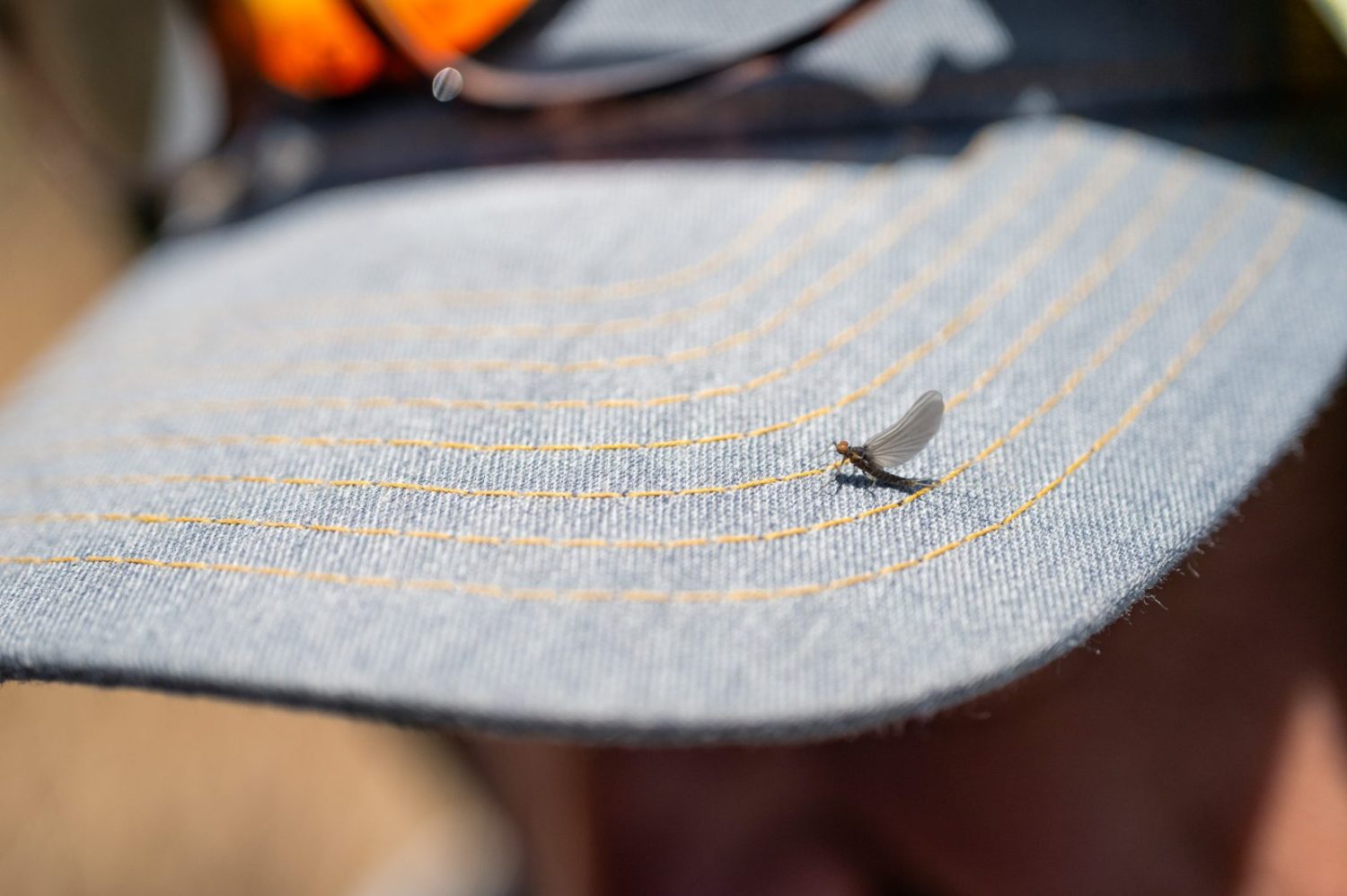
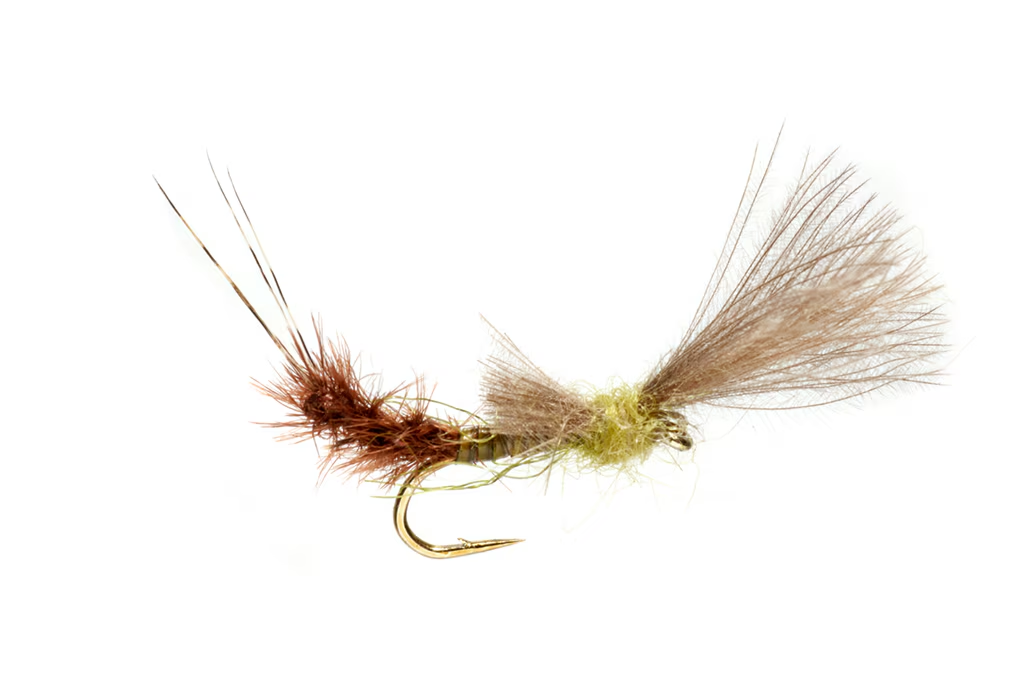
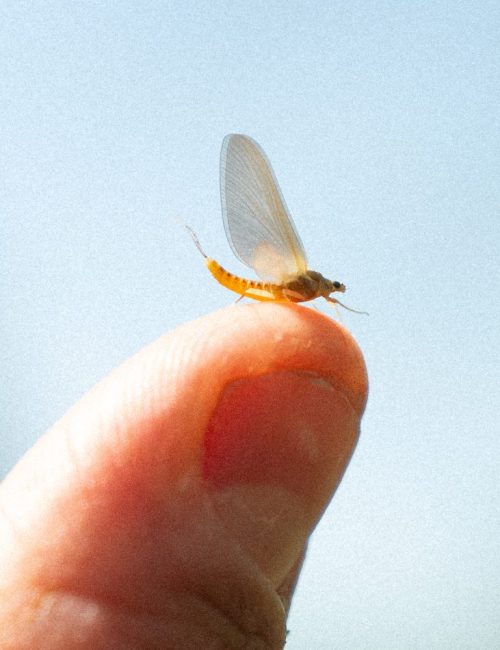
Once the nymphal shuck is shed, the adult duns are commonly brownish/olive in color with blue dun wings. While most adults will take flight to find a mate, not all individuals will fulfill their full life cycle. Often referred to as cripples, these individuals experienced a mishap while emerging. Whether it be a shuck that just wouldn’t come off, or a wing that was damaged during the emergence process, cripples are often favoured by feeding trout due to their vulnerability.
BWO Cripples
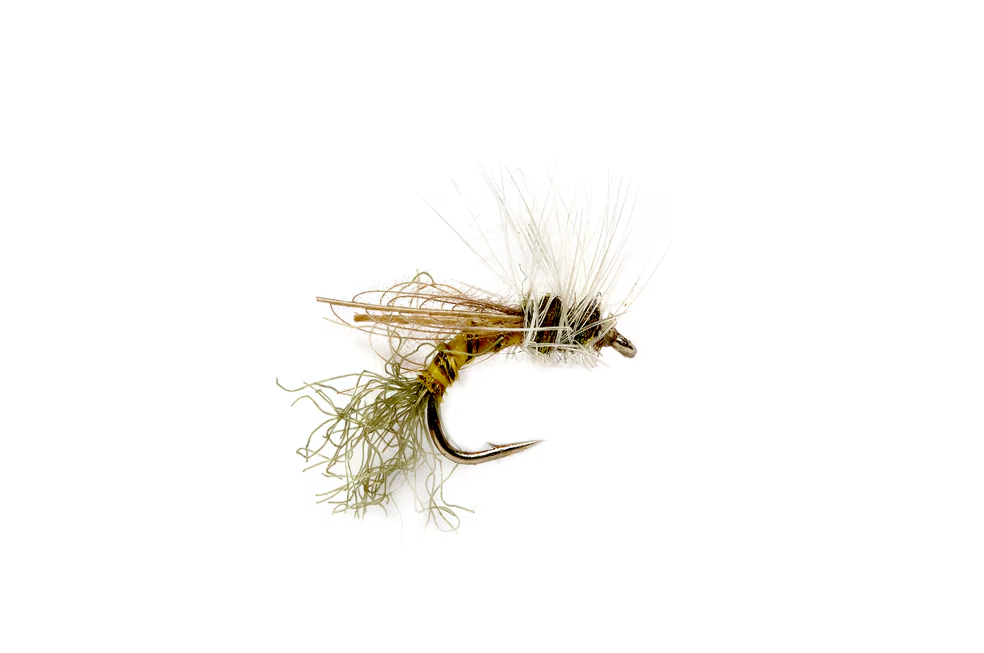
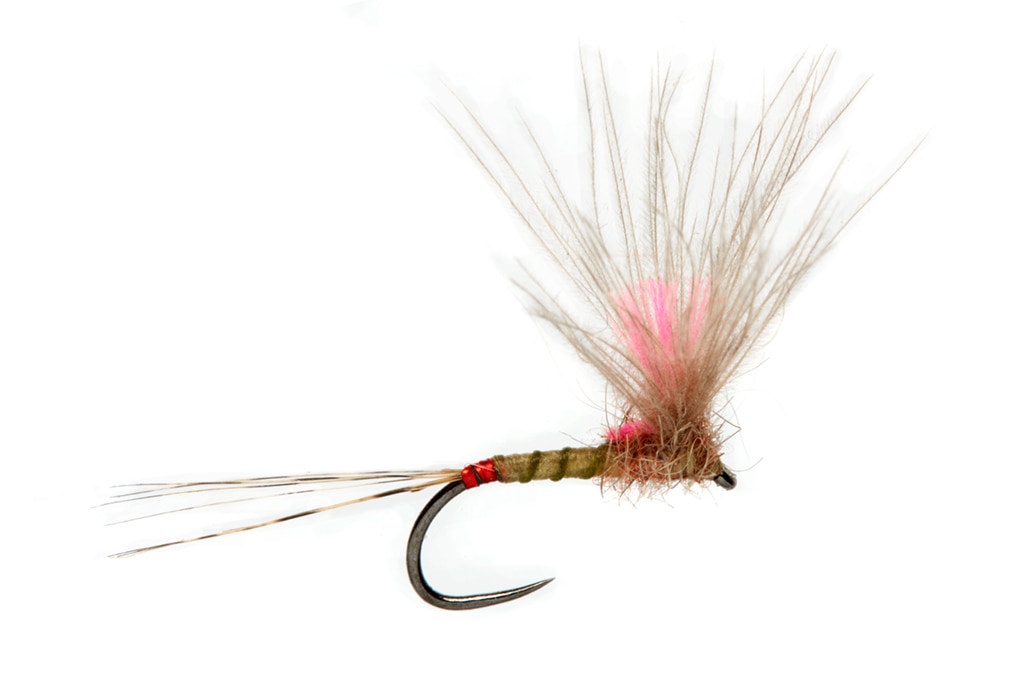
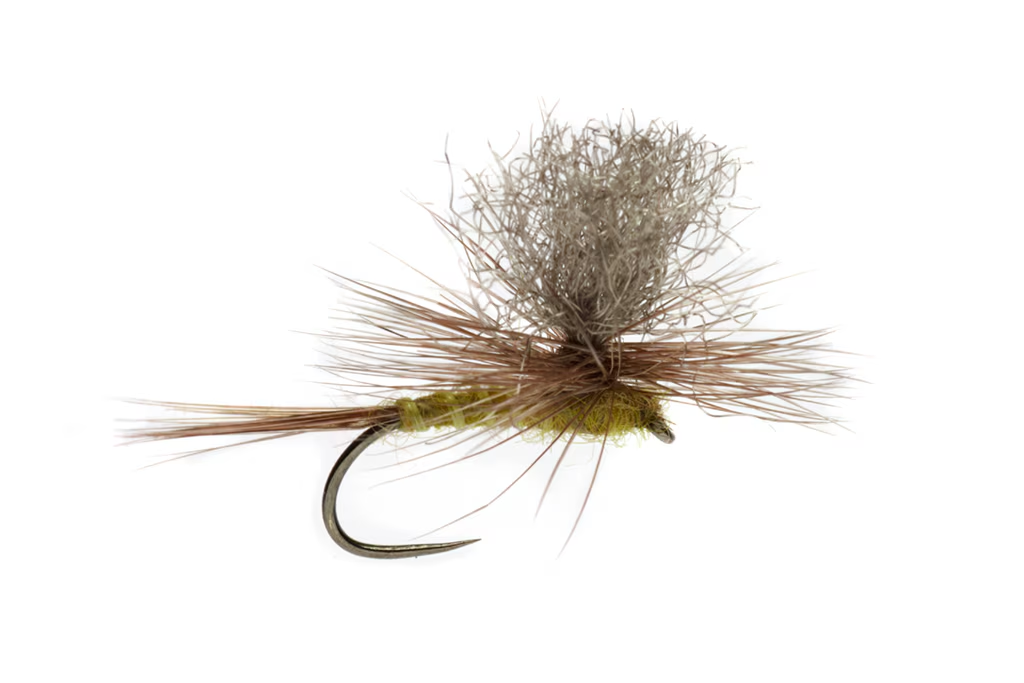
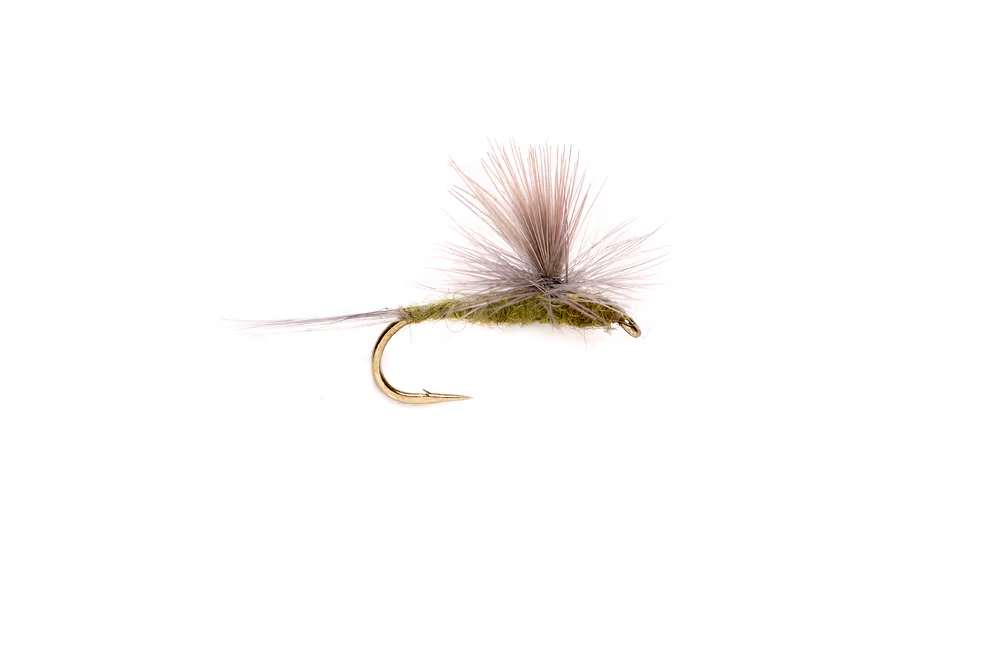
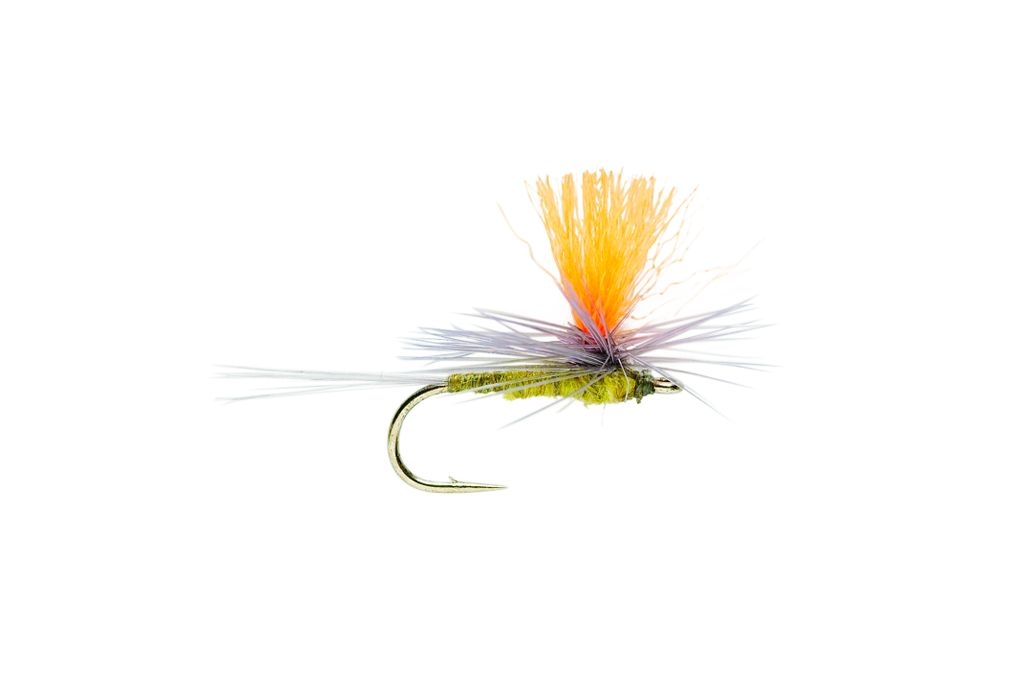
BWO Duns, Olive Uprights
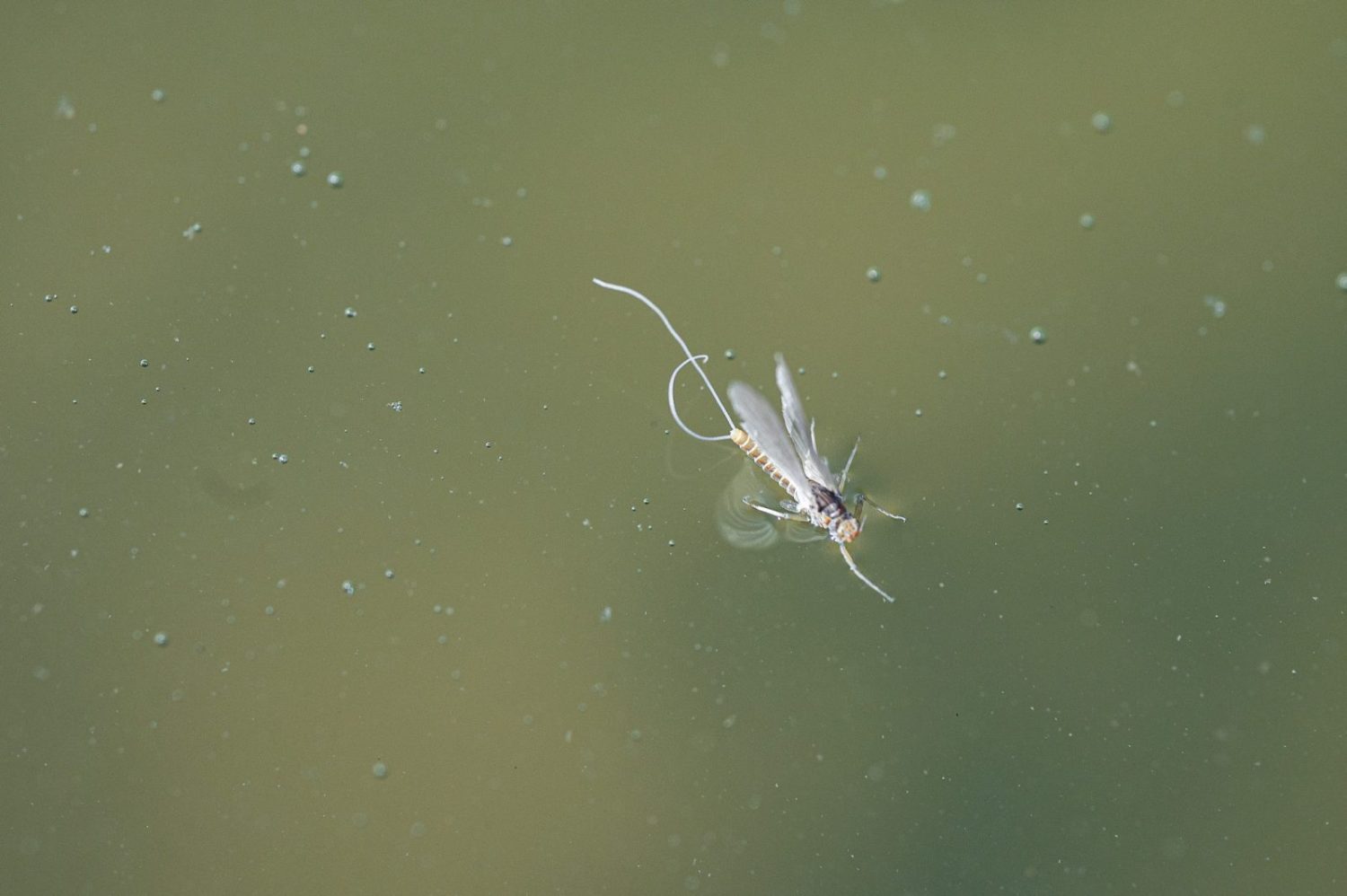
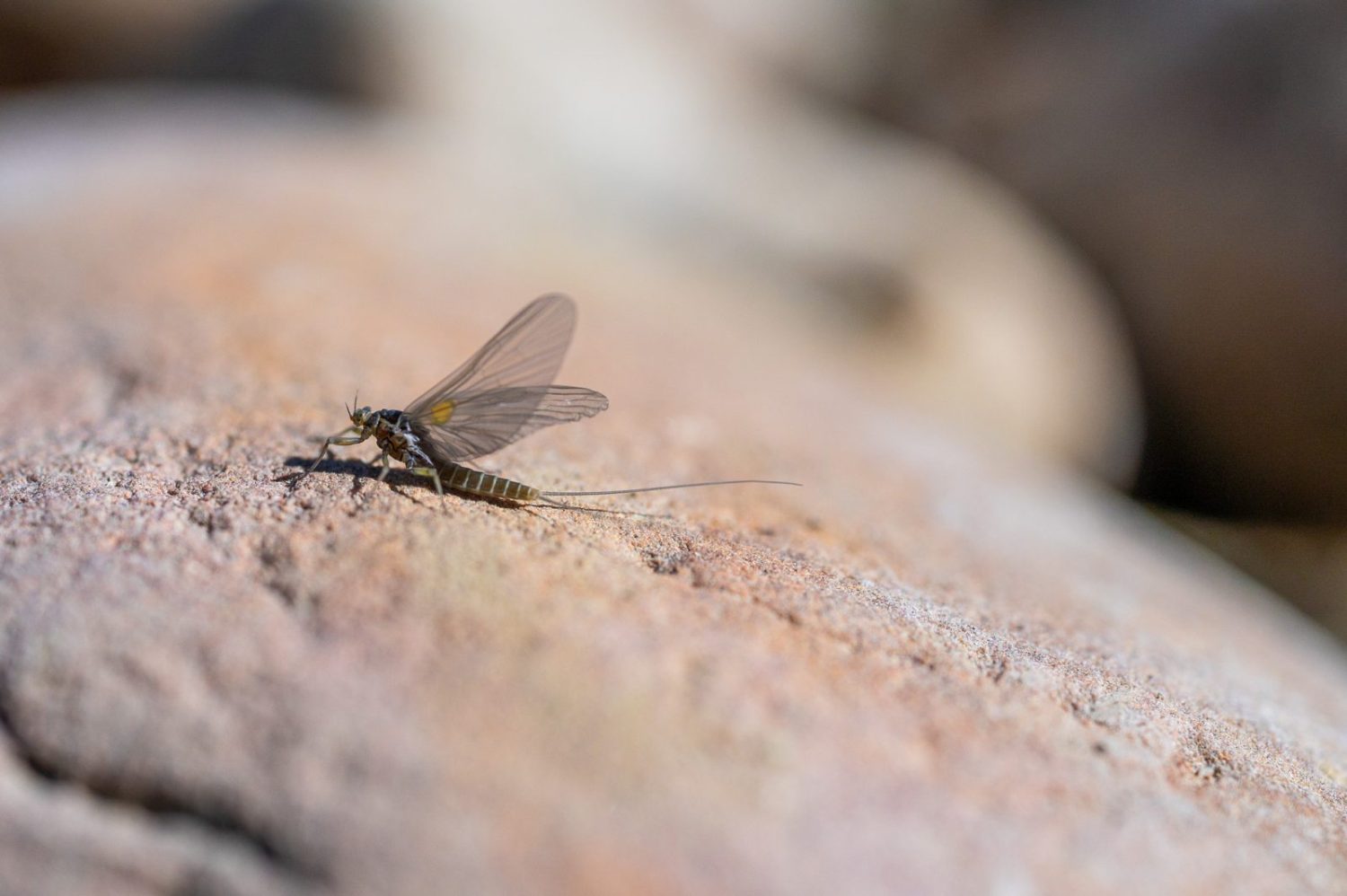
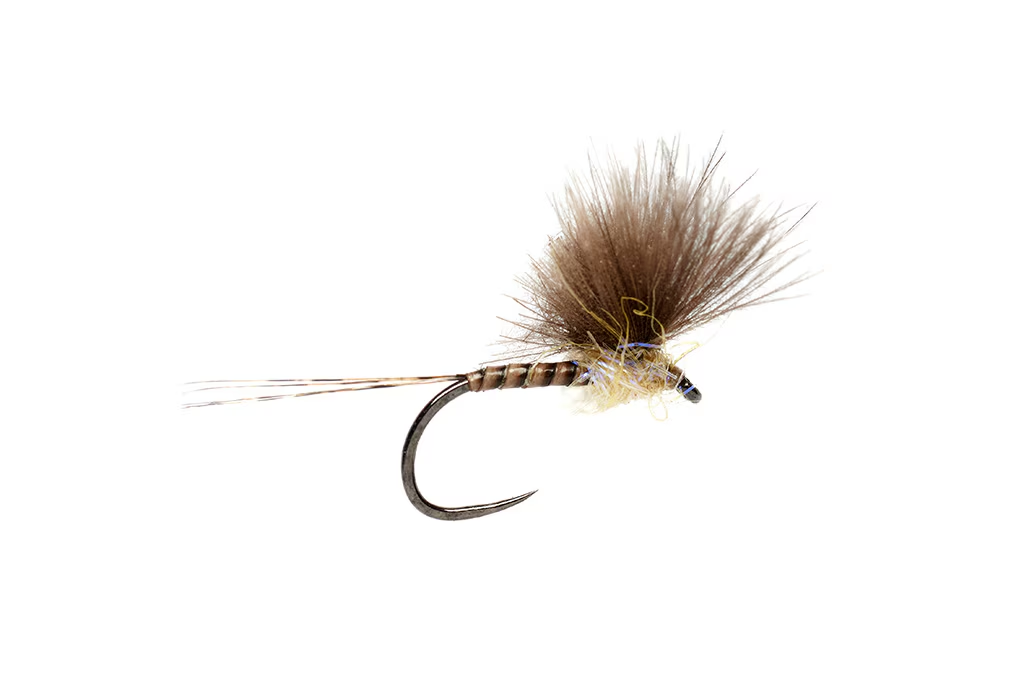
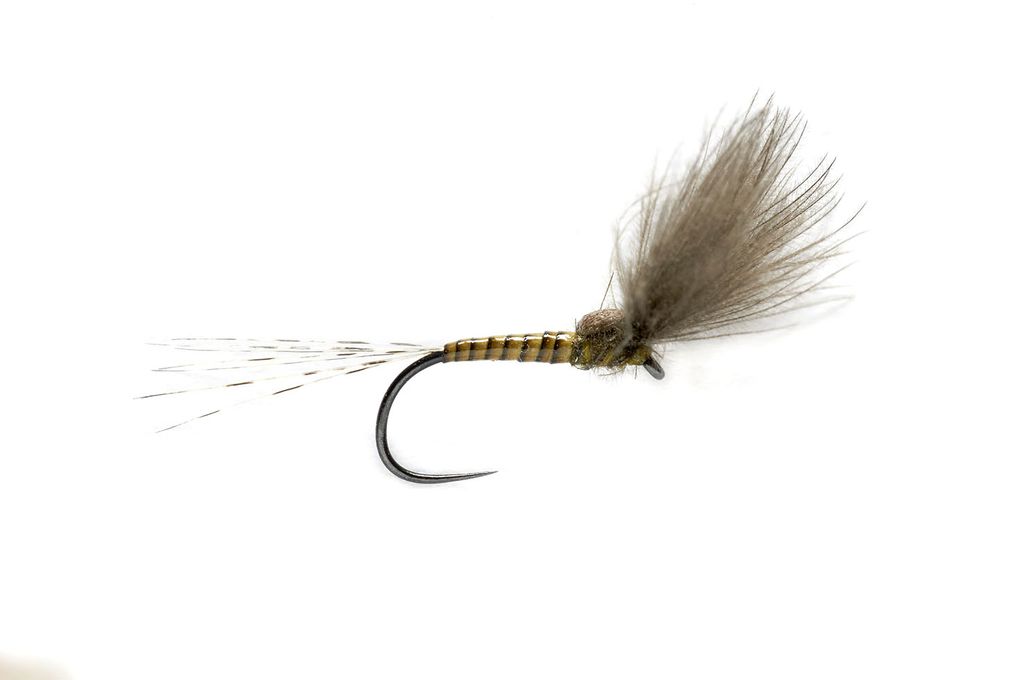
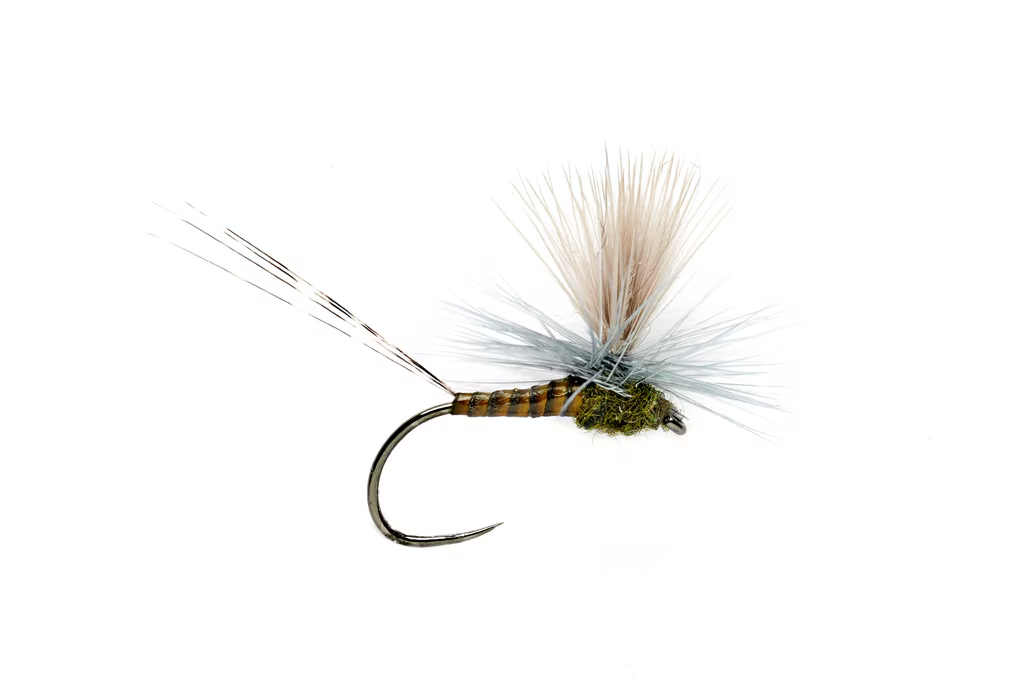
It pays to have a few different sizes and body colors in your fly box when fishing a BWO hatch. While most olives are some shade of olive/brown, some can appear more grey/brown in color. As the name suggests, upright wings are a blueish-gray color.


BWO Spinners
For BWO adults that successfully fly away, they undergo one final molt after emergence. Late in the day, these duns become sexually mature spinners. After successfully mating, male spinners die off almost immediately. After dusk, female spinners lay eggs just below the water’s surface and die having fulfilled their reproductive duties.
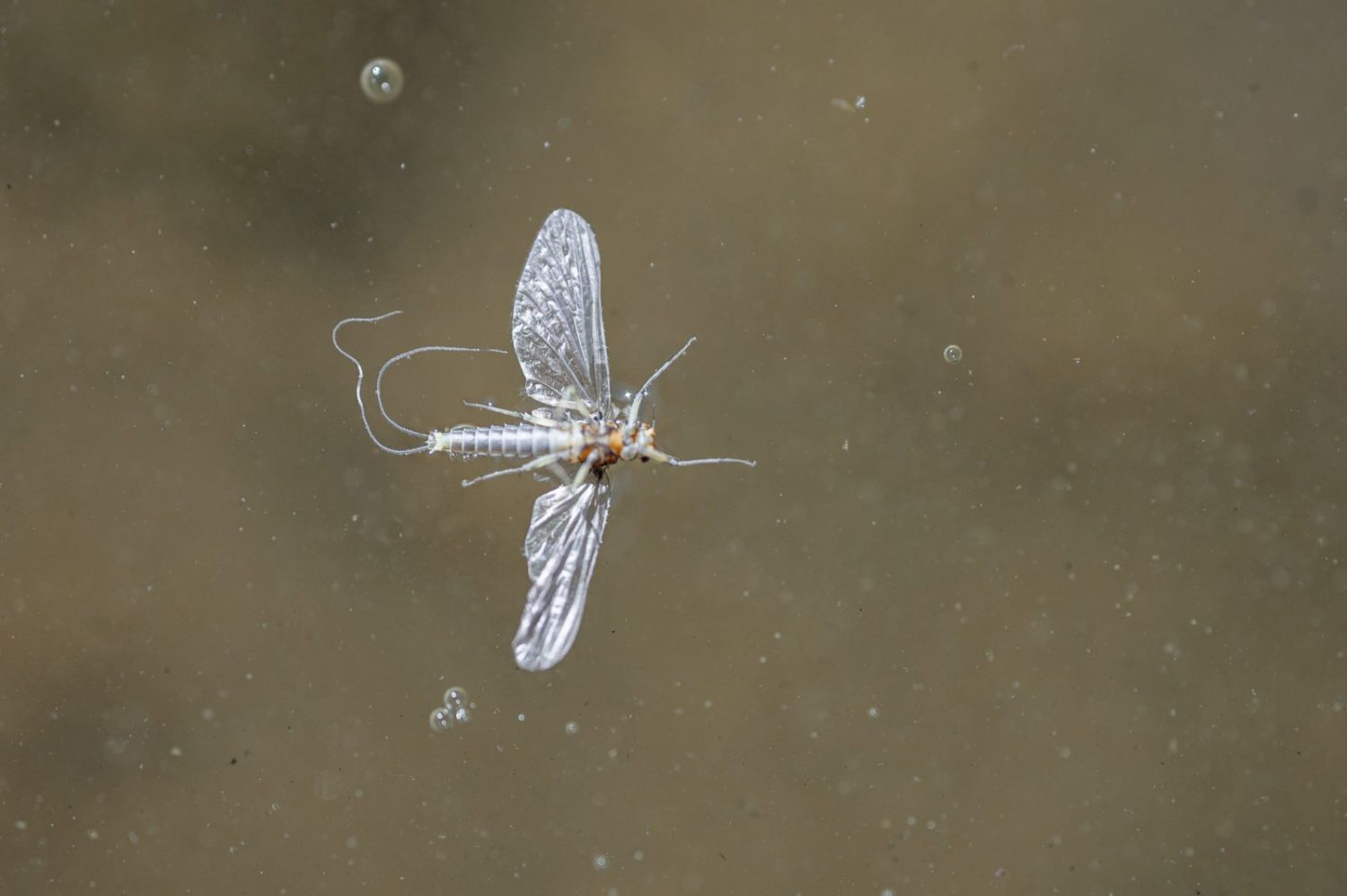
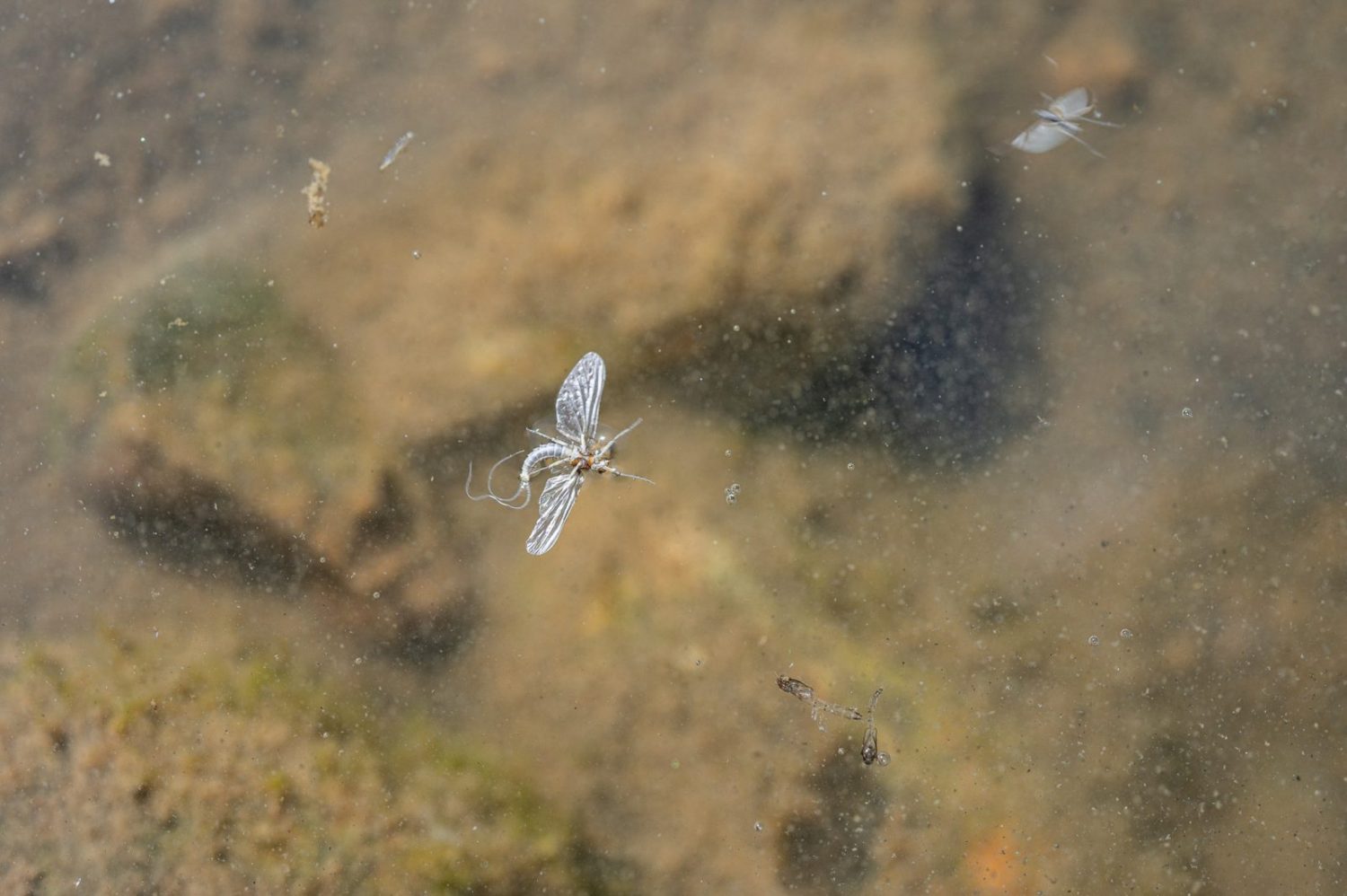
The die-off, or spinner fall, can be prolific in the sheer number of bugs hitting the water. This makes for one of the best stages of the hatch to fish if you can stay fishing into the evening hours. Spinners usually take on a reddish-brown or brownish olive hue when they reach sexual maturity. It’s hard to go wrong with a rusty spinner dry fly when fishing a spinner fall. Pay attention to the rise forms of feeding trout to decipher whether the fish are taking egg-laying females just under the water’s surface, or taking a dry spent spinner floating on the surface. Typical sizes range from 18-22 for the duns and spinners.
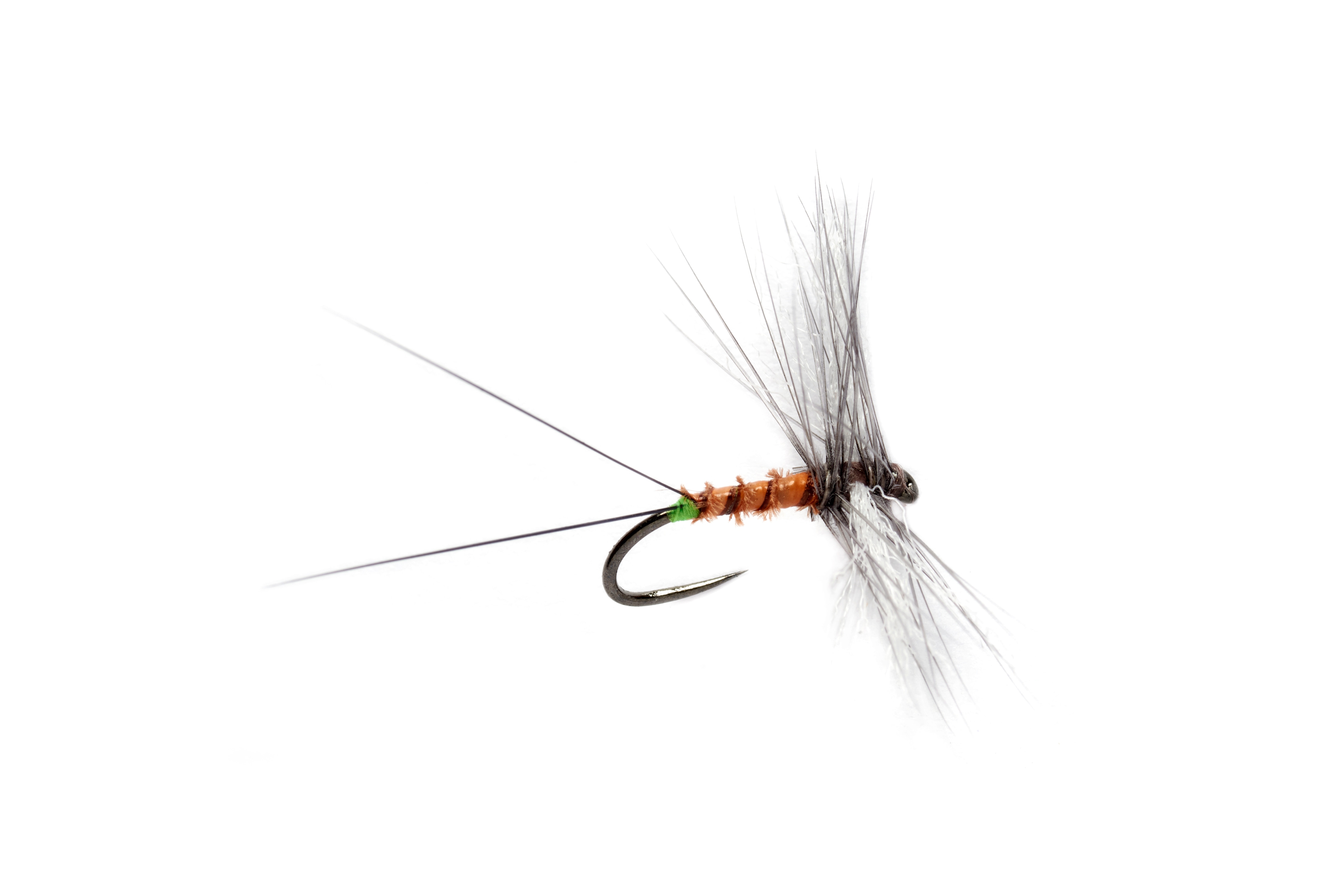
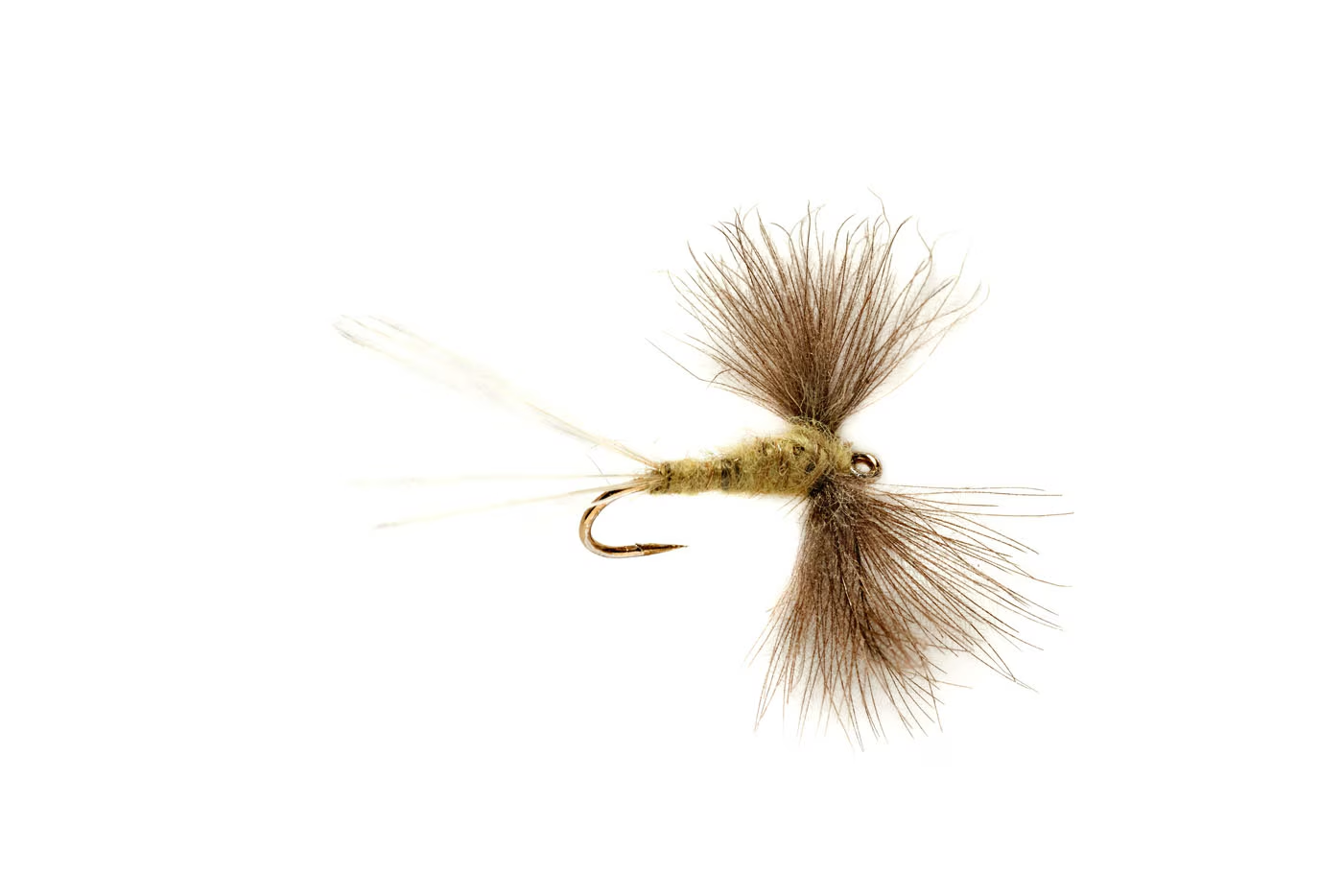




)