Fly Selection for Nymphing: How, When, and Why The Weight of Your Fly Matters
Published: 13th March 2026 | Author: Mike Komara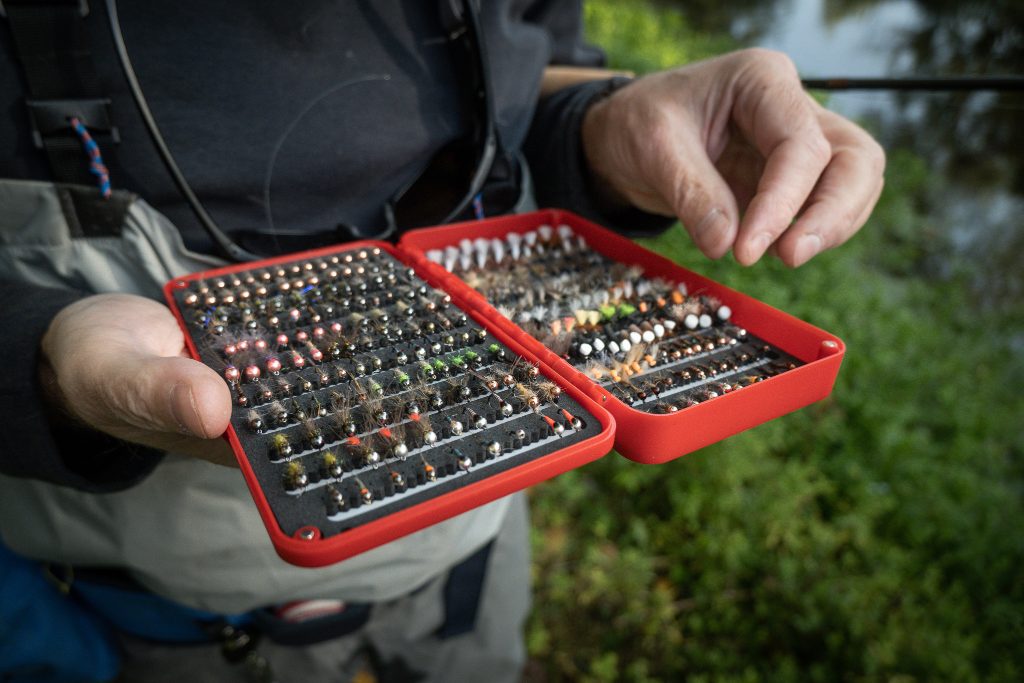
There’s a saying in fly fishing that goes, “The difference between a good nymph fisherman and a great nymph fisherman is one split shot”. These days, many of us prefer a weighted fly rather than using a split shot, but the sentiment holds true. In euro nymphing, weight is key. Having the correct weight is often the difference between a few trout to hand or fifty. It’s more than just getting the fly down to the fish; it’s about putting it in front of them in a way they find appealing.
Why Use a Weighted Fly?
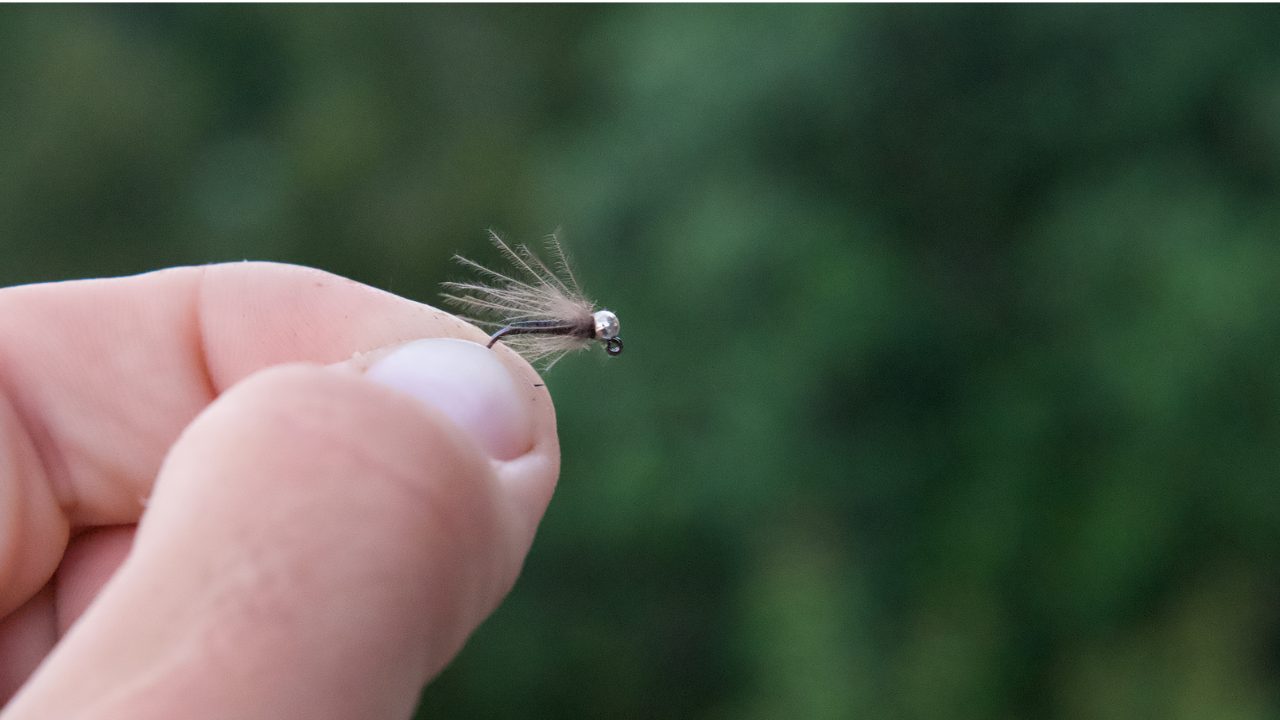
There has been a shift in the fly fishing community over the last decade towards using weighted flies over methods for all types of nymphing. Putting the weight directly in the fly offers a few benefits, the biggest being better contact. Since the weight is a part of the fly and there is nothing else on the rig, the angler has a direct connection to their bugs. They get more feedback about what is happening during the drift, and they can more easily adjust it for a better presentation. That means you can accommodate more situations effectively than with other weighting methods like split shot. You also have the efficiency benefit of being able to change weight and pattern type or size at once instead of separately.
What’s Weight For?
When considering how to weight your rig, there are three goals.
- Get the fly down to the fish in a timely manner
- Hold the fly at the right level of the column throughout the drift without too much angler input (tension)
- Effectively cast the fly to the target
More weight helps cast the fly and get it down, but it can make getting a natural drift difficult. The goal is to maximize all three points, but finding a balance sometimes requires compromise in one or more areas.
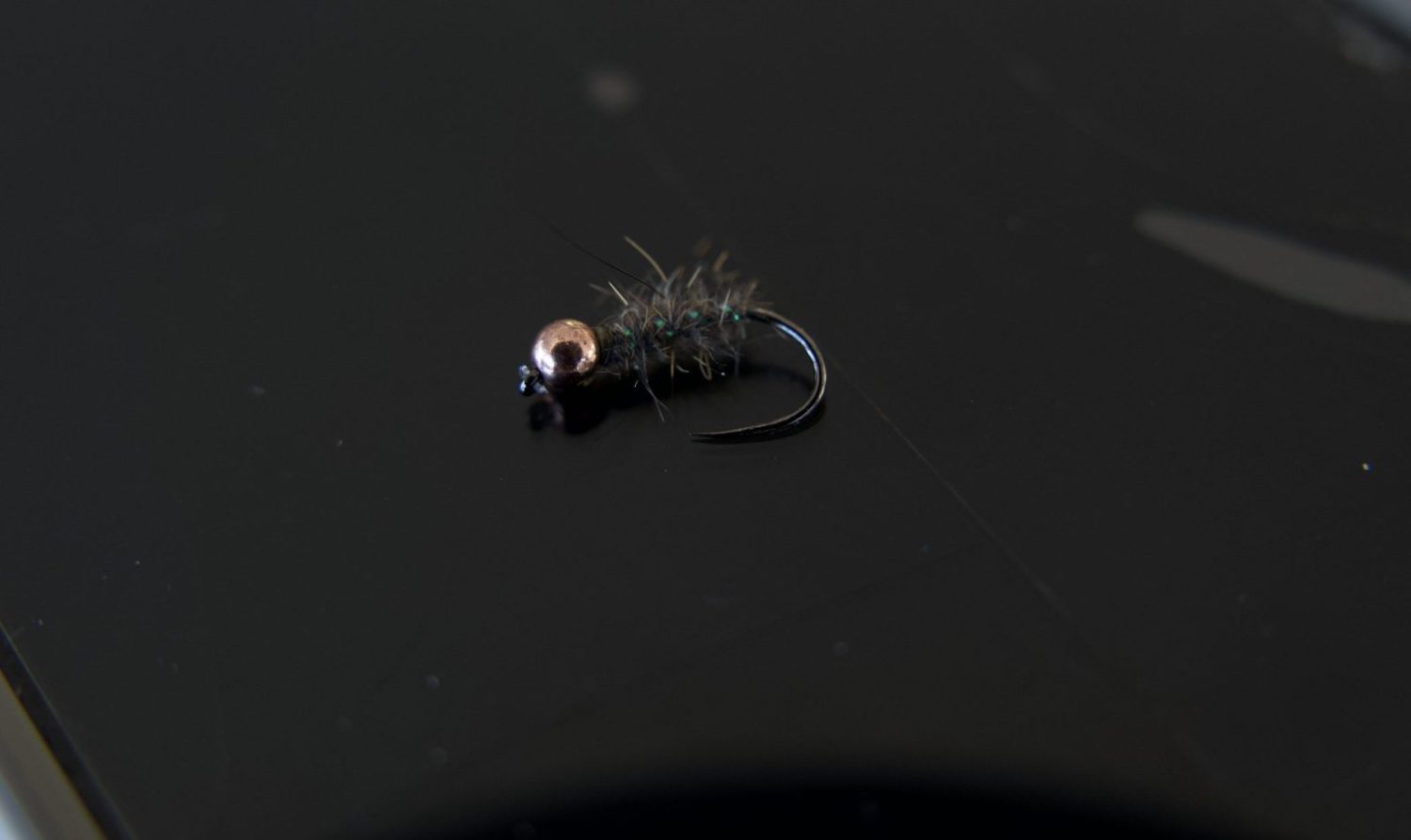
Flies like this Walt’s Worm with a lot of spikey fibers have a higher surface area and will sink slower than a sleek fly with the same bead. However, once they are at the right level, they tend to stay there better for the same reason.
Weight isn’t the only thing that affects these goals either. You can modify sink rate with tippet size, slack in the cast, and fly choice (slim or bulky). The level the fly rides can be changed with tippet size, rod positioning, and the speed and timing of rod movement. The weight you need to cast changes with wind and other environmental factors, the rod and leader setup, and your skill level. There are a lot of factors to consider when choosing what weight to start with or when to change flies!
Know Your Weights
Before getting into how to choose the right weight, it’s important to understand what you’re working with. These days, the majority of anglers and fly manufacturers are weighting flies with tungsten beads. Tungsten is the densest available material, so we can cram a lot of weight into a small area. These beads come slotted or offset, but in any case, are categorized by their diameter in millimeters. Looking at the more common slotted beads, they come in 2mm, 2.4mm, 2.8mm, 3.2mm, 3.8mm, and a few larger sizes.
Each step up in size appears fairly linear; however, it’s important to remember that we’re talking about diameter, and what we actually care about for weight is volume.
Bead Weight & Diameter
The volume of the beads has a cubic relationship to diameter, so what the difference in bead weights actually looks like is this:
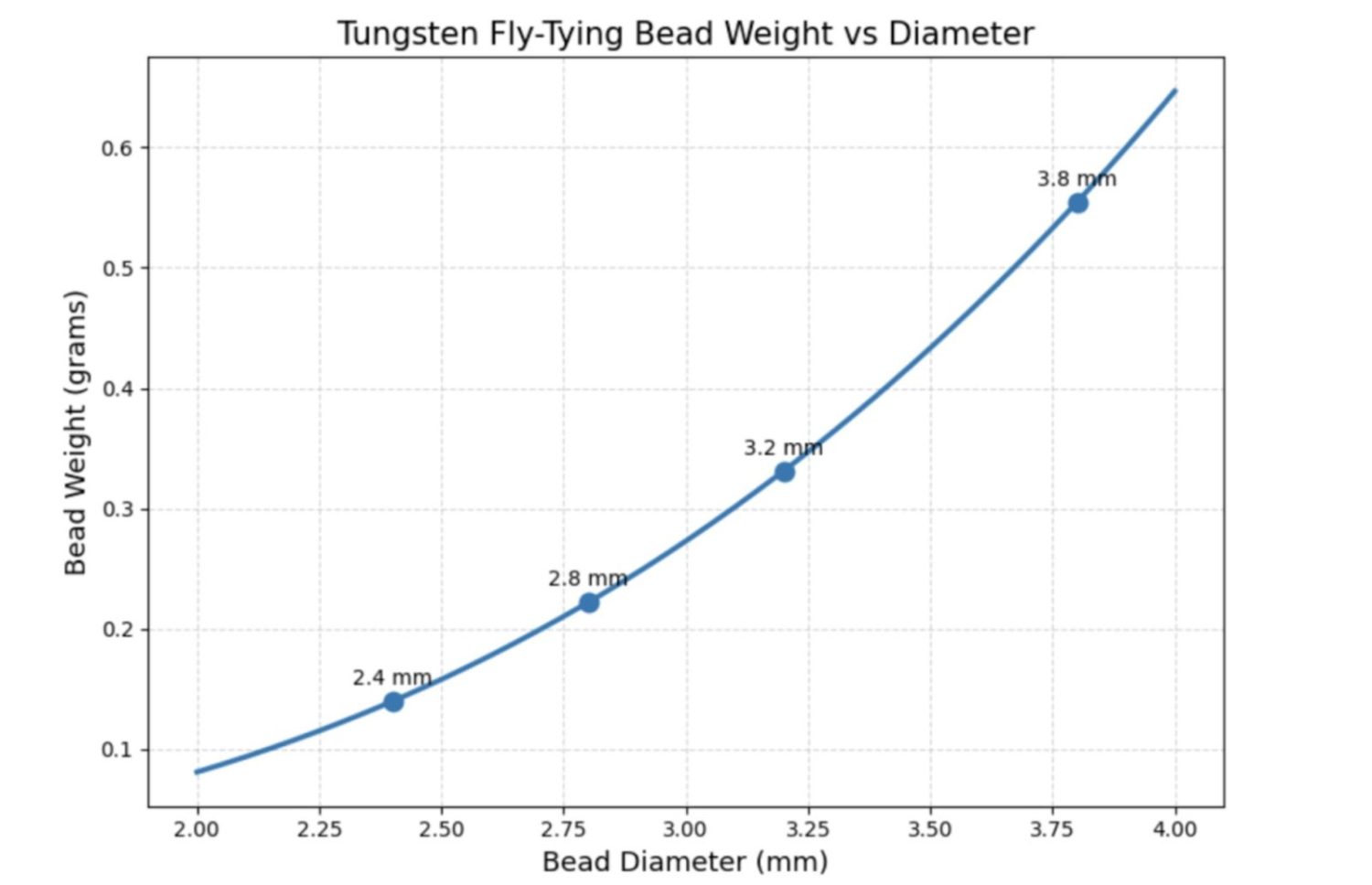
The difference in weight as you go up in bead size changes more quickly than you may think! The actual weight trend of our beads will look a bit different due to the variance in slot sizes for different beads. In most cases, the slot takes up a lower percentage of volume the larger the bead gets, so the actual weight difference between our flies is even more drastic!
For tungsten beads, the curve will be a little lower overall because of the slot and the fact that they aren’t pure tungsten, however the trend holds true. A 3.8mm bead isn’t just double the weight of a 2mm, it’s almost 7x heavier. A 2.4mm bead, even though it’s just a small step up, is still over 1.5x heavier than a 2mm bead. This is something angers tend to understand intuitively, but usually don’t actively think about when fishing. It’s important to remember that stepping up or down a bead size can have a pretty drastic effect on presentation. This is especially true when fishing larger bead sizes.
Fly Selection & Choosing the Right Weight
Picking the right weight is an incredibly situational task. Like we went over earlier, it depends on a number of factors. Consider the following: water conditions, fish activity, rigging, casting, and the drift. The best way to understand it is experience, but I’ve put together a reference sheet to serve as a guideline. It’s by no means a definitive guide, however, if you’re looking for a very general idea of when to fish what, this is my advice. This is specifically for fishing a single fly with a slotted tungsten bead, there are just too many combinations to go over double rigs!
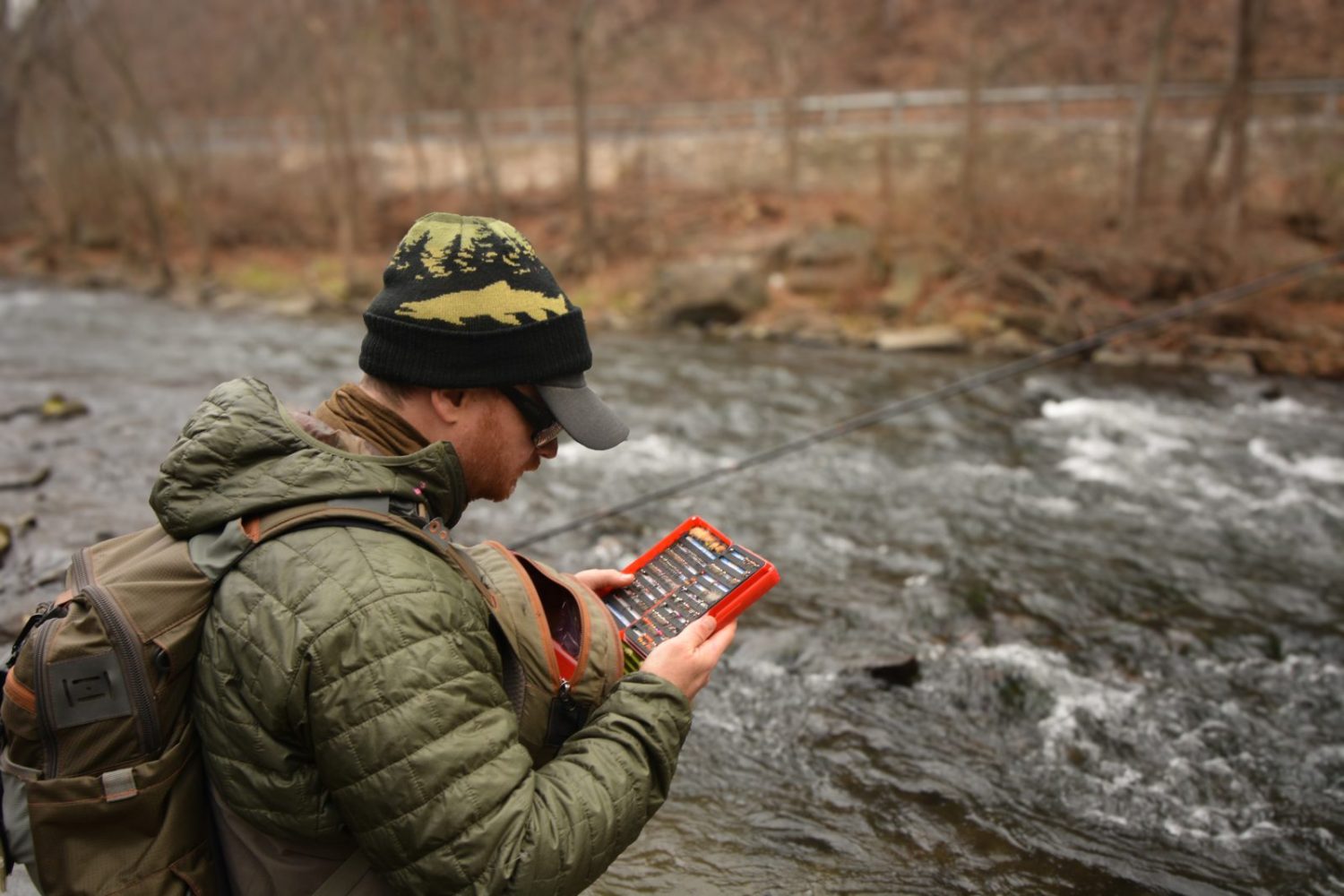
Choosing the right weight is the difference between catching fish and leaving empty-handed. You have to have the options with you to get it right! Check out Fulling Mill fly boxes!
Weight Selection & Scenarios
1.5mm Beads: 1.5mm beads are a bit of a specialist tool for me. They are incredibly light and can be hard to get down to the fish in some situations. Because of this, I primarily fish them in mid-speed water, less than three feet deep, or in very slow water. I use these pretty much exclusively for sighter floating or suspension techniques because they’re highly susceptible to sag. They’re especially useful on technical fish because of their natural sink rate and drift. I rarely fish these on tippets heavier than 7x.
2.0mm Beads: 2mm beads are a staple for my area in Central Pennsylvania. They are great for water up to medium-fast pace. These beads excel in water that is three foot depth, or deeper, and moving at a walking pace or slower. They still offer a nice natural drift while having a better sink rate and control than a 1.5 mm. I fish them mostly sighter floating, but will fish an elevated sighter closer in. These are great for that bumpy, waist-deep spring run when the fish are a bit more active. I usually fish these on 6x or lighter.
2.4mm Beads: These are probably my favorite all-around bead size. They allow you to fish the same water as a 1.5mm-2mm bead, but with a bit more control. With the added weight, you can fish slightly deeper/faster water as well. It’s a good size for light pocket water or fishing the above water from a distance with an elevated sighter. I’ll fish these on up to 5x tippet.
2.8mm Beads: This is another great all around size, especially if you’re fishing bigger water more frequently. They are good for slightly heavier pockets, medium-fast runs under five feet deep, or bigger slow pools. They offer a great split between control and a decent drift, and are heavy enough to cast well in a wide range of situations. I still won’t fish these on much heavier than 5x.
3.2mm Beads: 3.2’s are where I start describing flies as heavy. They have enough weight to get down in fast runs to three feet deep, medium fast runs to five feet deep, heavy pockets, and very deep pools. That said, they are normally too heavy to effectively fish water where you would fish 1.5, 2, or even 2.4mm beads. An outlier would be a slow-sinking fly like a mop. When fishing 3.2mm beads, I like to go up in tippet size and fish 4x.
3.8mm Beads: These are for pretty much any water heavier than you can’t fish a 3.2mm in. The big heavy runs, massive pools, giant pockets, etc. It’s rare that I fish 3.8mm beads on my home waters in Pennsylvania. Usually, I only end up pulling fish when the water is up, or I travel to fish bigger rivers.
Stocking the Weights You Need
The issue with putting the weight in your patterns is that you need a lot of flies. Put together all the hook sizes, different weights with beads from 1.5mm to 3.8mm (or larger), and spares for when you break off, and you could be looking at a full box for just a few patterns. I’ve found the best way to avoid carrying a fly shop’s worth of bugs around with you is to prioritize what you fish most.
Every area will have “primary” sizes and weights that work best. For my Central PA waters, that would be 2.0mm-2.8mm nymphs on a size 16-18 hook. When I’m filling my boxes, I make sure I have all my main patterns in those sizes and weights. Then I only stock half the amount with lighter or heavier beads, because I’ll go through them slower. I do the same for larger or smaller hook sizes. It’s nice to have a perfectly symmetrical, fully stocked box, but focusing on what you actually use will save you time and money.
If you’re an angler who doesn’t tie flies, Fulling Mill has you covered with a range of hook and bead size combinations for most of their nymph patterns. You can find exactly what you need for your area and fishing style to customize your box.
Fulling Mill Bead Chart
A number of Fulling Mill’s tactical nymphs are offered in various weights. Take Olsen’s Hare’s Ear Blowtorch, for instance. A size 16 is offered in both 3.2mm and 3.8mm beads. When shopping, just look for the letter next to the hook size of the fly and order accordingly.
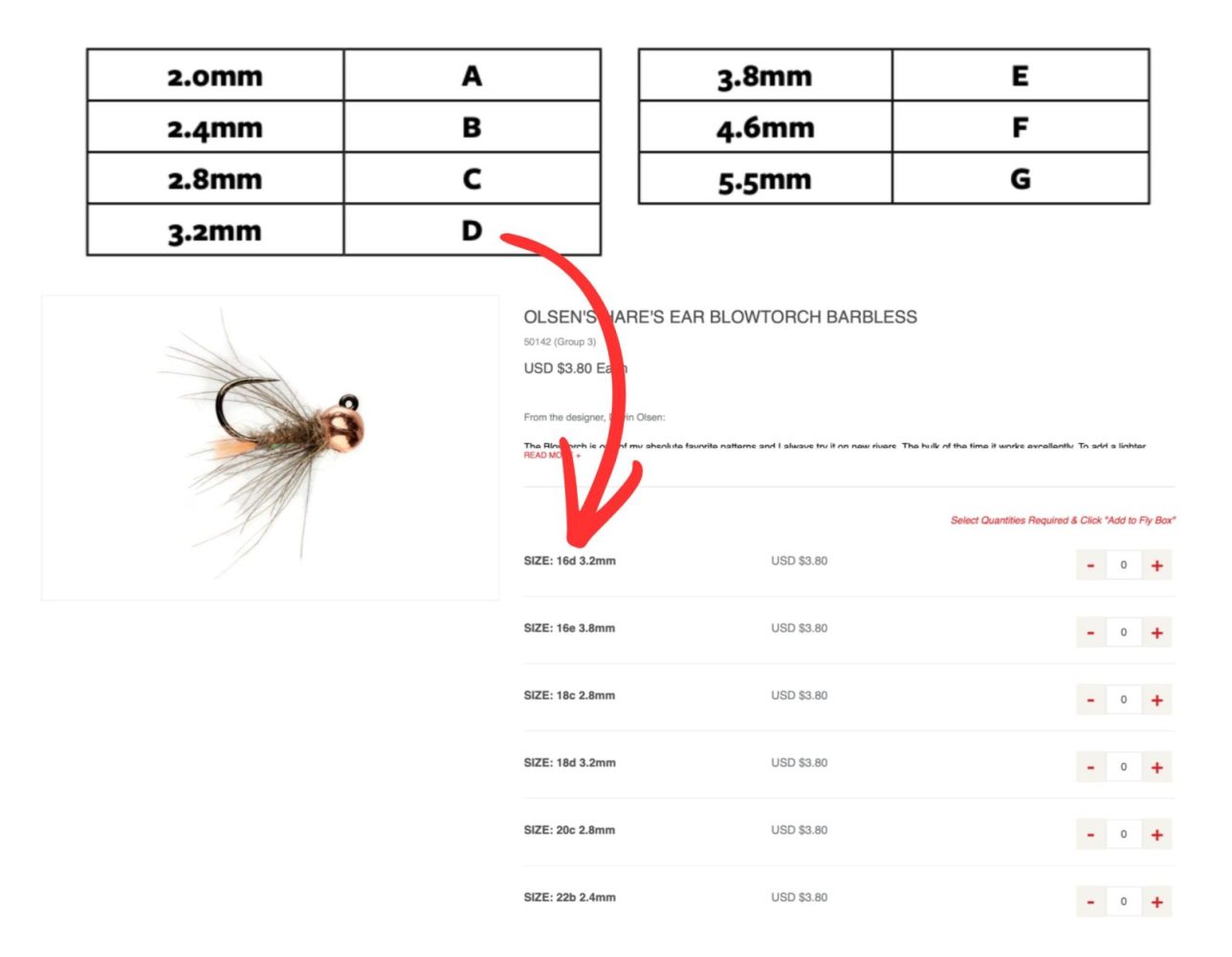
Unlike most fly suppliers, Fulling Mill offers multiple bead sizes for the same hook size. This allows you to customize your box for your waters and meet every situation head-on. The bead sizes are denoted by the letter next to the fly size.
Final Thoughts on Weight and Fly Selection for Nymphing
Fly weight is a complicated topic. There are so many factors that influence how to choose the right fly. It is simply situational. The benefit of euro nymphing is that we have the ability to adjust the drift with casting and rod control instead of needing to alter the weight for every situation. Mastering that is what allows us to cover water efficiently and effectively.
When the situation is drastic enough to require a weight change, it’s important to remember it sometimes has a bigger effect than you may expect. One of the most common mistakes I see is anglers fishing a bead size heavier than they need for the situation. It’s a lot easier to fish too heavy than too light, but it can be just as detrimental. Experience is the best teacher, so get out there, experiment, and see for yourself how changing weights can change your day on the water
Contact Mike
Reach out to Mike for bookings and/or questions through his website, innovativeangling.com!



)