Dougie’s Beginners guide to Pike fly fishing
Published: 25th October 2017 | Author: Dougie LoughridgeEver fancied a crack at fly fishing for Pike but don’t have a clue where to start? Here’s Dougie’s Beginners Guide to Pike fly fishing, covering everything from the rod to the fly box.
So you’re thinking about buying a Pike fly rod? In this blog entry I’m going to touch on some of the questions we get asked most from newcomers when they visit the shop.
- “Can I use my reservoir Trout gear as I’m not sure if I’ll get into it or not?”
Maybe for the smaller Jack Pike on a small pond or canal but in short, no, not really. You may be able to chuck some smaller Pike flies on your 10ft #8 weight but they aren’t really efficient for this and will tire you out if you use big flies for any length of time. Also – if you hook into a good Pike, you’ll need to apply the brakes on a fighting fit fish to get it in quickly for a safe release and you need a rod with plenty power in the butt of the rod to do this effectively. A 9’ #9 or #10 weight is ideal. With regards to lines, if you were to choose just one density to get started, I’d suggest an intermediate would be the most versatile. You will definitely add to this as you go so bear this in mind also when you are choosing a reel – a #7/9 size cartridge/cassette reel with a mid arbour spool with decent capacity is ideal.
Stripping guards help protect your fingers from burns when stripping lines all day
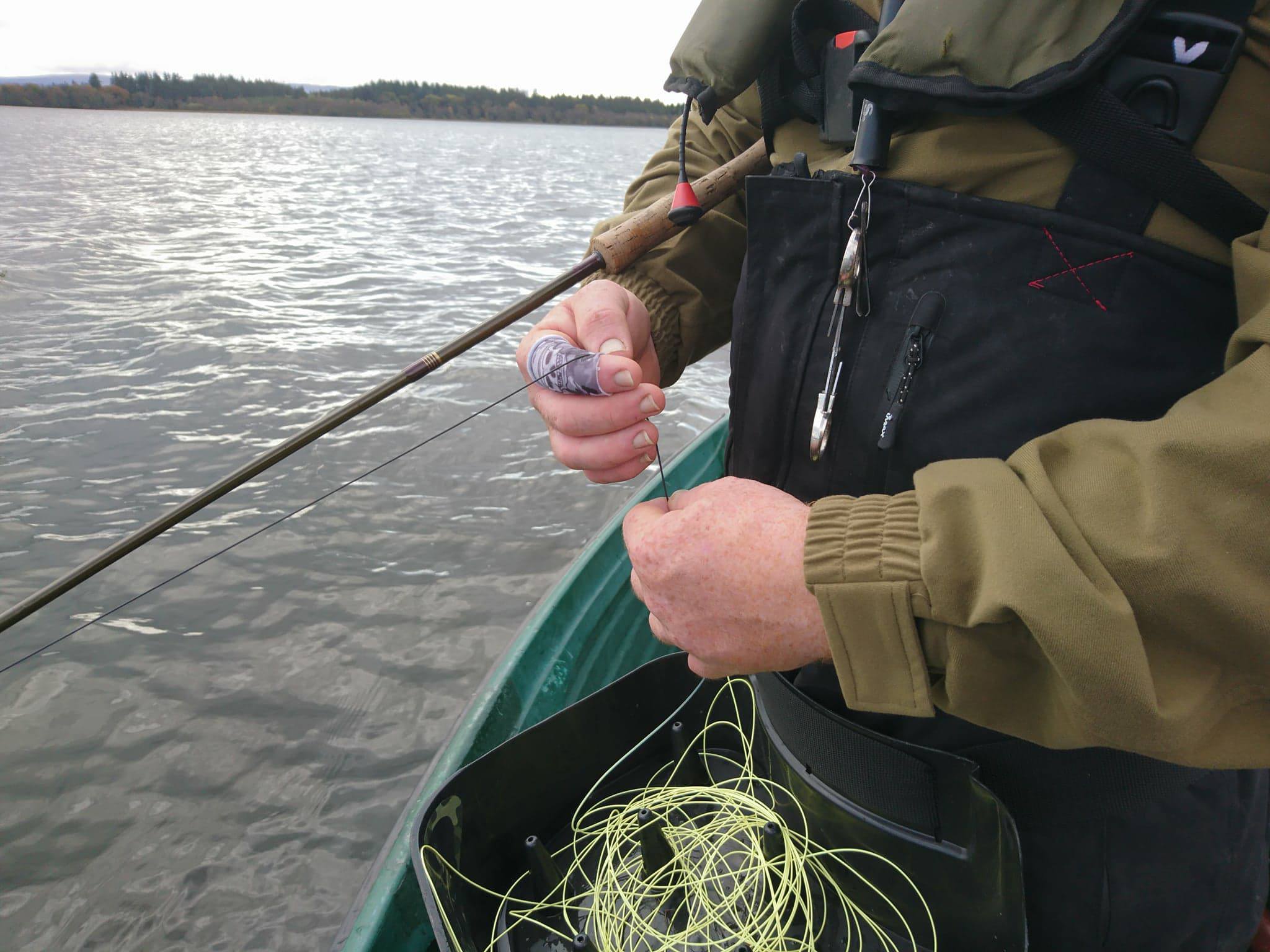
Try a roly-poly retrieve for best effect with big fly patterns - “Aren’t Pike flies difficult to cast?”
As I touched on already, if you intend on using large or bulky flies, you need a 9-weight rod. This does not mean the rod is physically “heavy” but rather it is designed to cast a heavy, #9 weight line. When balanced out correctly, a Pike outfit has the ability to throw big stuff efficiently without the need for having the physique of Geoff Capes.
Handle fish confidently but with care - “They have big teeth, I’m not sure about handling them!”
The ideal scenario here is to tag along with an experienced Pike angler to see how it’s done. Angling clubs such as the PFFA (Pike fly fishing Association) may also have socials in your area where you can get together with experienced anglers and newcomers alike to fish together. The Staff in your local tackle shop will also be able to offer advice and suggestions on unhooking equipment; Debarbing tools, nets and mats etc. Another option is to hire a qualified Guide or Instructor who can take you out, show you the ropes and even help make informed tackle choices if he/she provide the kit.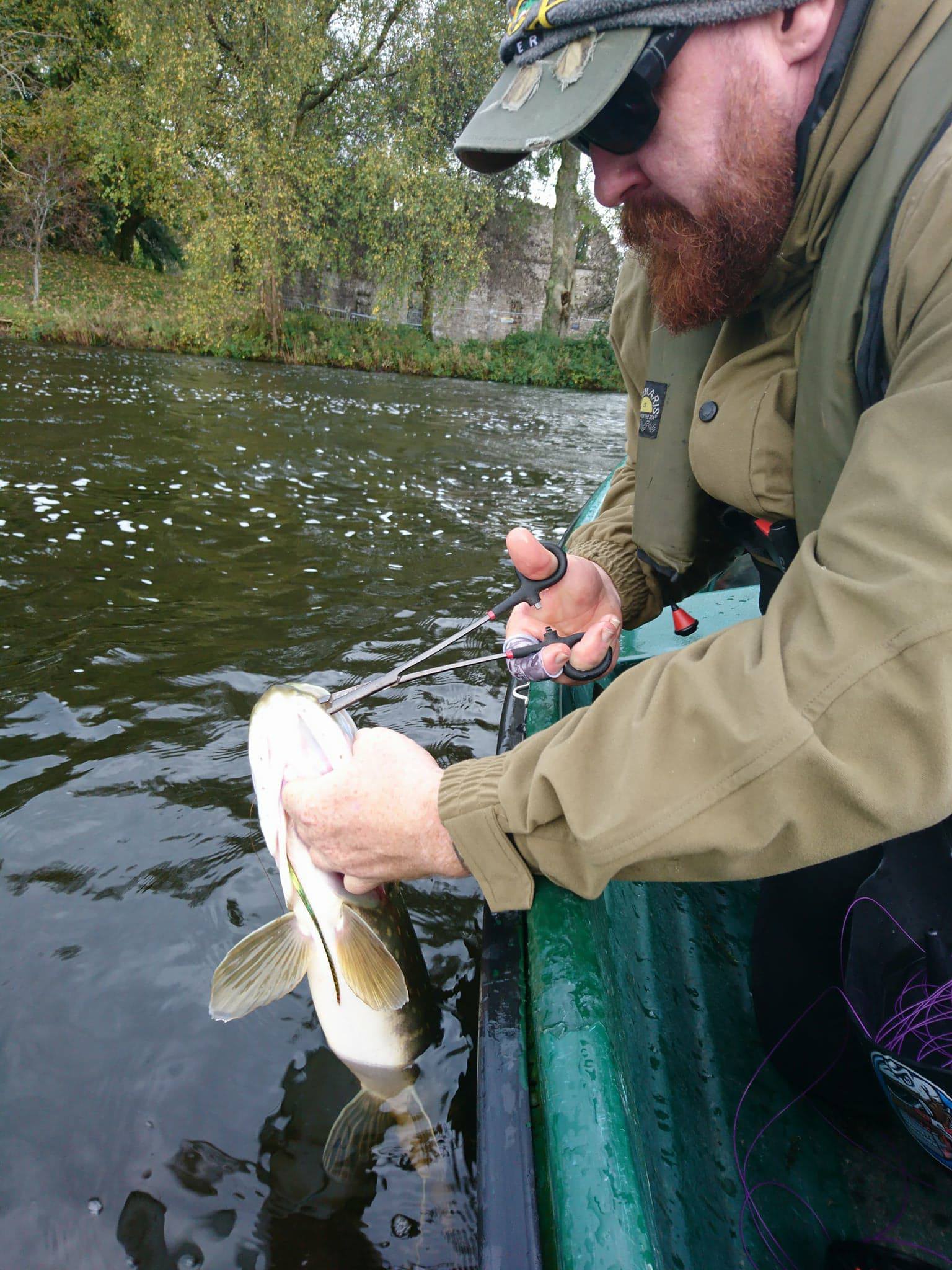
Smaller fish can be unhooked in the water with minimal handling
The addition of a wiggle tail to Stuart Sutherlands fly on a roly-poly retrieve brought a great result in the form of this excellent 19lb Scottish Pike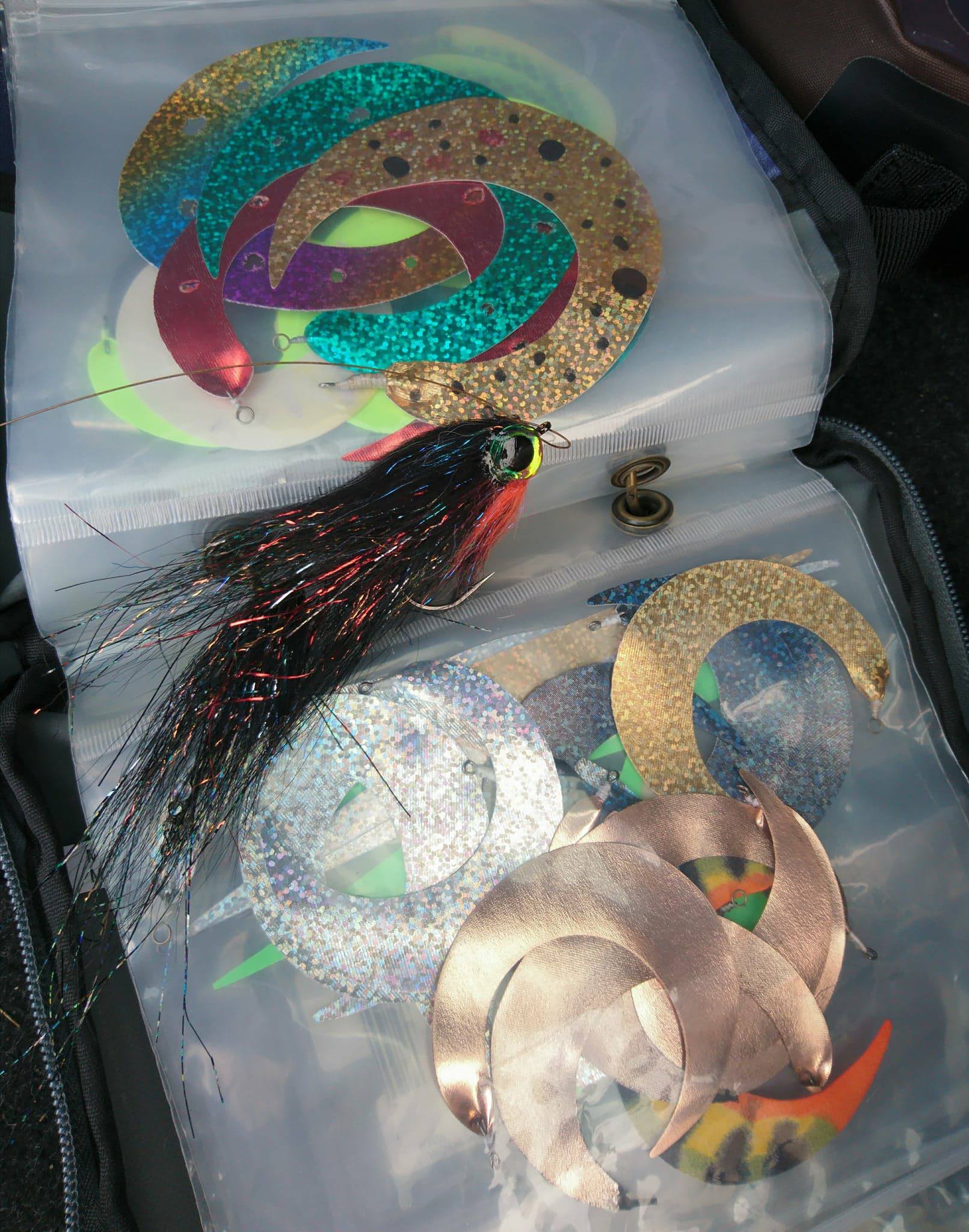
The addition of wiggle tails can add flash and vibration to a fly - “What flies will I need?”
Unlike Trout or Salmon fishing, you’re not going to require fly boxes full of every type of flies. Yes, they are a bit more expensive but a box or two with a few flashy flies such as a Flashtail Whistler or Sparkler and a few more natural patterns covering Roach and Perch fly patterns should see you through most situations. As you get into it, you will undoubtedly build up a collection to suit your local venue(s).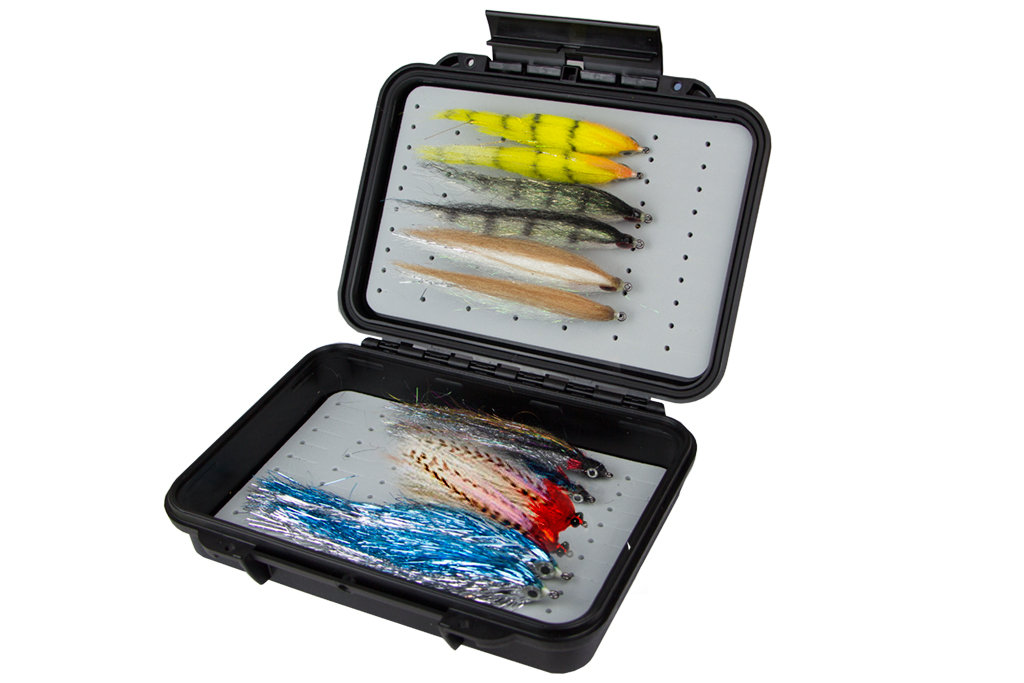 The Fulling Mill Guide’s Choice Predator fly selection offers a brilliant range of fly patterns that are tried specifically for Pike fly fishing.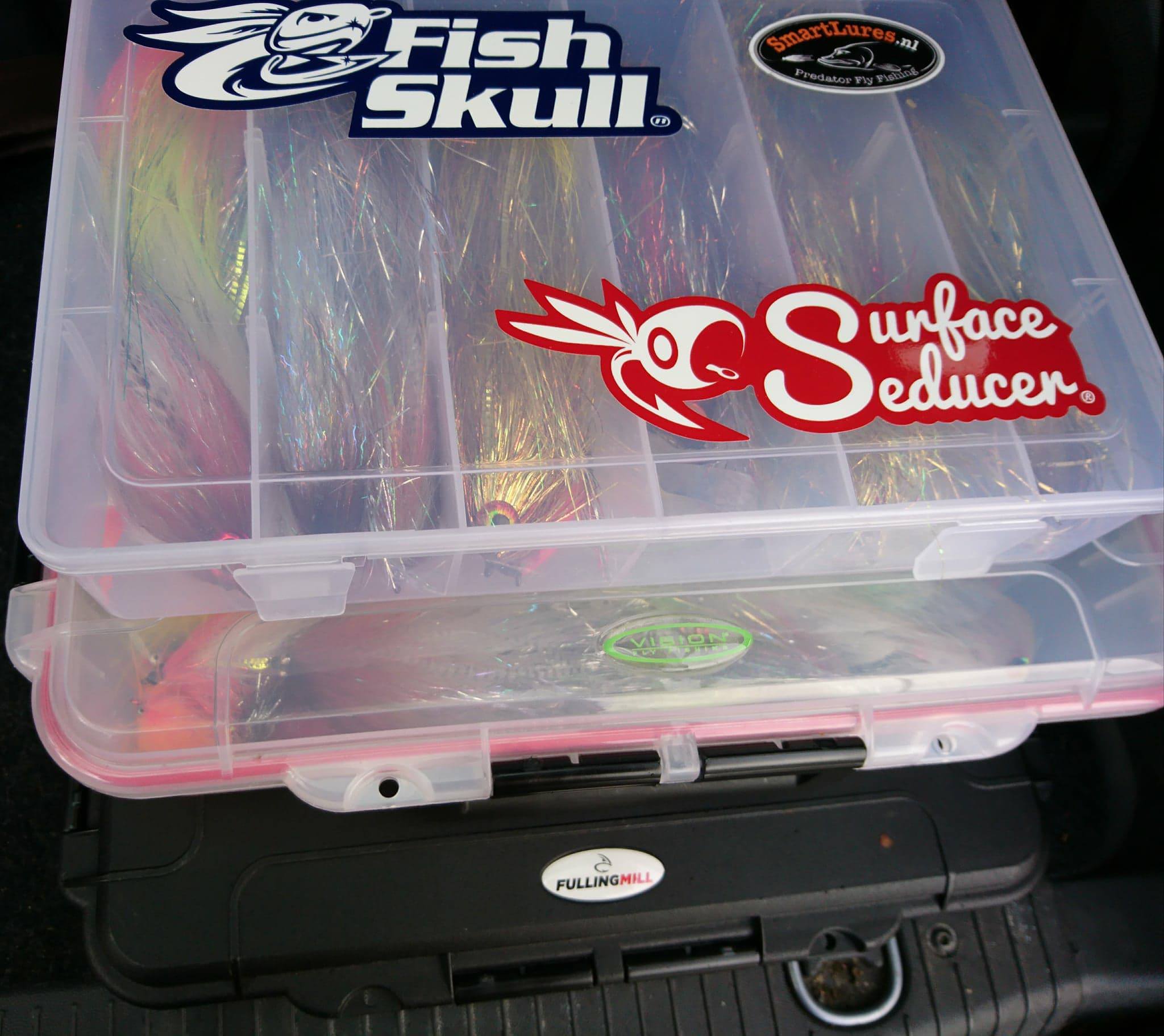
A selection of flies ready for a day afloat
- “What about leaders?”
One of the plus points of Pike fly fishing is that it’s very simple leader-wise. A short, stiff leader of 20-30lb fluorocarbon or mono leader attached to pike wire leader and off you go. How you choose to construct your leader is up to you, there are lots of solutions and an internet search will help steer you in the right direction. Personally, I prefer 5 feet of 20lb fluorocarbon with either an Albright knot or loop to loop (if your wire is coated, otherwise it’ll cut the fluoro) to 2 feet of 26lb 49 strand knottable wire. I attach my flies using a jam knot rather than use clips.
A nicely conditioned “Jack” with a taste for a Sparkler
- “When is the best time to go?”
Pike will take a fly all year round but you may have season restrictions on your local venue and it’s generally accepted that they’re better left alone when they are spawning in the Spring. Post spawn (late Spring/early Summer) is a good time as they are looking to pack on weight and regain condition after the exertions of breeding. Then you have late Autumn when they are feeding hard in preparation for the leaner cold months ahead. In the Winter, just layer up, go deep and slow with your flies and you should still get some rod wrenching action!




)