NEW Stainless Steel Beads for Fly Tying & Nymph Fishing
Published: 20th November 2026 | Author: Fulling Mill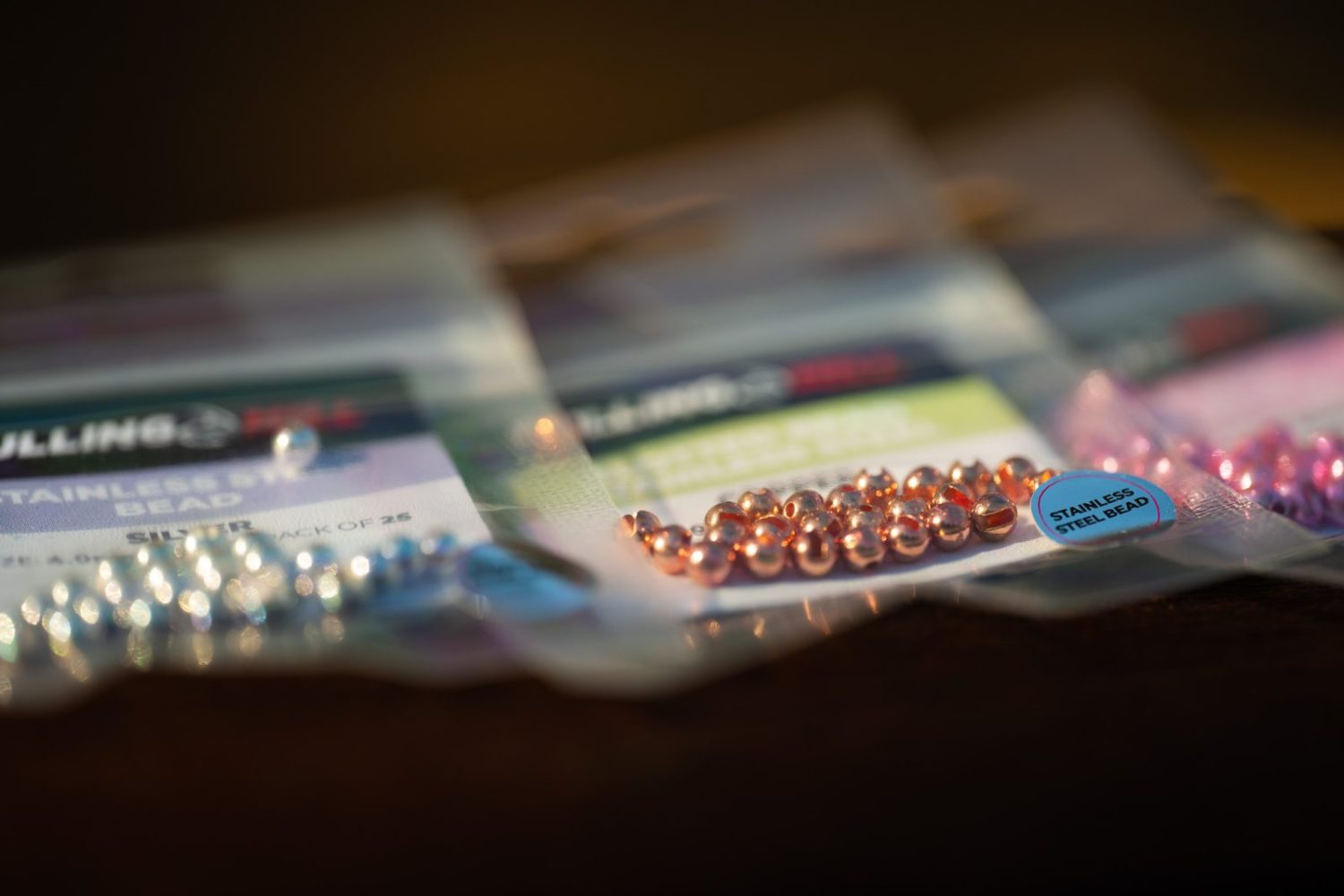
Tungsten is a hot topic right now in fly tying and fly fishing. As many of our readers probably know already, the raw material cost of tungsten has increased by over 600% in the past year. As a result, all tungsten beads, tungsten beadhead flies, and tungsten dumbbell eyes have gone up in price. We are well aware that these price increases put additional strain on fly tyers and anglers, so we set out to find solutions that would allow fly anglers to get on the water in a more affordable way.
Since the majority of our tungsten beadhead flies use slotted beads to fit on jig hooks, our technical team went to work researching alternative metals ideal for slotted bead manufacturing. You might be wondering, why not brass? We get into that later. After months of research and development, we’re very excited to introduce stainless steel beads for fly tying and fly fishing, offered in slotted, countersunk, and drop beads. Read on to learn more about why we chose stainless steel and when and where it excels on the water!
Benefits of Stainless Steel Beads for Nymphing
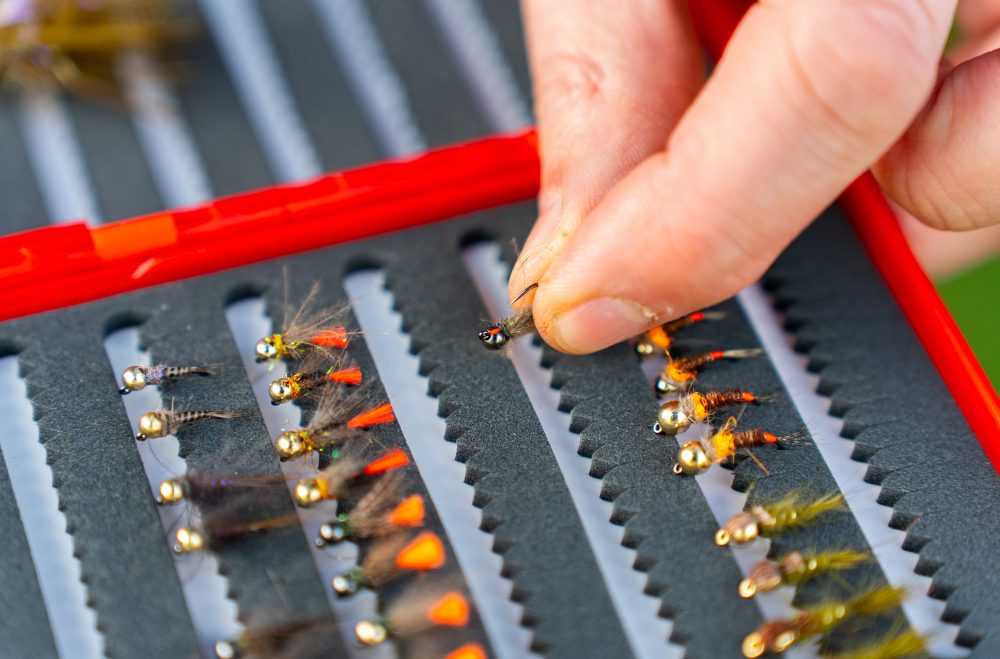
What started as a search for a cost-saving solution to expensive tungsten quickly revealed that this material is not only an affordable alternative to using tungsten beads, but it is also an additional tool in the nymphing toolkit.
Both tungsten beads and the new stainless beads have a time and place, but unless you’re fishing some super heavy currents and turbulent water, what most folks do with tungsten bead head flies, you can typically do with stainless. And in some cases, you’ll do it better.
A fast sink rate isn’t everything. Tungsten has ruled the nymphing conversation for years for its ability to sink quickly into “the strike zone”, but here’s what most nymph anglers don’t understand. Tungsten nymphs don’t drift as naturally as a lighter-weighted fly. Due to the density of the metal, a tungsten fly might leave the strike zone just as quickly as your tungsten nymph drops into the strike zone.
If you’re fishing too heavy, your nymph might swing through the drift back towards the rod tip, like a pendulum. Downsize your bead, and you can achieve better carry throughout the drift.
Stainless Steel vs Tungsten: One Does Not Replace The Other
As mentioned above, both tungsten beads and stainless beads shine in different circumstances. We did not create stainless steel beads to replace tungsten; we simply designed stainless steel beads to give anglers another bead option and respond to customers seeking premium beads at an affordable price point.
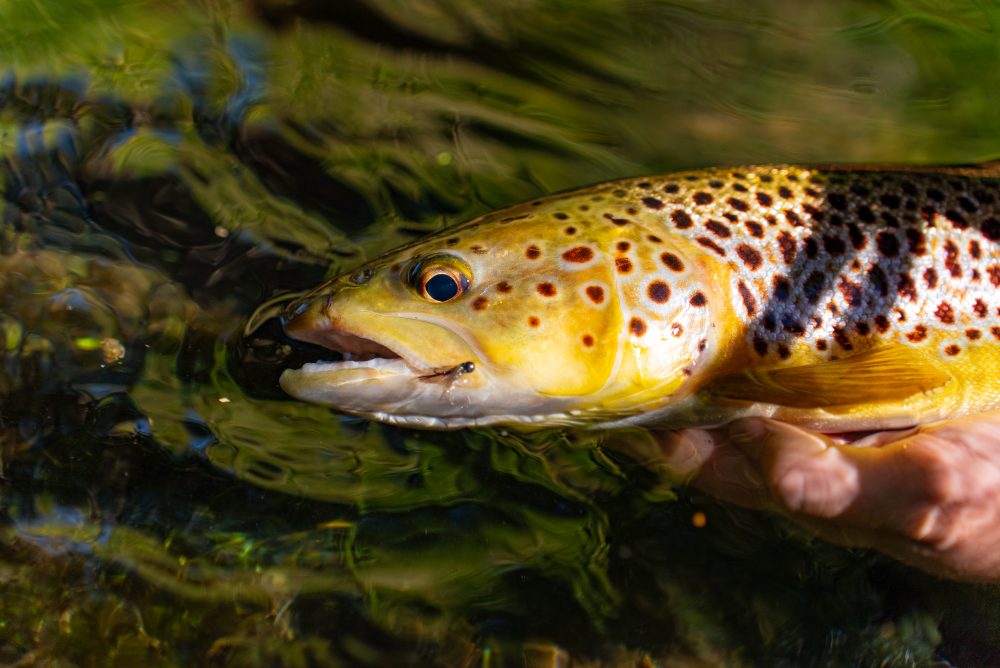
Natural Nymph Drifts & Where Carry Matters
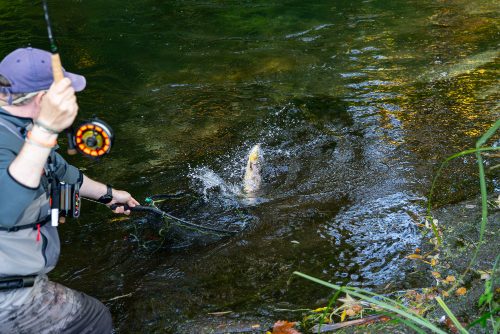
Nymphing often requires reading the water, rigging properly, and technically sound presentations. Natural drifts are what nymph anglers strive for, and therefore how your fly tracks through the drift and through different water types is very important. The length and duration of that drift can be referred to as “carry”. In certain water types where fish are extra wary about their surroundings and how food is presented, having a fly that drifts longer and more naturally significantly increases your odds of getting a take. With stainless steel being less dense than tungsten, depending on your bead size, you can fish lighter and optimize how a nymph drifts.
Nymphing slow water and gentle currents are where stainless steel flies can really excel. Sure, they won’t drop to depth as quickly. But they will naturally drift better and carry throughout the distance of the drift longer. If you’re looking to match the sink rate of the tungsten bead flies you’ve come to know and love, simply upsize the stainless steel bead, and you’re off to the races.
NEW Stainless Steel Beads
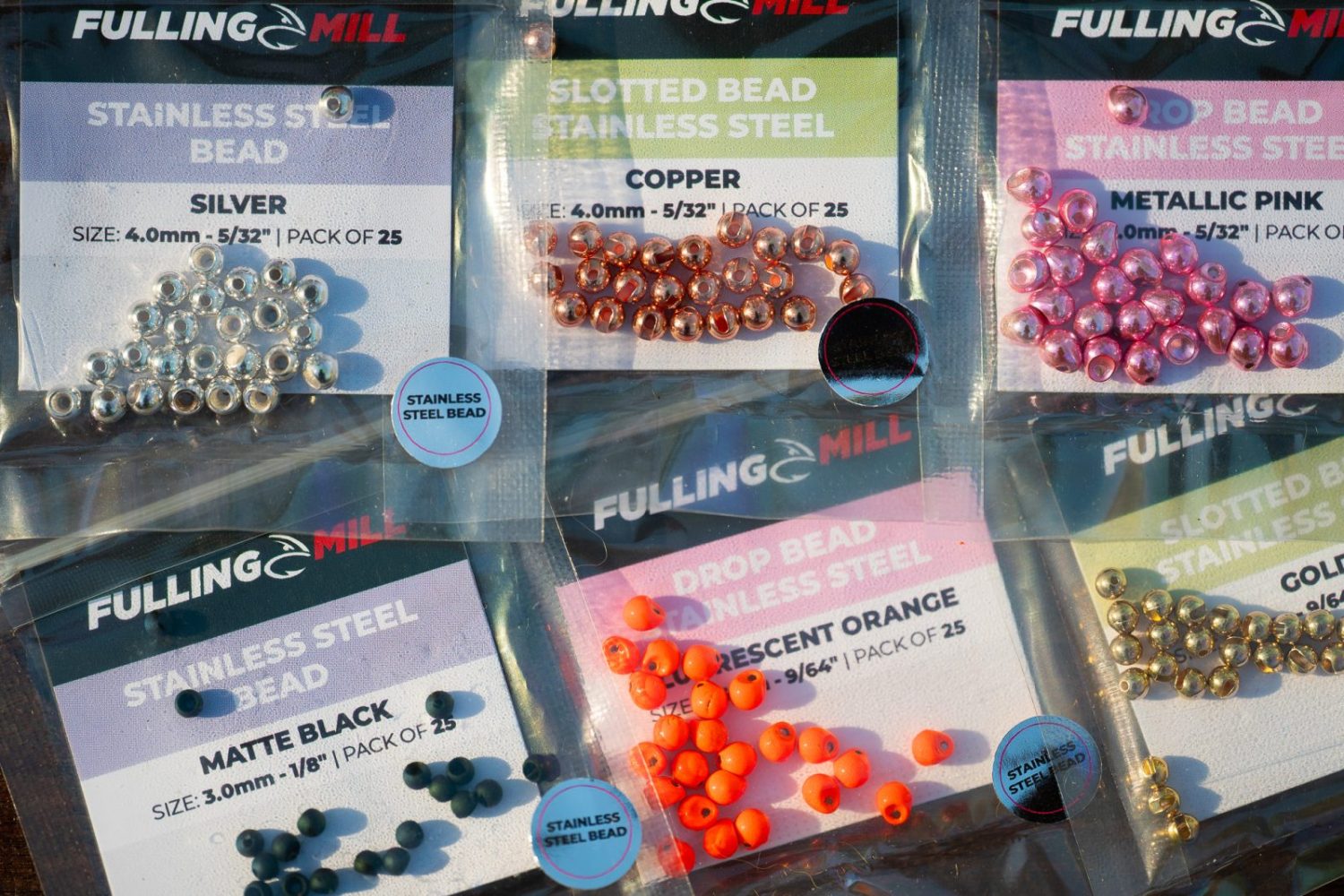
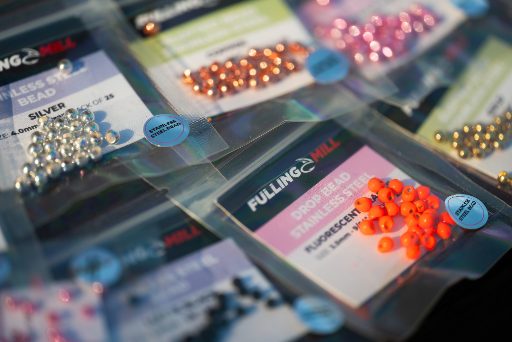
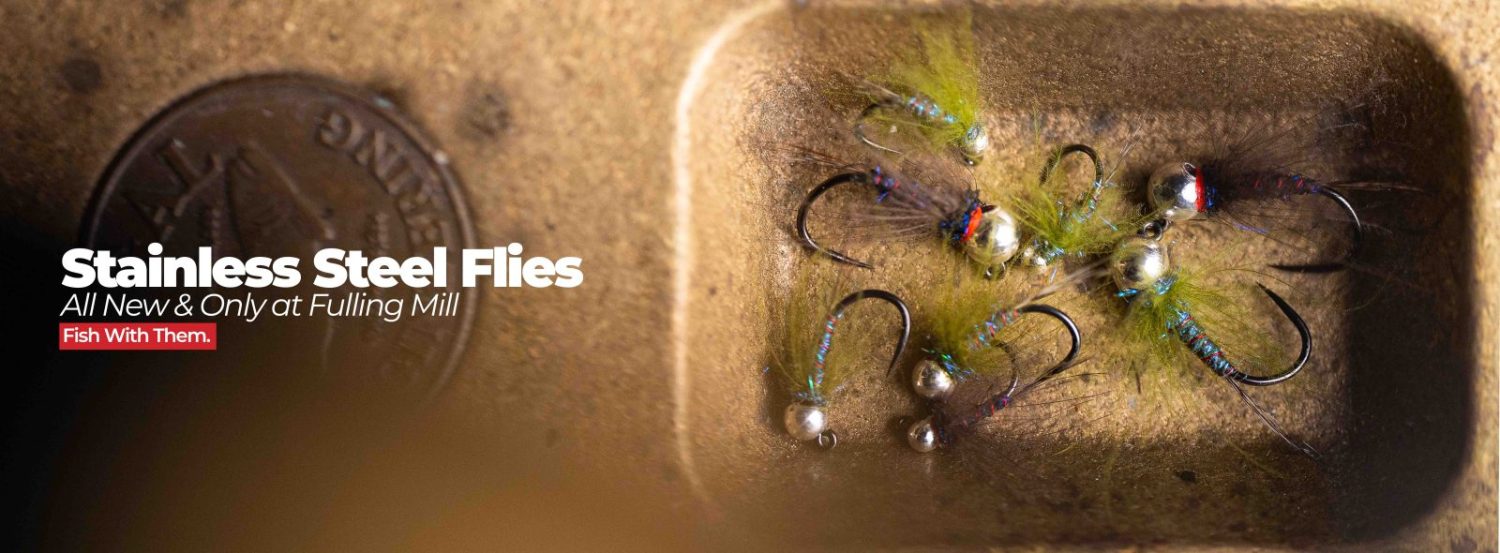
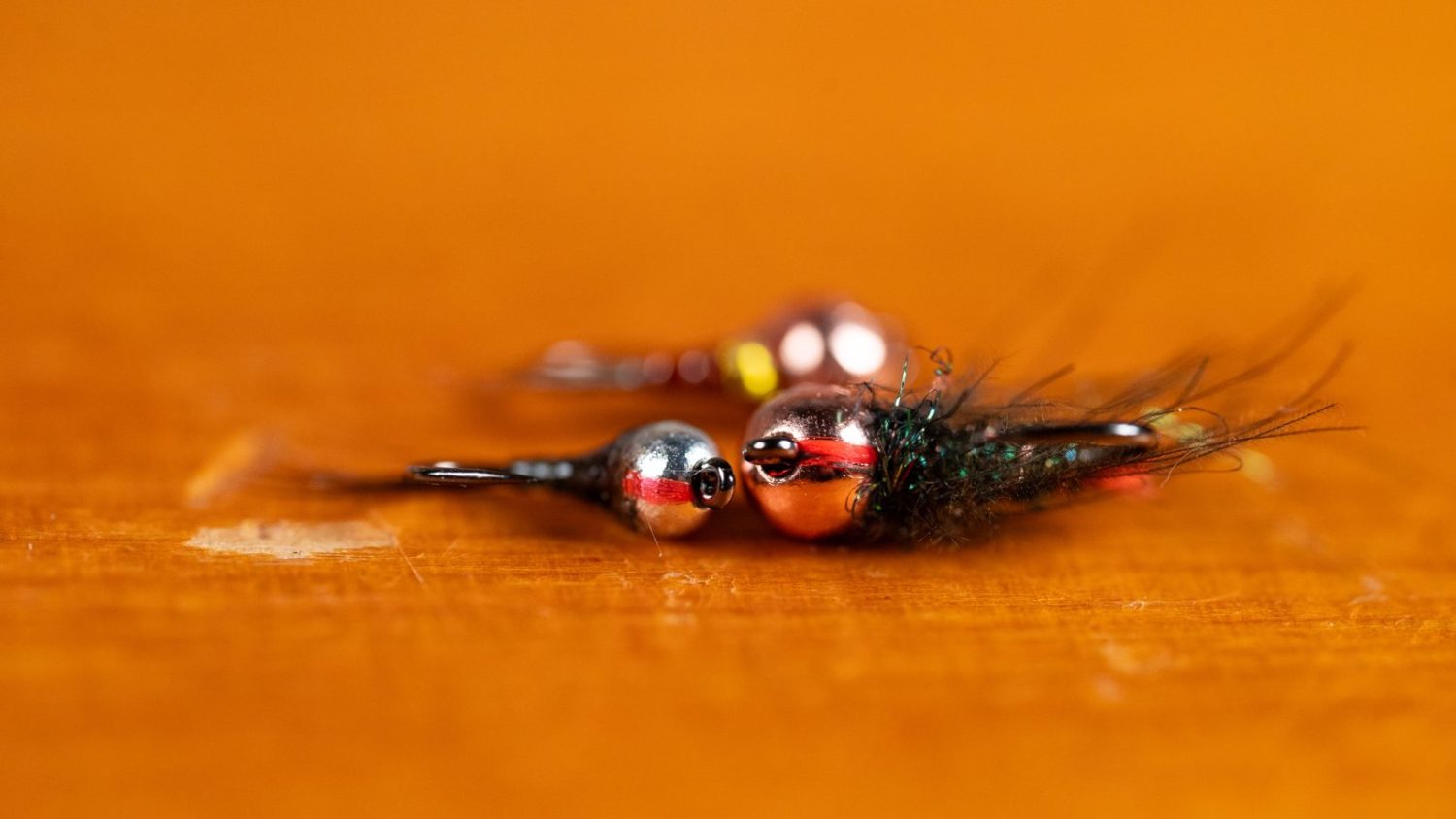
Visually, stainless steel beads look identical to our anodized tungsten bead range, and come in many of the same colors. We offer stainless steel slotted beads & stainless steel countersunk beads in matte black, copper, gold, black nickel, orange, fluorescent orange, metallic pink, and silver. If you like fishing drop beads, our new stainless steel drop beads come in copper, gold, black nickel, fluorescent orange, metallic pink, and silver.
Some of the perks of stainless steel are that it is significantly less expensive than tungsten, which is great for us and our customers. Not only are our stainless steel beads and flies a possible solution to tungsten’s price pitfalls, but they are another arrow in your quiver. Fish them and find out!
Stainless Steel, Tungsten, and Brass – What’s The Difference?
Stainless beads are about 50% as heavy as a tungsten bead of the same size in millimeters. If you’re looking to match the sink rate of tungsten flies, simply upsize the stainless bead by one size, and your flies will have a comparable sink rate. Check out the size chart below!
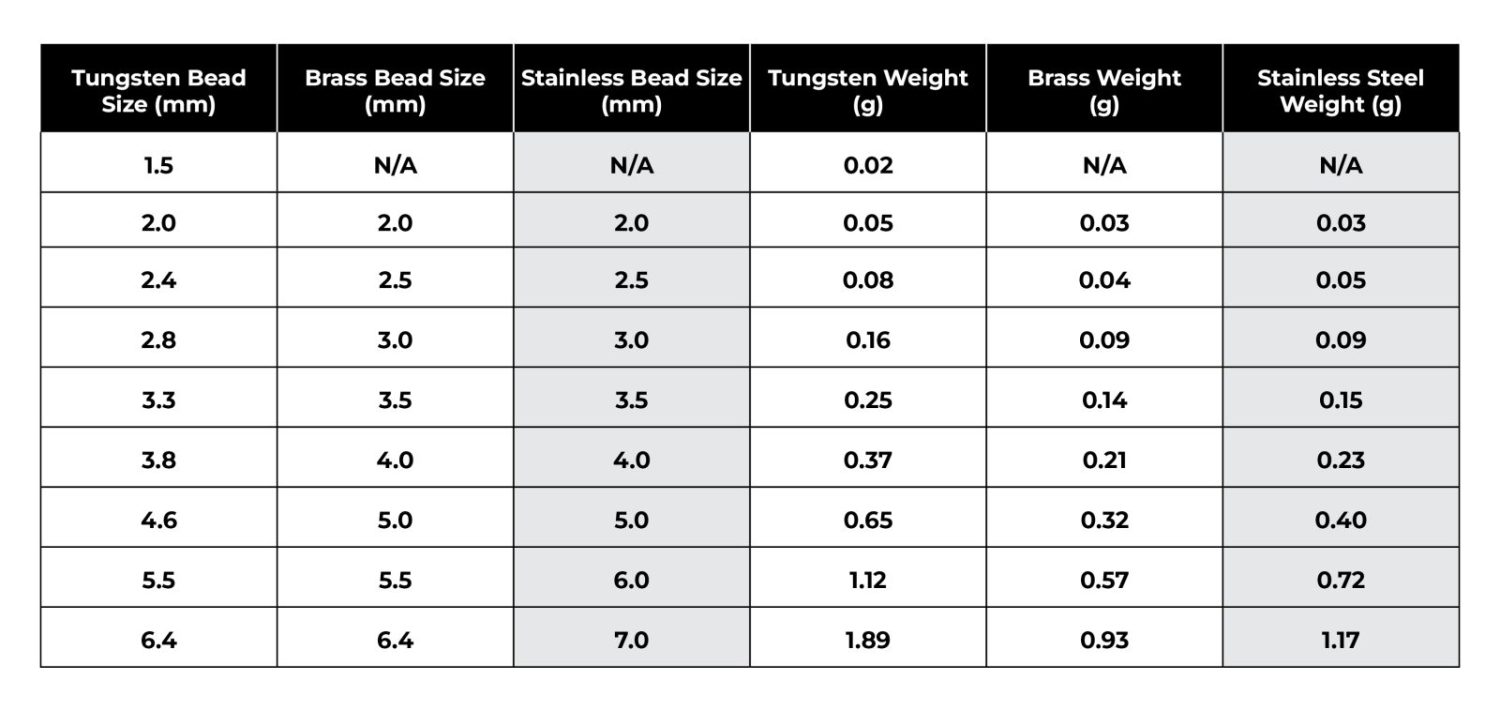
The differences in size increments are due to differences in how the metal behaves in manufacturing. As a result, we now have bead sizes that fit in between our existing tungsten bead range. This is ideal for the most technical nymph angler!
Why Not Brass?
You might be asking yourself, why stainless? Stainless steel is denser than brass. Because many of our top-selling tungsten flies are tied on jig hooks and utilize slotted tungsten beads, it was important that whatever metal we went forward with could be made into a slotted bead. We looked at brass, but it couldn’t easily be molded into a slotted bead based on our manufacturing process. Stainless steel could, so that was our choice.
New Stainless Steel Flies
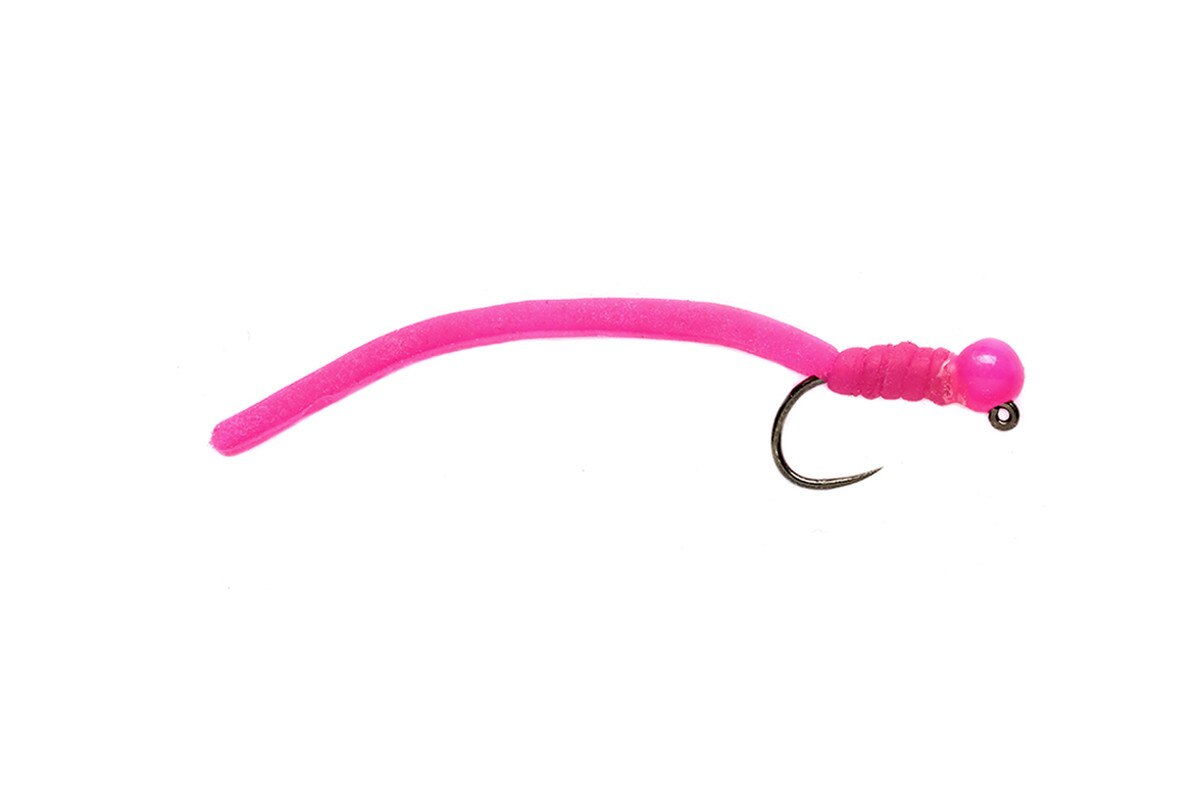
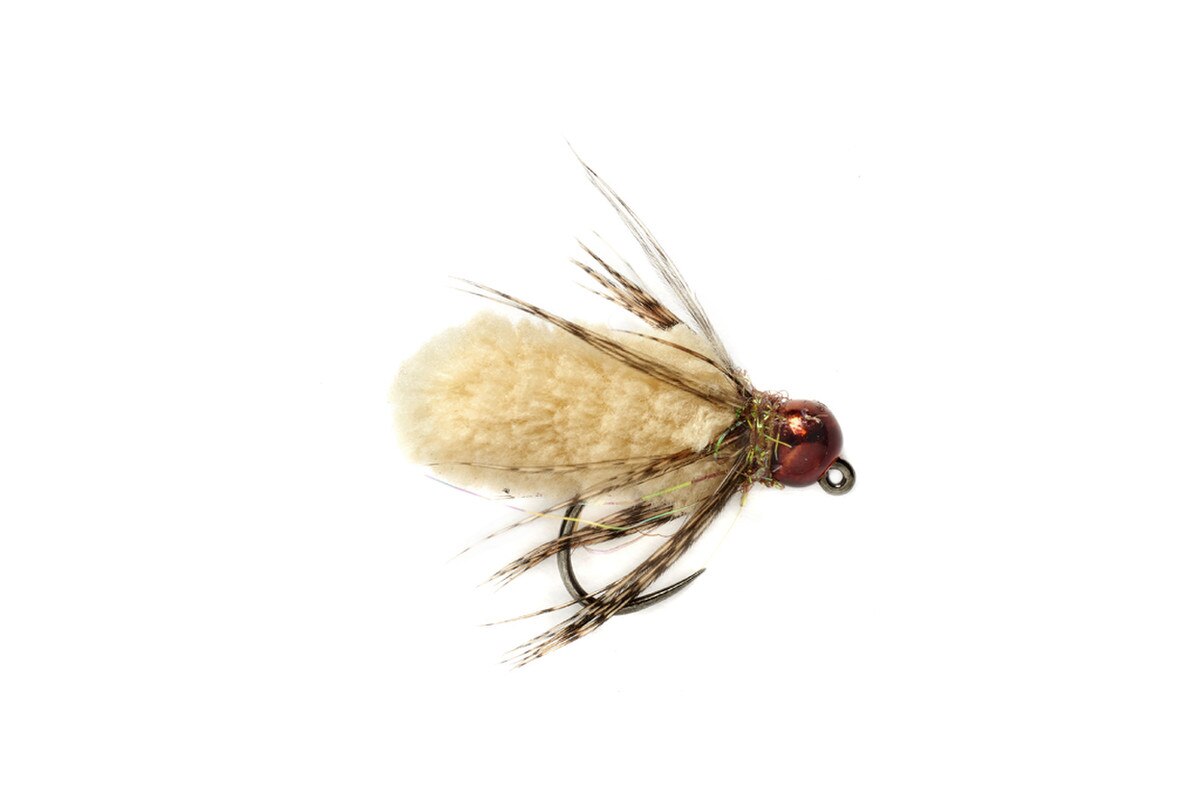
To give you the most flexibility when tying and fishing, we added roughly 100 of our most popular nymph and jig streamer SKUs in a stainless steel beaded option. These are all NEW SKUs that exist in addition to their tungsten version. The tungsten version will remain, so everyone will have the option to purchase the version they think best suits them based on price and performance.
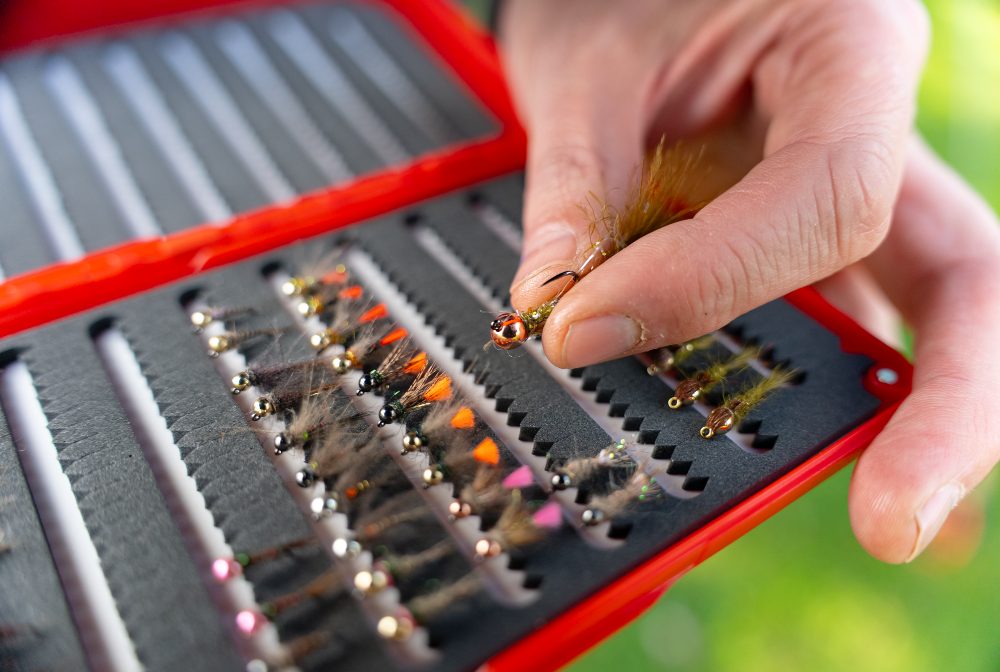
We have also added a range of entirely new patterns that use stainless steel beads. In most cases, they are 2 price groups lower than the tungsten version. This offers a significant cost distinction, as well as a performance difference in situations where a super heavy fly is not needed.
Stainless steel flies are available to purchase today in the United States, but customers outside of the US will have to wait a bit longer. Come 2027, we’ll do a deeper dive into the stainless steel fly collection, but for now, take a look at the overview below!


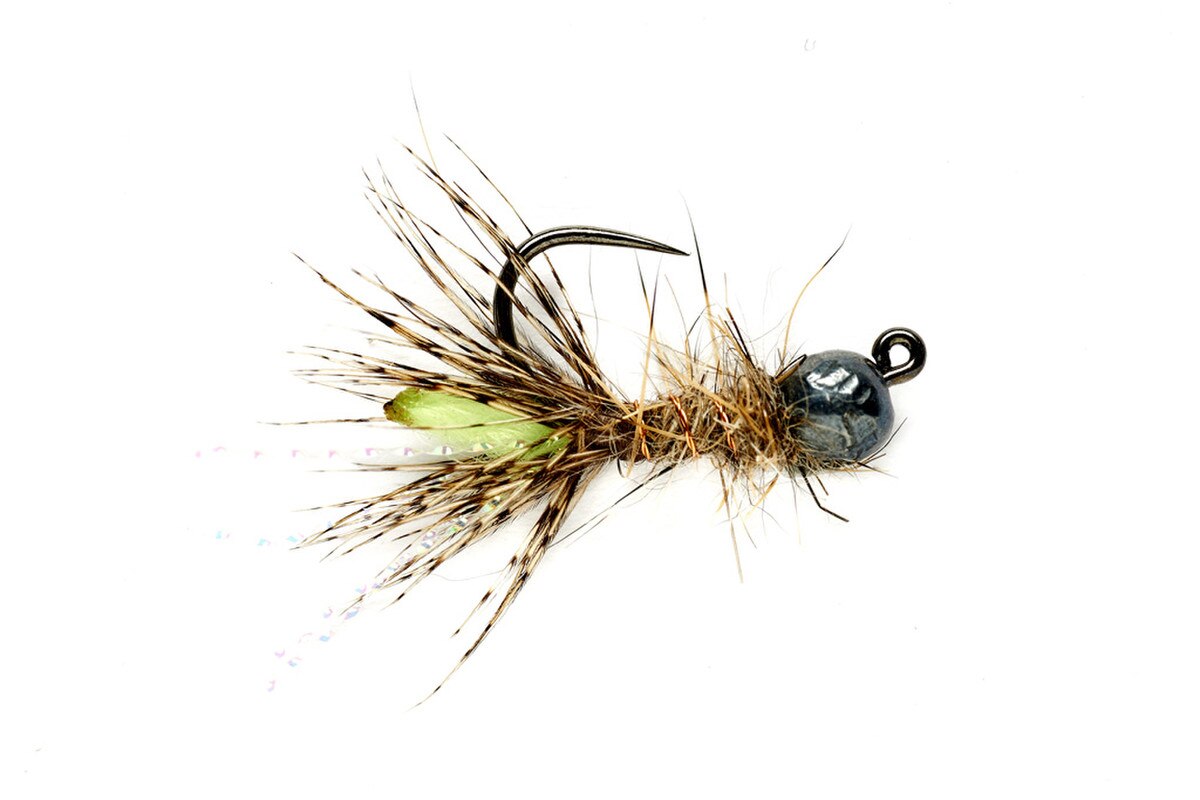

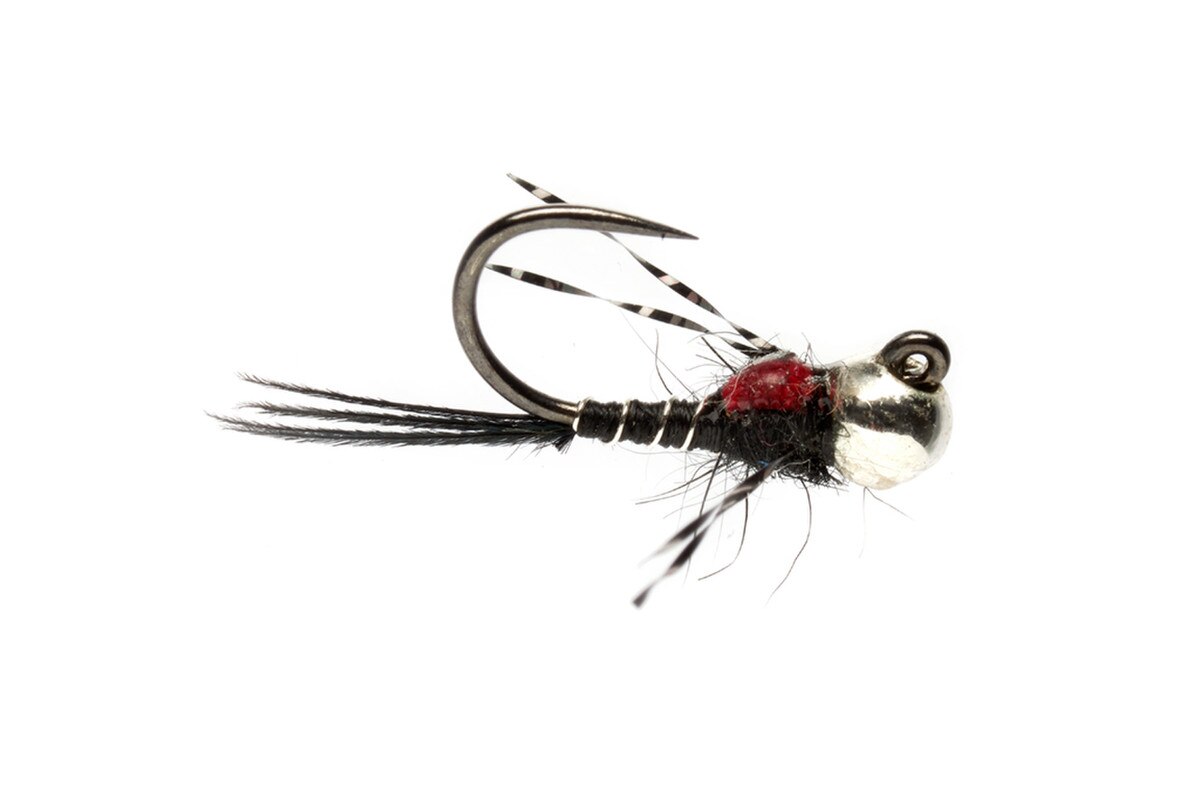

Jig Streamers, Junk Flies, Stillwater Patterns, & More!
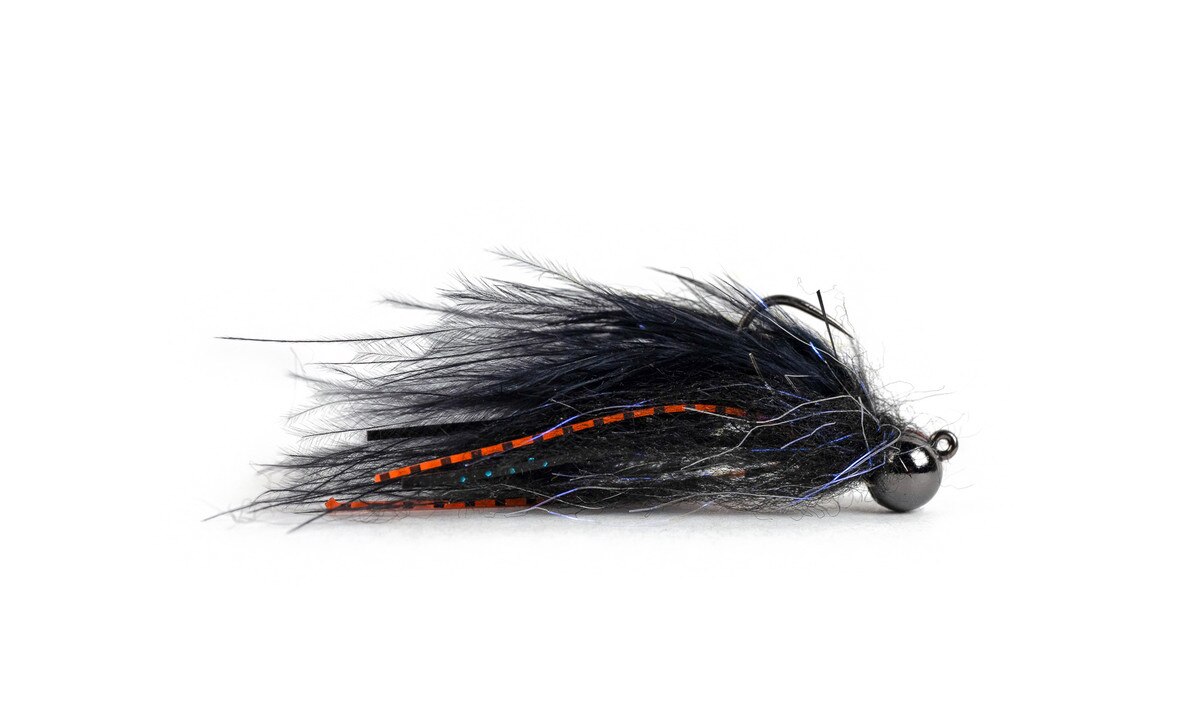
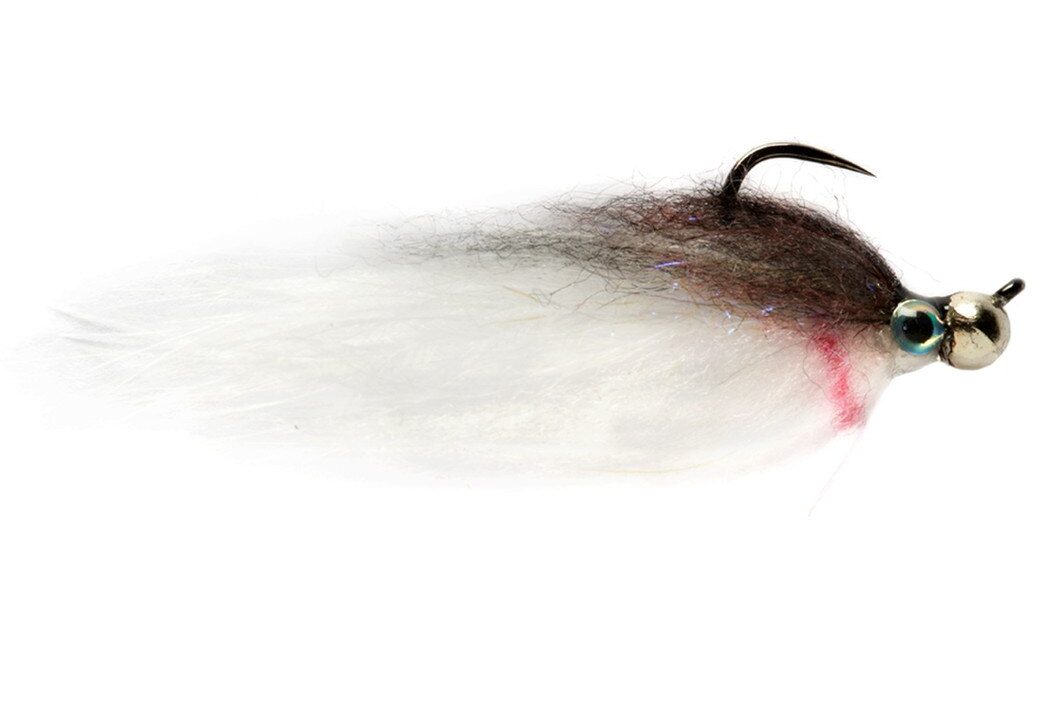

Differentiating Stainless Steel & Tungsten
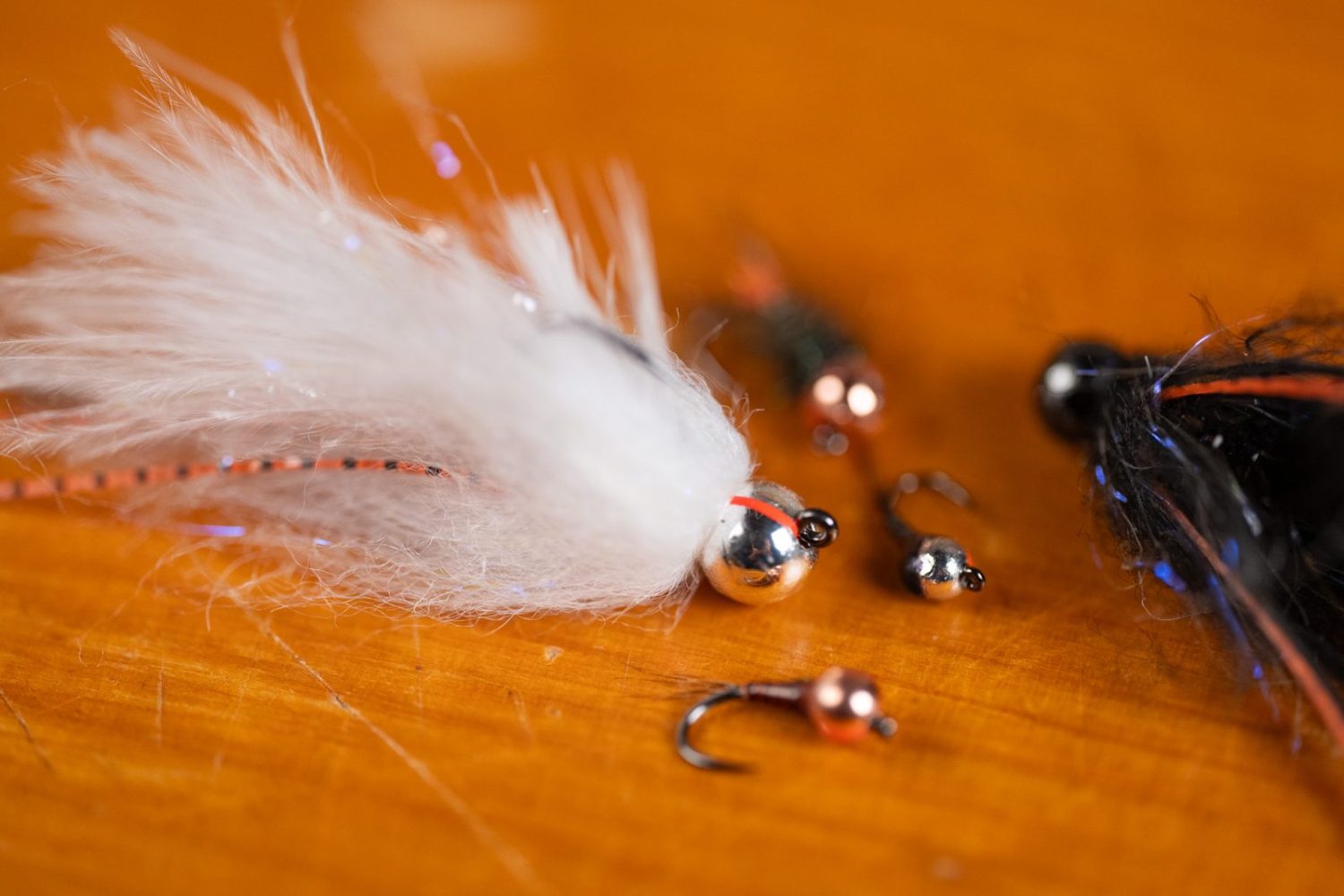
To help you easily identify them in the bins at fly shops and in your fly boxes, all of our stainless steel beaded flies have a red identifier tag on the bead. And if you don’t want it on there when fishing, just cut the tag off!



)