Indicator Nymphing for Trout: Fly Selection & How to Set Up Nymph Rigs
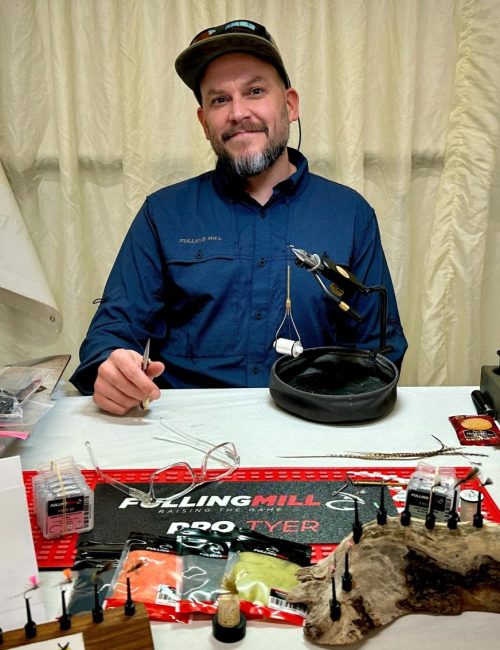
Published: 13th November 2026 | Author: Tyler Boroff
There are a few things to consider when nymphing for trout. For example, as seasons change, so do the fishing conditions. It is important to consider the river flows, weather, water temperatures, and even something as simple as the water clarity, which will determine what my approach will be.
Consideration for Indicator Nymphing
The first consideration is what rod you should use. Over the last 30 years that I have nymphed for trout, I have grown reliant on two rods, the 10ft 4wt and 9ft 5wt. The 10ft 4wt is a great option for wider rivers that may require longer casts and bigger mends. Additionally, this is my go-to rod when I want to get technical and use techniques like “high sticking”, or throwing longer leaders. For an overall “standard nymph rod” I opt for the 9 ft 5 wt.
The second most important choice to make while getting set up for nymphing is selecting a fly line. Specifically for trout nymphing I prefer a smooth weight-forward line. This helps when casting heavy or deep rigs. It also adds a huge benefit when making long roll casts.
The next thing I take into consideration is the river conditions. After looking at river conditions, I then choose the leader. When there are low water conditions using a tapered leader and small Oreos is a good place to start. As I got more into technical nymphing for trout I began to build my own leader. For a better sink rate and presentation, I utilize more of a level leader. I start with a 3 ft 12 lb Amnesia to a micro. Swivel. Off of the swivel, I run 10 lb fluorocarbon to the 9ft-12ftr to avoid spooking the fish with my indicator. After adding the 10 lb fluorocarbon, I add a medium-size Ninja Indicator. I use this for optimal stealth and strike detection. Finally I add a small 1.5mm tippet ring and build my rig from there.
Choosing the Right Fly
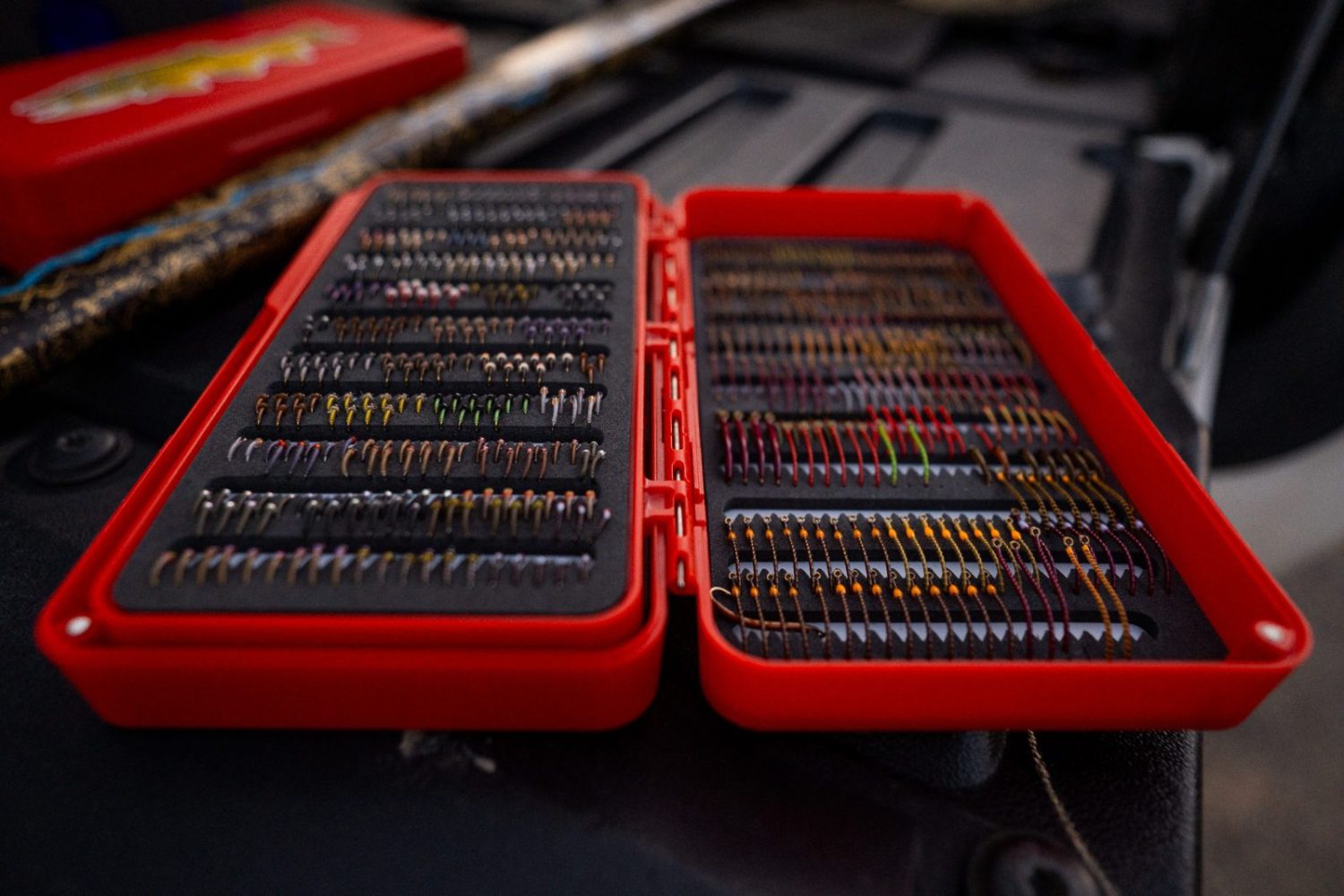
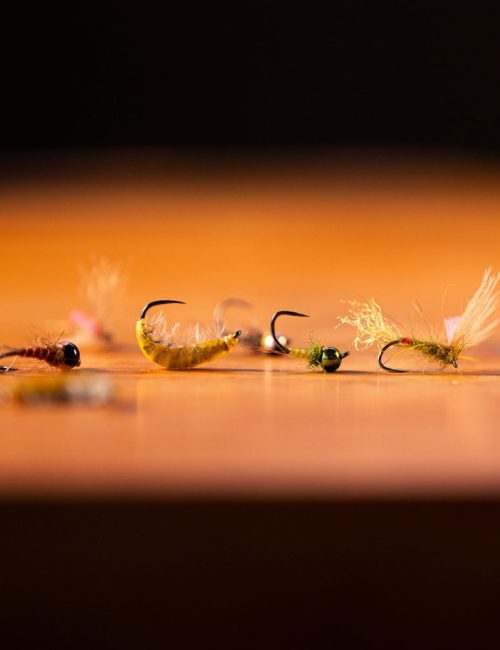
The hardest part throughout this process is fly selection. To make it a little simpler, I wait until I get to the water to decide. Once I get to the river, I pick up a few rocks, sticks, and moss. I look through them and pick out bugs I see. I then match them to flies in my own box.
Stoneflies
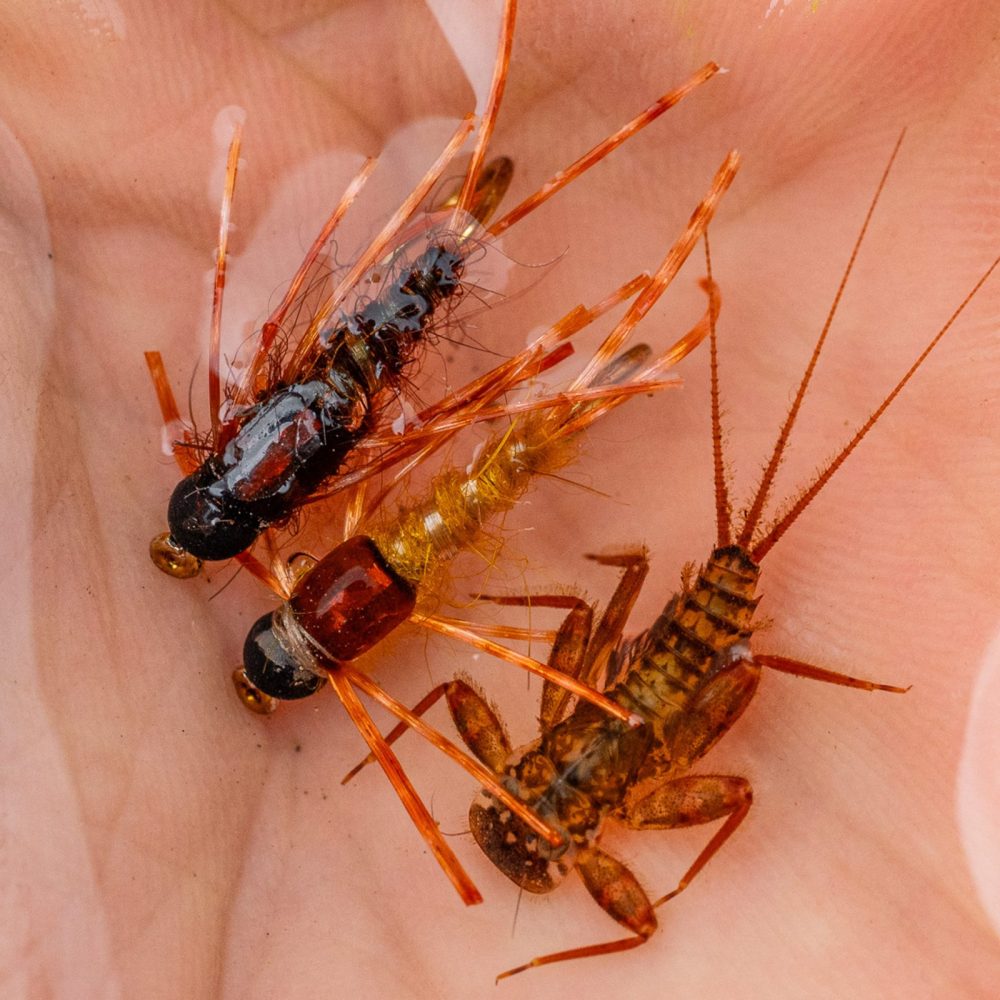
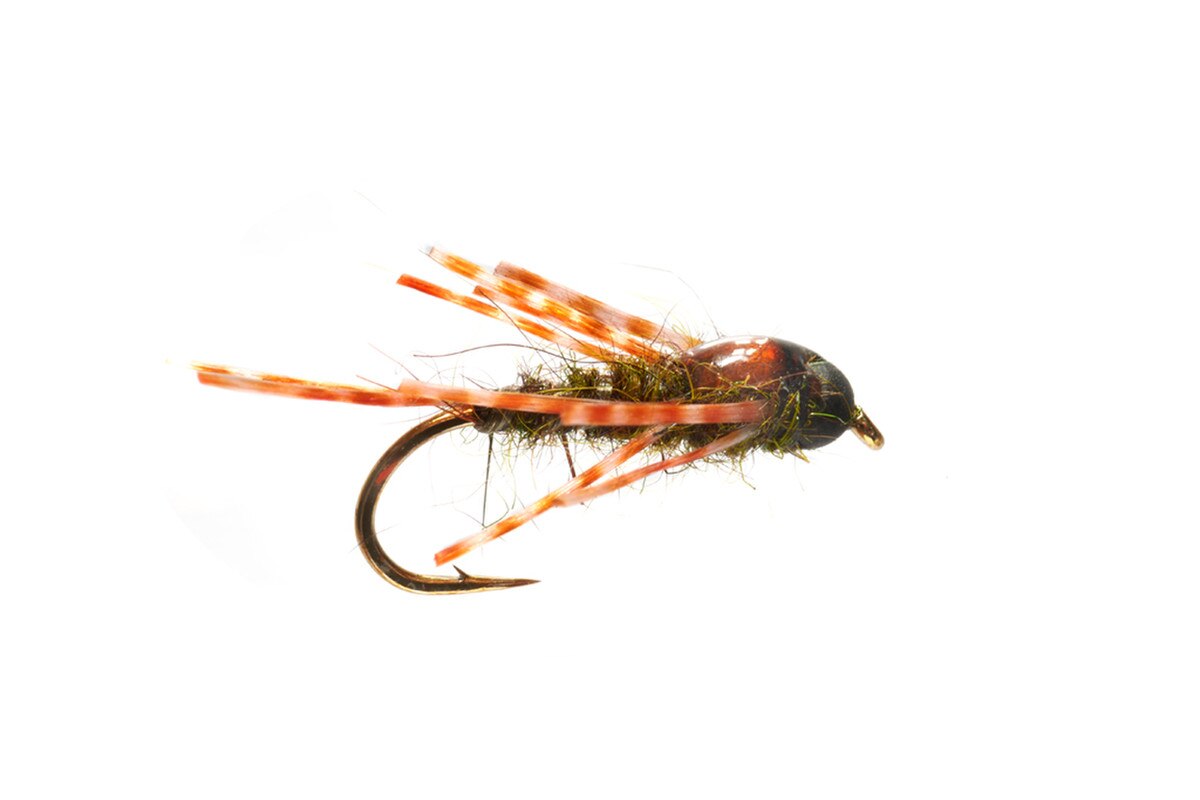
Micro stonefly nymphs are present in nearly every trout habitat all over the world in some form or another. You just can’t go wrong with stonefly nymphs any time of the year. My Crazy Leg Stone (offered in brown, olive & golden) is a go-to stonefly pattern I gravitate towards when these nymphs are on the trout’s menu.


Caddis Larva
Caddis larva are an important part of a trout’s diet. Patterns that imitate caddis larva well are awfully productive on almost any trout stream! A great pattern for year-round fishing. If you’re fishing caddis rivers, you’ll need these in your box. When wet, this fly looks exactly like a dislodged caddis pupa floating in the drift.
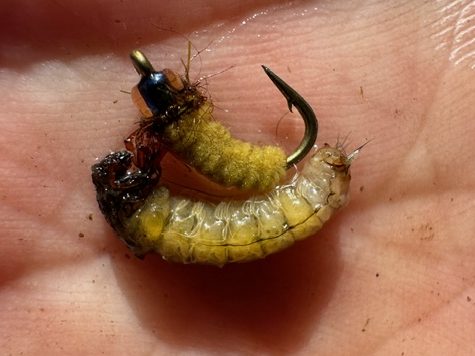
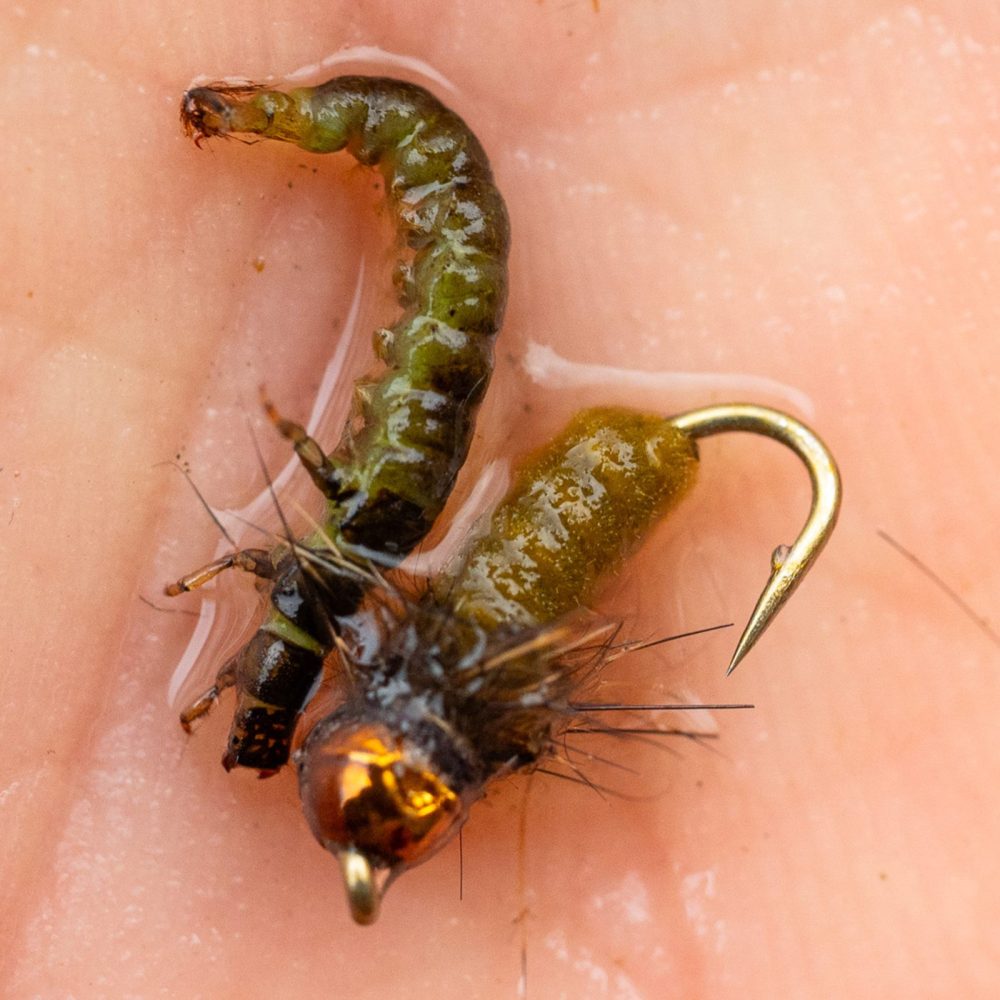
If you’re fishing caddis rivers, you’ll want the Knuckle Breaker Caddis in your box. When wet, this fly looks exactly like a dislodged caddis pupa floating in the drift.

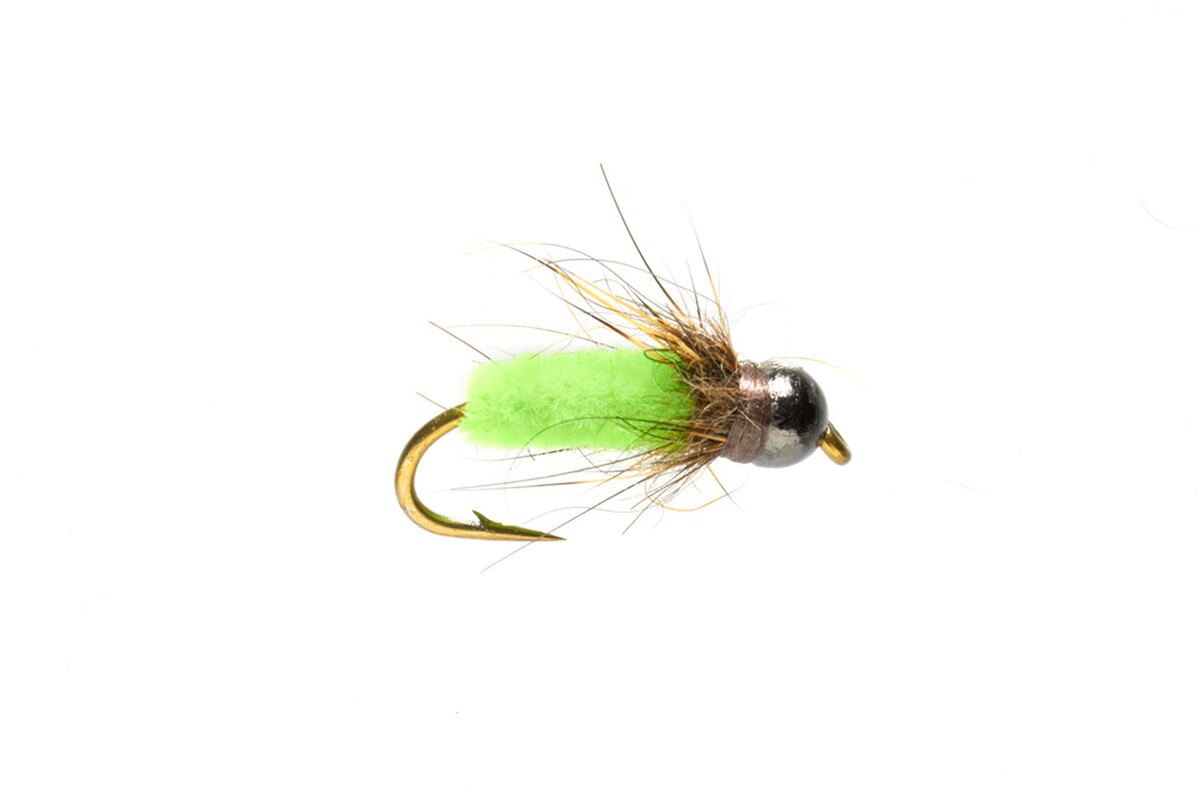

Mayfly Nymphs/ Emergers
Small mayflies are everywhere. Just about every rock I turn over, I see a ton of mayfly nymphs ranging from size 24-14. When I’d see this in the past, I would typically focus on the bigger sizes. Over the years, I’ve gotten to focus on the size that I see the most of. Those are usually the ones ranging from 22 to 18.
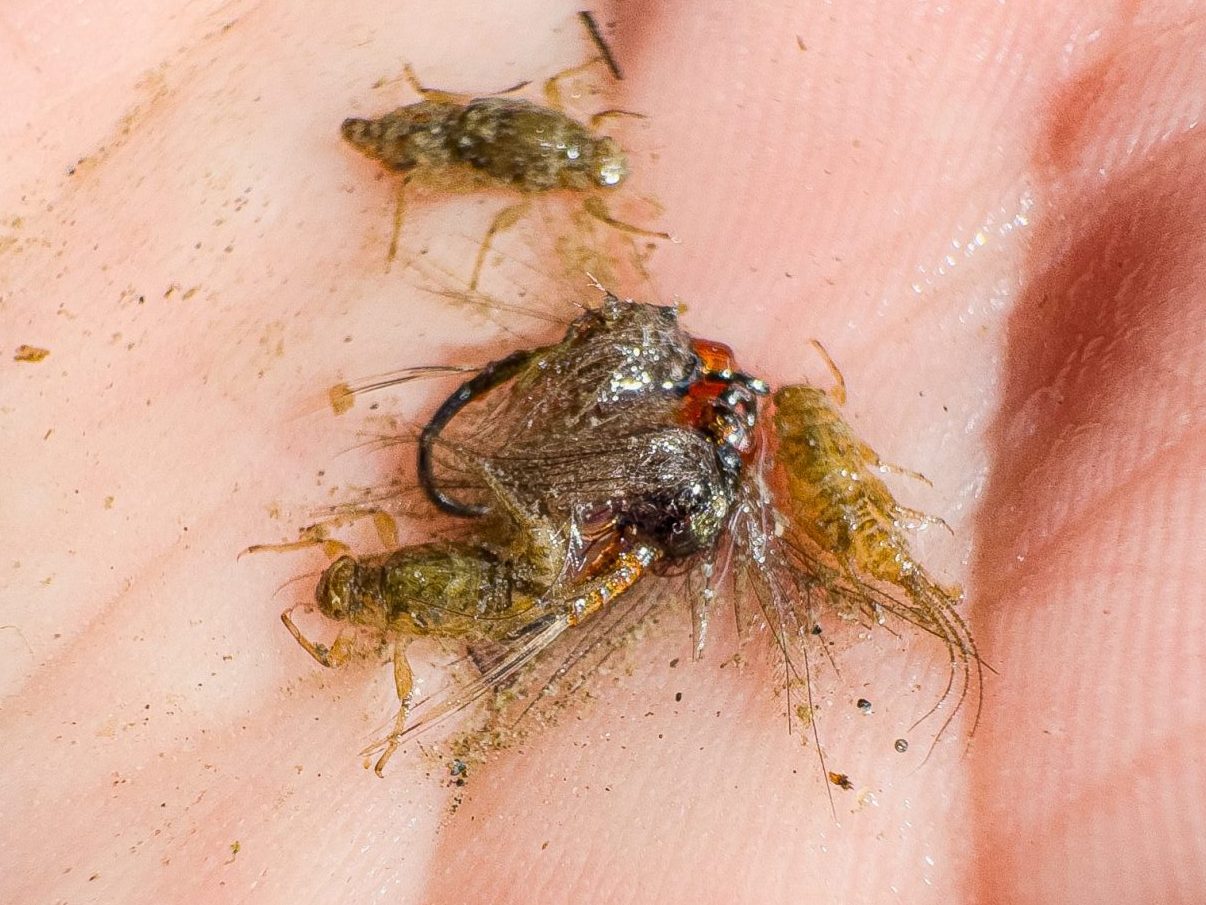
NEW Boroff’s Scouter Baetis (Stainless Steel Bead)
This is a fly that I’ve been able to rely on for years. This is a staple in my boxes and is usually on my line as I walk to the river. The Scouter Baetis was named after a day when the fish were going crazy over it. Any run I threw it in, it got grabbed by a hungry trout. Now I use this fly to scout out the fish. I typically fish this on a 2-3 fly nymph rig as my lead or middle fly. This has also proved itself to be a great dropper under a small dry during a mayfly hatch.

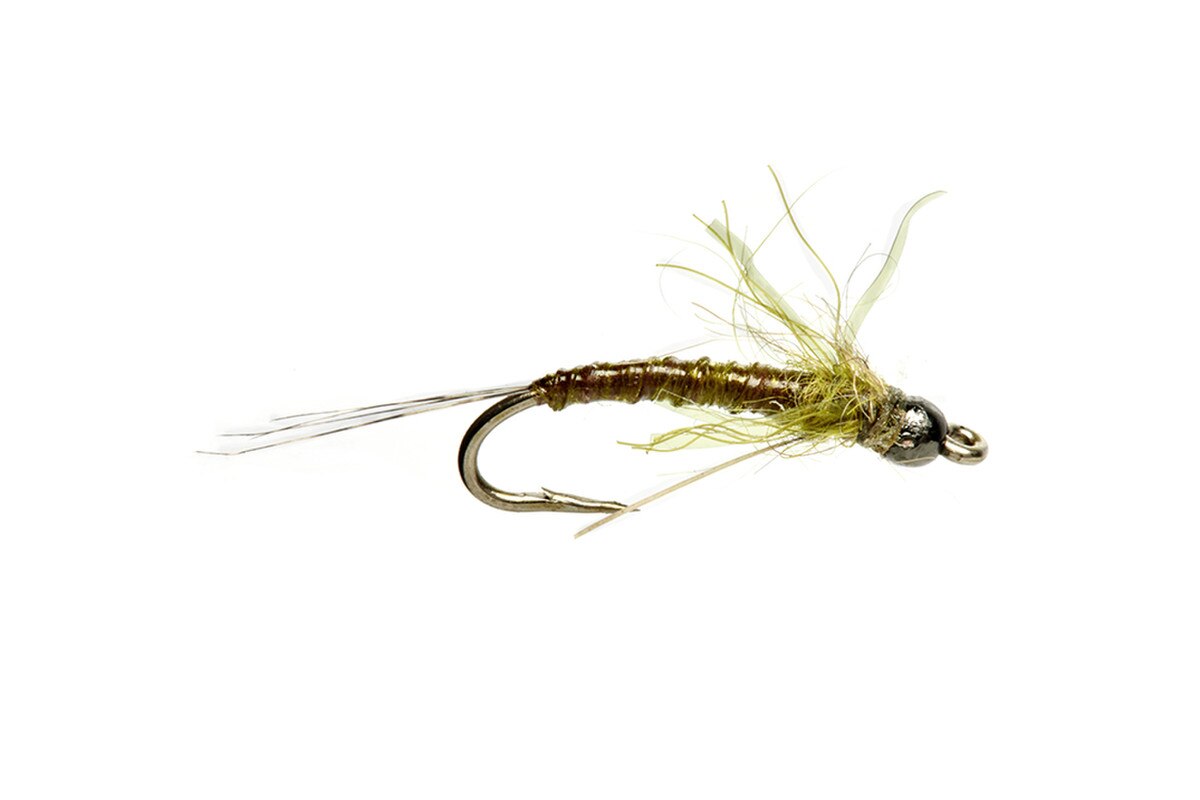
Fulling Mill’s Stainless Steel Fly Range reflects our commitment to delivering trusted patterns with both exceptional value and an additional weight option to match more fishing conditions.
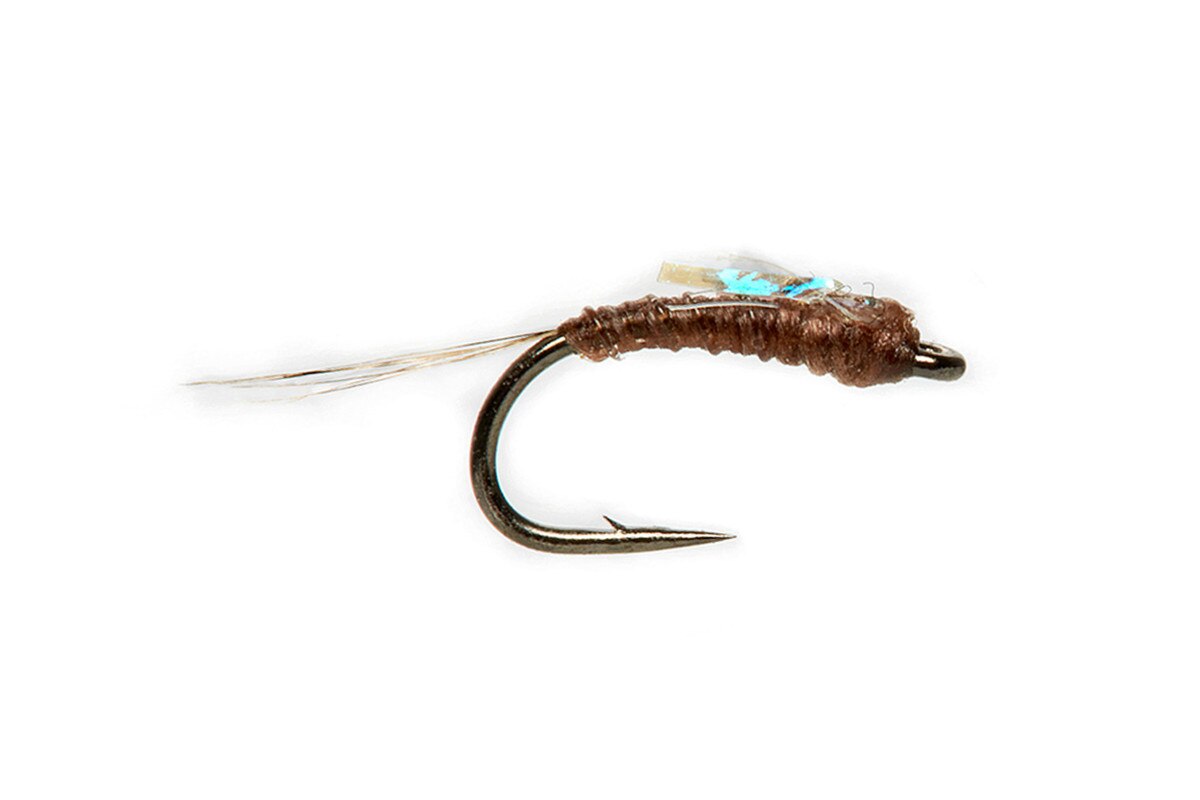
NEW Boroff’s Space Cadet Mayfly Emerger
The Space Cadet Mayfly Emerger was designed to represent these smaller mayfly nymphs as the crawl out to emerge. With just a flashy wing case and legs the fly mimics an emerging mayfly great as well as draws a lot of attention

Midge Larva/ Pupa/Emerger
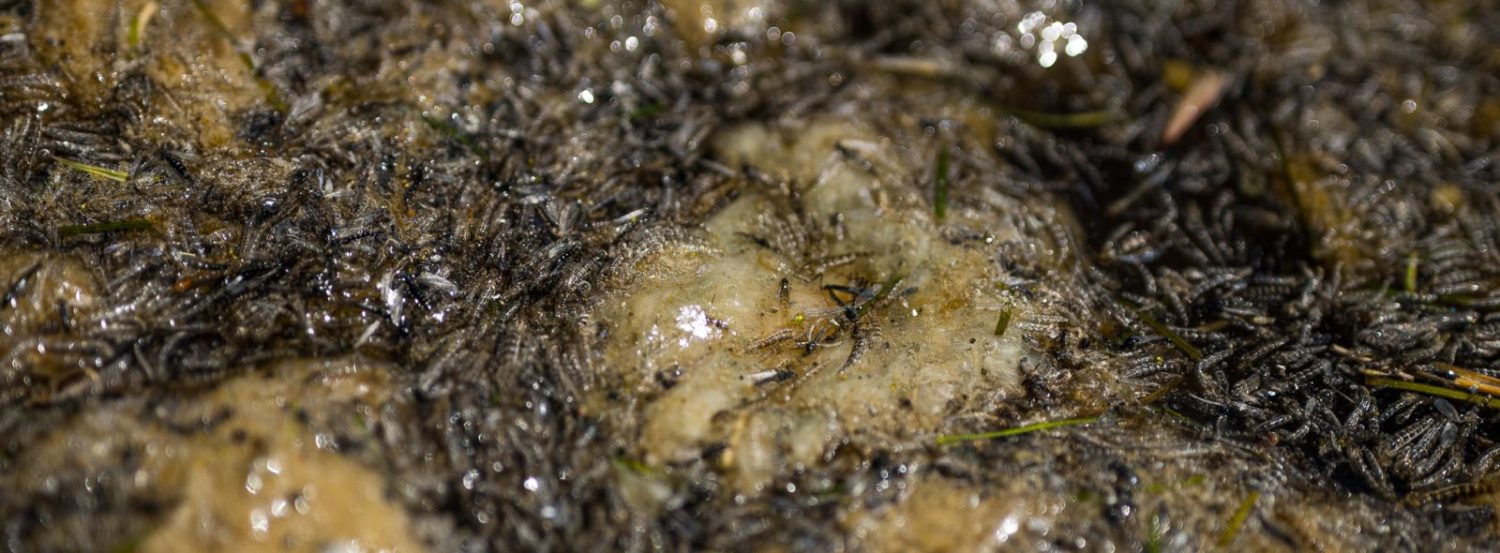
Midges are super abundant no matter where you’re fishing. Since midges exist in nearly every type of river and hatch every month of the year, trout key in on these small but mighty insects. Particularly on tailwaters, midges are very productive if you learn how to fish them well. Not everyone has the patience to fish size 22, 24 & 26 flies, but when you master fishing midges as larva, pupa, and during emergence, you unlock good fishing when many other anglers might struggle.
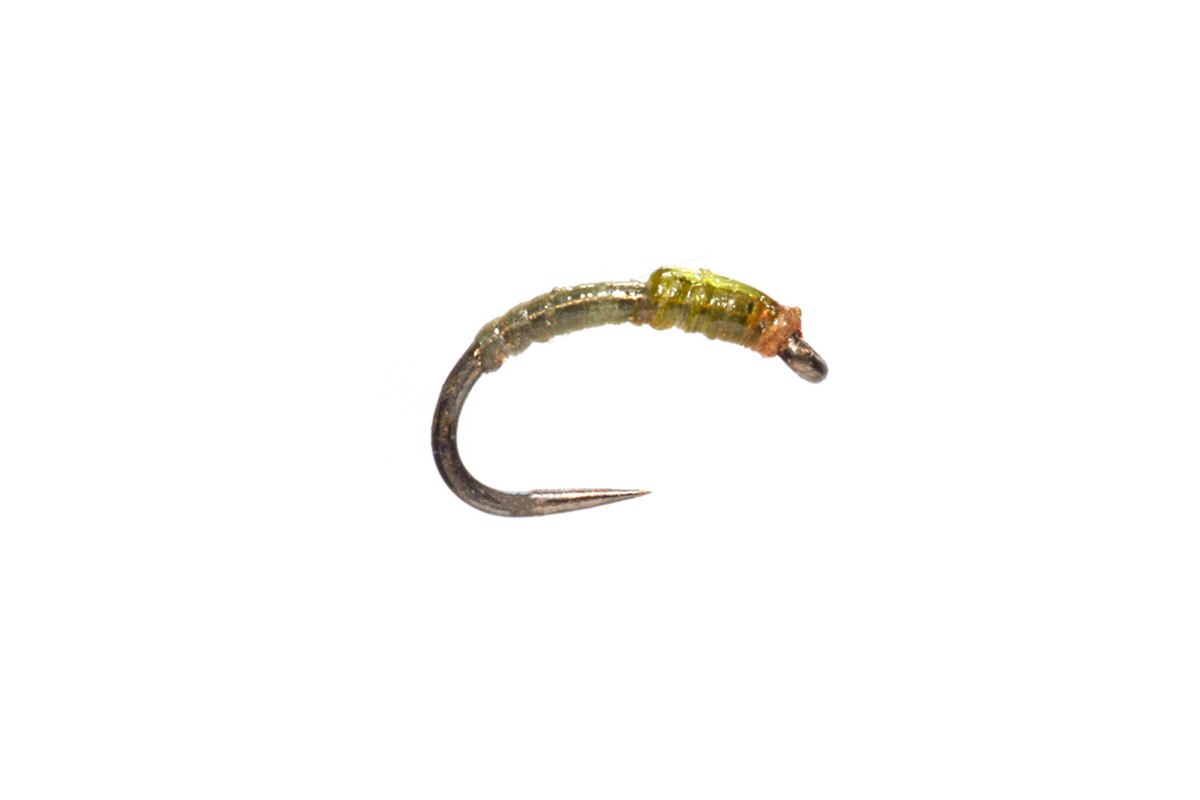
Boroff’s Barbless Gooey Midge
The Gooey Midge Pupa is a standby pattern for picky tailwater trout in the central Rockies. In fact, this pattern not only works in the Rockies but all over! A super choice pattern for dry dropper on the midge feeders.
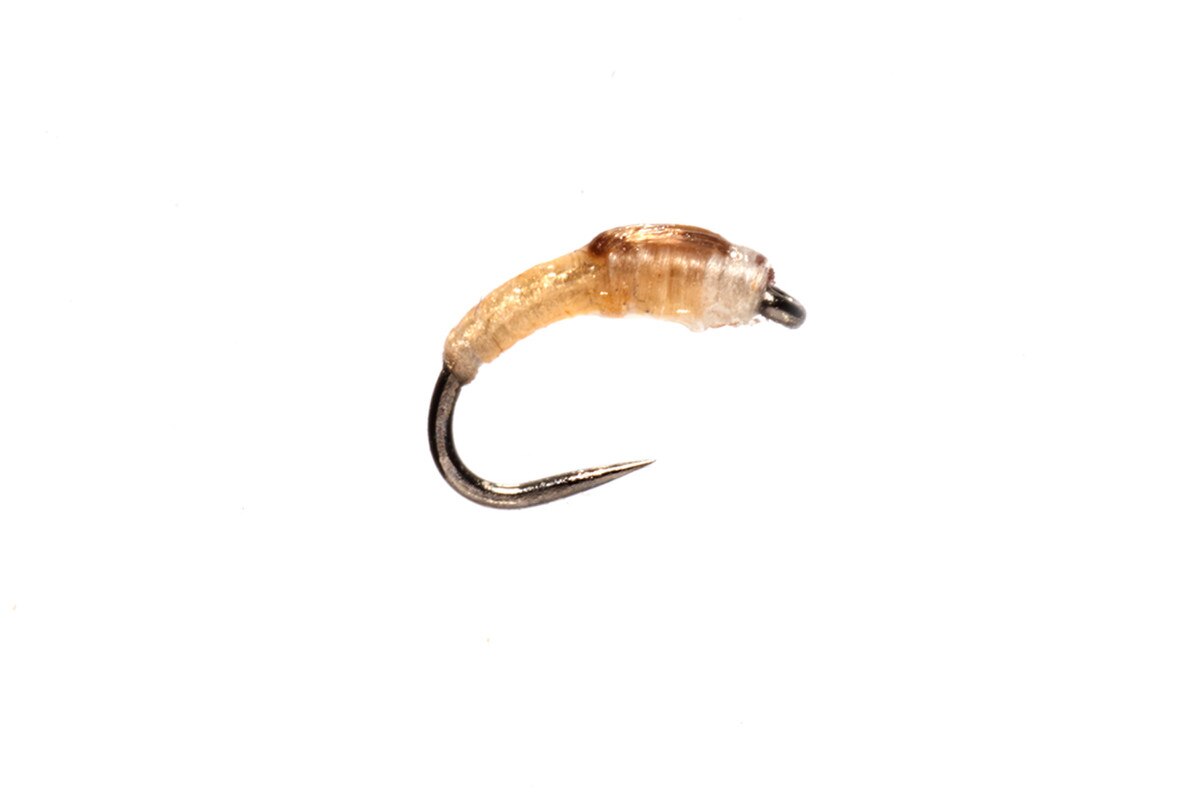
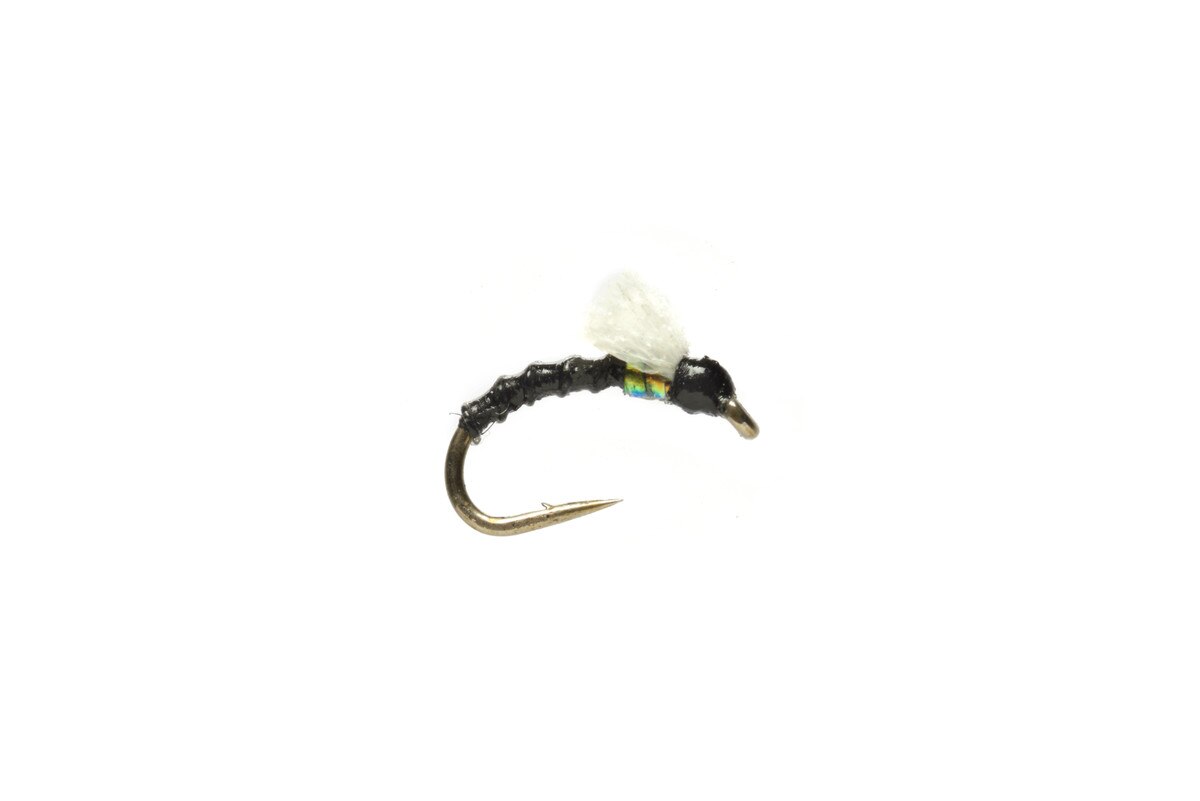
Boroff’s Foamie Homie
The Foamie Homie was designed to resemble a midge pupa. This fly has a small, thin, segmented, detailed body with a foam wing. The foam wing allows the fly to have buoyancy and sits higher up when submerged. This is usually fished on a nymphing rig behind either one or two flies. Underneath the wing, you will find a subtle piece of flash that imitates the metallic-looking air bubble caused when the wing emerges. Cast and then watch the heads turn.

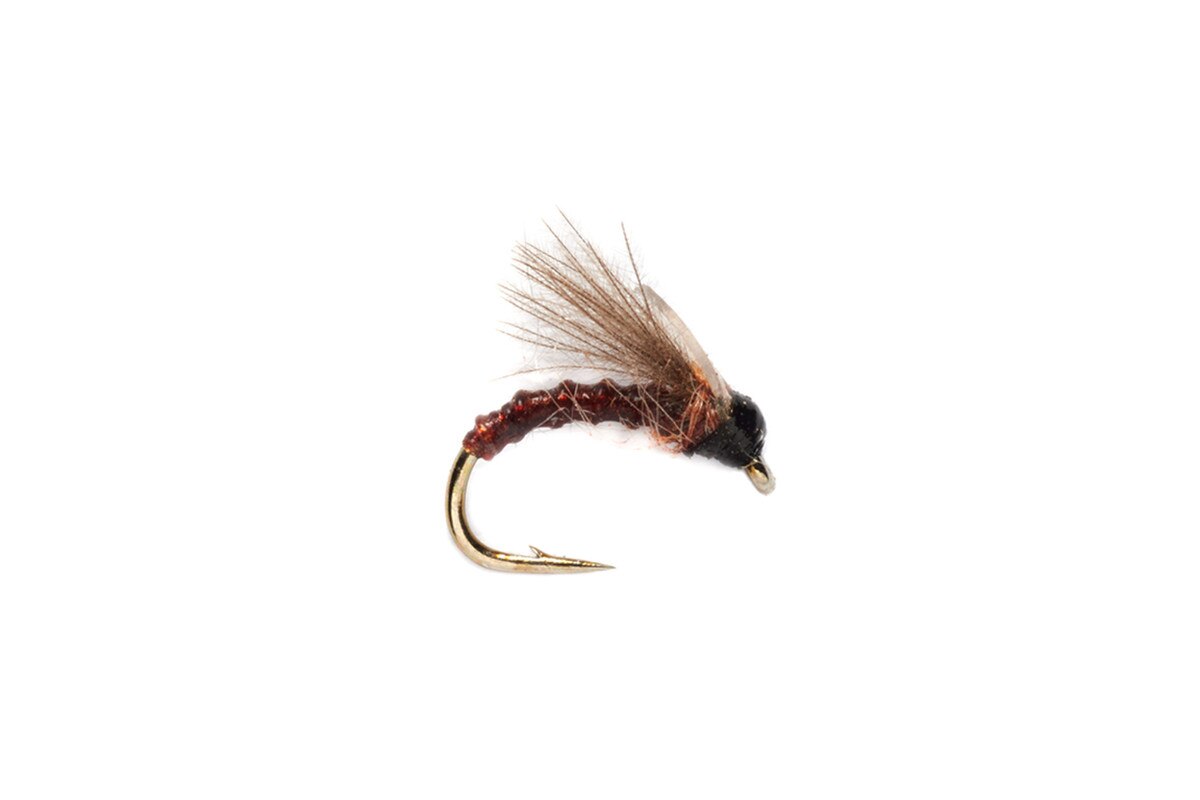
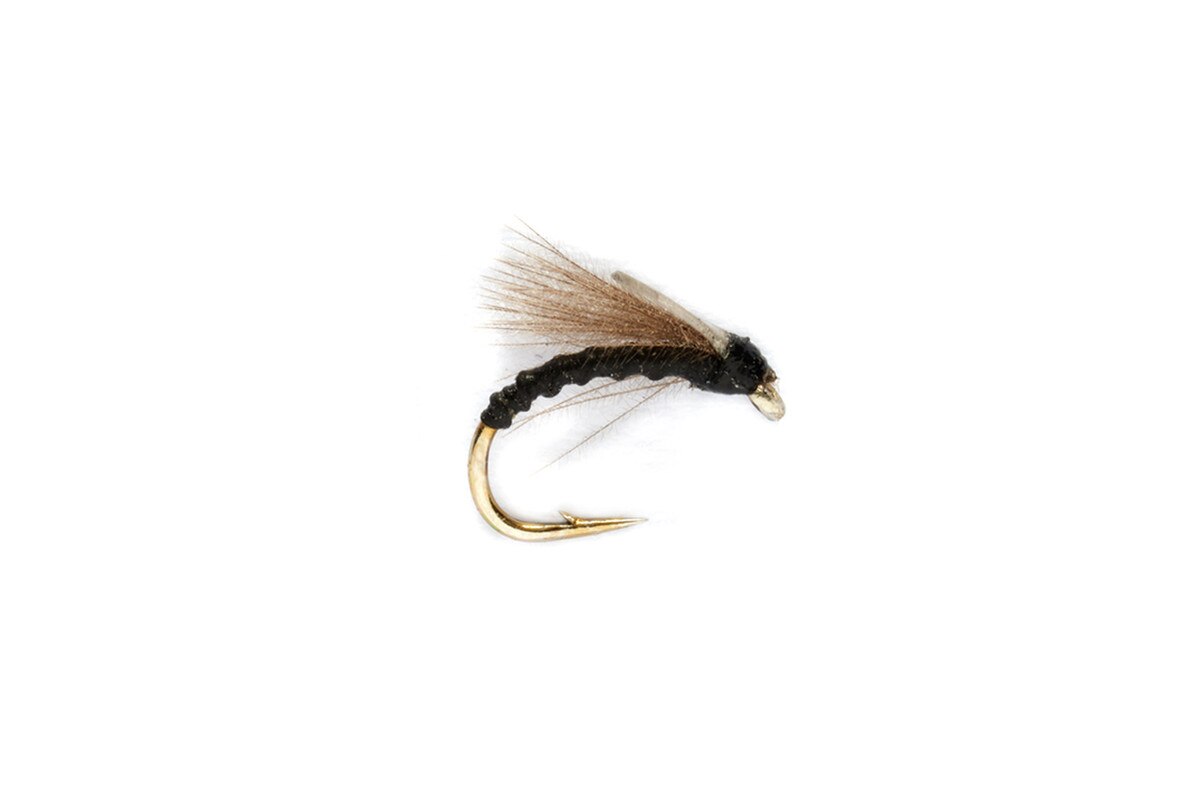
UPDATED Boroff’s Wader Midge
Using both CDC and plastic for a wing case, Boroff’s Wader Midge is designed to imitate a crippled or drowned midge that’s stuck in the surface film or has been submerged underwater. This fly can be fished on its own, though it’s hard to see, so we recommend fishing it behind a more visible midge dry fly. If you think the fish are more interested in feeding sub-surface, you can also fish this high in the water column on a nymph rig. If you fish midge fisheries this is a pattern you’re going to want in your box.
Annelids, Worms, Leeches
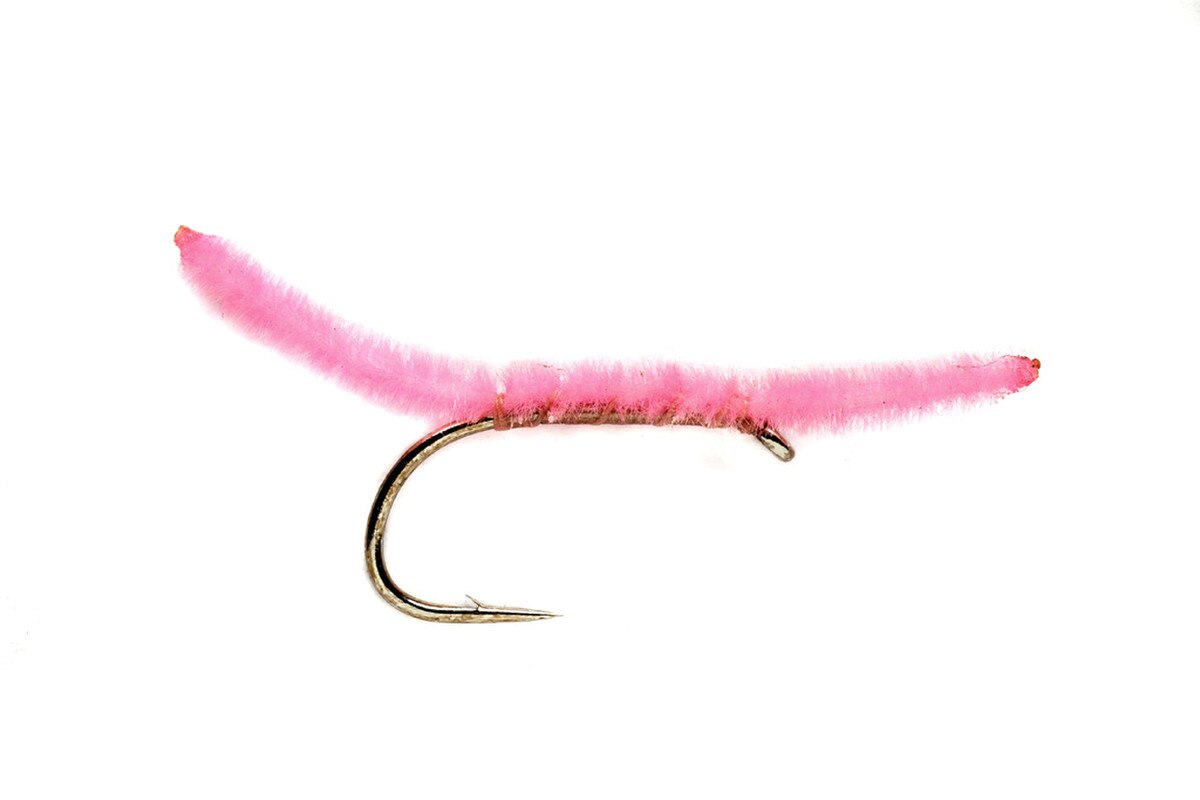
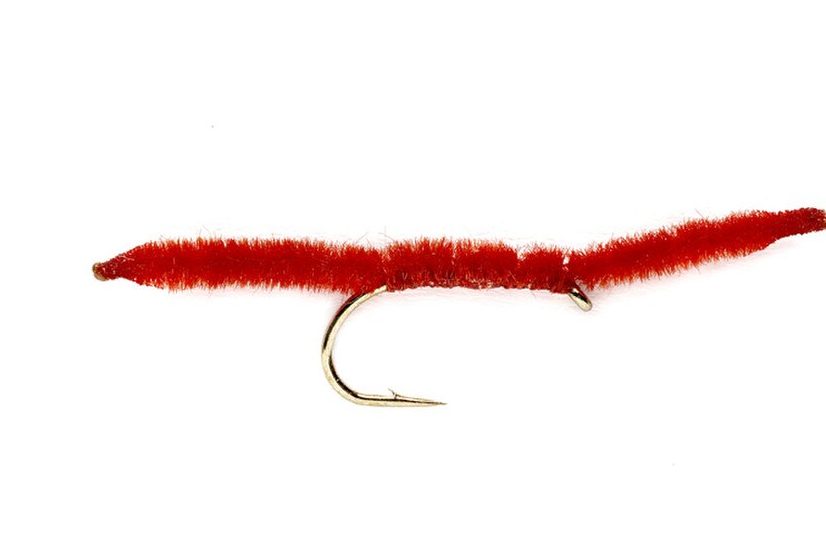
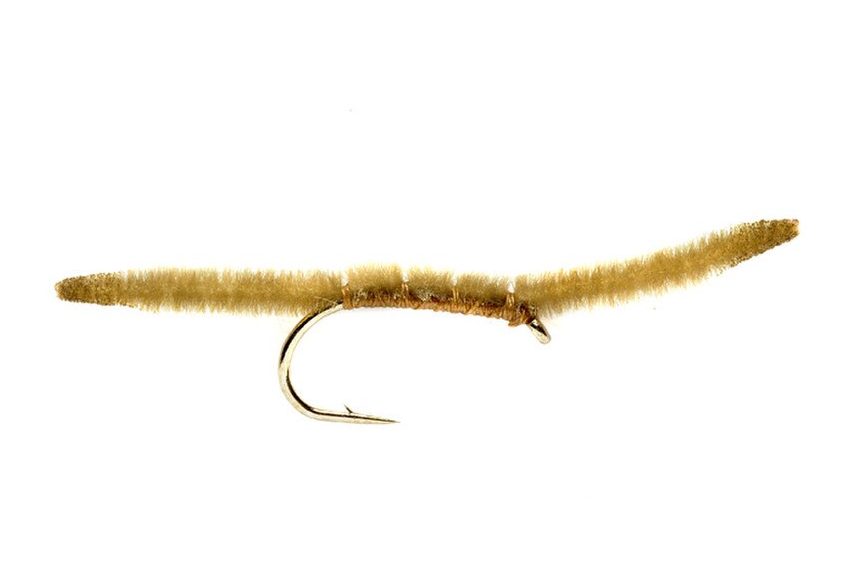
The Anneworm was designed for picky tailwater trout, but the pattern has held its own on the freestones of Colorado as well. This fly was designed to resemble both your common annelid and your longer aquatic worms. Literally try it anywhere.


San Juan Worm
A staple on the San Juan river and beyond. Arguably one of the most famous flies out there! Although it has its fair share of haters, there’s no doubt that worm patterns like this get the job done.
The Voodoo Leech
Deisgned by Signature Tyer Jack Arnot, the Voodoo Leech is a simple and effective streamer that has produced well for me in competitions over the years. His favorite time to fish this pattern is late fall through winter—especially when the water is stained, the temperatures drop, or the skies are overcast. Something about the purple seems to drive both browns and rainbows crazy when they’re on the feed.

Indicator Nymphing for Trout: How to Set Up a Nymph Rig
When rigging, I tend to favor 2-3 fly nymph rigs. I choose a bigger fly as my lead fly, such as a stonefly or Worm. For my second fly, I opt for a smaller mayfly nymph. When I add a third fly, it’s usually a small midge or emerger. Rigging this way allows my biggest fly to sit close to the bottom while the mayfly is mid-column, and the midge or emerger sits higher up. This all gets controlled by the weight of the flies along with any added weight.
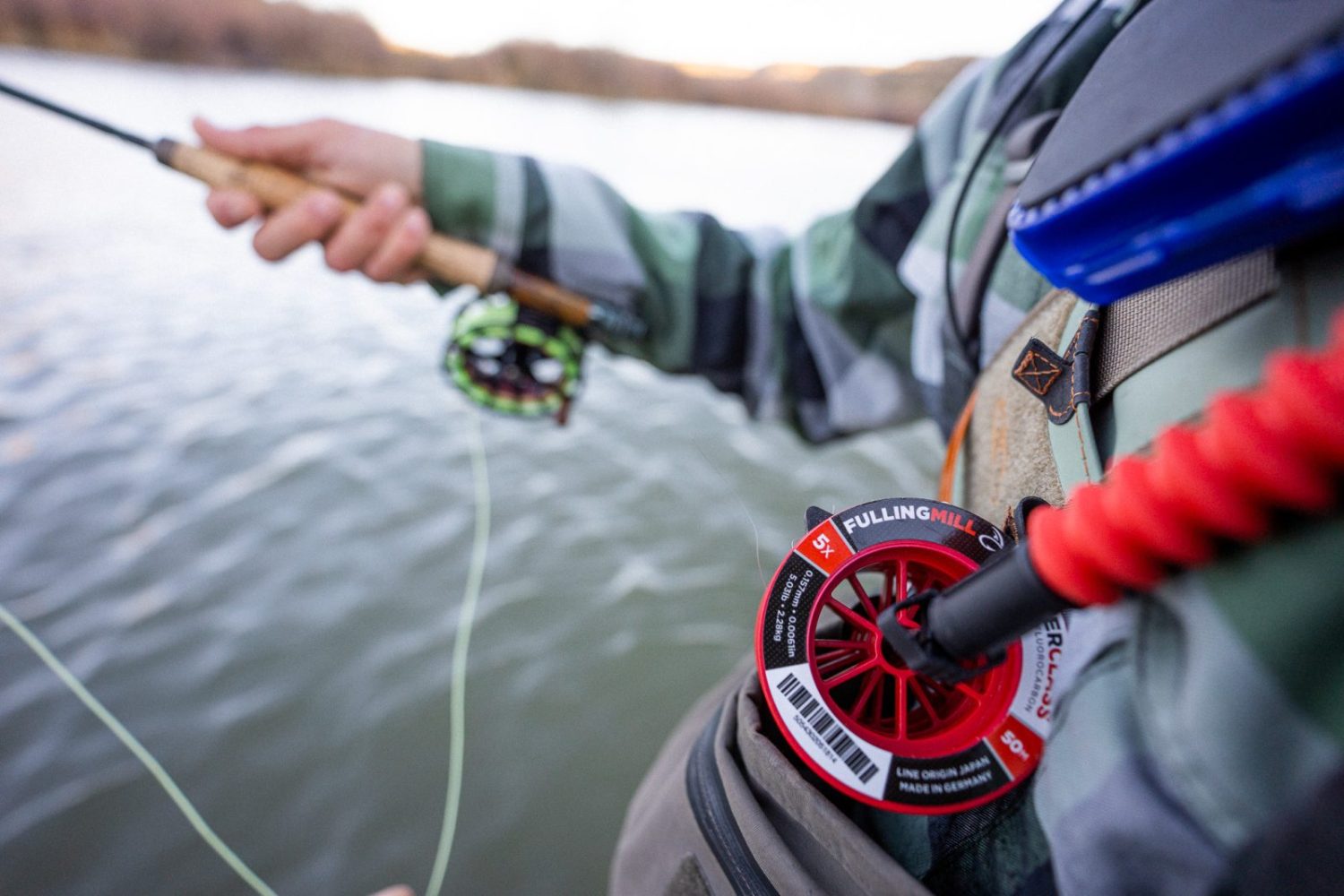
Once I’m ready to fish I like to move my indicator at least 5ft from my flies to avoid spooking the fish. I then need to figure out the weighting of the rig. Most of the time I’m fishing a weight above my flies. When nymphing for trout I like to start off with very light weight and fish the soft outer seams of the hole. As I work into the faster and deeper water I adjust my weight. If you are occasionally “ticking” bottom your ok. You want to avoid dragging the bottom or underweighting your rig.
Casting Nymph Rigs & Minimizing Frustration
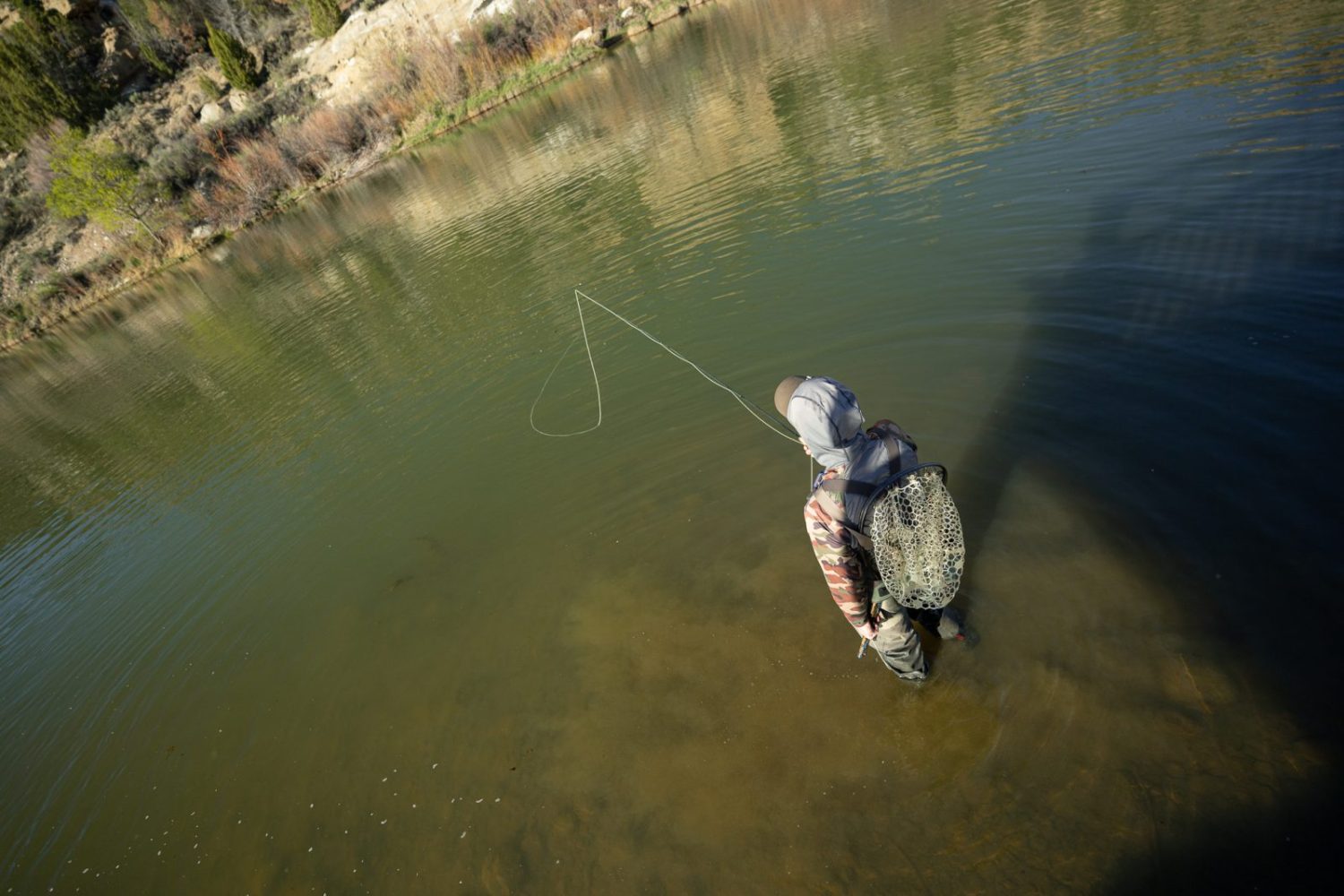
Casting Nymph rigs can be difficult, especially in the wind. To avoid tangles and losing flies, I recommend two different forms of casting. First up is the “Tension cast”. You can accomplish this by letting the river pull your line tight downstream, then letting the line pop off the water landing in the desired area. The second form of casting is the well-known “Roll cast”. By keeping your flies in the water the entire time you can avoid a lot of knotting.
After figuring out what cast works for your situation you then have to mend your line. Mending the line is how we control the speed of the flies. When the flies and indicator are in faster water then your fly line you should mend the line upriver. When your flies and indicator are in slower water than your fly line you mend the line downstream. In the rare chance all the water is the same speed, mending the line is not required.
I have yet to meet an angler who doesn’t get knots in their line while fishing. There’s a strategy behind the madness. First calm down! Nothing good happens when you rush. Second is to work backwards. Start with your last fly and work the knot backwards. The best advice I can give is to know when to cut and re-tie. If you can not get the knot out in less than 15 minutes, then I would cut and retie.
Fish On!
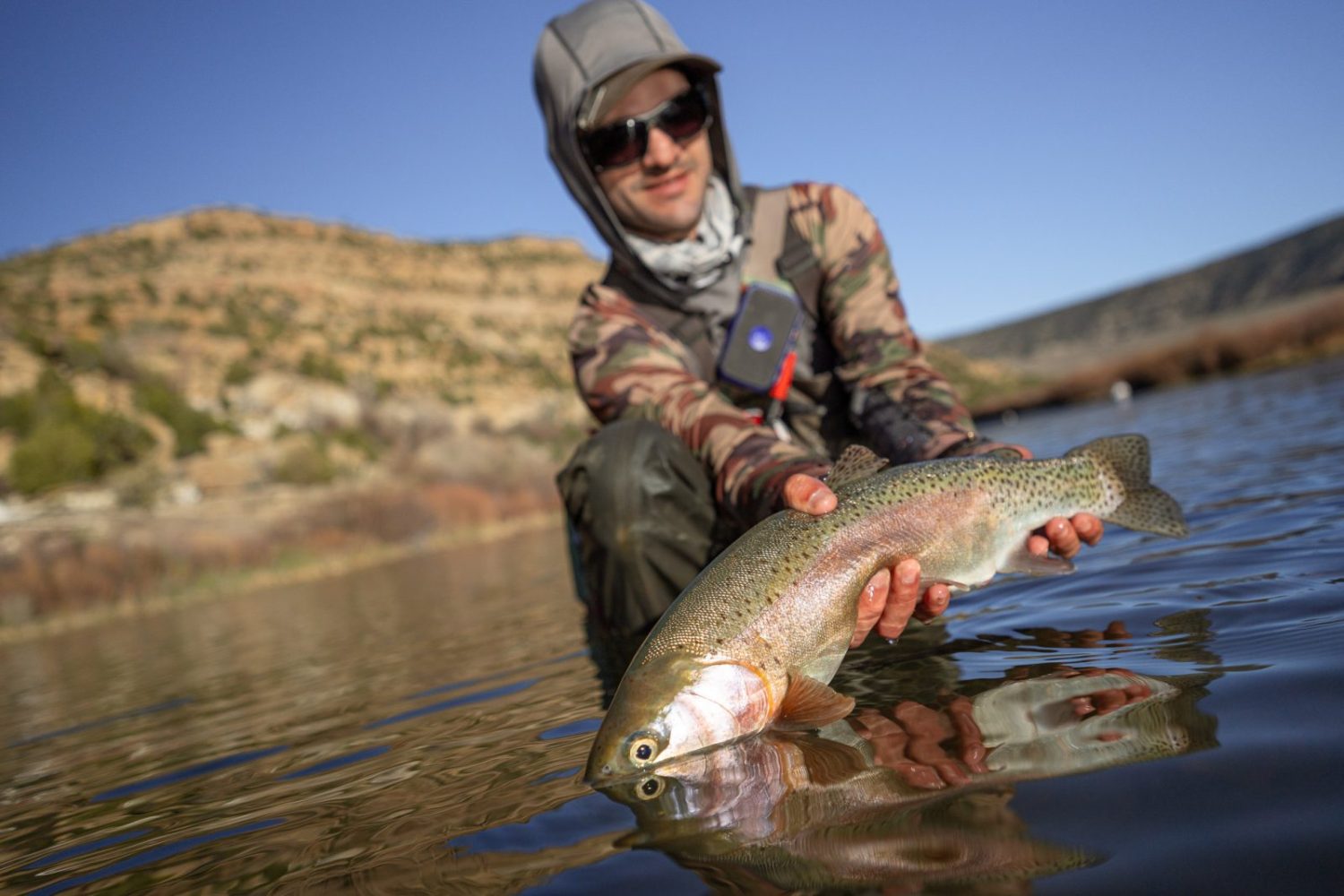
Setting the hook is key when nymph fly fishing. It’s like I tell my clients “go with the flow” when setting. You should always set downstream. This is because the fish sit facing upstream, and we want to pull the flies into the fish’s mouth vs out of their mouth.
Fighting fish may seem easy, but not fighting fish properly is the number one reason for lost fish. There are a couple of ways to reel in a fish. You can utilize the reel or hand strip the fish in. Knowing which one to do can be huge. The two things to consider are the size of the fish and what size tippet/hooks you are using. For example, if I’m using a small hook, I’m usually using small tippet. In this case, I got to my reel. I count on a smooth drag to help protect the thin line and hook. When I get the chance to use bigger flies and tippet I fight the fish harder. This is a good situation to use the hand strip technique. The size of the fish also plays a big part. Big fish on small hooks and tippet are better fought on the reel. smaller fish 18’ or smaller can usually be hand stripped in.
When nymphing for trout you want to keep in mind to set the hook any time the indicator moves. This could simply be an acceleration or stall in the indicator. Like I tell my clients “Hook sets are Free.” Set first and ask questions later.


)