Using the Mono System: Leaders, Flies, and Tactics for Great Lakes Steelhead
Published: 30th October 2026 | Author: Jamie SanFilippo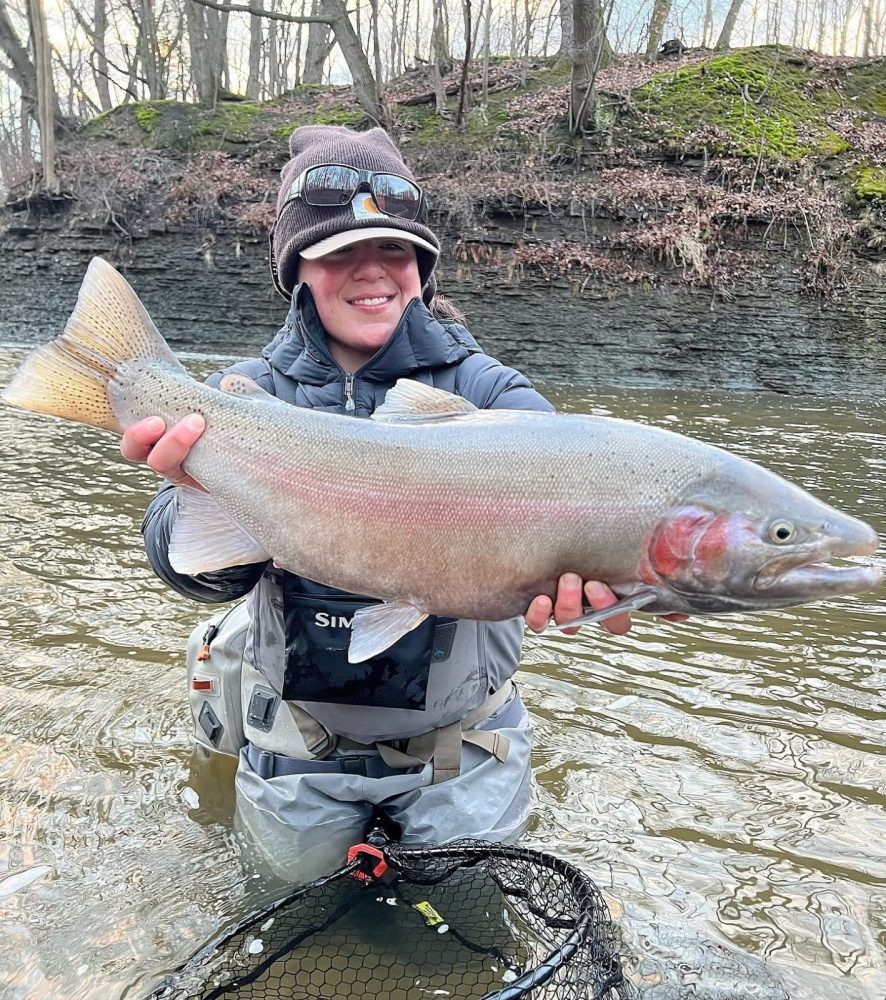
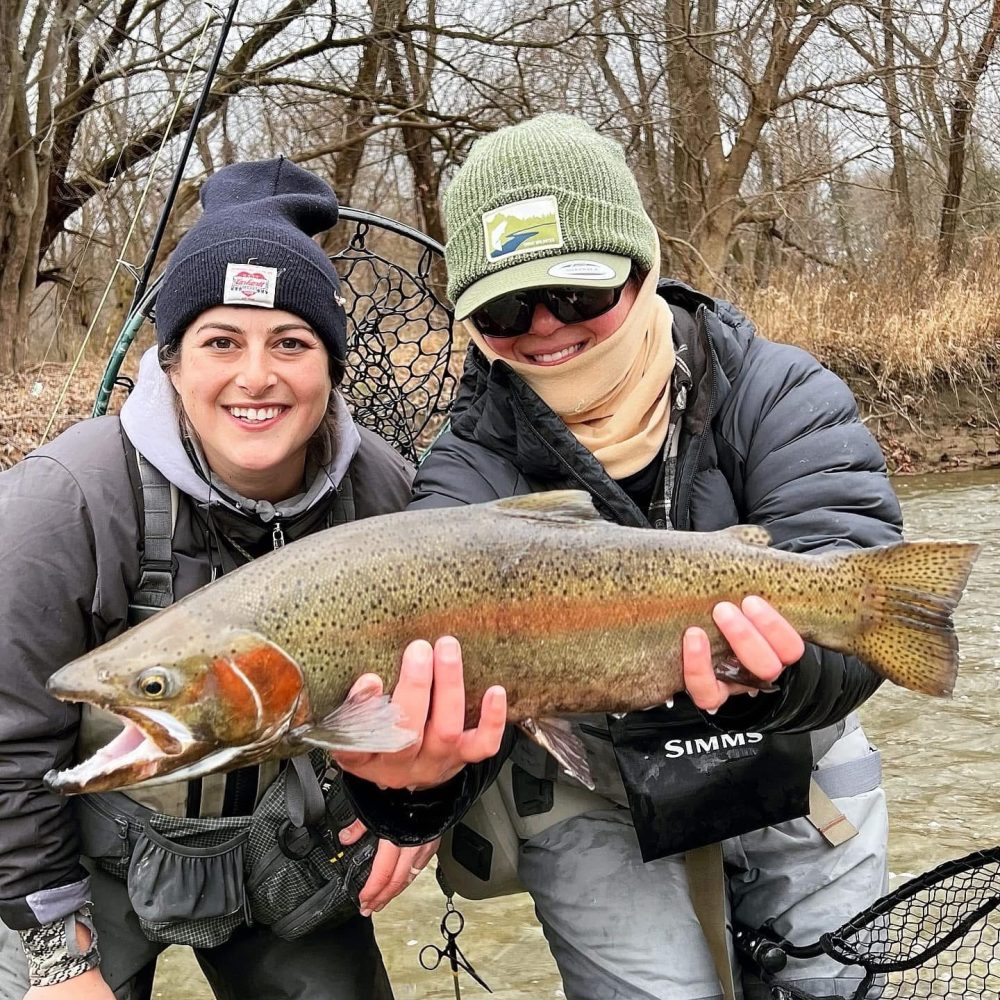
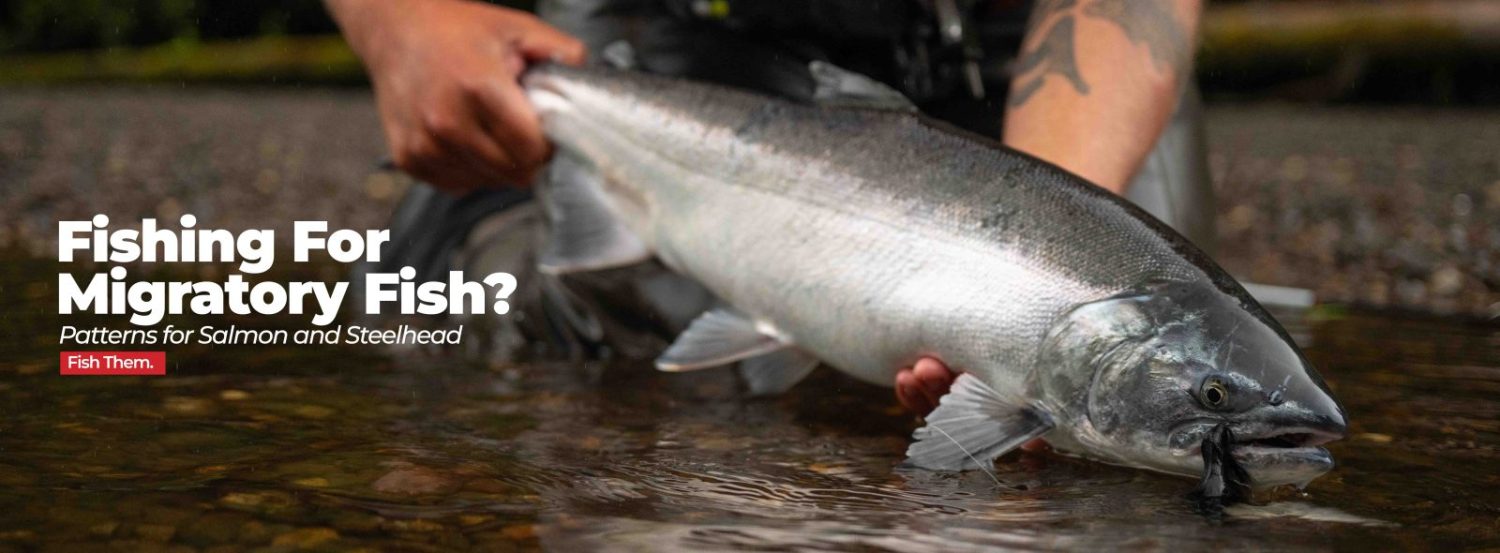
Let’s be honest, Great Lakes Steelhead are Rainbow Trout, but with a differing life cycle that includes journeys both to and from the Great Lakes and their tributaries. While their size and power make them a very different fish to land, the fundamentals of catching them are similar. For anglers familiar with tight line nymphing for trout, fishing mono systems for Steelhead is an extension of the same approach. Why choose mono rigs for Steelhead over traditional indicator or “bobber” fishing?
For me, it’s simple: tight line nymphing is more intentional. Mono systems are more strike-sensitive, keeping direct connection to flies, while also providing more control over what is happening beneath the surface. An angler can control depth, manage drift speed, maintain contact, and respond to subtle takes that don’t translate well through indicators. It is this intentionality, in my experience, that makes the system more productive.
This doesn’t mean you can’t catch Great Lakes Steelhead with an indicator system. You absolutely can, but with an indicator/suspension system, more must come together before a fish ends up in your net. The fly needs to be at the strike zone, the drift must be natural, the fish eat, then must translate to the indicator, and the angler must be able to read the take through the indicator. Tight line nymphing with a mono rig provides me more control over those variables and, in my experience, leads to more hookups.
I believe, as anglers, we tend to overcomplicate fly fishing. In this article, I’ll break down the mono rig I use for Great Lakes steelhead, including my tackle, leader recipe, fly spacing, weight, fly selection, and some of the tactics I rely on to find and land these giants. Keep it simple by being efficient, intentional, and relying on fundamentals.
Before fishing any mono system, always check the regulations for the specific tributary you plan to fish. Great Lakes regulations vary by state, and some waters have specific restrictions on leader length that can affect whether a particular mono rig setup is legal.
Why Fish a Mono System for Great Lake Steelhead?
The biggest advantage of a mono system, in my experience, is control and strike detection. Traditional indicator fishing uses a suspension system. The indicator provides a useful visual reference, but it also creates separation between the “bobber” and the flies. With a mono system, that separation is virtually eliminated. That makes the presentation and technique more intentional.
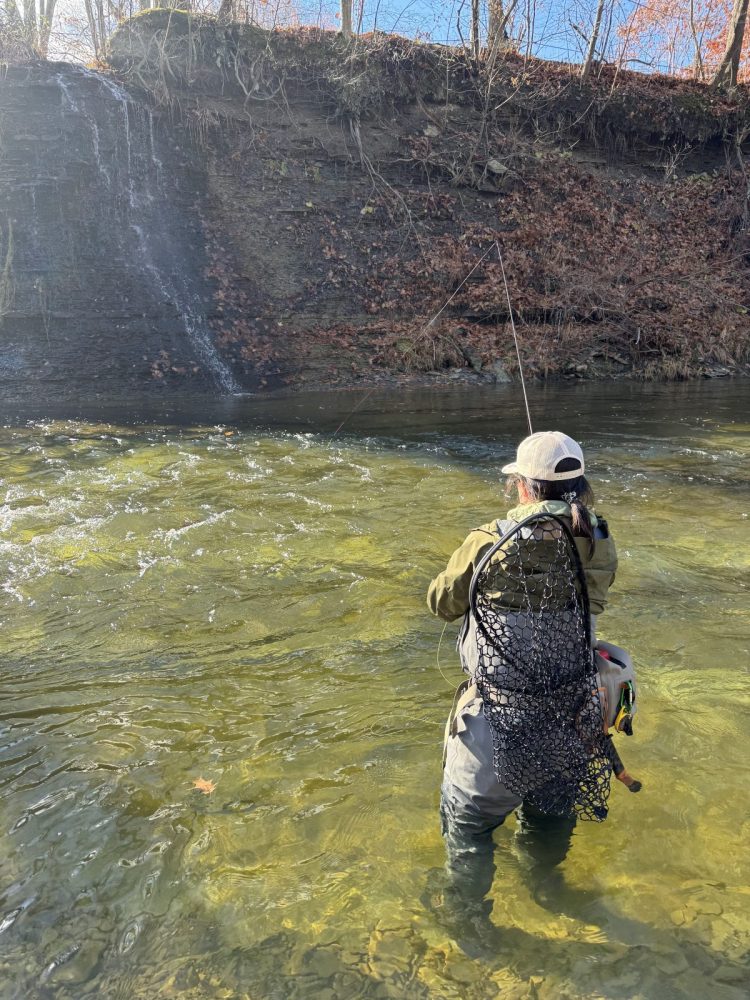
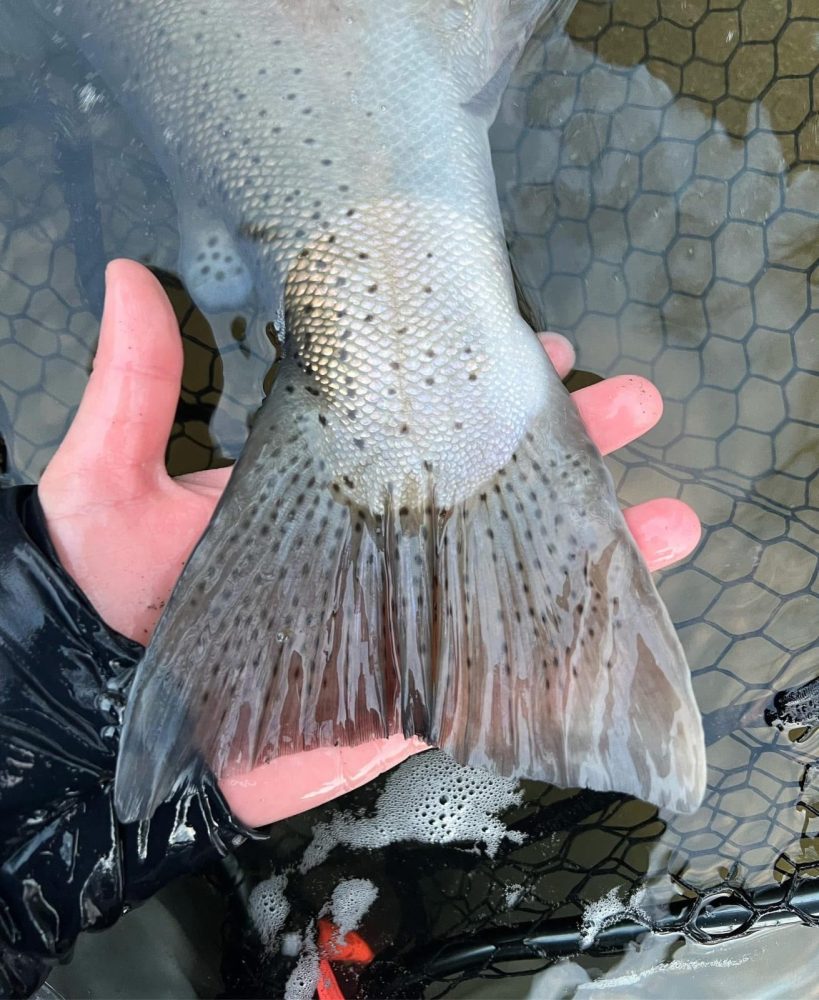
I’m focused on where my flies are in the water column, drift speed, whether I’m maintaining contact, and what adjustments need to be made depending on the specific scenario. Small adjustments to depth, nymphing angles, fly or split shot weight, and drift speed can have a significant impact on how flies move through the target zone. Fly fishing is a game of adjustment, and no two situations are ever the same.
For me, that level of efficiency is what makes the mono system so productive. It isn’t about eliminating every other method of fishing. It’s about using a technique that allows me to stay in control while making deliberate decisions. Great Lakes Steelhead don’t require us to reinvent tight line nymphing. They’re still Rainbow Trout. They’re just bigger, stronger, and less forgiving when something goes wrong.
Tackle: The Right Tools for the Job
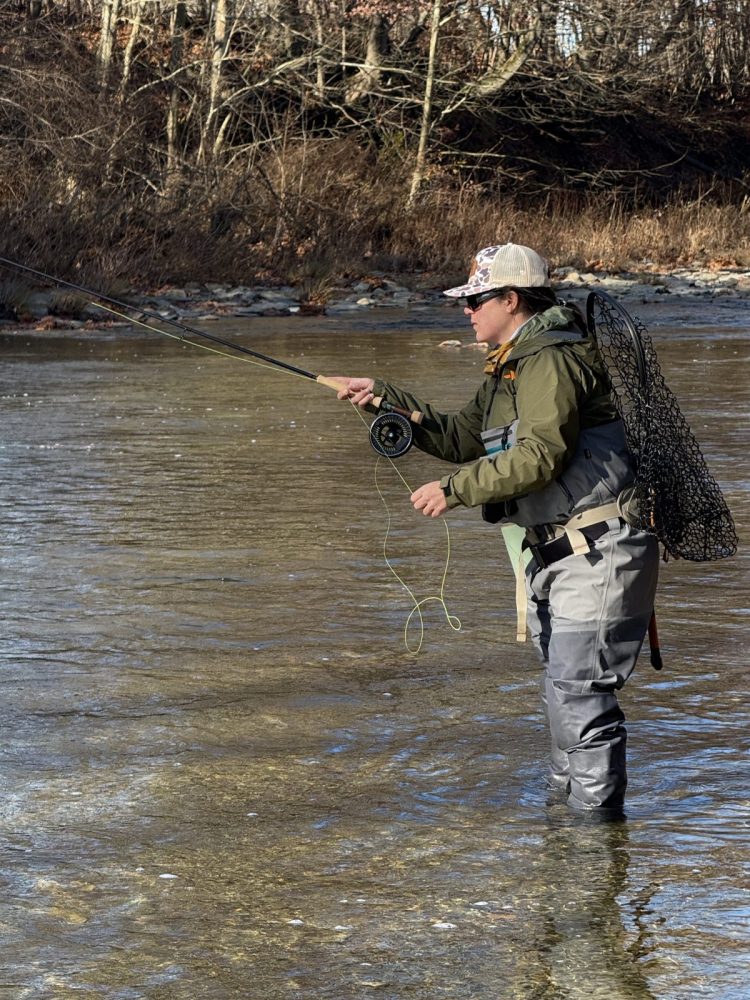
For Great Lakes Steelhead, I use a 10’10”, 6wt Diamondback Ideal Nymph euro-nymphing rod. The length gives me the reach I want when fishing across a stream, while the deep bend of the rod helps protect my tippet from breaking. That combination of reach and cushioning is particularly valuable while being directly connected to a heavy fish as it goes on a powerful run.
For my fly line, I use Cortland Euro Nymph Mono Core. I use a blood knot connection to secure the core of the fly line to the butt section of my leader. The thin diameter and level taper of the fly line eliminates sag and allows me to stay connected to the system.
My reel is a Greys Tail 9/10. While that may seem like a large reel for a 6-weight rod, I deliberately use it for several reasons. The larger reel helps balance the weight of a longer, heavier euro-nymphing rod. It has a strong, reliable drag system, which is important when you connect with heavy, strong fish. Most importantly, the large arbor allows me to quickly recover excess line when Steelhead run towards me, while the caged frame design prevents thin mono and fly line from slipping between the frame and spool. Again, efficiency is key.
Building a Strong, Simple Leader
When building a mono rig for Great Lakes Steelhead, I want my leader to accomplish two things: provide strength and maintain simplicity. These are big, powerful fish, and I don’t want to introduce unnecessary weak points into the system. Every knot is a potential failure point, particularly when you’re dealing with long leaders and relatively light tippet. I prefer to keep my leader simple and use as few knots and connections as possible.
My standard leader is approximately 20 feet from the end of the fly line to the tippet ring or perfection loop. I start with 18 feet of 12 lb. Maxima Chameleon, followed by 2 feet of 10.5lb Cortland Tri-Color Leader Material. At the end of the sighter, I use a medium, 2mm tippet ring to make the connection to my tippet. In some situations, I’ll use a Perfection Loop instead. Both provide a simple and effective connection. I typically do not use tippet lighter than 8lb.
I don’t believe a Steelhead leader needs to be complicated to be effective. In fact, I think the opposite is often true. A strong, simple leader gives me fewer potential breaking points while maintaining the sensitivity and control that make a mono system effective. The leader is the connection between me and the flies. I want that connection to be direct, reliable, and uncomplicated.
Fly Spacing & Weight
I typically fish a two-nymph system, with the flies separated anywhere from two to three feet. My flies are generally unweighted, and I place a split shot between them. The split shot can be adjusted in either direction to change the depth of flies. The goal isn’t to drag my flies along the bottom. Steelhead are not bottom feeders and often suspend themselves in the water column. Go to the fish, don’t rely on the fish to come to you.
Using a split shot between the flies gives me another advantage: I can add the weight I need to control the sink rate of the system without making the flies themselves excessively heavy. This allows the flies to move naturally and at the same depth as the fish in the water column. Fly spacing and weight can be adjusted depending on the depth and speed of the water. In some situations, I’ll fish the flies closer together; in others, I’ll spread them farther apart to cover more of the water column.
One important distinction: Steelhead fishing is the only situation where I integrate split shot into my mono system. My normal mono-rig approach relies on the flies themselves to provide the necessary weight. With Great Lakes Steelhead, however, I often want to fish lightly weighted or unweighted flies while still controlling their position in the water column. Adding a split shot between the flies allows me to accomplish that without turning the flies themselves into heavy, bottom bouncing patterns that are prone to snags. Similar to my tungsten euro-nymphs, I organize my shot by size/weight and typically carry Blackbird Shot to achieve this. Truthfully, any split shot pack that is organized by weight will be effective and intentional.
Choosing Your Flies: Eggs, Worms, and Jig Streamers
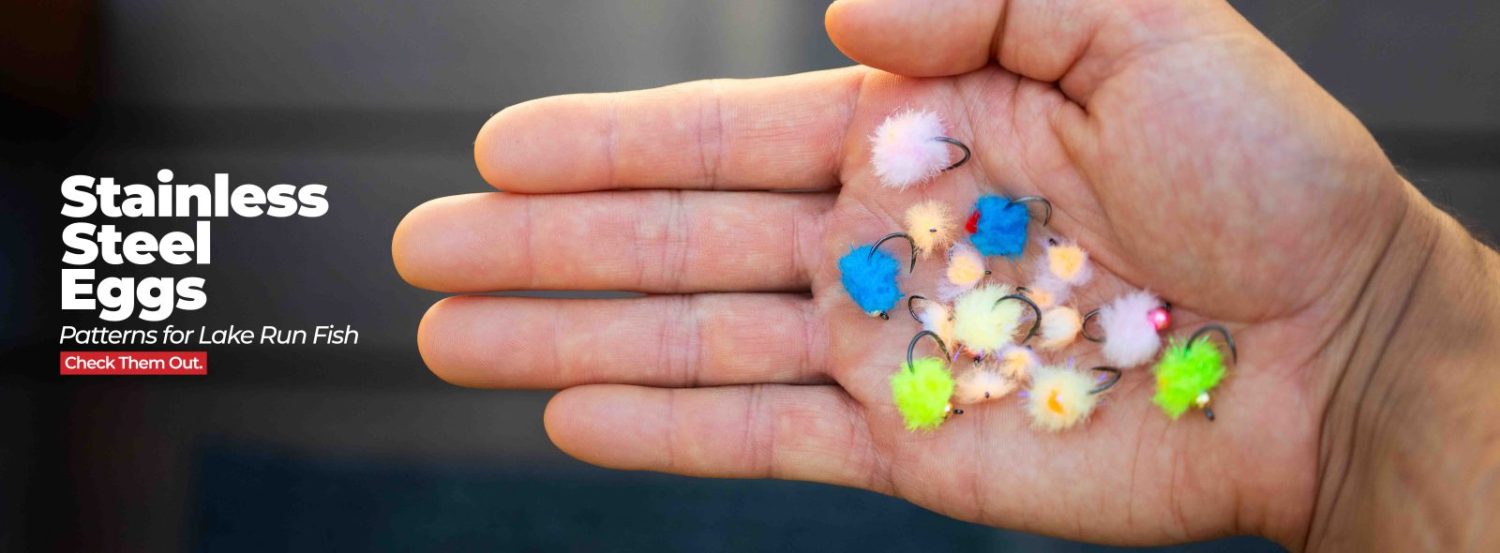
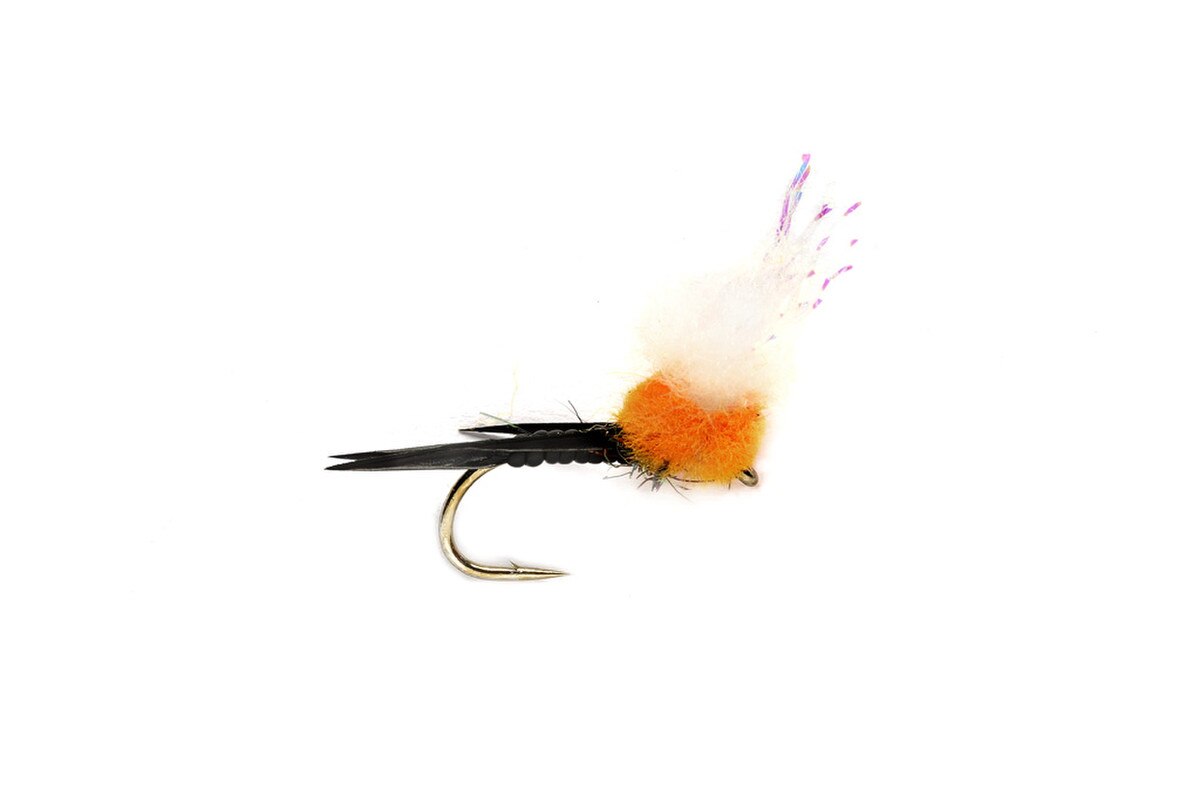
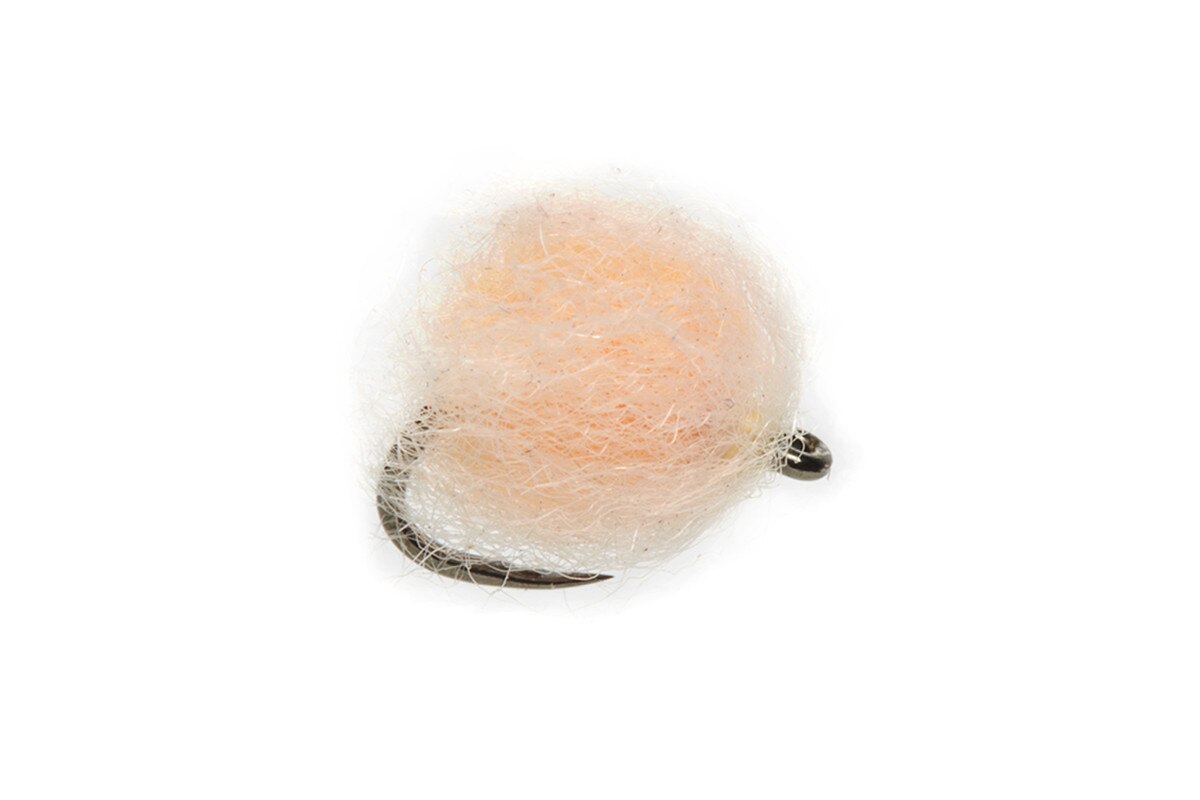
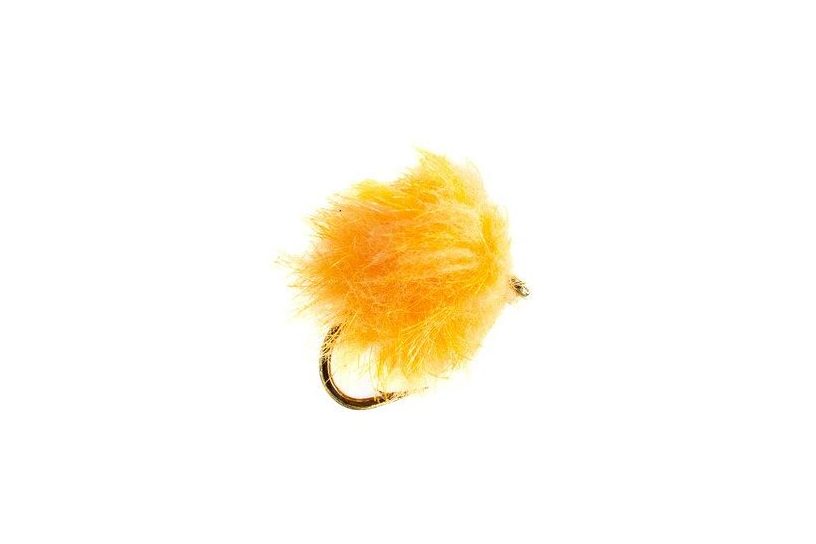
EGGS, EGGS, EGGS. If I’m heading to the Great Lakes to fish for Steelhead, eggs are going to be a major part of my fly selection. Steelhead will key in on a specific egg style and color. Variety is crucial. I carry different colors, sizes, and styles to adjust based on what fish behavior I am seeing in a given situation. I typically cycle through a few different colors and variations before I find the hot fly of the day. Some of my Fulling Mill favorites include:
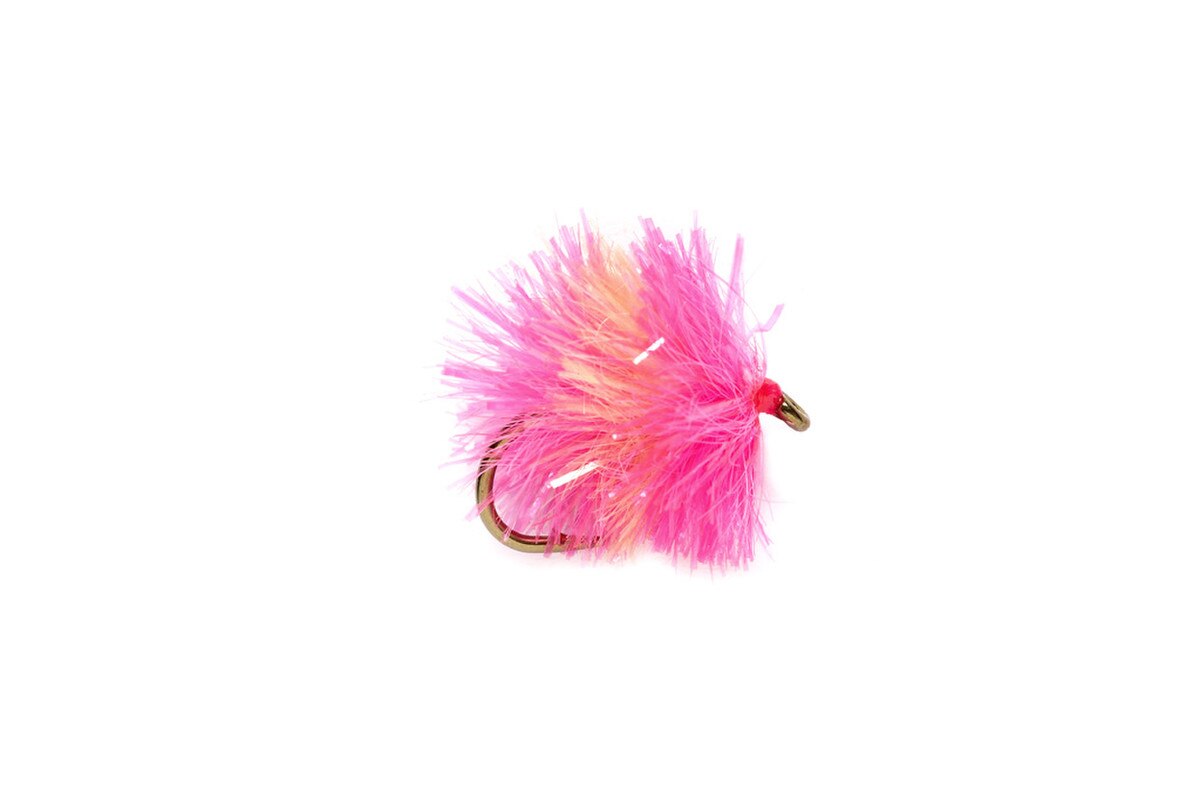


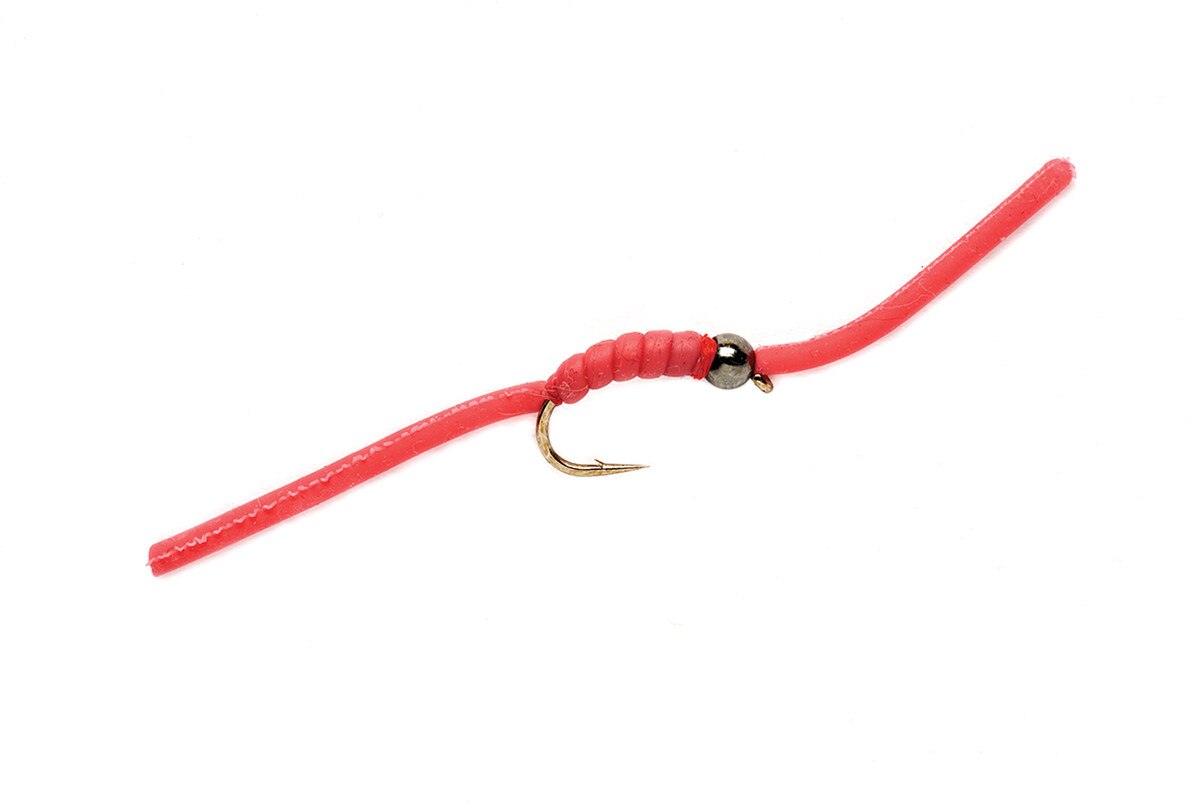
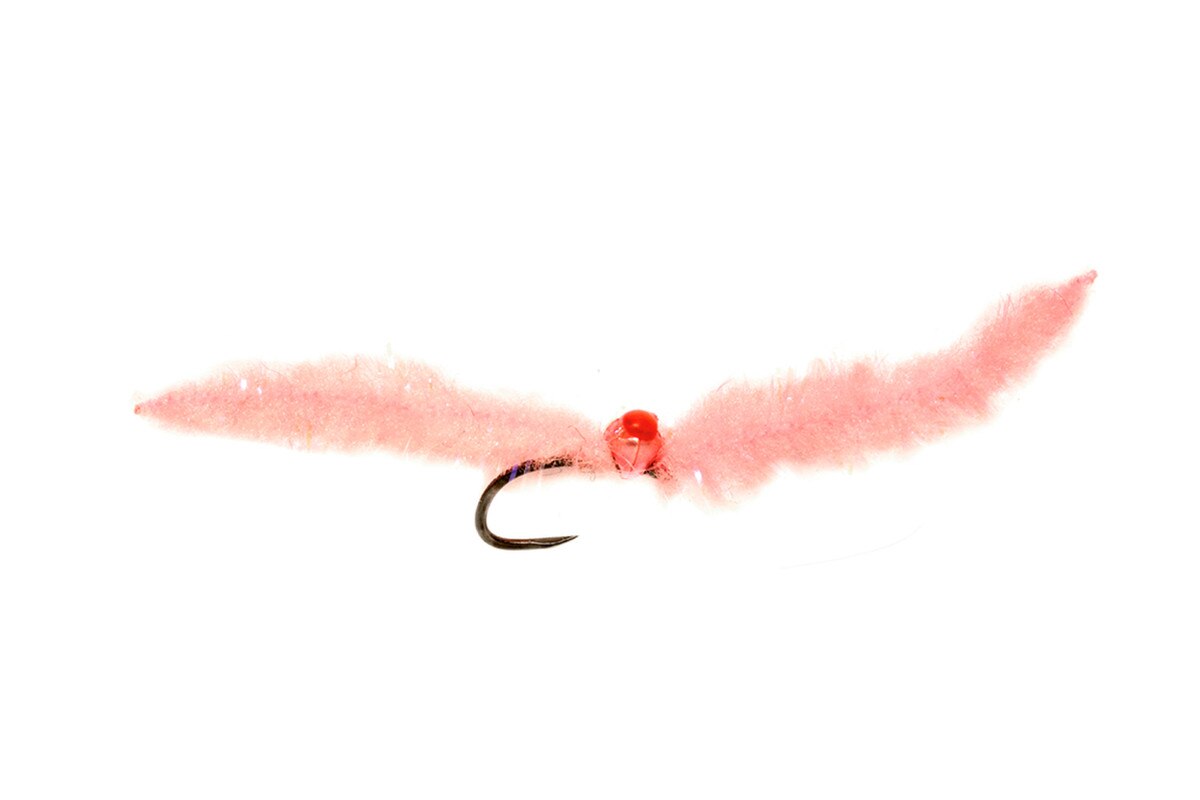
Worms: think movement. When it comes to worms, I typically gravitate toward pink, but I don’t get locked into one color. Steelhead respond differently day to day, and having different colors and combinations gives me options when I need to change. When I think about fishing a worm, I think about one thing in particular: movement. I want a pattern that has life and subtle movement. Some of my Fulling Mill favorites below:
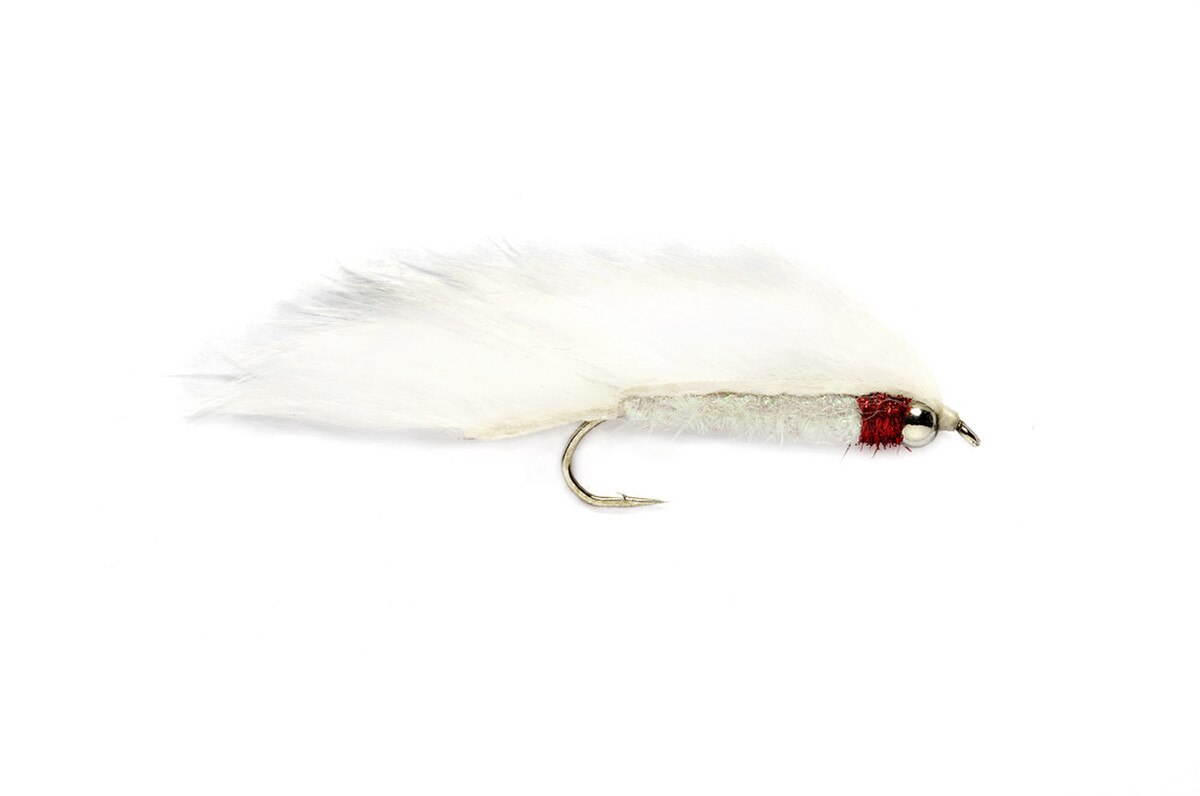
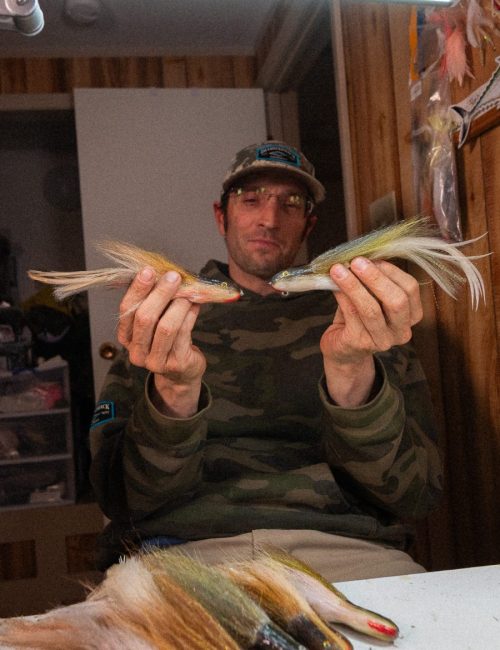
Jig Streamers: again, think movement. A mono system isn’t limited to traditional nymphing. I’ll also use the same direct contact approach to fish jig streamers, particularly white and silver patterns. Euro-jigging a streamer gives me another way to cover water and can trigger attack instincts in fish that may not respond to nymph presentations. The important part isn’t tying on a streamer. It’s knowing what types of baitfish are in the tributary and understanding how the fly moves through the water. Some of my Fulling Mill favorites include:
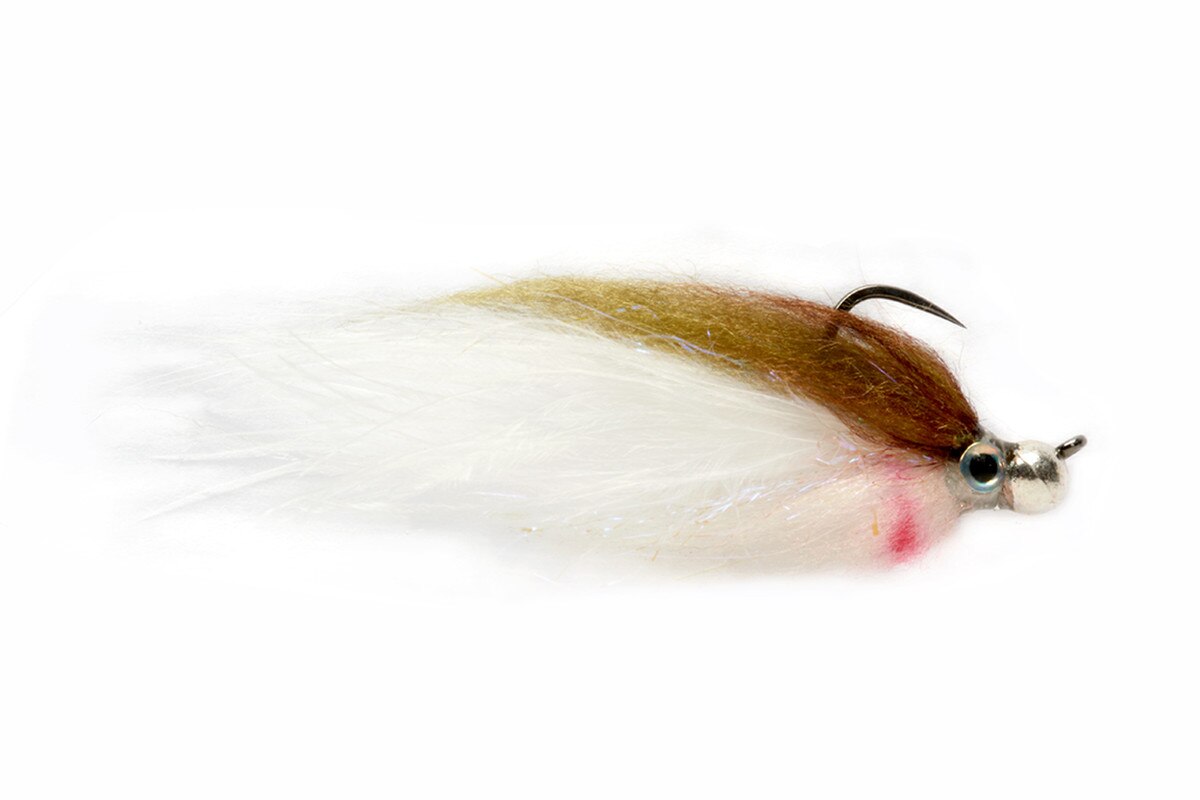
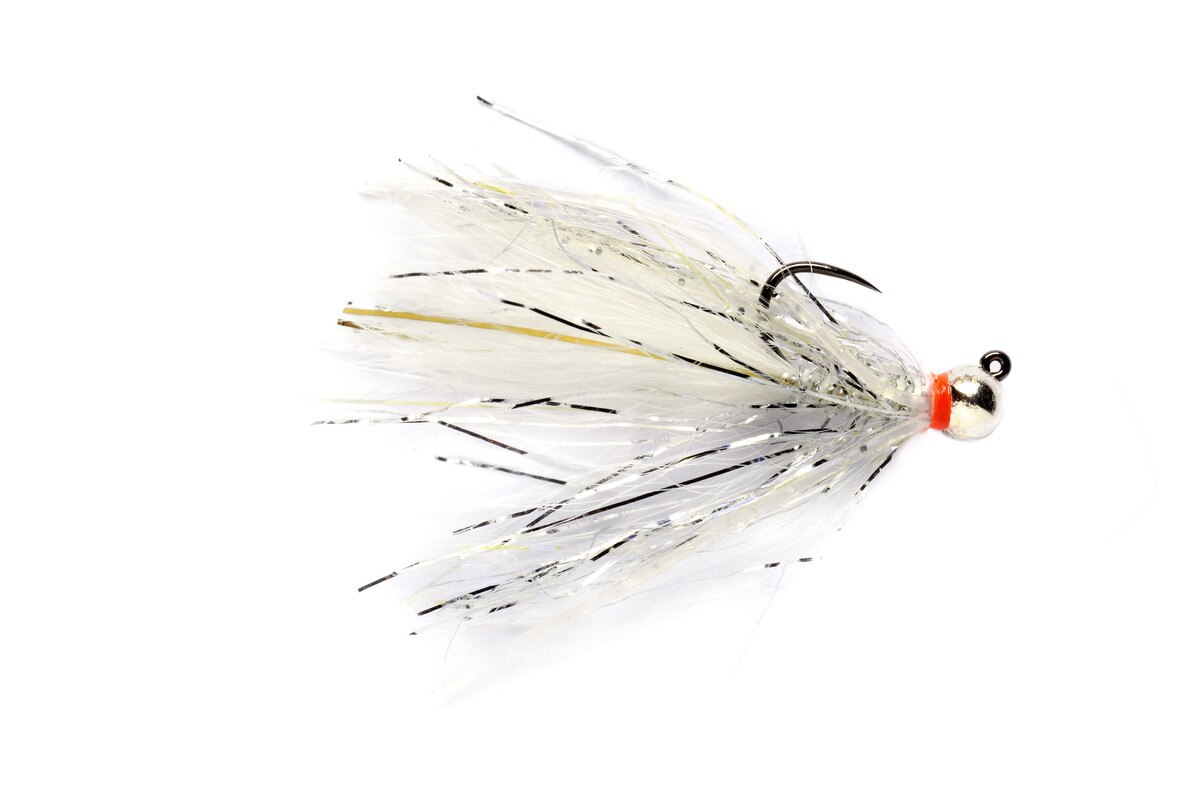
Don’t underestimate natural patterns, such as stone flies and soft hackles. Remember, this is a game of adjustment. If a fly or technique isn’t working, change it.


Finding Steelhead: We Catch Them with Our Legs
“We catch Steelhead with our legs”. That’s something you’ll hear me say often. Before we worry about leaders, flies, or presentation, we must find the fish. Steelhead don’t occupy all water that looks fishy. Sometimes finding them means covering water, walking farther than you’d like, putting in time and miles to locate fish holding areas that day. Water conditions change quickly throughout the Great Lakes region. Flow, temperature, clarity, and fish movement all change where Steelhead hold. Productive water yesterday may not be today. Make sure you’re casting over fish and remember to never leave fish to find fish, adjust your technique.
Look for the “Christmas Trees”.One of my favorite indicators of productive water isn’t actually in the water. Look at the trees and branches hanging over or alongside the stream. If they’re decorated with dozens of flies, bobbers, lures, hooks, and fishing line, there’s a pretty good chance anglers have found steelhead there before.I call them Christmas Trees. Obviously, that isn’t a guarantee fish are there now, but it’s a clue. Steelhead are habitual; they will stage in the same spots as they move up the system. Anglers tend to repeatedly fish places where they’ve found fish, and over time, those places leave evidence.
Find likely holding water such as deep pools, current seams, structure, undercut banks, soft water adjacent to strong currents, and places where fish can hold without expending unnecessary energy. A perfectly constructed mono rig and a great presentation don’t matter if you’re fishing empty water. Find the fish.
Fighting & Landing Steelhead
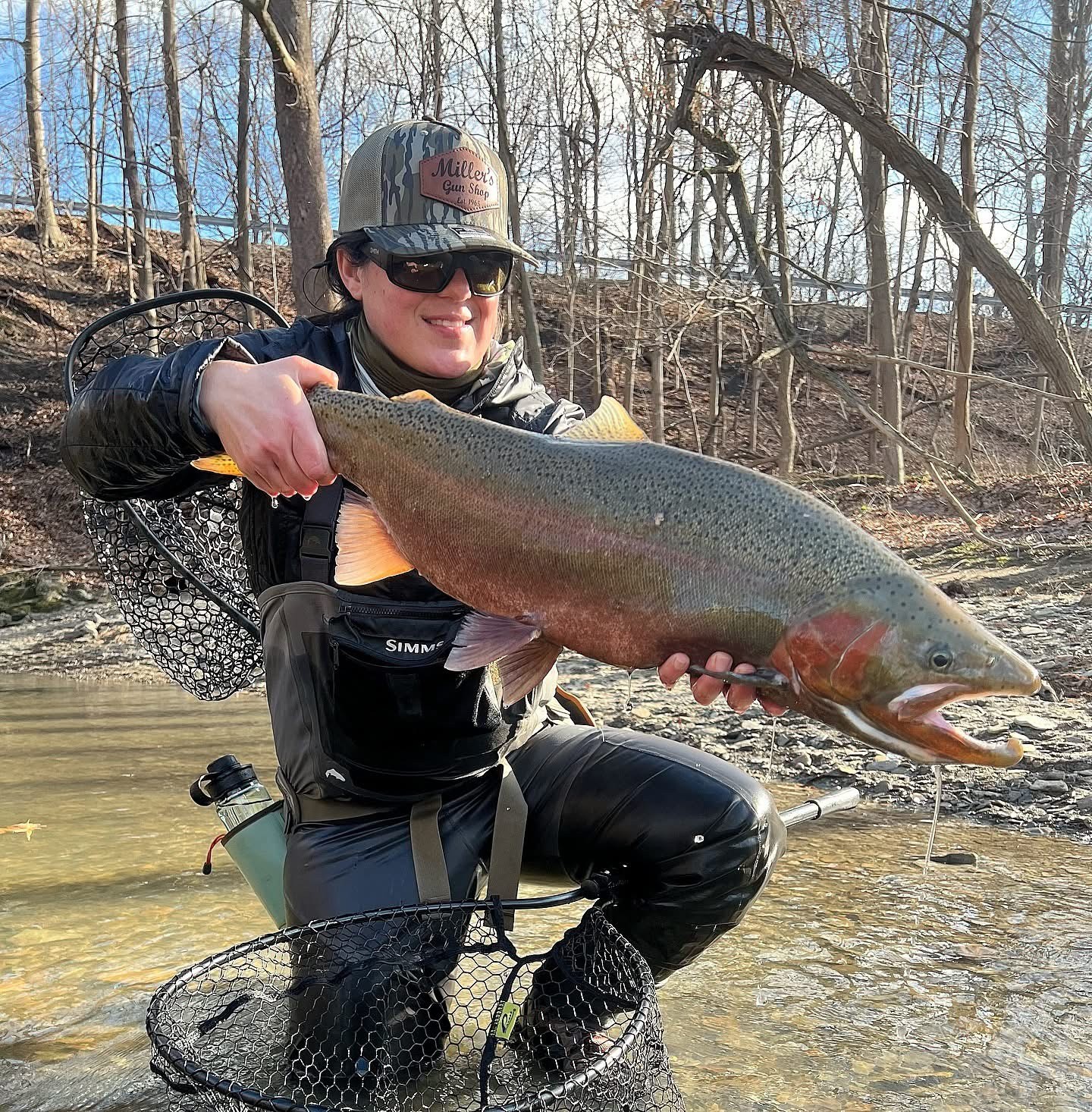
Catching fish is one thing. Catching big fish is something completely different, a phrase I say often. This is where the size and power of Great Lakes Steelhead really become apparent. Presenting a solid drift with the right fly is one thing. Keeping that giant connected all the way to the net is another. This is one of the reasons I value a long, deep-bending euro nymphing rod, an efficient large-arbor reel with a solid drag system, and a simple but strong leader. Give yourself every advantage possible.
Just like using our legs to find Steelhead, sometimes we also land them with our legs. These fish go on fast and powerful runs that often puts distance between you and the fish. The more line there is between you and the Steelhead, the more likely it is to get off. When the fish moves, you move. Fighting and landing giant Steelhead is excellent practice for handling large, powerful wild Brown Trout. The experience builds muscle memory and teaches you how to manage pressure, control the fish, and stay composed when a big Pennsylvania Wild Brown Trout decides to run.
This is where fundamentals matter. Line management and letting the drag system work for you by putting big fish on your reel. The act of reeling up excess line with one hand while keeping pressure on the fish with the other. A Steelhead that looks tired can find another gear quickly, especially when it sees an angler or a net. Put the fish on your drag system, maintain pressure with a deep bend in the rod, and net the fish when you have the advantage. The biggest mistake is trying to rush the process for an Instagram picture. Stay composed.
Final Thoughts
Using a mono rig for Great Lake Steelhead isn’t about a complicated leader, one magic fly, or a specific amount of weight for every situation. It’s about finding the fish and putting the pieces together. Make intentional decisions based on the water and fish in front of you. You need to dial in exactly where you are standing at the time; adjust often. If something isn’t working, change it.
As anglers, we do not need to reinvent the way we nymph. They’re Rainbow Trout, just bigger. The same fundamentals that make tight line nymphing effective for trout still apply. For me, the mono system takes those fundamentals and gives me a direct, intentional way to apply them to larger fish. Keep the system strong and simple. And remember, we catch Steelhead with our legs.
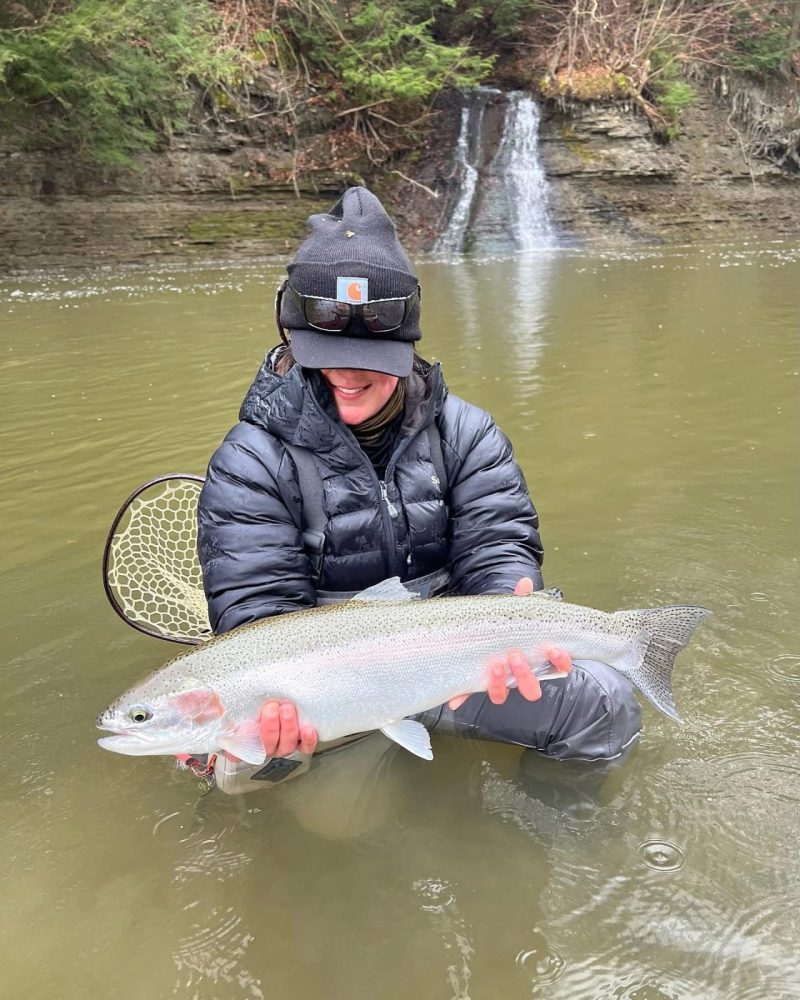
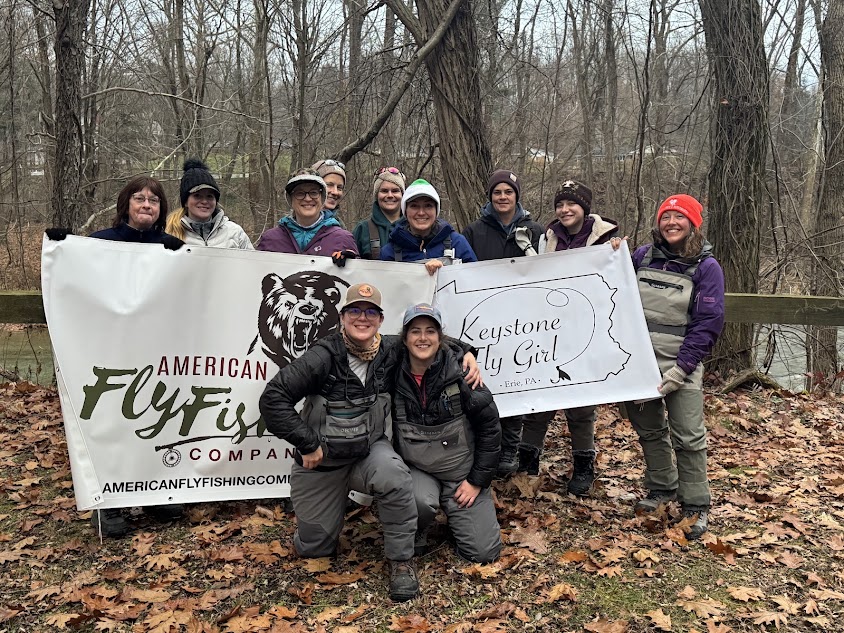
Attend Steelhead Clinics with Jamie SanFilippo!
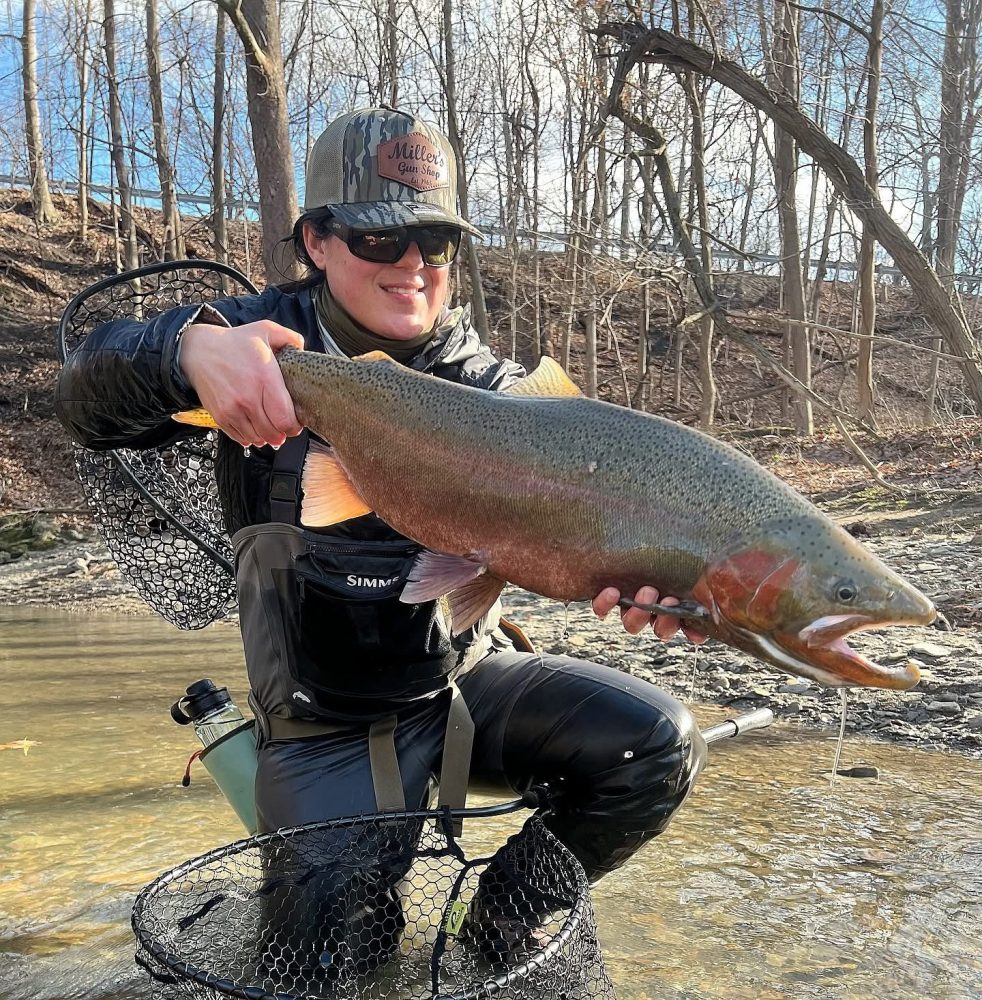
Email Jamie at jamie@americanflyfishingcompany.com to sign up for Women’s Steelhead Clinics! There are a few spots open for this year’s Women’s Beginner Steelhead Clinic in Girard, PA on November 14th & 15th. The next available clinic is the Women’s Intermediate Steelhead Clinic in Girard, PA which will take place in March 2027. Spots are limited, so get in touch!



)